
The well-being of our canine companions is paramount, and when they experience digestive distress, particularly constipation, owners often seek immediate and effective solutions. While the immediate impulse might be to reach for home remedies or over-the-counter medications, understanding the underlying causes and available technological interventions can provide a more comprehensive and proactive approach to managing your dog’s digestive health. This article explores the landscape of technological advancements and tools that can assist pet owners in identifying, understanding, and addressing canine constipation, focusing on how smart solutions can empower you to provide the best care for your furry friend.
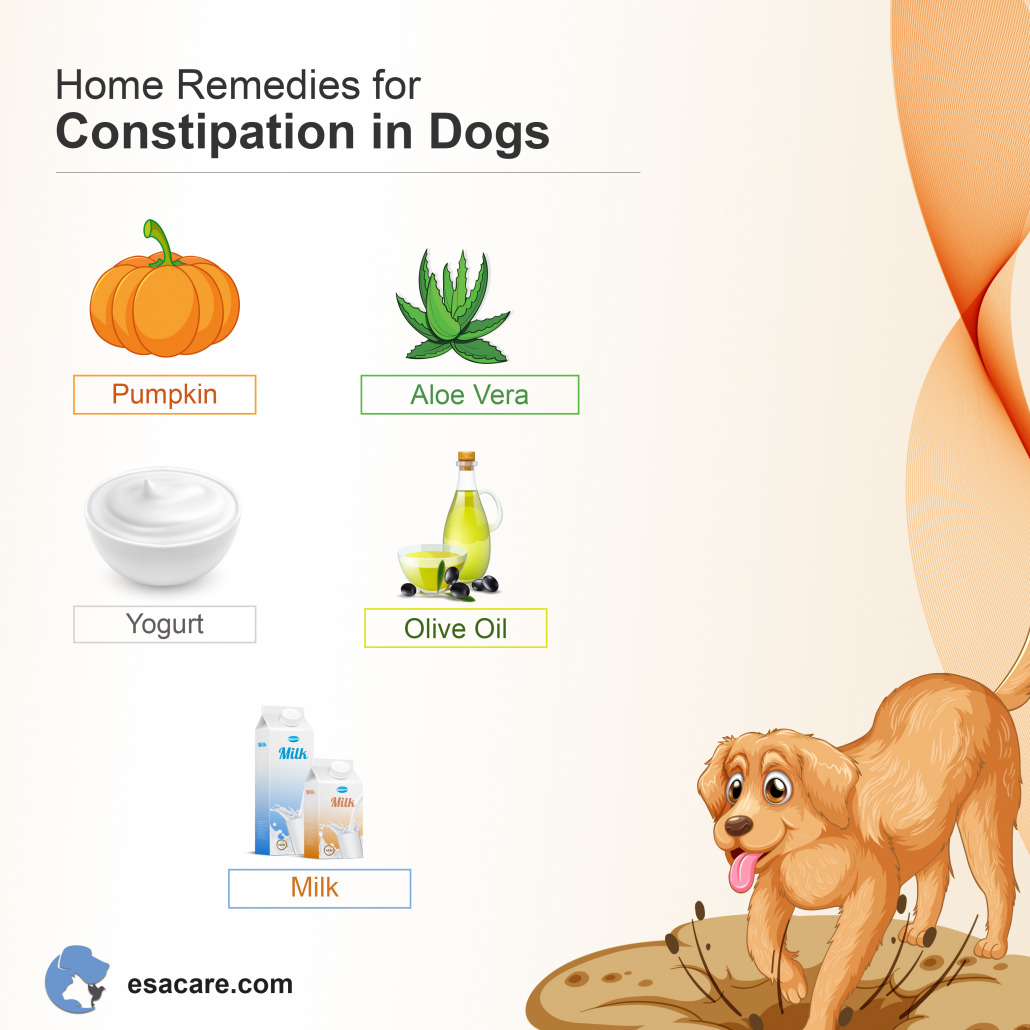
Understanding Canine Constipation: Beyond the Basics
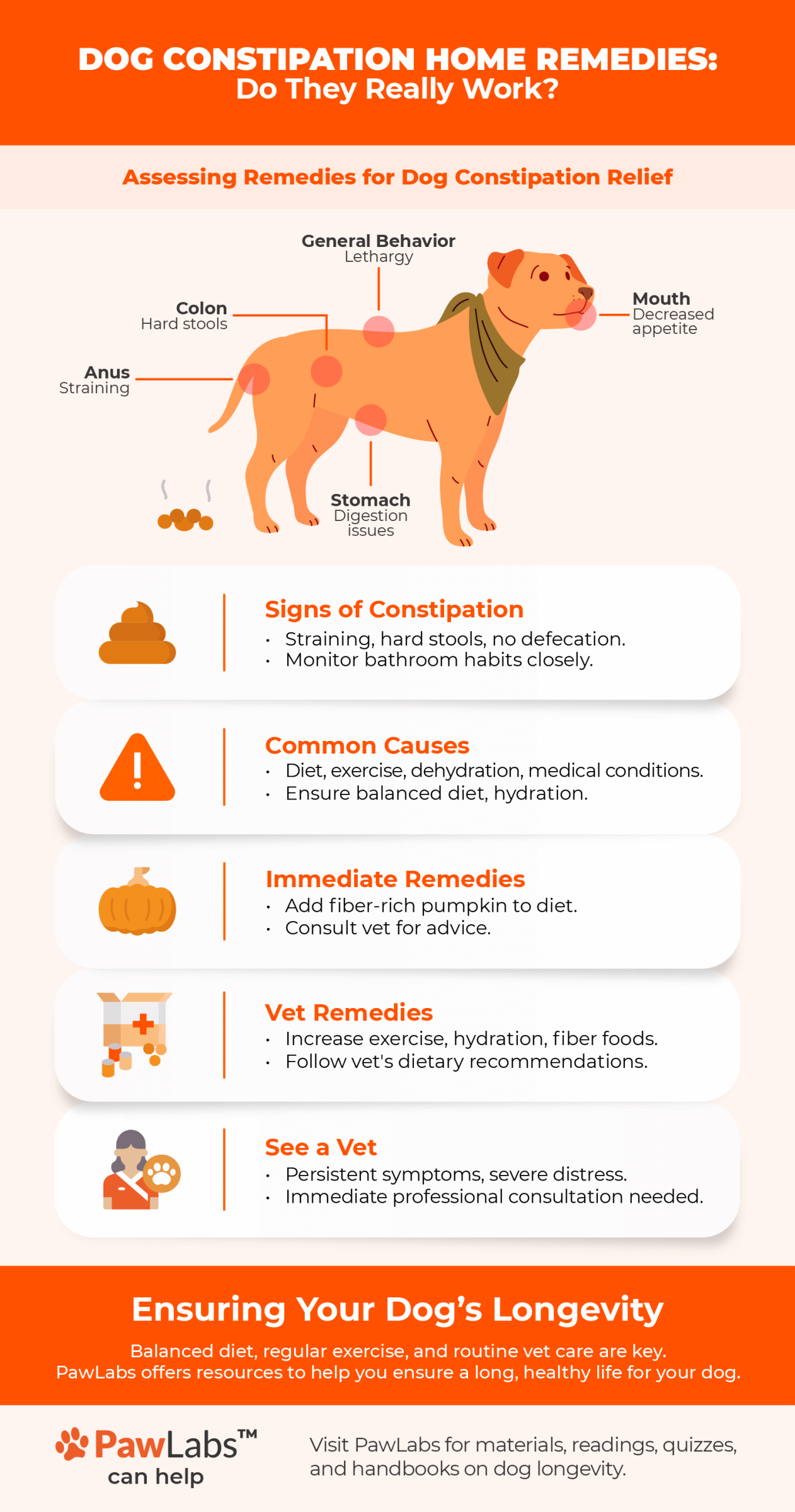
Constipation in dogs, characterized by infrequent or difficult defecation, can range from a minor inconvenience to a symptom of a more serious underlying health issue. While behavioral changes and dietary adjustments are common first steps, leveraging technology can offer deeper insights and more precise management strategies.
The Role of Observational Tech and Data Collection
Accurate diagnosis and effective treatment begin with reliable data. Modern technology offers sophisticated ways to observe and record your dog’s behavior and physical indicators related to their digestive health.
Smart Pet Feeders and Hydration Monitors
The type and quantity of food and water a dog consumes significantly impacts their digestive regularity. Smart pet feeders can automate meal delivery, ensuring consistent portion sizes and timing, which can be crucial for dogs prone to digestive issues. More advanced feeders even incorporate scales to track food intake accurately. Equally important is hydration. Dehydration is a common culprit behind constipation, as it leads to drier, harder stools. Smart water bowls or connected hydration monitors can track your dog’s water consumption throughout the day, alerting you if intake falls below optimal levels. This data can be invaluable when discussing dietary needs with your veterinarian.
Wearable Activity Trackers for Dogs
While primarily known for monitoring exercise, wearable activity trackers can also provide subtle clues about your dog’s overall well-being, including their digestive state. A sudden decrease in activity, lethargy, or increased restlessness can sometimes be associated with discomfort caused by constipation. By tracking these patterns, you can identify changes that might correlate with digestive issues. Some advanced trackers even offer features to monitor heart rate and respiration, which can be elevated during periods of discomfort. This consistent data stream, easily accessible through a smartphone app, allows for a more objective assessment of your dog’s condition over time, helping to pinpoint when intervention might be necessary.
Digital Health Records and Symptom Trackers
Maintaining a digital record of your dog’s health is becoming increasingly sophisticated. Many veterinary clinics now offer online portals where you can access your dog’s medical history, vaccination records, and medication schedules. Beyond this, dedicated pet health apps allow owners to log symptoms, track bowel movements (frequency, consistency, and any signs of straining), appetite changes, and even behavioral observations. These detailed, time-stamped records are invaluable for veterinarians. Instead of relying on memory, you can present precise data, enabling them to make more informed diagnoses and tailor treatment plans more effectively. Some apps even integrate with wearable devices, automatically populating activity and behavioral data.
Diagnostic Tools and Veterinary Collaboration Enhanced by Technology
The partnership between pet owners and veterinarians is central to managing any health concern, including constipation. Technology is bridging the gap, facilitating better communication and more accurate diagnostics.
Telemedicine and Remote Consultations
The advent of telemedicine has revolutionized pet healthcare. When your dog exhibits signs of constipation, a remote consultation with your veterinarian can be a convenient and efficient first step. Through video calls and the sharing of digital records and photos/videos of your dog’s stool, veterinarians can often assess the severity of the situation and offer preliminary advice. This can save you a trip to the clinic for non-emergency cases and provide prompt guidance on whether immediate in-person veterinary attention is required. Telemedicine also allows for follow-up appointments, ensuring your dog is recovering well without the added stress of travel.
Advanced Imaging and Diagnostic Equipment
While not directly administered by pet owners, advancements in veterinary diagnostic technology are crucial for identifying the root cause of chronic or severe constipation. This includes:
- Digital X-rays and Ultrasound: These imaging techniques allow veterinarians to visualize the abdominal organs, identify blockages, tumors, or enlarged organs that might be contributing to constipation. The clarity and detail of digital imaging provide faster and more accurate diagnoses compared to older film-based X-rays.
- Endoscopy: For cases where a foreign object or obstruction is suspected, endoscopy allows for minimally invasive visualization and potential removal of problematic materials from the gastrointestinal tract.
- Laboratory Analysis Tools: Sophisticated lab equipment enables rapid and accurate analysis of blood and fecal samples to detect underlying medical conditions like kidney disease, thyroid issues, or infections that can manifest as digestive problems.
The data generated by these advanced tools, often in digital formats, can be shared easily between veterinary specialists, facilitating collaborative care and ensuring your dog receives the most comprehensive diagnosis possible.
Tech-Enabled Dietary and Lifestyle Management
Once a diagnosis is made and a treatment plan is in place, technology can play a significant role in managing your dog’s diet and lifestyle to prevent future occurrences of constipation.
Smart Nutrition Platforms and Personalized Diets
Nutrition is a cornerstone of digestive health. Beyond basic feeding, technology is enabling more personalized approaches to canine diets.
- AI-Powered Diet Recommendations: Some platforms utilize artificial intelligence to analyze your dog’s breed, age, activity level, and specific health conditions (including digestive sensitivities) to recommend tailored dietary plans. These platforms can suggest specific food types, fiber content, and supplementations known to promote healthy digestion.
- Customized Food Delivery Services: Companies are emerging that offer customized dog food formulations delivered directly to your door. These services can cater to specific dietary needs, including those recommended to manage constipation, using high-quality ingredients and balanced nutrient profiles.
- Interactive Food and Supplement Trackers: Similar to symptom trackers, apps can help you log the specific foods, treats, and supplements your dog consumes, correlating this with their digestive regularity. This data can help identify trigger foods or beneficial ingredients, further refining their diet with veterinary guidance.
Smart Home Integration for Wellness Routines
Creating consistent routines is vital for canine health. Smart home technology can indirectly support this by automating aspects of your dog’s care.
- Automated Litter Box/Waste Management Systems: While not directly for constipation, these systems can indirectly monitor waste output. Some advanced systems may flag unusual consistency or volume, prompting further investigation.
- Smart Lighting and Sound Systems: Establishing a calm and consistent environment can reduce stress, which can sometimes exacerbate digestive issues. Smart home systems can automate lighting and soundscapes to create a peaceful atmosphere, particularly beneficial for anxious dogs.
The Future of Canine Digestive Health: Predictive Analytics and Proactive Care
The integration of technology in pet care is rapidly evolving, moving beyond reactive solutions to a more proactive and predictive model.
Predictive Analytics for Digestive Health
As more data is collected from wearable devices, smart feeders, and digital health records, powerful analytical tools are being developed.
- Early Detection of Anomalies: Predictive algorithms can analyze patterns in your dog’s activity, feeding, hydration, and defecation data to identify subtle deviations from their baseline health that may indicate an impending digestive issue, including constipation, before overt symptoms appear.
- Personalized Risk Assessment: Based on breed predispositions, lifestyle, and historical health data, AI can provide personalized risk assessments for various health concerns, including chronic constipation. This empowers owners and veterinarians to focus on preventative measures.

The Rise of Digital Health Companions and AI Veterinarians
The future may see the development of sophisticated digital health companions for pets.
- AI-Powered Health Assistants: These assistants, integrated with your dog’s data, could provide personalized advice, flag potential issues, remind you of medication or feeding schedules, and even guide you through preliminary at-home care steps before recommending a veterinary consultation.
- Virtual Veterinary Diagnostics: While not replacing human veterinarians, AI could assist in analyzing diagnostic images, interpreting lab results, and providing preliminary differential diagnoses, speeding up the diagnostic process.
In conclusion, while the question of “what to give a constipated dog” often leads to immediate remedies, a technologically informed approach offers a more holistic and effective strategy. By leveraging smart devices for data collection, embracing telemedicine for accessible veterinary collaboration, and utilizing advanced diagnostic tools, pet owners can gain unprecedented insight into their dog’s digestive health. This empowers proactive management, personalized dietary and lifestyle adjustments, and ultimately, a healthier and happier life for our beloved canine companions. The ongoing evolution of technology promises even more sophisticated solutions, ushering in an era of predictive and preventative care for pets.
aViewFromTheCave is a participant in the Amazon Services LLC Associates Program, an affiliate advertising program designed to provide a means for sites to earn advertising fees by advertising and linking to Amazon.com. Amazon, the Amazon logo, AmazonSupply, and the AmazonSupply logo are trademarks of Amazon.com, Inc. or its affiliates. As an Amazon Associate we earn affiliate commissions from qualifying purchases.