
In the landscape of modern medicine, the intersection of healthcare and technology has created a paradigm shift in how we respond to acute medical crises. When we ask “what to do when someone is having a stroke,” the answer is no longer limited to traditional first aid; it now involves a sophisticated ecosystem of wearable tech, artificial intelligence (AI), and high-speed digital communication. In the “Golden Hour”—the critical window where brain tissue can still be saved—technology is the primary differentiator between permanent disability and full recovery.

As we move deeper into the era of the Internet of Medical Things (IoMT), the tech-first response to a stroke focuses on three pillars: rapid detection through biometric sensors, AI-accelerated diagnostics, and the digital streamlining of emergency medical services (EMS).
1. The Proactive Response: Wearables and IoT in Early Stroke Detection
The most significant challenge in stroke intervention is the latency between the onset of symptoms and the arrival of professional help. Traditional methods rely on human observation, which is often flawed or delayed. Today, the tech industry has bridged this gap using consumer-grade and clinical-grade wearables that monitor the body 24/7.
Continuous Biometric Monitoring and AI Classification
Modern smartwatches and fitness trackers are equipped with advanced sensors, such as Photoplethysmography (PPG) and Electrocardiograms (ECG). These tools are the first line of defense in stroke prevention and immediate detection. A stroke is often preceded by Atrial Fibrillation (AFib), an irregular heart rhythm that increases the risk of blood clots.
Advanced AI algorithms within these devices analyze heart rate variability in real-time. When the software detects a pattern consistent with AFib, it triggers a haptic alert to the user. From a tech standpoint, this is an exercise in data classification; the device compares the user’s current heart data against millions of data points of known arrhythmias to provide a high-confidence warning before a stroke even occurs.
Automated Emergency Response Ecosystems
If a stroke occurs, the “what to do” becomes an automated process. Modern tech ecosystems, such as those developed by Apple, Google, and specialized medical tech firms, utilize “Fall Detection” and “Crash Detection” algorithms. A stroke often leads to a sudden loss of motor control, resulting in a fall.
Using high-g accelerometers and gyroscopes, these devices detect the specific signature of a fall followed by a period of inactivity. If the user does not dismiss the alert within a set timeframe, the device automatically initiates a digital SOS. This process involves sharing GPS coordinates via cellular or satellite links and transmitting a pre-stored “Medical ID” to emergency responders, ensuring that the technology acts when the human cannot.
2. Accelerating Diagnostics: AI-Powered Imaging and Computer Vision
Once a patient is in the care of medical professionals, the focus shifts to “Door-to-Needle” time. In a stroke, time is brain—specifically, 1.9 million neurons are lost every minute. The tech solution to this problem lies in AI-driven diagnostic software that bypasses the traditional bottlenecks of manual imaging review.
Neural Network Analysis of Neuro-imaging
The standard protocol for a suspected stroke involves a CT scan or MRI to differentiate between an ischemic stroke (clot) and a hemorrhagic stroke (bleed). In the past, these images waited in a queue for a radiologist’s review. Today, software platforms like Viz.ai and RapidAI use deep learning neural networks to analyze scans the moment they are uploaded to the cloud.
These AI tools are trained on hundreds of thousands of scans to identify Large Vessel Occlusions (LVOs) with superhuman speed. Within seconds of the scan being completed, the AI can flag a stroke, quantify the volume of dead tissue versus salvageable tissue (the penumbra), and send an encrypted alert directly to the neurosurgeon’s smartphone. This bypasses the traditional hospital hierarchy, moving the patient from the ER to the operating suite with digital precision.
Computer Vision for Symptom Assessment
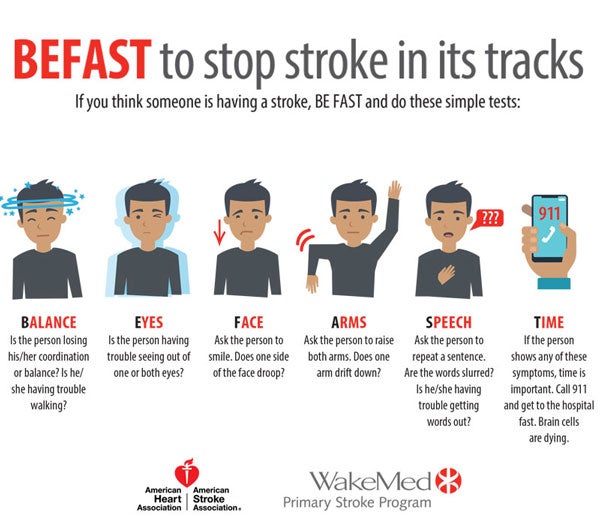
In the pre-hospital phase, computer vision is becoming a vital tool. Developers are creating apps that utilize a smartphone’s camera to perform a digital “FAST” (Face, Arms, Speech, Time) test. By analyzing facial symmetry through 3D mapping and tracking limb tremors via motion sensors, these apps can provide an objective assessment of stroke severity. This data is then streamed to the receiving hospital, allowing doctors to prepare the necessary interventions before the ambulance even arrives.
3. Digital Infrastructure: Telemedicine and Mobile Stroke Units
The geographical divide has often been a barrier to quality stroke care. Technology has effectively “flattened” this landscape through the implementation of telestroke networks and high-tech mobile units, ensuring that expert intervention is available regardless of the patient’s physical location.
Synchronous Virtual Assessment Platforms
“Telestroke” is a branch of telemedicine that utilizes high-definition, low-latency video streaming to connect rural hospitals with specialized stroke centers. When a patient arrives at a local clinic without a neurologist on staff, they are connected to a “Hub” center.
The technology involved includes remote-controlled pan-tilt-zoom cameras that allow the remote specialist to perform a detailed physical exam. Furthermore, integrated EHR (Electronic Health Record) systems allow the specialist to view real-time vitals and lab results simultaneously. This digital connectivity ensures that the decision to administer thrombolytics (clot-busting drugs) is made by an expert, reducing the risk of complications and improving outcomes.
The Mobile Stroke Unit (MSU) Tech Stack
One of the most impressive advancements in emergency tech is the Mobile Stroke Unit. These are ambulances equipped with a built-in CT scanner and a full laboratory suite. The “tech stack” of an MSU includes high-bandwidth 5G connectivity to transmit massive imaging files, satellite backups for dead zones, and specialized software for real-time data synchronization with the hospital’s main servers. By bringing the hospital’s diagnostic power to the patient’s doorstep, this technology effectively “stops the clock” on the stroke minutes earlier than conventional methods.
4. The Frontier of Recovery: VR, Robotics, and BCI
The “what to do” after a stroke has been managed in the acute phase is equally dependent on technology. Post-stroke rehabilitation is being revolutionized by hardware and software designed to rewire the brain and restore motor function.
Neuroplasticity via Virtual Reality (VR)
VR is no longer just for gaming; it is a clinical tool for neuro-rehabilitation. By placing a stroke survivor in a simulated environment, clinicians can gamify the recovery process. For example, a patient with hemiparesis (weakness on one side) might use a VR headset to perform tasks in a digital kitchen. The software uses “mirror therapy” techniques, where the movement of the healthy limb is rendered as the movement of the affected limb in the virtual world. This visual feedback tricks the brain, stimulating neuroplasticity and accelerating the re-learning of motor patterns.
Robotic Exoskeletons and Haptic Feedback
For patients with severe mobility loss, robotic exoskeletons provide a tech-driven path to walking again. These wearable machines use sophisticated sensors to detect the user’s intent to move. When the user initiates a step, the exoskeleton’s motors provide the necessary torque to complete the movement. Coupled with haptic feedback—vibrations that signal to the user when their foot has hit the ground—these devices provide the sensory input required to retrain the nervous system.
Brain-Computer Interfaces (BCI)
The cutting edge of stroke tech lies in Brain-Computer Interfaces. Companies like Synchron and Neuralink are developing chips that can be implanted in or near the brain’s motor cortex. For a stroke patient who has lost the ability to speak or move, a BCI can translate neural signals directly into digital commands. This allows a patient to control a computer cursor, type messages, or even operate a robotic arm simply by thinking. While still in the early stages of clinical adoption, BCI represents the ultimate technological triumph over the physical limitations imposed by a stroke.
Conclusion: The Digital Imperative in Stroke Care
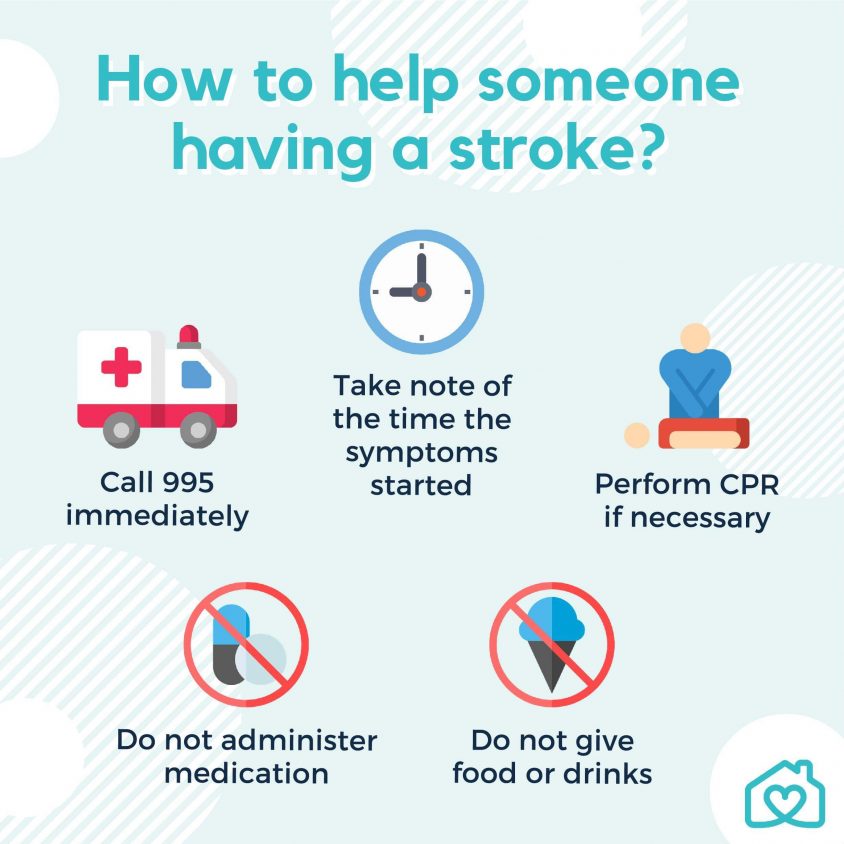
In the modern era, the question of what to do when someone is having a stroke is answered by a complex web of digital tools. From the moment a wearable device detects an irregular heartbeat to the use of AI in the radiology suite and the deployment of VR in rehabilitation, technology is the silent partner in every successful recovery.
As we look to the future, the integration of 5G, more sophisticated AI models, and ubiquitous IoMT devices will continue to shrink the response time and expand the possibilities of treatment. The “Golden Hour” is being reclaimed by the “Digital Second,” ensuring that a stroke is no longer a life-ending event, but a manageable medical condition addressed through the power of innovation. For tech enthusiasts and medical professionals alike, the goal remains the same: using silicon and software to preserve the most complex computer of all—the human brain.
aViewFromTheCave is a participant in the Amazon Services LLC Associates Program, an affiliate advertising program designed to provide a means for sites to earn advertising fees by advertising and linking to Amazon.com. Amazon, the Amazon logo, AmazonSupply, and the AmazonSupply logo are trademarks of Amazon.com, Inc. or its affiliates. As an Amazon Associate we earn affiliate commissions from qualifying purchases.