
In the era of the Quantified Self, the age-old parental dilemma of “what time should a 2-year-old go to bed” has transitioned from a matter of guesswork and intuition to a data-driven science. For decades, parents relied on static charts and general pediatric advice suggesting a standard 7:00 PM to 8:00 PM window. However, the integration of Internet of Things (IoT) devices, artificial intelligence (AI), and biometric sensors into the modern nursery is revolutionizing how we understand toddler circadian rhythms. By leveraging technology, parents can now identify the “biological sweet spot” for sleep, ensuring higher quality rest for the child and optimized evening productivity for the household.

The Algorithm of Rest: How AI and Biometrics Define Sleep Windows
Traditional parenting methodologies often overlook the physiological nuances of the individual child. Technology bridges this gap by replacing anecdotal evidence with hard data. At two years old, a child’s neurological development is in a state of rapid flux, and their sleep needs can shift weekly.
The Shift from General Guidelines to Personalized Data
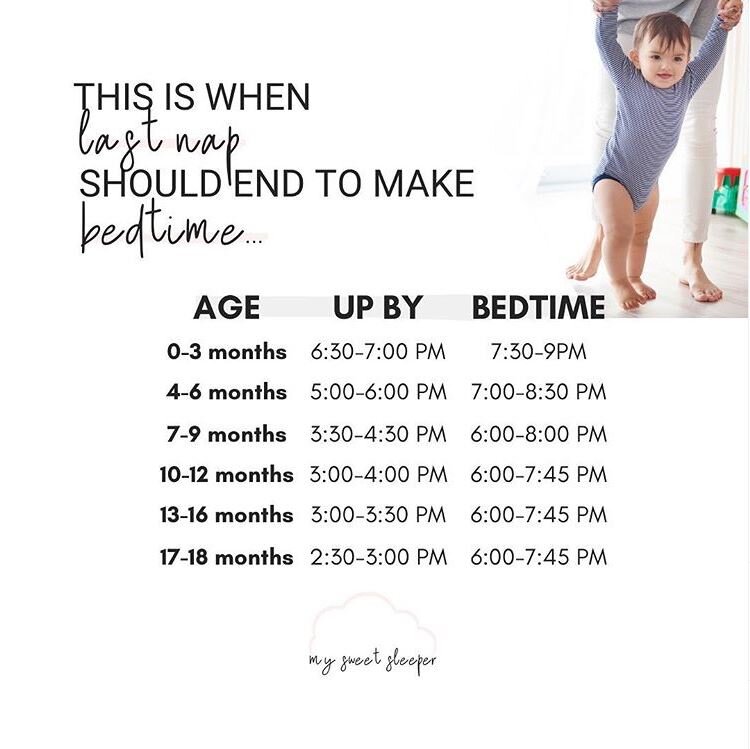
While standard parenting blogs might suggest a blanket bedtime, AI-driven applications are moving toward hyper-personalization. By inputting variables such as the duration of the afternoon nap, caloric intake, and physical activity levels into machine learning models, parents can receive a daily “predicted bedtime.” These algorithms analyze patterns over time, identifying that a 2-year-old might need a 7:15 PM bedtime on high-activity days but a 7:45 PM bedtime when cognitive stimulation was lower. This prevents the “overtired” state—a physiological condition where cortisol spikes, making it ironically harder for the child to fall asleep.
Smart Wearables and Non-Invasive Sleep Tracking
The hardware used to monitor toddler sleep has evolved far beyond the simple audio monitor. Modern non-invasive wearables and computer-vision monitors, such as the Nanit or Owlet systems, track sleep stages (REM, Light, and Deep sleep) through movement and oxygen saturation. For a 2-year-old, these devices provide a technical breakdown of “sleep efficiency.” If a child is going to bed at 7:30 PM but tossing for 45 minutes, the technology alerts the parent that the circadian drive hasn’t peaked yet, suggesting a technological adjustment to the bedtime schedule.
Smart Nursery Ecosystems: Automating the Perfect Sleep Environment
Once the ideal time is identified via data, the next tech frontier is environmental control. A smart nursery utilizes an ecosystem of connected devices to ensure that once the 2-year-old hits the mattress, the environment is optimized for immediate melatonin production.
Intelligent Lighting and Circadian Rhythm Synchronization
One of the most significant technological breakthroughs in pediatric sleep is the use of smart lighting (such as Philips Hue or Lutron systems) to signal the “digital sundown.” Approximately 60 minutes before the calculated bedtime, smart bulbs can be programmed to gradually shift from blue-spectrum light to warm ambers and reds. This mimics the natural sunset, suppressing cortisol and encouraging the natural release of melatonin. For a 2-year-old, this visual cue is more effective than verbal instructions, using tech to prime the brain for sleep before the child even enters the bedroom.
Acoustic Engineering: White Noise, AI Lullabies, and Sound Regulation
The role of sound in toddler sleep has moved beyond the simple white noise machine. Modern tech solutions like the Hatch Restore use “pink noise” and “brown noise”—frequencies shown to be more effective for deep sleep transitions in developing brains. Furthermore, some AI tools now generate generative lullabies—music that lacks a repetitive “hook” which might keep a toddler’s brain engaged, instead using algorithmic patterns that encourage alpha brain waves. These devices can be synchronized with the home’s smart hub to begin playing at a specific decibel level exactly ten minutes before the scheduled bedtime.
Data-Driven Routine Management: Apps and Predictive Analytics
The “bedtime battle” is often a result of poor timing relative to the child’s last period of wakefulness. Technology offers sophisticated solutions to track these “wake windows” with precision that manual logging cannot match.
Analyzing Daily Activity for Nighttime Success
Newer apps integrate with wearable tech (like a child-friendly Garmin or simple motion trackers) to calculate “Total Energy Expenditure” (TEE). If a 2-year-old has been sedentary due to rain or travel, the app’s predictive analytics might suggest a 15-minute delay in bedtime combined with a high-intensity sensory activity. By treating bedtime as a variable in a larger data set of the child’s day, parents can avoid the friction of trying to force sleep on a brain that hasn’t reached the necessary “sleep pressure.”
The Role of Machine Learning in Identifying Sleep Regressions
The “two-year-old sleep regression” is a well-known phenomenon in developmental psychology. However, through the lens of tech, this is simply a period of high-variance data. Machine learning platforms can compare a child’s current sleep latency (the time it takes to fall asleep) against a global database of thousands of other children of the same age. When the software detects a deviation from the norm, it can provide an automated “Insight Report,” explaining whether the resistance is likely due to a developmental milestone (like language bursts) or if the bedtime needs to be permanently shifted later to accommodate a maturing circadian rhythm.
The Ethics of Early Childhood Tech: Security and Privacy Considerations
As we integrate more gadgets into the nursery to solve the bedtime equation, we must address the technical vulnerabilities and safety standards associated with “Parent-Tech.”
Protecting Your Child’s Biometric Data
With the rise of internet-connected cameras and biometric sensors, data security is paramount. Professional-grade smart nursery setups should utilize end-to-end encryption (E2EE). When choosing software to manage a 2-year-old’s sleep schedule, parents must look for SOC 2 compliance and clear data-deletion policies. The biometric data of a minor is a sensitive asset; tech-savvy parents must ensure that their “smart” monitors aren’t broadcasting data to unsecured clouds, which could lead to privacy breaches or unauthorized access to the home network.
Minimizing EMF Exposure and Hardware Safety
A critical tech consideration in the nursery is the regulation of Electromagnetic Fields (EMF). While the goal is to use tech to find the perfect bedtime, the hardware should be positioned strategically. Hard-wiring baby monitors via Ethernet where possible, or choosing “Low Emission” DECT (Digital Enhanced Cordless Telecommunications) devices, ensures that the child’s environment remains biologically safe. Furthermore, the physical hardware must be “toddler-proofed” with cable management systems to prevent the tech from becoming a physical hazard in the crib or toddler bed.

Conclusion: The Future of Autonomous Parenting Tech
Answering the question “what time should a 2-year-old go to bed” is no longer a static answer found in a paperback book. It is a dynamic, evolving data point managed by a sophisticated suite of technological tools. By shifting from an intuitive model to a tech-integrated model, parents can reduce the stress of the evening routine and ensure their child receives the restorative sleep necessary for cognitive and physical growth.
As AI continues to advance, we can expect the nursery of the future to be fully autonomous—adjusting temperatures based on the child’s skin micro-fluctuations, dimming lights based on pupil dilation, and perfectly timing the digital sundown to the millisecond. In this tech-driven landscape, the “perfect bedtime” is not a guess; it is a calculated result of an optimized digital ecosystem.
aViewFromTheCave is a participant in the Amazon Services LLC Associates Program, an affiliate advertising program designed to provide a means for sites to earn advertising fees by advertising and linking to Amazon.com. Amazon, the Amazon logo, AmazonSupply, and the AmazonSupply logo are trademarks of Amazon.com, Inc. or its affiliates. As an Amazon Associate we earn affiliate commissions from qualifying purchases.