
In the realm of artisan food production, particularly for the beloved sourdough bread, the humble flour used to cultivate a starter is far more than just a raw ingredient. It is the very genesis of your product’s unique character, a critical element that directly influences flavor, texture, and even its performance. For businesses and individual artisans aiming to establish a distinct and memorable brand, the choice of flour for their sourdough starter is a foundational decision with far-reaching implications. It’s an opportunity to weave a compelling narrative, differentiate from competitors, and connect with a discerning audience that values authenticity and quality.
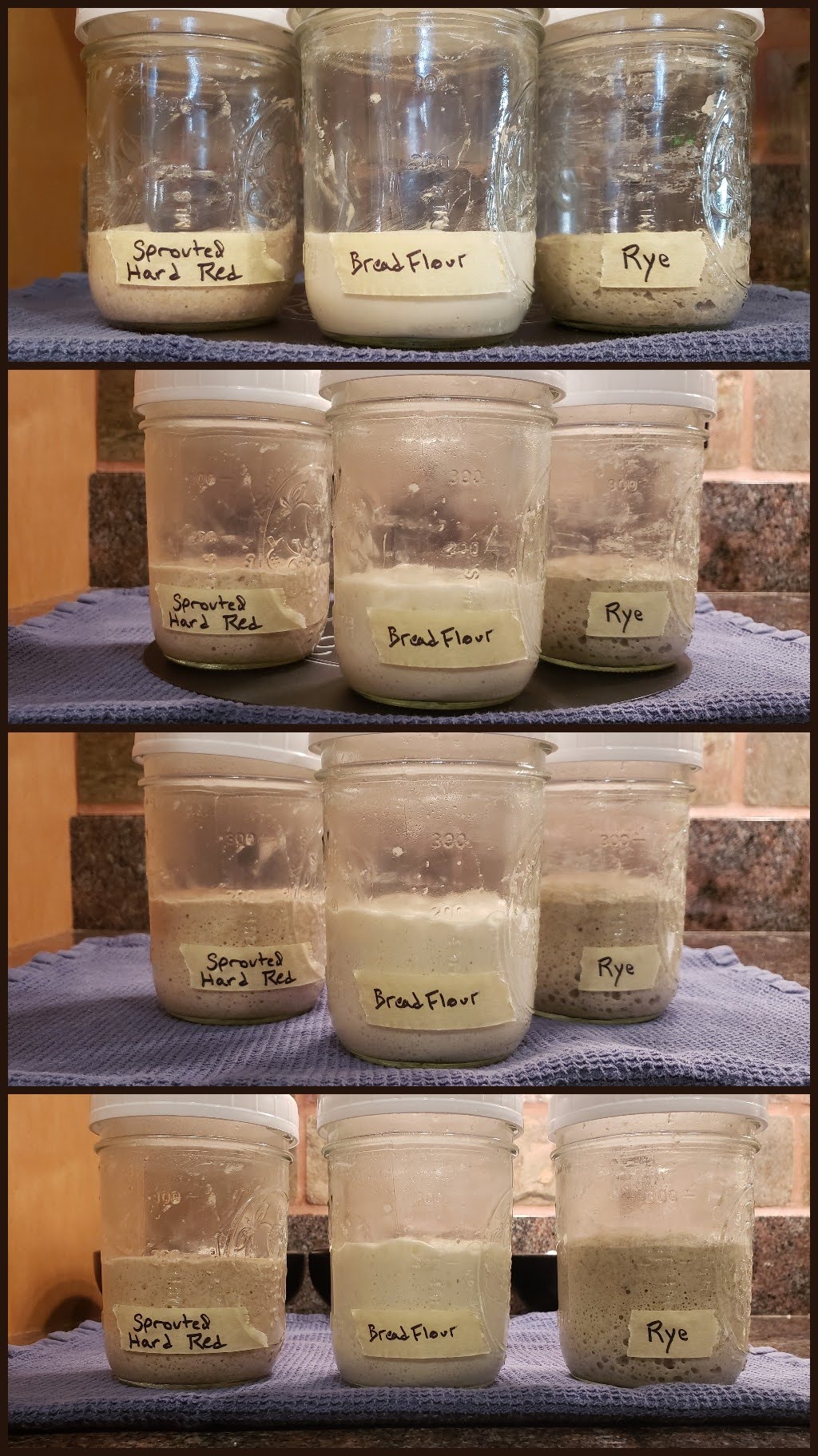
The decision of what kind of flour to use for a sourdough starter is not merely a technical one; it’s a strategic branding maneuver. The specific flours chosen can become a cornerstone of your brand’s story, a point of differentiation in a crowded marketplace, and a tangible representation of your commitment to quality and tradition. This article will delve into how the selection of flour for your sourdough starter can be leveraged to build a robust and compelling brand identity.
The Flour-Brand Connection: More Than Just Ingredients
The ingredients a brand chooses to work with are often perceived by consumers as a direct reflection of its values and its commitment to excellence. In the case of sourdough, where the starter is the heart and soul of the bread, the flour selection becomes a powerful storytelling device.
Heritage and Authenticity: Weaving a Narrative with Ancient Grains
For brands seeking to evoke a sense of history, tradition, and authenticity, the use of heritage flours in their sourdough starter can be a potent branding tool. Grains like Einkorn, Emmer, or Spelt, which have been cultivated for millennia, carry with them a rich history. Incorporating these into your starter can be marketed as a return to timeless baking practices, appealing to consumers who are increasingly drawn to products that offer a connection to the past.
- Storytelling Power: A brand can craft narratives around the ancient origins of these grains, their nutritional benefits, and the unique terroir from which they are sourced. This creates an emotional connection with the consumer, positioning the bread not just as food, but as an experience steeped in history.
- Premium Positioning: Heritage flours are often perceived as more artisanal and less common, allowing brands to justify a premium price point. This perception of exclusivity and inherent quality is a key differentiator in the market.
- Health and Wellness Angle: Many heritage grains are naturally lower in gluten or possess different gluten structures, and are often less processed than modern wheat varieties. This can be leveraged by brands targeting health-conscious consumers seeking more natural and digestible options. For example, a brand might highlight how their Einkorn starter offers a “gentler, more ancestral approach to digestion.”
Terroir and Regionality: Highlighting Local Roots and Unique Flavors
The concept of “terroir,” famously applied to wine, is increasingly relevant in the food industry. For sourdough brands, utilizing flours sourced from specific regions can create a powerful sense of place and distinctiveness. This approach allows brands to connect with local communities and appeal to consumers who appreciate locally sourced ingredients and unique regional flavors.
- Local Sourcing Narrative: A brand can emphasize its commitment to supporting local farmers and mills by using regionally grown grains. This fosters goodwill within the community and appeals to consumers who prioritize supporting local economies. Marketing materials can feature stories and images of these local sources, building trust and transparency.
- Distinctive Flavor Profiles: Different regions and soil types contribute to subtle but discernible differences in the flavor profiles of grains. A brand can highlight how its starter, fed with specific regional rye or whole wheat flour, develops a unique tasting note – perhaps a “hint of the prairie sun” or a “robust whisper of the coastal air.” This creates a signature flavor that becomes synonymous with the brand.
- Limited Edition and Seasonal Offerings: This approach also opens avenues for limited-edition or seasonal offerings. For instance, a brand could introduce a special “Harvest Rye Sourdough” using newly milled rye from a specific regional harvest, creating a sense of urgency and exclusivity.
Purity and Simplicity: The Power of Unadulterated Ingredients
In an era of increasing consumer awareness about food processing and additives, brands that emphasize purity and simplicity in their ingredients can establish a strong position. For sourdough, this often translates to a focus on minimally processed, unbleached flours.
- “Just Flour and Water” Messaging: The fundamental simplicity of a sourdough starter (flour and water) is a powerful marketing message. Brands can amplify this by selecting flours that are whole grain, stone-ground, and free from bleaching agents or unnecessary additives. This reinforces the perception of a natural, unadulterated product.
- Transparency and Trust: Communicating the type of flour used – for example, “100% stone-ground whole wheat” – builds transparency and trust with consumers. It signals that the brand is not hiding anything and is confident in the quality of its ingredients.
- Healthier Perception: Consumers often associate unbleached, whole grain flours with better nutritional value and a healthier choice. Brands can leverage this perception to appeal to consumers actively seeking healthier food options. A brand might highlight its starter’s “nourishing goodness” derived from the “uncompromised integrity of its whole grains.”
The Technical Nuances: Translating Ingredient Choice into Brand Promise
Beyond the narrative, the technical characteristics of different flours directly impact the sourdough starter’s behavior and the final bread’s attributes. These technical aspects can be translated into brand promises that resonate with different consumer segments.
Whole Wheat and Rye: The Workhorses of Character and Complexity
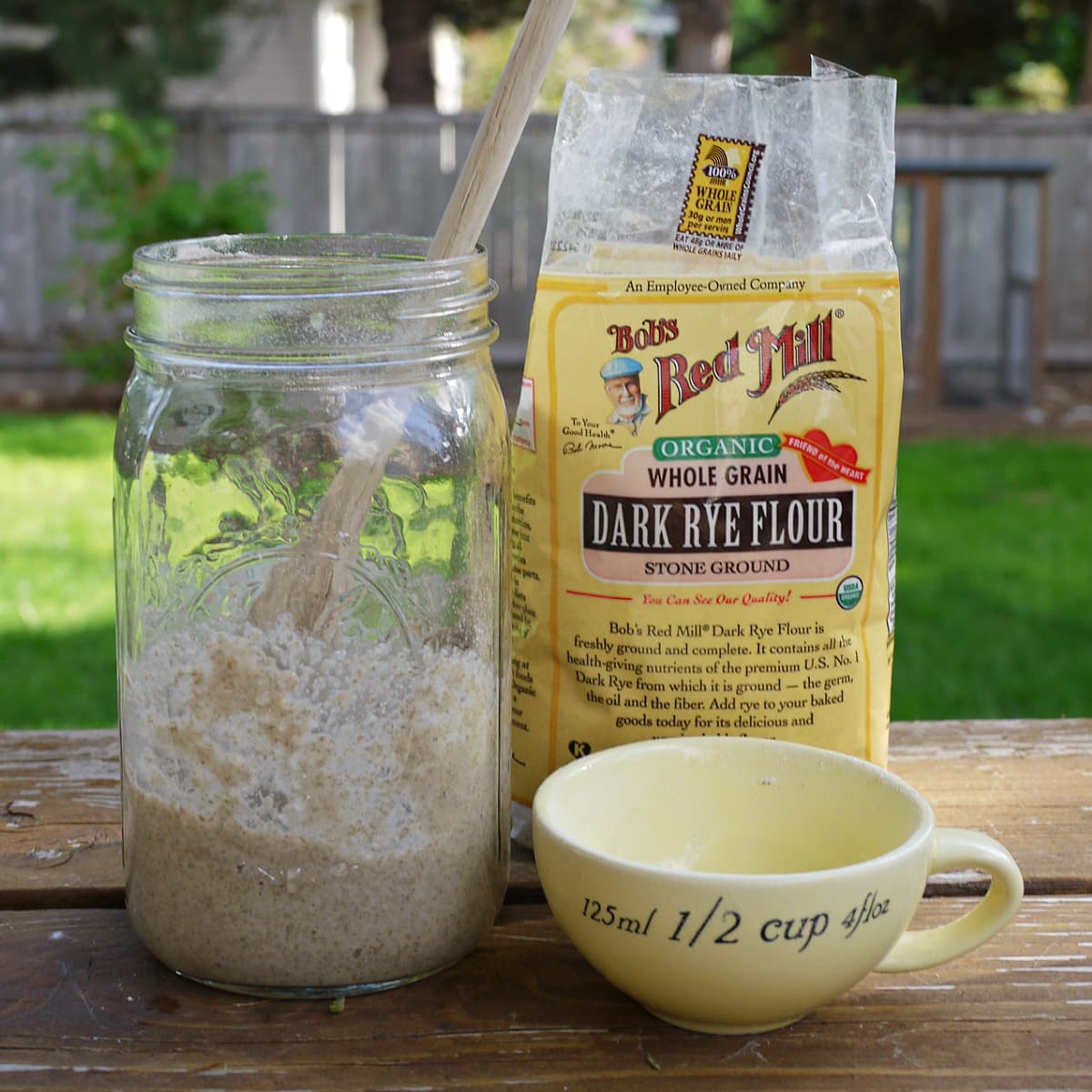
Whole wheat and rye flours are often favored for their robust flavor profiles and the beneficial microorganisms they contain, which can contribute to a vigorous starter and complex-tasting bread. For a brand, this translates to a promise of depth and character.
- Flavor and Aroma Branding: Brands can highlight the “rich,” “nutty,” or “tangy” flavor profiles that whole wheat and rye flours impart. These descriptors become part of the brand’s sensory language, guiding consumer expectations and preferences. For instance, a brand could market its “Rustic Rye Sourdough” with the promise of an “unmistakably bold and earthy aroma.”
- Starter Activity and Reliability: Whole grains, particularly rye, are often rich in the types of sugars and proteins that feed yeast and bacteria effectively. This can lead to a more active and reliable starter, which translates to a brand promise of consistency and dependable quality. Customers can be assured of a consistently well-risen loaf.
- Texture and Crumb Development: The bran and germ in whole grains contribute to a denser, chewier crumb. Brands catering to consumers who prefer this texture can emphasize the “hearty” or “satisfyingly chewy” nature of their sourdough, directly attributable to the whole grain content of the starter.
White Flours: The Foundation for Versatility and Refinement
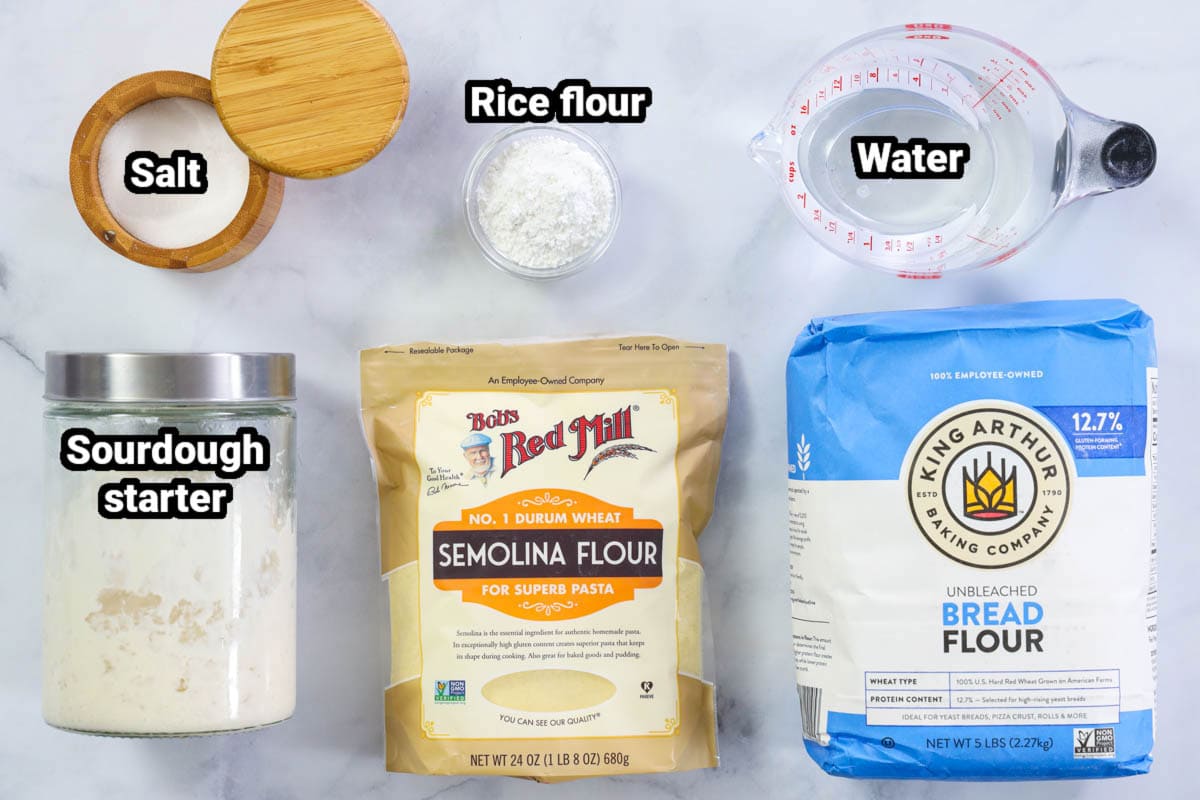
While often seen as less “artisanal” than whole grains, high-quality white flours, such as unbleached bread flour or specific artisanal milled white flours, offer a different set of advantages that can be leveraged for brand differentiation.
- Consistency and Predictability: White flours, with their lower bran and germ content, tend to be more consistent in their protein content and behavior. This allows brands to promise a high degree of predictability in their sourdough’s rise, crumb structure, and overall texture. This is crucial for brands focused on reliability and a universally pleasing product.
- Lighter Crumb and Delicate Flavor: For brands aiming to appeal to a wider audience, including those who might find whole grain sourdough too intense, white flour starters can be marketed for their ability to produce a lighter, more airy crumb and a subtler, sweeter tang. The brand promise here is one of “approachable elegance” or “delicate perfection.”
- Customization and Artisan Milling: Even within white flours, there’s room for specialization. Brands can differentiate by using specific types of unbleached white flour, such as those milled from specific wheat varieties (e.g., French T55) or those with particular protein levels. This allows for a narrative of “curated ingredients” and a focus on the nuances of flour milling. A brand might highlight its use of a “bespoke blend of finely milled French T65 for a superior crumb.”
Communicating Your Flour Story: Marketing and Brand Narrative
The ultimate success of using specific flours for your sourdough starter hinges on your ability to effectively communicate this choice to your target audience. This involves strategic marketing and weaving a compelling brand narrative.
Labeling and Packaging: The First Impression
The ingredients list and packaging are the primary touchpoints where consumers learn about your product’s composition. This is where you can begin to tell your flour story.
- Specific Ingredient Call-outs: Instead of just “flour,” be specific: “100% Organic Stone-Ground Rye Flour,” “Unbleached Heritage Einkorn,” or “Artisanally Milled Bread Flour.” This immediately signals quality and intentionality.
- Visual Storytelling: Packaging design can incorporate imagery or subtle references to the origin of the flours. This could be stylized illustrations of wheat fields, patterns inspired by traditional milling techniques, or even a small map indicating the sourcing region.
- Brand Taglines and Descriptions: Use taglines or short descriptive phrases that highlight your flour choices. Examples include: “Crafted with Ancestral Grains,” “Taste the Terroir,” or “Simply Pure Ingredients.”
Content Marketing and Brand Education: Deepening the Connection
Go beyond the label to educate your customers about why your flour choice matters. This builds trust, fosters loyalty, and positions your brand as knowledgeable and passionate.
- Blog Posts and Articles: Write content that delves into the benefits of different flours, the history of sourdough, or the sourcing practices of your chosen mills. This establishes your brand as an authority.
- Social Media Campaigns: Share visually appealing content showcasing the flours, the starter’s development, and the final product. Use hashtags related to artisanal baking, ingredient sourcing, and heritage grains. Run polls or Q&A sessions about flour preferences.
- “Meet the Miller” or “Farm to Loaf” Features: If possible, profile the mills or farms that supply your flours. This humanizes your supply chain and reinforces your commitment to quality and transparency.
- Workshops and Tasting Events: For brands with a physical presence, offer workshops or tasting events where you can discuss ingredient choices and the impact on flavor. This provides a direct, engaging experience for your customers.
Customer Segmentation and Targeted Messaging: Reaching the Right Audience
Different consumers are motivated by different aspects of ingredient choices. Tailoring your messaging to specific segments can be highly effective.
- Health-Conscious Consumers: Emphasize the nutritional benefits of whole grains, the digestibility of heritage flours, and the absence of additives when using pure, unbleached options.
- Foodies and Gourmands: Focus on the unique flavor profiles, the artisanal milling processes, and the specific terroir of your chosen flours, highlighting the nuances that contribute to a superior culinary experience.
- Ethical and Sustainable Shoppers: Highlight local sourcing, organic certifications, and support for traditional farming practices.
In conclusion, the seemingly simple act of choosing a flour for your sourdough starter is a profound branding decision. It’s an opportunity to imbue your product with a rich narrative, differentiate your brand in a competitive market, and forge a deeper connection with your customers. By understanding the technical nuances of different flours and strategically communicating their story, you can transform your sourdough starter from a mere ingredient into the very foundation of a compelling and enduring brand.
aViewFromTheCave is a participant in the Amazon Services LLC Associates Program, an affiliate advertising program designed to provide a means for sites to earn advertising fees by advertising and linking to Amazon.com. Amazon, the Amazon logo, AmazonSupply, and the AmazonSupply logo are trademarks of Amazon.com, Inc. or its affiliates. As an Amazon Associate we earn affiliate commissions from qualifying purchases.