
Carpenter ants, despite their seemingly innocuous presence in nature, can pose significant structural threats to homes and businesses. Their habit of excavating galleries within wooden structures for nesting purposes can lead to extensive damage over time. Understanding what effectively “kills” these persistent pests, from immediate extermination to long-term prevention, is crucial for safeguarding property. This exploration delves into the multifaceted approach required to tackle carpenter ant infestations, focusing on practical and scientifically-backed methods.
Understanding the Carpenter Ant Lifecycle and Behavior
Before discussing eradication, a fundamental understanding of carpenter ant biology and behavior is paramount. This knowledge informs the most effective strategies for their demise and prevention.
Nests and Colony Structure
Carpenter ants are social insects, living in colonies that can be quite extensive. A single colony typically consists of a reproductive queen, winged reproductives (alates), and a large workforce of sterile female workers of varying sizes (minors, medians, and majors). While the primary nest, containing the queen and developing brood, is often found in moist or decaying wood, satellite nests can be established in drier, sound wood further away to house foraging workers. Identifying the location of the primary nest is key to complete eradication, as simply eliminating foraging workers will not solve the underlying infestation. They prefer excavating galleries in both softwoods and hardwoods, though they do not eat the wood; rather, they excavate it to create space for their nests.
Foraging Habits and Diet
Carpenter ants are omnivores, with their diet consisting of honeydew (a sugary excretion from aphids and other sap-sucking insects), other insects (both live and dead), and various food scraps found in human dwellings. Their foraging patterns are often nocturnal, and they leave scent trails to guide other workers to food sources and back to the nest. This behavior is critical for pest control professionals to identify entry points and foraging routes, which can then be targeted with appropriate treatments. Understanding their dietary preferences can also inform preventative measures, such as maintaining a clean environment free from accessible food sources.
Environmental Factors Influencing Activity
Moisture is a significant attractant and enabler for carpenter ant colonies. Areas with high humidity, water leaks, or poor ventilation, such as leaky roofs, plumbing issues, and poorly maintained gutters, provide ideal conditions for nest establishment. Conversely, extremely dry conditions can deter them, but they are remarkably adaptable. Understanding these environmental triggers helps in identifying vulnerable areas around a property and implementing corrective actions to make these areas less hospitable to carpenter ants.
Chemical Eradication Methods: Targeted Approaches to Colony Elimination
Chemical treatments remain a cornerstone of carpenter ant control, offering direct and often rapid results. However, their application requires careful consideration to ensure efficacy and minimize environmental impact.
Contact Insecticides and Barrier Treatments
Contact insecticides are designed to kill ants on direct contact. These can be applied as sprays or dusts to areas where ants are seen foraging or traversing. Barrier treatments involve applying insecticides around the perimeter of a building or in specific entry points to create a zone that ants will not cross. These methods are effective for immediate knockdown of visible ant populations. However, their limitations lie in their inability to reach the queen and the core of the colony if it is hidden within the structure. Residual insecticides, which remain active for a period after application, can be more effective for sustained control.
Baits: Luring Ants to Their Demise
Ant baits are a highly effective and targeted method for eradicating entire colonies. These baits consist of an attractive food source mixed with a slow-acting insecticide. Worker ants consume the bait and carry it back to the nest, where they share it with other ants, including the queen and larvae. This “domino effect” leads to the eventual demise of the entire colony. The key to successful baiting lies in understanding carpenter ant foraging preferences and selecting baits that are appealing to them. Placement is also critical, with baits needing to be strategically positioned along foraging trails and near suspected nest sites.
Residual Treatments and Nest Injection
For established colonies, residual treatments applied to known nesting areas can be highly effective. This often involves injecting insecticidal formulations directly into galleries or voids where ants are nesting. This direct application ensures the insecticide reaches the heart of the colony. Professional pest control operators often use specialized equipment for this purpose, ensuring thorough coverage. When using residual treatments, it’s important to select products with appropriate efficacy against carpenter ants and to follow all label instructions carefully to ensure safety and effectiveness.

Non-Chemical and Integrated Pest Management (IPM) Strategies
While chemical solutions are potent, a comprehensive approach often incorporates non-chemical methods and Integrated Pest Management (IPM) principles for sustainable and environmentally conscious control.
Habitat Modification and Exclusion
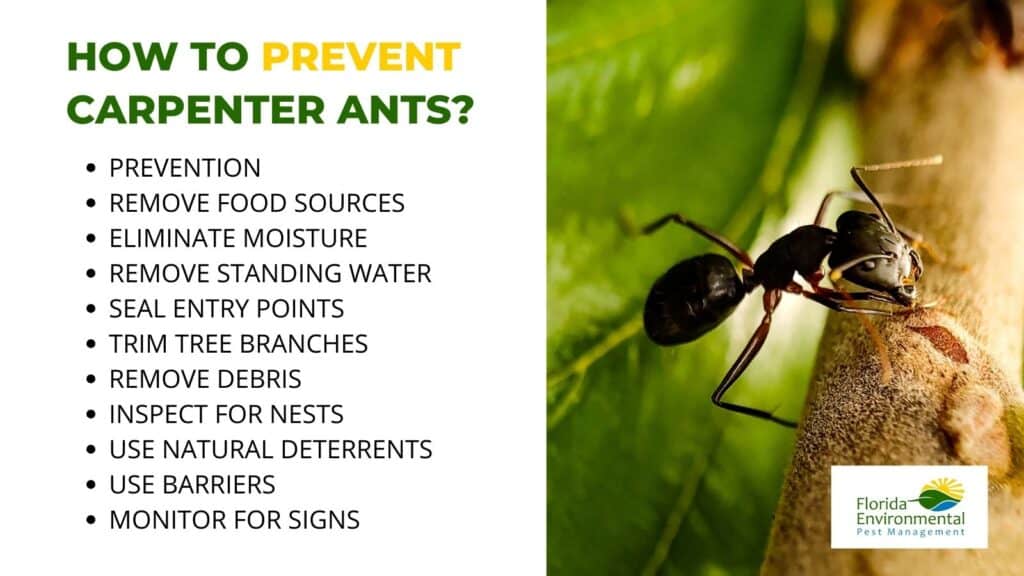
Preventing carpenter ants from establishing themselves in the first place is the most effective long-term strategy. This involves modifying the environment to make it less attractive and accessible. Key steps include:
- Moisture Control: Addressing any sources of excess moisture is paramount. This includes fixing leaky pipes, repairing damaged roofs, ensuring proper ventilation in attics and crawl spaces, and trimming trees and shrubs away from the house to allow for better air circulation and sunlight.
- Wood Management: Removing decaying wood, such as old stumps, firewood piles, or wooden debris close to the house, significantly reduces potential nesting sites. Ensuring that wooden structures are properly sealed and maintained can also deter ants.
- Exclusion: Sealing cracks and crevices in the foundation, walls, and around utility entry points can prevent ants from gaining access to the interior of the structure. Replacing damaged or rotten wood is also crucial.
Biological Control and Natural Deterrents
While less common for carpenter ant eradication compared to chemical methods, certain biological and natural approaches can play a supporting role or be used in conjunction with other strategies.
- Beneficial Nematodes: These microscopic roundworms can be used to parasitize ant larvae and pupae in the soil, potentially impacting outdoor ant populations and reducing the number of ants that might forage near a structure.
- Natural Repellents: While their efficacy is often debated and generally less potent than chemical treatments, some natural substances like essential oils (e.g., peppermint, tea tree oil) or vinegar are sometimes used as deterrents. These might temporarily disrupt scent trails or repel foraging ants from small areas but are unlikely to eliminate an entire colony. Their primary value often lies in localized, minor deterrents or as part of a broader, multi-pronged approach.
Monitoring and Prevention Protocols
A robust IPM program includes ongoing monitoring and proactive prevention. This means regularly inspecting the property for signs of carpenter ant activity, such as sawdust-like frass (droppings) found near wooden structures or the presence of ants themselves. Implementing regular maintenance schedules for gutters, drainage, and landscaping helps to preemptively address conditions that attract ants. Educating homeowners and occupants about common ant signs and preventative practices also plays a vital role in early detection and intervention.
The Importance of Professional Intervention
While some DIY methods can address minor ant issues, severe or persistent carpenter ant infestations often necessitate professional pest control services.
Expertise in Identification and Treatment
Pest control professionals possess the knowledge and experience to accurately identify carpenter ant species, which can sometimes be confused with other ant types or termites. This accurate identification is crucial as different species may require slightly different treatment approaches. They also have access to a wider range of professional-grade insecticides and application equipment that are not available to the general public.
Advanced Application Techniques
Professionals are trained in the safe and effective application of pesticides. They understand how to target specific areas, such as the main nest or satellite nests, for maximum impact while minimizing exposure to non-target organisms and humans. Techniques like precise drilling and injection into voids, or the strategic placement of advanced baiting systems, are often part of their arsenal.

Long-Term Solutions and Guarantees
Reputable pest control companies offer comprehensive eradication programs that go beyond immediate extermination. They focus on long-term prevention strategies, often providing guarantees on their services. This ensures that the problem is not just temporarily suppressed but effectively managed, providing peace of mind to homeowners and business owners. Their understanding of carpenter ant biology allows them to develop customized treatment plans tailored to the specific infestation and property.
In conclusion, effectively “killing” carpenter ants involves a strategic combination of understanding their biology, employing targeted chemical treatments, and integrating non-chemical preventative measures. Whether tackling a visible trail of workers or addressing a hidden colony, a multifaceted approach, often best executed with the expertise of pest control professionals, is the most reliable path to eradicating these destructive pests and protecting valuable property.
aViewFromTheCave is a participant in the Amazon Services LLC Associates Program, an affiliate advertising program designed to provide a means for sites to earn advertising fees by advertising and linking to Amazon.com. Amazon, the Amazon logo, AmazonSupply, and the AmazonSupply logo are trademarks of Amazon.com, Inc. or its affiliates. As an Amazon Associate we earn affiliate commissions from qualifying purchases.