
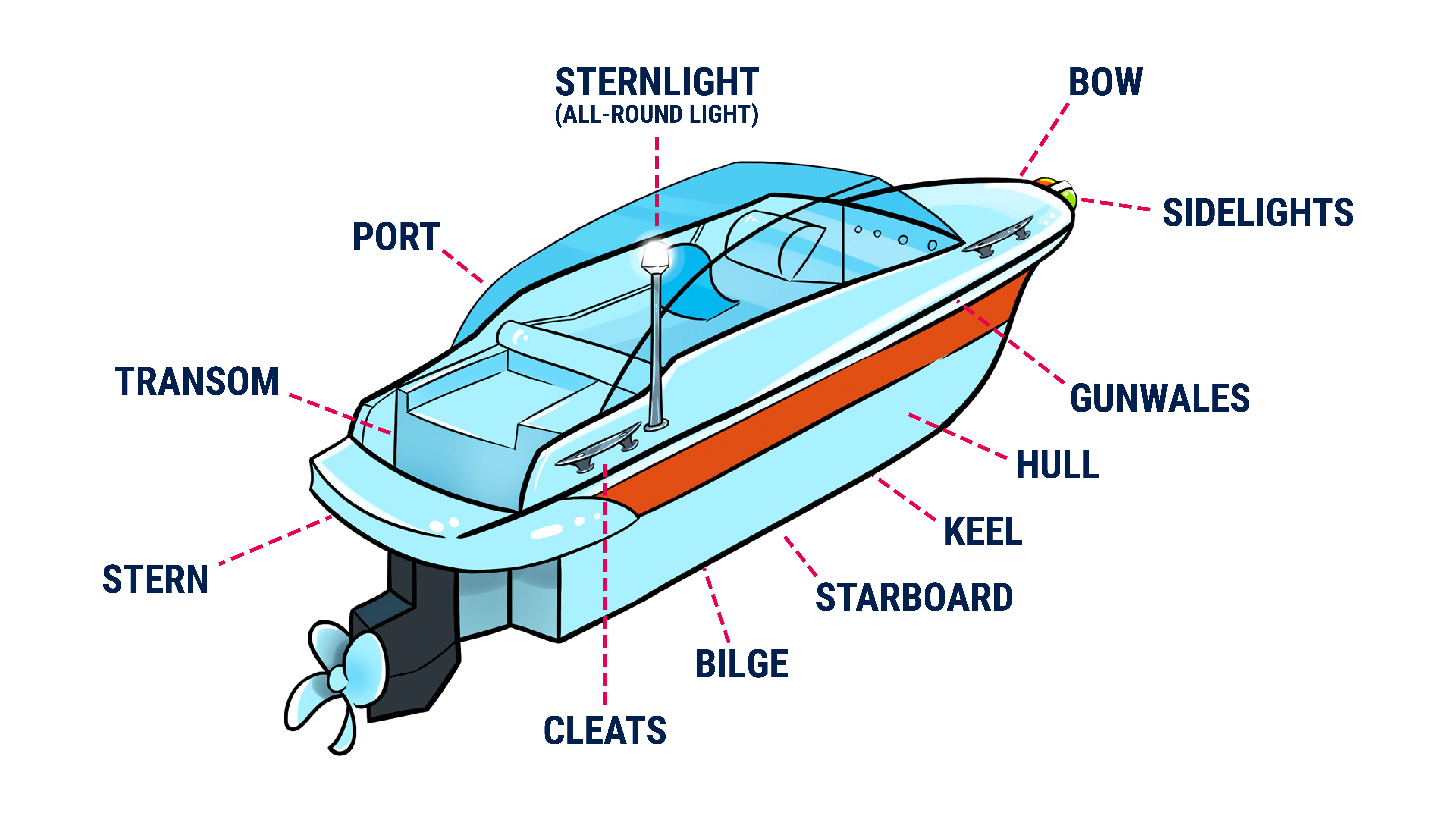
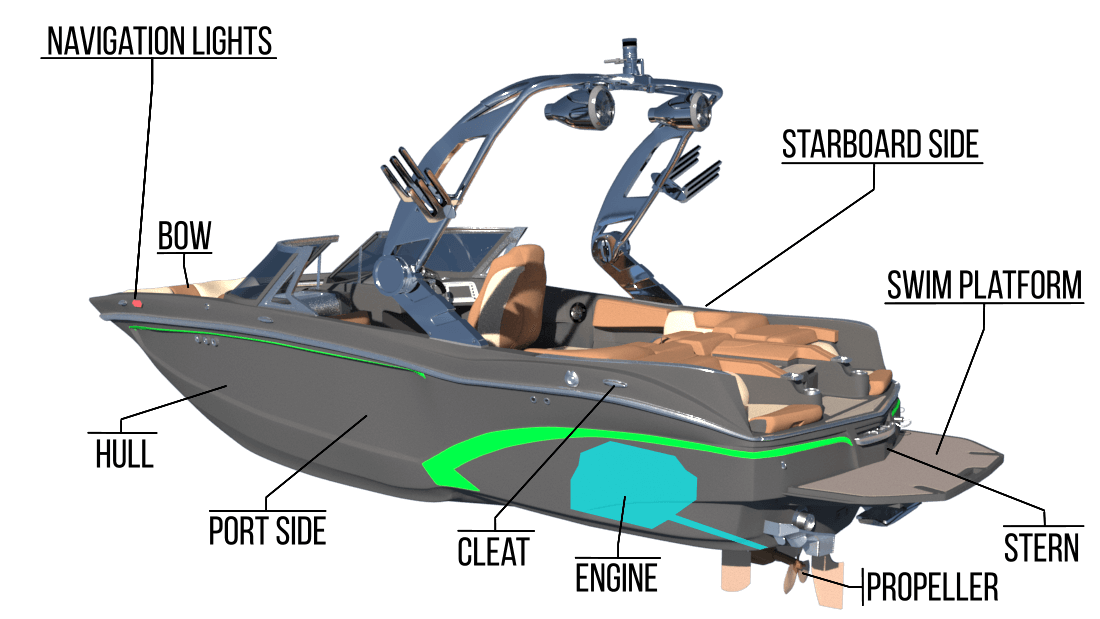
In the lexicon of maritime navigation, the stern is simply defined as the backmost part of a ship or boat. However, through the lens of modern marine technology, the stern is far more than a physical boundary. It is the technological nerve center of the vessel—the site where propulsion, steering, hydrodynamic efficiency, and digital sensing converge. Understanding the stern in the 21st century requires an exploration of complex engineering and integrated software systems that allow a vessel to move with precision, speed, and safety.
From the mechanical evolution of the transom to the integration of AI-driven docking systems, the stern represents the most critical area for marine innovation. As we transition toward smarter, more sustainable vessels, the technology housed at the aft of the boat is undergoing a radical transformation.
The Engineering of the Stern: Propulsion and Power Systems
The primary function of the stern is to house the systems that drive the vessel forward. While historical ships relied on wind and sails, modern boats utilize sophisticated mechanical assemblies that convert energy into thrust with remarkable efficiency.
Outboard vs. Inboard Technological Architectures
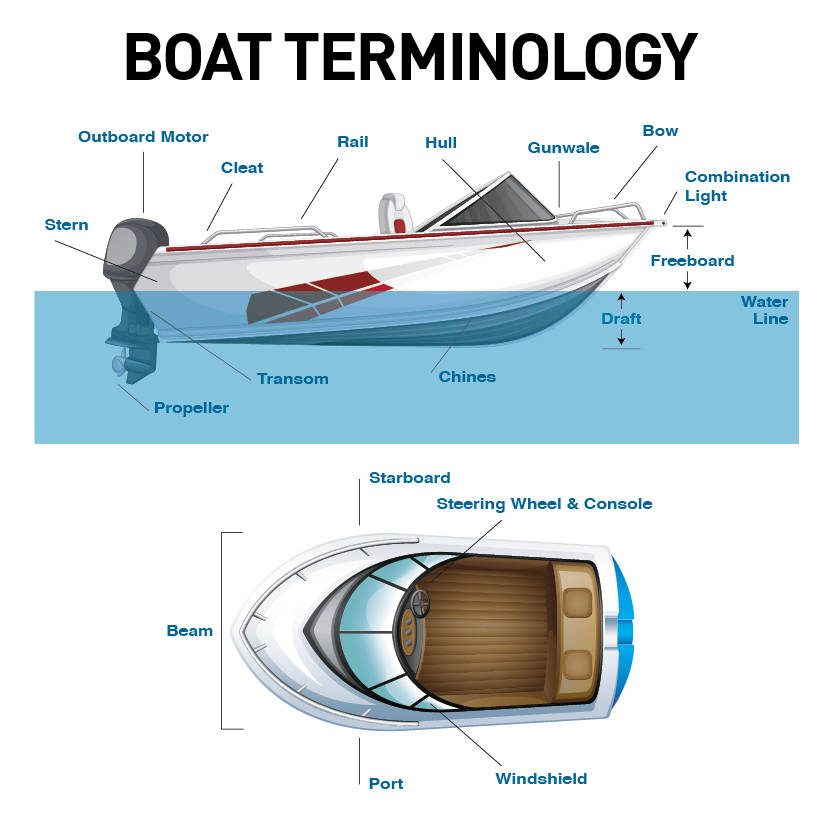
The distinction between outboard and inboard technology is central to stern design. Outboard motors are self-contained units that include the engine, gearbox, and propeller, mounted directly onto the transom (the flat surface of the stern). Modern outboard tech has seen a massive shift toward high-horsepower, multi-engine configurations managed by digital “steer-by-wire” systems.
In contrast, inboard systems place the engine inside the hull, with only the drive shaft and propeller extending through the stern. The tech here focuses on weight distribution and vibration dampening. The choice between these two architectures dictates the boat’s center of gravity and its overall performance profile, particularly in how it handles rough seas.
Pod Drives and Vectored Thrust
One of the most significant leaps in maritime technology over the last two decades is the development of Pod Drives, such as the Volvo Penta IPS or Cummins Zeus systems. These units are mounted through the bottom of the hull near the stern and can rotate 360 degrees.
Unlike traditional fixed shafts, pod drives use vectored thrust to steer the boat. This technology allows for unparalleled maneuverability, enabling large yachts to move sideways or rotate on their own axis. The software integration in these systems calculates the optimal angle for each pod, compensating for wind and current in real-time.
Hydrodynamics and Stern Design Technology
The way a boat moves through the water is dictated by the shape of its stern. Marine architects use Computational Fluid Dynamics (CFD) software to model how water leaves the hull. A poorly designed stern creates “drag,” while a technologically optimized one ensures a clean release of water, maximizing fuel efficiency.
Transom Shapes and Water Flow Optimization
The design of the transom—the vertical section at the stern—is a product of intense fluid dynamic research. On powerboats, a “planing hull” requires a sharp, flat transom to break the water’s surface tension, allowing the boat to rise above the water and reach higher speeds.
In displacement hulls, such as those found on trawlers or large ships, the stern is often rounded or tapered (a cruiser stern or canoe stern) to allow water to close back in behind the boat smoothly. This reduces the vacuum effect that pulls back on the vessel, a concept known as “form drag.” Modern naval architecture uses automated design tools to find the “sweet spot” between these two extremes, depending on the vessel’s intended use.
Trim Tabs and Interceptor Systems
To further refine the boat’s attitude in the water, the stern is often equipped with trim tabs or interceptors. These are electro-hydraulic plates mounted at the bottom of the transom.
Traditional trim tabs work by creating lift at the stern, which pushes the bow down to improve visibility and fuel economy. However, the latest “interceptor” technology uses vertical blades that deploy just millimeters into the water flow. Controlled by high-speed processors and gyroscopes, these systems can react in milliseconds to counteract roll and pitch, providing a “flight control” system for the water that significantly enhances passenger comfort.
The Digital Stern: Sensors and Automated Navigation
In the era of the “Smart Boat,” the stern serves as the primary mounting point for a suite of digital sensors that act as the vessel’s eyes and ears below the waterline. This integration of Internet of Things (IoT) technology has revolutionized how we interact with the marine environment.
Advanced Sonar and Transducer Technology
The stern is the typical home for transducers—devices that convert electrical energy into sound waves to map the bottom and locate fish. Modern CHIRP (Compressed High-Intensity Radiated Pulse) sonar technology represents a massive leap over traditional “ping” sonar. By sending a continuous range of frequencies, these transducers provide high-resolution, photographic-quality imagery of what lies beneath and behind the boat.
Furthermore, SideScan and DownScan imaging technologies allow operators to see detailed 3D renderings of underwater structures. This data is fed into a Central Processing Unit (CPU) at the helm, where it is overlaid on GPS charts to provide a comprehensive situational awareness map.
Dynamic Positioning and Autonomous Docking
Perhaps the most impressive tech found at the stern today is the integration of GPS-linked propulsion, known as Dynamic Positioning (DP). By utilizing the stern’s propulsion systems in conjunction with satellite data, a boat can maintain its exact coordinates and heading regardless of wind or current.
This technology has paved the way for autonomous docking. Using a combination of ultrasonic sensors located around the stern and cameras with machine-learning algorithms, modern boats can now “self-park.” The system calculates the distance to the dock and automatically modulates the stern’s thrusters to guide the vessel into a slip with centimeter-level precision, removing the high-stress manual labor historically associated with docking.
Materials Science in Modern Stern Construction
The physical integrity of the stern is under constant stress from the weight of engines and the force of the water. Therefore, the stern is often where the most advanced materials science is applied in boat building.
Composite Materials and Structural Integrity
Gone are the days when sterns were simply reinforced wood and fiberglass. Today’s high-performance vessels utilize vacuum-infused carbon fiber and Kevlar reinforcements. These materials provide an incredible strength-to-weight ratio, which is essential for the stern to support the massive torque generated by modern 600-horsepower outboard engines.
The use of “closed-molding” technology ensures that the resin is distributed perfectly through the composite stack, eliminating air bubbles and potential failure points. This technological precision ensures that the stern can withstand the rhythmic “pounding” of offshore navigation without developing structural fatigue.
Sound Dampening and Vibration Control
As marine engines become more powerful, the challenge of managing noise, vibration, and harshness (NVH) at the stern becomes more acute. Engineers now utilize specialized elastomeric mounts and acoustic dampening coatings within the stern’s internal compartments. By using laser vibrometers during the testing phase, manufacturers can identify and neutralize harmonic frequencies, leading to a quieter, more refined experience for those on board.
The Future of Maritime Tech at the Stern
The next decade will see the stern undergo its most significant change since the invention of the internal combustion engine. The push for “Green Tech” and “Full Autonomy” is centered squarely at the back of the boat.
Electric Propulsion Integration
The transition to electric propulsion is fundamentally changing stern architecture. Electric motors are more compact and provide 100% of their torque instantly. This allows for new stern designs that prioritize battery storage and solar integration. Companies like Torqeedo and Candela are leading the way with electric hydrofoil technology, where the “stern” effectively lifts out of the water, reducing drag by 80% and relying on computer-stabilized flight controllers.
AI-Driven Fuel Optimization and Telematics
Finally, the future of the stern lies in data. Modern stern systems are increasingly equipped with telematics that stream engine performance and hydrodynamic data to the cloud. AI algorithms analyze this data to suggest real-time adjustments to trim, speed, and weight distribution to minimize the carbon footprint.
In conclusion, the stern of a boat is no longer just a physical location; it is a sophisticated platform for the latest in mechanical engineering, digital sensing, and material science. Whether it is through the precision of a pod drive or the clarity of a CHIRP transducer, the technology at the stern is what defines the modern maritime experience, pushing the boundaries of what is possible on the water.
aViewFromTheCave is a participant in the Amazon Services LLC Associates Program, an affiliate advertising program designed to provide a means for sites to earn advertising fees by advertising and linking to Amazon.com. Amazon, the Amazon logo, AmazonSupply, and the AmazonSupply logo are trademarks of Amazon.com, Inc. or its affiliates. As an Amazon Associate we earn affiliate commissions from qualifying purchases.