
The question of how much one should be paid for working on a holiday is one of the most common inquiries in the realm of personal finance and employment law. For many employees, a holiday represents a well-deserved break; for others, it is an opportunity to earn a premium wage. However, the reality of holiday pay rates is often more complex than a simple “time and a half” calculation. Understanding the nuances of holiday compensation is essential for budgeting, financial planning, and ensuring that you are being compensated fairly for your labor.
In this guide, we will explore the legal frameworks governing holiday pay, the industry standards for various sectors, and the financial strategies you can use to maximize your earnings during the holiday season.
Understanding the Fundamentals of Holiday Pay Rates
When people ask about the “holiday pay rate,” they are usually referring to “premium pay”—the practice of paying employees a higher hourly rate for working on days that are traditionally considered holidays. While the concept seems straightforward, the actual rate can vary significantly based on your location, your contract, and your employer’s internal policies.
The Difference Between Federal and State Requirements
In the United States, one of the most surprising facts for many workers is that the Fair Labor Standards Act (FLSA) does not require employers to pay extra for holiday work. Under federal law, a holiday is just another business day. Unless your employment contract or a collective bargaining agreement specifies otherwise, an employer is only required to pay the standard minimum wage or your agreed-upon hourly rate.
However, state laws can differ. While most states follow federal guidelines, some have specific statutes regarding Sunday or holiday work, particularly in the retail sector. For example, some states have historically required “premium pay” for certain holidays, though many of these “Blue Laws” have been phased out over time. It is crucial to check your specific state’s Department of Labor website to see if any local mandates apply to your situation.
“Time and a Half” vs. Double Time: Decoding the Math
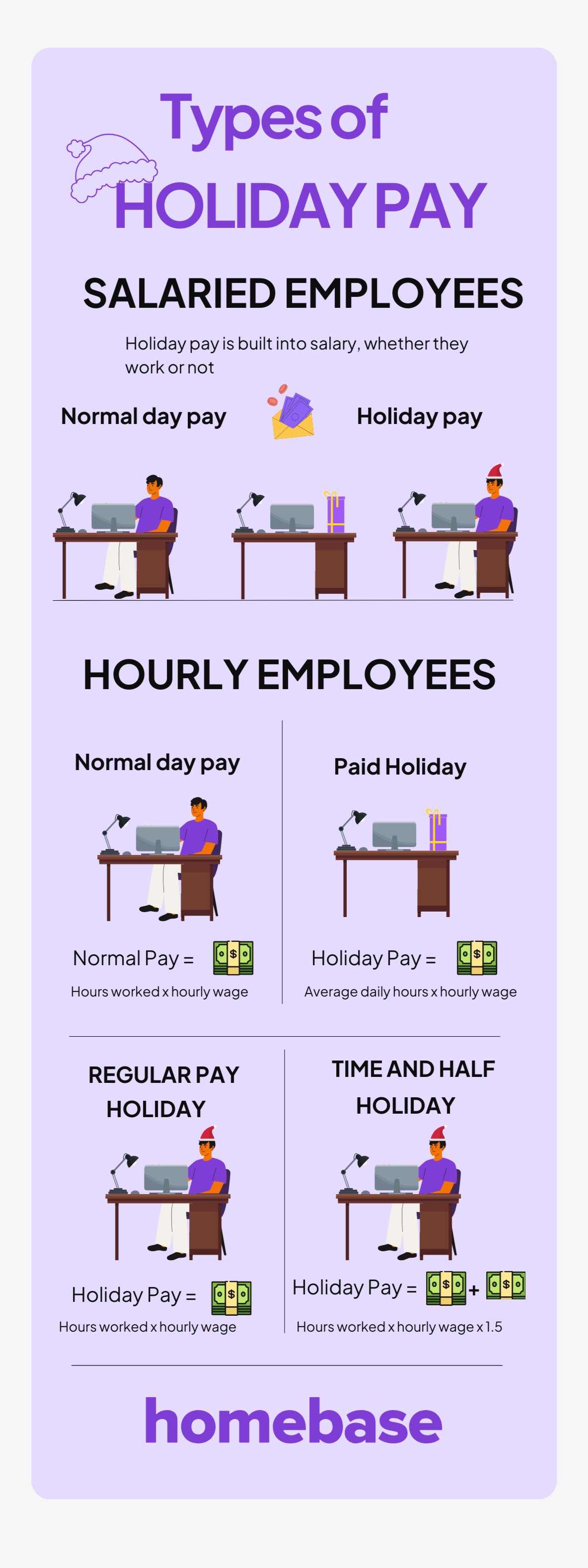
In the absence of a legal mandate, many employers offer holiday pay as a benefit to attract and retain talent. The most common rate is “time and a half.” This means that for every hour worked on the holiday, you earn your base hourly rate plus an additional 50% of that rate.
For instance, if your standard rate is $20 per hour, your holiday rate at “time and a half” would be $30 per hour ($20 + $10). Some companies, particularly those in high-demand or hazardous industries, may offer “double time,” which would bring that $20 rate up to $40 per hour. Understanding which multiplier your company uses is the first step in calculating your potential holiday earnings.
Fair Labor Standards Act (FLSA) and Employer Obligations
To navigate the financial aspects of holiday work, one must understand the regulatory environment. The FLSA sets the floor for labor standards, but it leaves much of the holiday compensation structure to the discretion of the private sector.
Exempt vs. Non-Exempt Employees
The impact of holiday pay varies drastically depending on your classification as an employee. “Non-exempt” employees—those entitled to overtime pay—are the ones who typically benefit from holiday premiums. If a non-exempt employee works on a holiday, they are paid for the hours worked. If they work more than 40 hours in that workweek (including the holiday), the overtime rules apply independently of any “holiday” bonus the employer might offer.
On the other hand, “exempt” employees (often salaried professionals) are generally paid their full weekly salary regardless of whether they work on a holiday or if the office is closed. For these workers, “holiday pay” isn’t an increased hourly rate but rather the benefit of receiving a full day’s pay for a day they did not work.
Why Private Employers Aren’t Always Required to Pay Extra
It is a common financial misconception that working on Christmas, New Year’s Day, or Thanksgiving automatically triggers a higher pay rate. From a business finance perspective, employers view holiday pay as a “fringe benefit.” While it costs the company more in payroll taxes and overhead, it is often seen as a necessary expense to maintain morale or to ensure the business stays staffed during peak consumer periods. If you are a freelancer or an independent contractor, these rules do not apply to you at all; your “holiday rate” is entirely dependent on what you negotiate in your service agreement.
Navigating Holiday Pay in Different Employment Sectors
The “going rate” for holiday work is largely dictated by the industry in which you operate. Understanding these trends can help you make informed decisions about taking on extra shifts or seeking employment in specific fields.
Retail and Hospitality: The Industry Standards
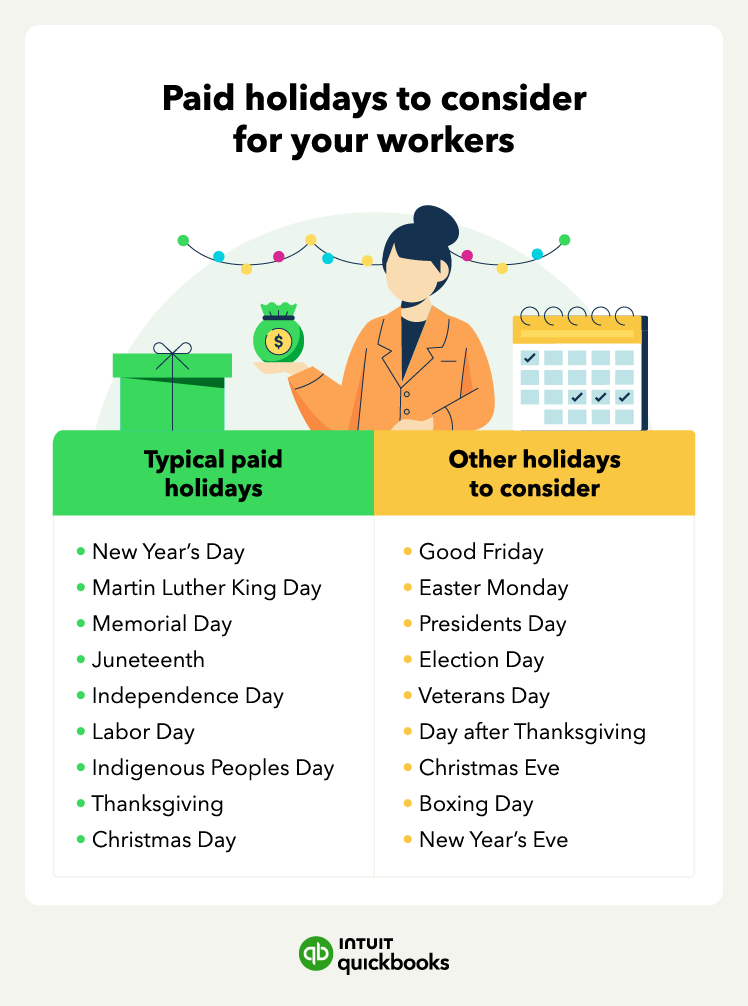
Retail and hospitality are the most active sectors during holidays. Because consumer demand spikes during these times, businesses are often willing to pay a premium to ensure they have enough staff. In many large retail chains, “time and a half” is standard for major holidays like Thanksgiving or Christmas.
However, some smaller businesses may not offer any premium pay, relying instead on the employee’s regular wage. If you are working in these sectors, it is vital to review the employee handbook at the start of the season. From a personal finance perspective, a retail worker who strategically picks up holiday shifts can see a 10% to 15% boost in their monthly income during November and December.
Corporate and Gig Economy Trends
In the corporate world, the standard is usually “paid time off” (PTO) rather than a higher pay rate for working. Most corporate offices close on federal holidays, and employees receive their regular daily rate while staying home. If a corporate employee is required to work, they might be offered a “floating holiday”—a day off at a later date to compensate for the holiday worked—rather than additional cash compensation.
The gig economy (Uber, DoorDash, TaskRabbit) operates on a completely different financial model. There is no “base holiday rate.” Instead, gig workers rely on “surge pricing” or “peak pay.” During holidays, the demand for rides or deliveries often outstrips the supply of workers, leading the platform’s algorithm to increase the rates. For a gig worker, the “holiday pay rate” is effectively determined by market demand and customer tips.
How to Calculate Your Holiday Earnings
To accurately budget your income, you need to know exactly how your holiday pay is calculated. Payroll errors are more common during holiday periods due to the complexity of varying rates and overtime.
Factoring in Overtime and Shift Differentials
A common point of confusion is how holiday pay interacts with overtime. Under the FLSA, an employer does not have to count “unworked” holiday hours toward the 40-hour overtime threshold. For example, if you are paid for 8 hours on a Monday holiday but don’t actually work, those 8 hours don’t count toward the 40 hours you need to work before “time and a half” overtime kicks in.
However, if you do work the holiday, and your employer pays you a premium rate (like time and a half), that extra pay can sometimes be “credited” against any overtime pay you are owed for the week, depending on the specific language of your contract. Furthermore, some companies offer a “shift differential”—an extra $1 or $2 per hour for working nights or weekends—which should be added to your base rate before the holiday multiplier is applied.
Common Pitfalls in Payroll Calculations
When reviewing your pay stub after a holiday, look for “Holiday Worked” vs. “Holiday Paid” categories. “Holiday Paid” refers to the hours given to you for free because the business was closed. “Holiday Worked” should reflect the premium rate. If your pay stub only shows your regular rate for a holiday you worked, you should immediately consult with your HR or payroll department. From a business finance standpoint, accurate tracking of these hours is essential for tax compliance and labor cost management.
Maximizing Your Income and Financial Planning Around Holidays
Working on a holiday is a sacrifice of time and social connection. To make that sacrifice worthwhile, you should view your holiday pay as a strategic tool for your personal finances.
Negotiating Holiday Pay in Your Employment Contract
If you are entering a new role, especially in a management or specialized position, holiday pay is a negotiable line item. You can ask for a guaranteed premium rate for any holiday worked or, conversely, a guaranteed number of paid holidays off. For freelancers and consultants, it is standard practice to include a “holiday multiplier” in contracts. For example, you might state that any work requested with a deadline falling on a federal holiday will incur a 50% surcharge. This not only protects your time but ensures your business finance goals stay on track.
Budgeting for Irregular Paychecks
Because holiday pay is often a one-time or seasonal boost, it is easy to fall into the trap of “lifestyle creep”—spending the extra money as soon as it arrives. A more effective financial strategy is to treat holiday premiums as “bonus income.”
Use this extra capital to fund specific financial goals:
- Emergency Fund: Use the holiday “time and a half” to bolster your 3-6 month savings cushion.
- Debt Repayment: Apply the entirety of your holiday premium toward high-interest credit card debt.
- Investing: Allocate the surplus to an IRA or 404(k) to take advantage of compound interest.
By understanding that the “pay rate on a holiday” is more than just a number on a paycheck—it is a variable influenced by law, industry, and negotiation—you can better position yourself to navigate the complexities of modern employment and secure your financial future. Whether you are an hourly worker looking for extra shifts or a business owner calculating labor costs, clarity on holiday rates is the key to sound financial management.
aViewFromTheCave is a participant in the Amazon Services LLC Associates Program, an affiliate advertising program designed to provide a means for sites to earn advertising fees by advertising and linking to Amazon.com. Amazon, the Amazon logo, AmazonSupply, and the AmazonSupply logo are trademarks of Amazon.com, Inc. or its affiliates. As an Amazon Associate we earn affiliate commissions from qualifying purchases.