
When discussing the economic intricacies of a nation, understanding its currency is fundamental. For Turkey, this central tenet of its financial identity is the Turkish Lira. However, beyond simply naming the currency, delving into its history, its current standing, and the broader economic context in which it operates provides invaluable insight for anyone interested in personal finance, investing, or business finance. This article aims to provide a comprehensive overview of the Turkish Lira, exploring its historical trajectory, its current characteristics, and the factors influencing its value, thereby offering a nuanced perspective for those navigating the world of money.
A Journey Through the Turkish Lira’s History and Evolution
The Turkish Lira (TRY) boasts a rich and often tumultuous history, mirroring the economic and political shifts within Turkey itself. Its journey is not merely a narrative of monetary units but a reflection of the nation’s quest for economic stability and sovereignty.
The Genesis of the Lira: From Ottoman Roots to the Republic
The concept of a “Lira” in the region predates the modern Republic of Turkey. The Ottoman Lira was introduced in the mid-19th century, influenced by the European gold standard and the prevalent use of the pound sterling. This early iteration served as the primary medium of exchange during the twilight years of the Ottoman Empire.
With the establishment of the Republic of Turkey in 1923, a new monetary system was needed to reflect the nation’s independence and aspirations. The Turkish Lira (symbol: ₺; code: TRY) was officially introduced on January 29, 1928, replacing the Ottoman Lira. The initial parity was set at one Turkish Lira equivalent to 0.0935 grams of gold, reflecting a commitment to a sound currency based on precious metal backing. The early decades of the Republic saw efforts to stabilize the Lira, often in conjunction with international financial institutions and economic development plans.
Periods of Devaluation and Revaluation: Navigating Economic Challenges
The Turkish Lira has experienced significant periods of devaluation throughout its history. This phenomenon is often linked to a complex interplay of domestic economic policies, global economic trends, and geopolitical events. High inflation rates have been a persistent challenge, eroding the purchasing power of the Lira and leading to recurrent cycles of depreciation against major international currencies like the US Dollar and the Euro.
Notable periods of significant devaluation occurred in the latter half of the 20th century and the early 21st century. These were often exacerbated by factors such as fiscal deficits, external debt burdens, and sometimes, political instability. In response to persistent high inflation and the resulting depreciation, Turkey undertook a significant currency reform in 2005. This involved the removal of six zeros from the Lira, effectively re-denominating the currency. The new Turkish Lira (TRY) replaced the old Turkish Lira (TRL) at a ratio of 1 new Lira to 1,000,000 old Lira. This was aimed at simplifying transactions, restoring public confidence, and signaling a fresh start for the Turkish economy.
Understanding the Turkish Lira Today: Characteristics and Current Standing
In its current iteration, the Turkish Lira functions as the sole legal tender of Turkey and, in practice, also for the self-declared Turkish Republic of Northern Cyprus. Its value, like any fiat currency, is influenced by a multitude of economic and market forces.
The Lira as a Fiat Currency: Value and Management
The Turkish Lira is a fiat currency, meaning its value is not backed by a physical commodity like gold or silver. Instead, its value is derived from the trust and confidence that people place in the Turkish government and its economy. The Central Bank of the Republic of Turkey (CBRT) is responsible for managing the Lira, controlling its supply, and setting monetary policy. The CBRT’s primary objectives typically include maintaining price stability (controlling inflation) and ensuring financial stability.
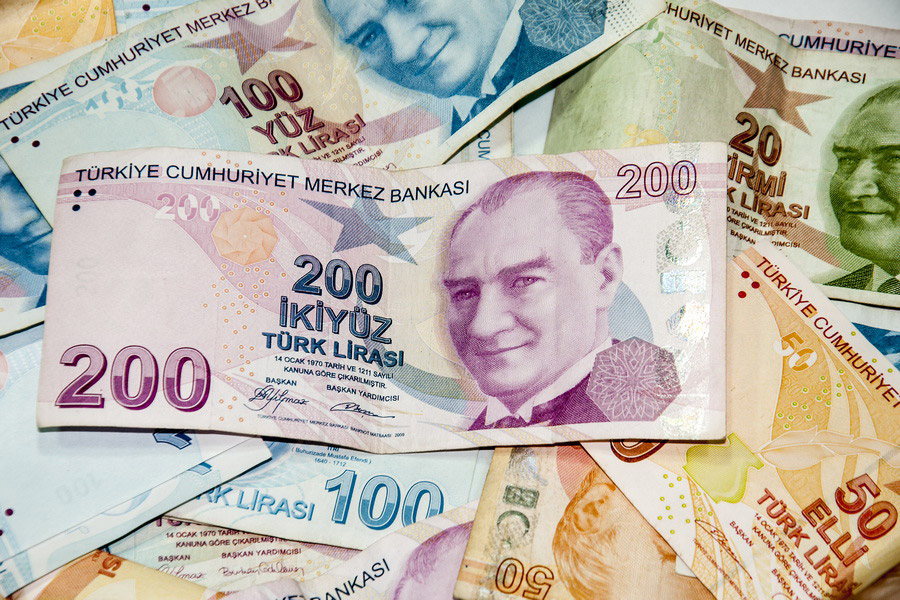
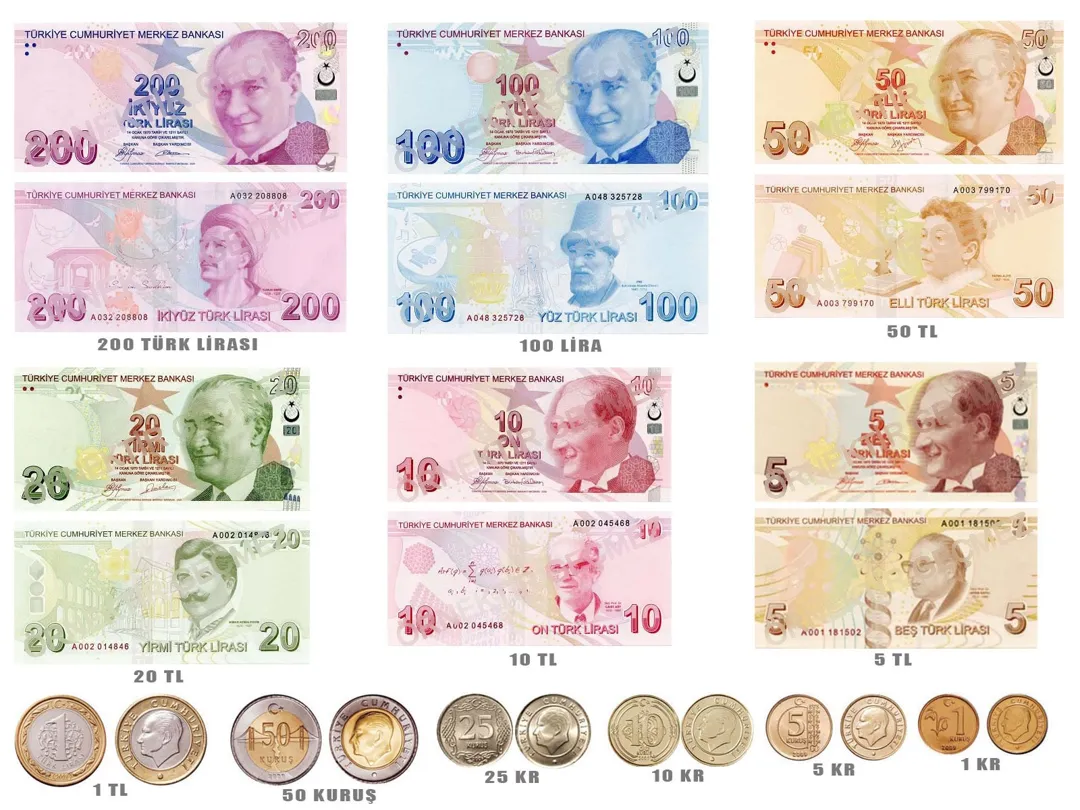
The Lira is available in both banknotes and coins. Banknotes are issued in denominations of 5, 10, 20, 50, 100, and 200 Lira. Coins are in circulation in denominations of 1 Lira and 10, 20, 50 kuruş (where 100 kuruş equals 1 Lira), and 1, 2, and 5 Lira. The distinctive design of Turkish banknotes often features prominent figures from Turkish history and cultural motifs, aiming to foster national identity and pride.
Factors Influencing the Lira’s Exchange Rate
The exchange rate of the Turkish Lira against other major currencies is a critical indicator of its economic health and a significant consideration for international trade, tourism, and investment. Several key factors exert influence:
- Monetary Policy: The interest rate decisions made by the CBRT are paramount. Higher interest rates can attract foreign investment seeking better returns, thereby increasing demand for the Lira and strengthening its value. Conversely, lower interest rates can lead to capital outflow and currency depreciation.
- Inflation: High inflation significantly erodes the purchasing power of the Lira, making it less attractive for domestic and international holders. Persistent inflation often leads to a weaker exchange rate as the cost of goods and services rises in Lira terms.
- Economic Growth and Stability: A robust and stable economy, characterized by consistent growth, low unemployment, and a favorable business environment, generally supports a stronger currency. Conversely, economic downturns, recessions, or structural imbalances can weaken the Lira.
- Political Stability and Geopolitics: Political events, elections, and regional geopolitical developments can create uncertainty, impacting investor confidence and, consequently, the Lira’s value. Turkey’s strategic location and its role in regional affairs can therefore have a direct impact.
- Trade Balance: A country’s trade balance (the difference between its exports and imports) also plays a role. A significant trade deficit, where imports consistently exceed exports, can lead to an outflow of foreign currency, putting downward pressure on the Lira.
- Global Economic Conditions: As with most currencies, the Turkish Lira is not immune to global economic trends. Fluctuations in major economies, commodity prices (especially oil, which Turkey imports), and global risk appetite can all influence its performance.
Navigating the Turkish Lira: Implications for Finance and Investment
For individuals and businesses engaged in financial activities involving Turkey, understanding the Lira’s dynamics is crucial for making informed decisions. This includes managing personal finances, conducting business transactions, and exploring investment opportunities.
Personal Finance and the Lira: Managing Purchasing Power and Savings
For residents of Turkey, the primary concern regarding the Lira revolves around its purchasing power and the ability to maintain savings’ real value. High inflation rates have historically posed a challenge, necessitating strategies to mitigate its effects.
- Inflation-Hedging Strategies: Many individuals in Turkey seek to protect their savings from inflation by diversifying their assets. This can include holding foreign currency reserves (such as USD or EUR), investing in real estate, or seeking investments that offer returns exceeding the inflation rate.
- Budgeting and Spending: Understanding the Lira’s fluctuations is essential for effective budgeting. Consumers may find that the cost of imported goods rises significantly when the Lira depreciates, impacting their discretionary spending. Conversely, for tourists, a weaker Lira can make Turkey a more affordable destination.
- Remittances and Foreign Income: For individuals receiving income or remittances from abroad, the strength of the Lira against currencies like the USD or EUR directly impacts the amount of Lira they receive. A weaker Lira means more Lira for the same amount of foreign currency, which can be beneficial for recipients.
Business Finance: Trade, Investment, and Risk Management
Businesses operating in or with Turkey face a distinct set of challenges and opportunities related to the Turkish Lira.
- International Trade: Importers of goods into Turkey will find that a weaker Lira makes those imports more expensive in Lira terms, potentially reducing demand or squeezing profit margins. Exporters, on the other hand, benefit from a weaker Lira as their goods become cheaper for foreign buyers, boosting competitiveness and potentially increasing export volumes.
- Foreign Direct Investment (FDI): For foreign investors, the exchange rate is a critical factor. A depreciating Lira can make acquiring Turkish assets cheaper in their home currency, but it also increases the risk of currency losses when repatriating profits. Conversely, a strengthening Lira can make investments more expensive but offer potential gains upon repatriation.
- Currency Hedging: Many businesses engage in currency hedging strategies to mitigate the risks associated with Lira volatility. This can involve using financial instruments like forward contracts, options, or swaps to lock in exchange rates for future transactions, thereby providing greater predictability in financial planning.
- Pricing Strategies: Businesses must carefully consider their pricing strategies in light of the Lira’s movements. Maintaining competitive pricing while ensuring profitability in a fluctuating environment requires agility and a deep understanding of market dynamics.
Investment Opportunities and Risks
The Turkish Lira’s performance can present both opportunities and significant risks for investors.
- Turkish Equities and Bonds: Investments in Turkish companies listed on the Istanbul Stock Exchange or in Turkish government bonds are influenced by the Lira’s exchange rate, as well as broader economic and political factors. A depreciating Lira can, in some cases, boost the competitiveness of Turkish export-oriented companies, potentially leading to stock price appreciation in Lira terms. However, foreign investors will also need to consider currency translation losses.
- Real Estate: Turkey has historically been an attractive market for real estate investment, particularly for foreign buyers. The Lira’s exchange rate plays a crucial role in determining the cost of property in foreign currency terms. However, investors must also be aware of potential risks related to property market volatility and economic stability.
- Foreign Exchange Trading: Experienced traders may find opportunities in the volatility of the Turkish Lira. However, trading on currency markets, especially emerging market currencies, carries significant risk and requires a high level of expertise.

Conclusion: The Enduring Significance of the Turkish Lira
The Turkish Lira, as the nation’s currency, is far more than just a unit of exchange. It is a symbol of Turkey’s economic journey, its resilience, and its aspirations on the global stage. From its historical roots to its present-day complexities, understanding the Lira necessitates an appreciation for the intricate web of economic policies, market forces, and geopolitical influences that shape its value. For individuals and businesses alike, a thorough grasp of the Turkish Lira’s characteristics, historical trends, and the factors affecting its exchange rate is not merely an academic exercise but a practical necessity for sound financial decision-making, prudent investment, and successful business operations in Turkey. As Turkey continues to navigate the ever-evolving global economic landscape, the Lira will undoubtedly remain at the heart of its financial narrative.
aViewFromTheCave is a participant in the Amazon Services LLC Associates Program, an affiliate advertising program designed to provide a means for sites to earn advertising fees by advertising and linking to Amazon.com. Amazon, the Amazon logo, AmazonSupply, and the AmazonSupply logo are trademarks of Amazon.com, Inc. or its affiliates. As an Amazon Associate we earn affiliate commissions from qualifying purchases.