
The world of supercars is a realm where performance, exclusivity, and aesthetic appeal converge. While the raw power and engineering prowess are undeniable drivers of desire, the visual presentation plays an equally crucial role in defining a supercar’s identity and its owner’s personal statement. Among the myriad ways to customize these automotive masterpieces, vehicle wraps have emerged as a dominant force, offering a versatile and transformative approach to personalization. More than just a cosmetic enhancement, a supercar wrap represents a significant branding decision for the owner, influencing perception, resale value, and the very essence of the vehicle’s “personal brand.” Therefore, exploring the most popular supercar wraps and colors delves deep into the intersection of Brand strategy, design trends, and the psychology of automotive aesthetics.
The Evolving Landscape of Supercar Personalization and Branding
Supercar ownership is inherently about making a statement. It’s a declaration of success, passion, and an appreciation for the pinnacle of automotive engineering. Traditionally, this statement was often articulated through factory-ordered paint colors, bespoke interior materials, and limited-edition badges. However, the advent and widespread adoption of vinyl vehicle wraps have democratized and exponentially expanded the possibilities for personalization.
Beyond Factory Paint: The Rise of Vinyl Wraps
For decades, changing the color of a high-performance vehicle meant a costly and irreversible repaint. This process could also devalue the car, as originality is often prized. Vinyl wraps, on the other hand, offer a temporary, reversible, and significantly less expensive alternative. This accessibility has allowed a broader spectrum of supercar owners to explore their creativity and align their vehicle’s appearance with their individual tastes or even evolving personal brands. From matte finishes that absorb light to iridescent hues that shift with every angle, the tactile and visual experiences offered by wraps are far more diverse than traditional paint. This flexibility makes wraps an attractive option for those who see their supercar not just as a machine, but as a mobile canvas for self-expression.
The Psychology of Color and Material in Automotive Branding
The choice of a supercar wrap and color is far from arbitrary. It’s a deliberate act of branding, communicating a specific message to the outside world. Colors evoke distinct emotions and associations. For instance, bold reds and vibrant blues often signify passion, excitement, and dynamism – traits intrinsically linked to the supercar experience. More subdued tones like grays, silvers, and blacks can project sophistication, power, and understated luxury.
The texture of the wrap also contributes to the overall brand perception. Matte finishes exude a modern, stealthy, and often more aggressive aesthetic, differentiating the car from its glossier counterparts. Satin finishes offer a compromise, providing a subtle sheen that is less prone to glare than traditional gloss. Carbon fiber textures, whether real or vinyl imitations, immediately communicate a connection to high-performance racing and cutting-edge technology. The material choice, therefore, becomes an integral part of the supercar’s curated image.
Dominant Trends in Supercar Wraps: Material and Finish
The popularity of specific wrap types is a dynamic reflection of broader design trends and the evolving desires of supercar enthusiasts. While classic finishes never truly go out of style, certain textures and finishes have surged in prominence, dictating the visual landscape of our streets and car shows.
The Reign of Matte and Satin Finishes
For a significant period, matte finishes have held a commanding position in the supercar wrap arena. Their appeal lies in their ability to mute reflections, creating a sophisticated, almost ethereal presence. A matte black supercar, for example, possesses a predatory stealth that gloss paint can struggle to replicate. This finish not only looks contemporary but also provides a unique tactile experience. It’s perceived as more exclusive and less ostentatious than a high-gloss counterpart, appealing to owners who prefer a more understated yet undeniably powerful statement.
Satin finishes have also gained considerable traction, offering a middle ground between the full glare of gloss and the complete absence of shine in matte. They provide a subtle, elegant sheen that catches the light in a refined manner. Satin wraps can elevate the inherent lines of a supercar, accentuating its sculpted bodywork without the harsh reflections that can sometimes detract from the design. This balanced aesthetic appeals to a wide audience seeking a premium look that is both dynamic and sophisticated.
The Allure of Color-Shifting and Metallic Finishes
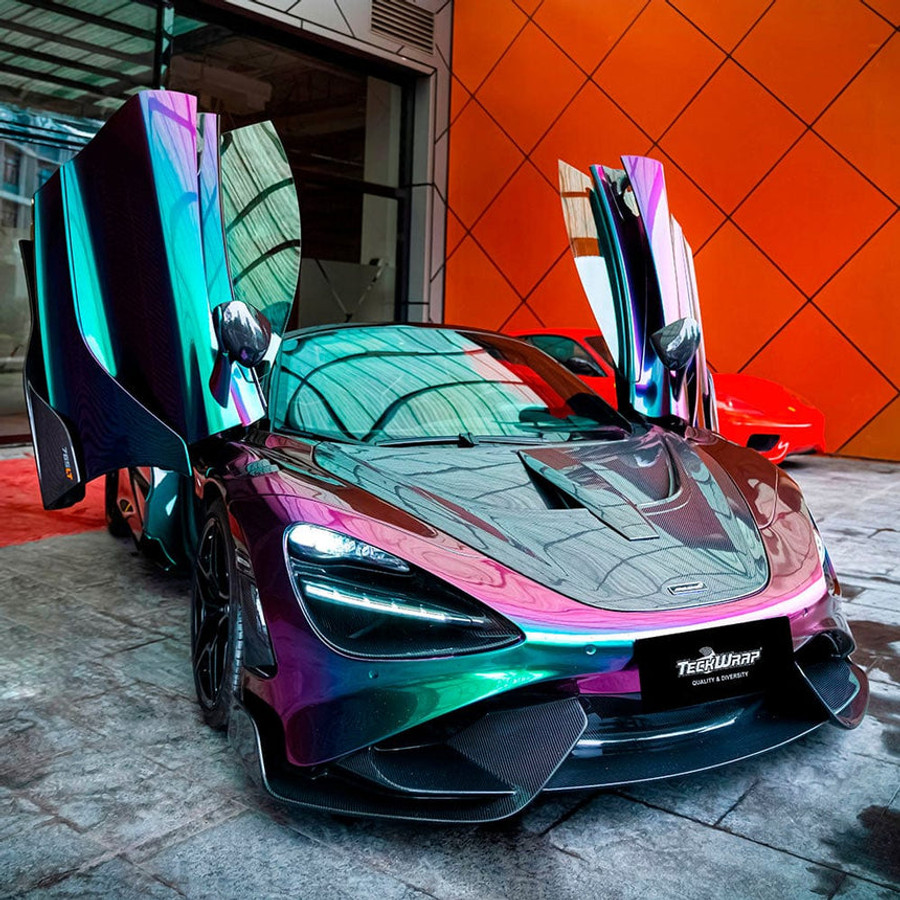
Beyond solid finishes, the market has seen a dramatic rise in the popularity of color-shifting (or “chameleon”) and metallic wraps. These wraps utilize specialized pigments that alter their hue depending on the viewing angle and light conditions. A car wrapped in a color-shifting material can appear blue from one perspective, green from another, and even purple or gold from a third. This dynamic visual effect is incredibly captivating and perfectly complements the aggressive, multi-faceted designs of modern supercars. It allows the vehicle to constantly reinvent itself, offering a spectacle that draws attention and admiration.
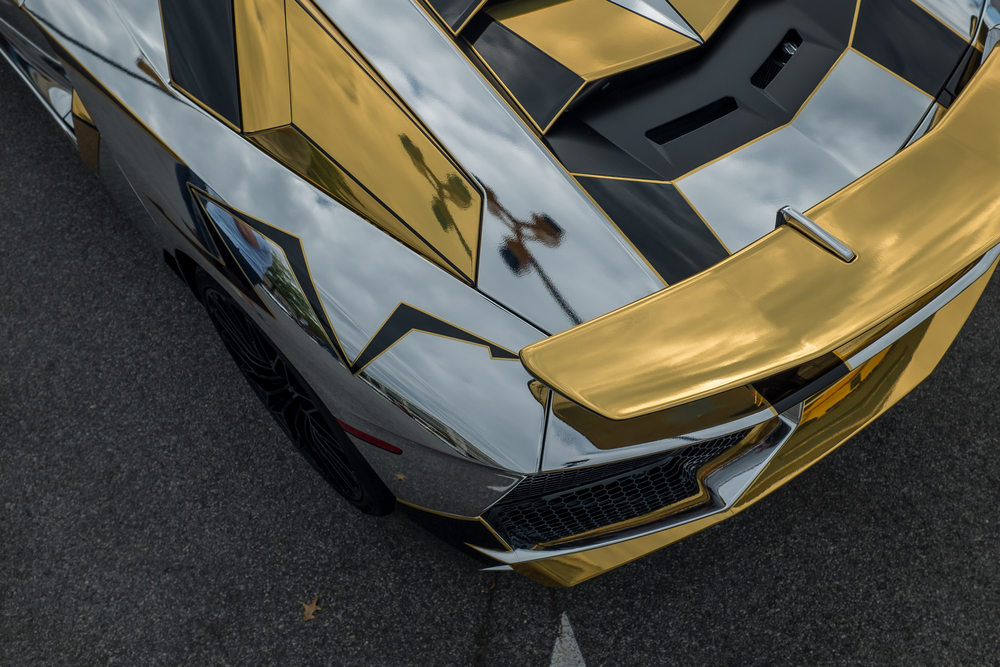
Metallic wraps, while perhaps less dramatic than color-shifters, offer a sophisticated sparkle that echoes traditional high-end paint. The metallic flakes embedded within the vinyl create a depth and shimmer that is particularly striking in sunlight. These can range from subtle silver and champagne metallics to more aggressive gunmetal and bronze variations, all contributing to a luxurious and performance-oriented image.
The Most Popular Supercar Colors: A Statement of Intent

While the choice of wrap finish is crucial, the color itself is the primary communicator of a supercar’s visual identity. Certain colors have consistently dominated the popular charts, reflecting established automotive traditions and modern aesthetic preferences.
The Enduring Power of Black and White
Unsurprisingly, black and white remain perennial favorites in the supercar world. Black, in its various forms – gloss, matte, and satin – is the epitome of power, sophistication, and mystery. It imbues a supercar with a sense of gravitas and menace. A black supercar is a statement of dominance and a classic choice that rarely, if ever, falters in its appeal.
White, on the other hand, offers a clean, crisp, and futuristic aesthetic. It highlights the sharp lines and aerodynamic contours of a supercar, making it appear even more sculpted and dynamic. White also has a sense of purity and elegance, projecting an image of refined performance. Like black, white is a timeless choice that offers a strong, unambiguous visual statement.
The Rise of Grays, Silvers, and Blues
Beyond the monochromatic staples, shades of gray and silver have solidified their position as highly desirable supercar colors. These neutral tones project an image of technological advancement, precision engineering, and understated luxury. A gunmetal gray or a brushed silver wrap can make a supercar look like it’s forged from a single piece of advanced alloy, emphasizing its mechanical artistry. These colors are versatile, performing exceptionally well across various finishes, from matte to metallic.
Blues, in a spectrum of shades, have also seen a significant surge in popularity. From deep, enigmatic navy blues to vibrant, electric blues, this color family evokes a sense of speed, innovation, and confidence. Certain performance brands have historically used blue as a signature color, further cementing its association with high-octane driving. A well-chosen blue wrap can make a supercar pop in a crowd, offering a more expressive alternative to neutral tones while still maintaining an air of sophistication.
The Bold and the Bespoke: Reds, Greens, and Beyond
While perhaps not reaching the sheer volume of black, white, and gray, bold colors like red and more unique hues such as deep greens and even vibrant oranges and yellows, hold a special place in the supercar palette. Red, of course, is synonymous with passion, speed, and danger. It’s an unabashedly bold choice that signals an owner who embraces the thrill of driving.
More adventurous colors like forest green, British racing green, or even iridescent shades are increasingly seen on the most exclusive machines. These choices signify a desire to stand out from the crowd and to project a more individualistic and curated brand. They often appeal to owners who appreciate the artistic aspect of their vehicle and want it to reflect a personality that transcends conventional norms.
The Impact of Wraps on Supercar Brand Value and Owner Identity
The adoption of specific wraps and colors is not merely an aesthetic exercise; it has tangible implications for the perceived value of a supercar and the owner’s personal brand. In a market where exclusivity and individuality are paramount, the right visual presentation can significantly influence market perception and even resale potential.
Resale Value and Originality vs. Personalization
Historically, originality has been a key determinant of supercar resale value. However, the reversibility of vinyl wraps has changed this dynamic. A high-quality wrap, expertly applied, can protect the original paintwork from minor abrasions, stone chips, and UV damage. This protective function can actually enhance the condition of the factory finish, making the car more attractive to a potential buyer who values preserving its pristine state.
While a wildly unconventional wrap might deter some traditional buyers, popular and tastefully executed wraps in trendy colors and finishes can broaden the appeal of a supercar. For instance, a matte gray wrap on a high-performance German marque, or a satin blue on an Italian exotic, might attract a different demographic of buyers who are specifically seeking that aesthetic. Ultimately, the quality of the wrap installation and the relevance of the chosen style to the supercar’s inherent character are crucial factors in its impact on resale value.
Crafting a Personal Brand Through Automotive Aesthetics
In today’s highly visual culture, a supercar is an extension of its owner’s personal brand. The choices made in customizing it – from the make and model to the specific wrap and color – communicate personality, taste, and even professional aspirations. An entrepreneur might opt for a sleek, matte black wrap on their Lamborghini, projecting an image of quiet confidence and executive power. An artist might choose a vibrant, color-shifting wrap on their Ferrari, showcasing their avant-garde sensibility.
The supercar becomes a mobile billboard for the owner’s identity. This conscious decision-making process, whether explicit or implicit, transforms the vehicle into a powerful tool for personal branding. The most popular wraps and colors are those that resonate with established archetypes of success, performance, and luxury, while also allowing for a degree of individual expression. By carefully selecting their vehicle’s visual identity, supercar owners are not just making a statement about the car, but about themselves.
aViewFromTheCave is a participant in the Amazon Services LLC Associates Program, an affiliate advertising program designed to provide a means for sites to earn advertising fees by advertising and linking to Amazon.com. Amazon, the Amazon logo, AmazonSupply, and the AmazonSupply logo are trademarks of Amazon.com, Inc. or its affiliates. As an Amazon Associate we earn affiliate commissions from qualifying purchases.