
The landscape of home entertainment has undergone a seismic shift over the last decade, transitioning from the rigid hardware of satellite dishes and coaxial cables to the fluid, software-driven world of Over-the-Top (OTT) streaming. At the forefront of this evolution is YouTube TV, Google’s comprehensive solution for live television. Far more than just a collection of channels, YouTube TV represents a sophisticated integration of cloud computing, artificial intelligence, and high-performance software engineering.
To understand what YouTube TV offers, one must look past the surface-level channel list and examine the technological infrastructure that makes it a premier choice for the modern digital consumer. It is a service built on the backbone of Google’s global data centers, designed to solve the latency and storage issues that plagued early attempts at internet-based live TV.

The Software-Driven User Experience: Redefining the Interface
The primary differentiator between YouTube TV and traditional cable—or even many of its streaming competitors—is its user interface (UI). While legacy cable boxes often rely on sluggish, outdated firmware, YouTube TV operates as a high-performance app that is updated server-side, ensuring that every user has access to the latest features without needing to swap out hardware.
Search and Discovery Powered by Google AI
Leveraging Google’s core competency in search, YouTube TV offers a discovery engine that learns user preferences over time. The “Home” tab isn’t just a static list; it is a dynamic dashboard powered by machine learning algorithms. By analyzing viewing habits, the software surfaces live sporting events, breaking news, and frequently watched sitcoms, reducing the “paradox of choice” that often frustrates viewers. The search function is equally robust, allowing users to search by team name, actor, or even vague genres, returning instantaneous results from both live airings and Video on Demand (VOD) libraries.
Cross-Platform Synchronicity
The technical prowess of YouTube TV is perhaps most evident in its seamless hand-off between devices. Because the service is cloud-native, a user can start watching a live basketball game on their smartphone during a commute and, upon arriving home, “cast” or log in to their Smart TV to find the broadcast at the exact same timestamp. This level of synchronization requires a sophisticated state-management system on the backend, ensuring that user data—including watch history and DVR progress—is updated in real-time across the Google account ecosystem.
The Evolution of the Electronic Program Guide (EPG)
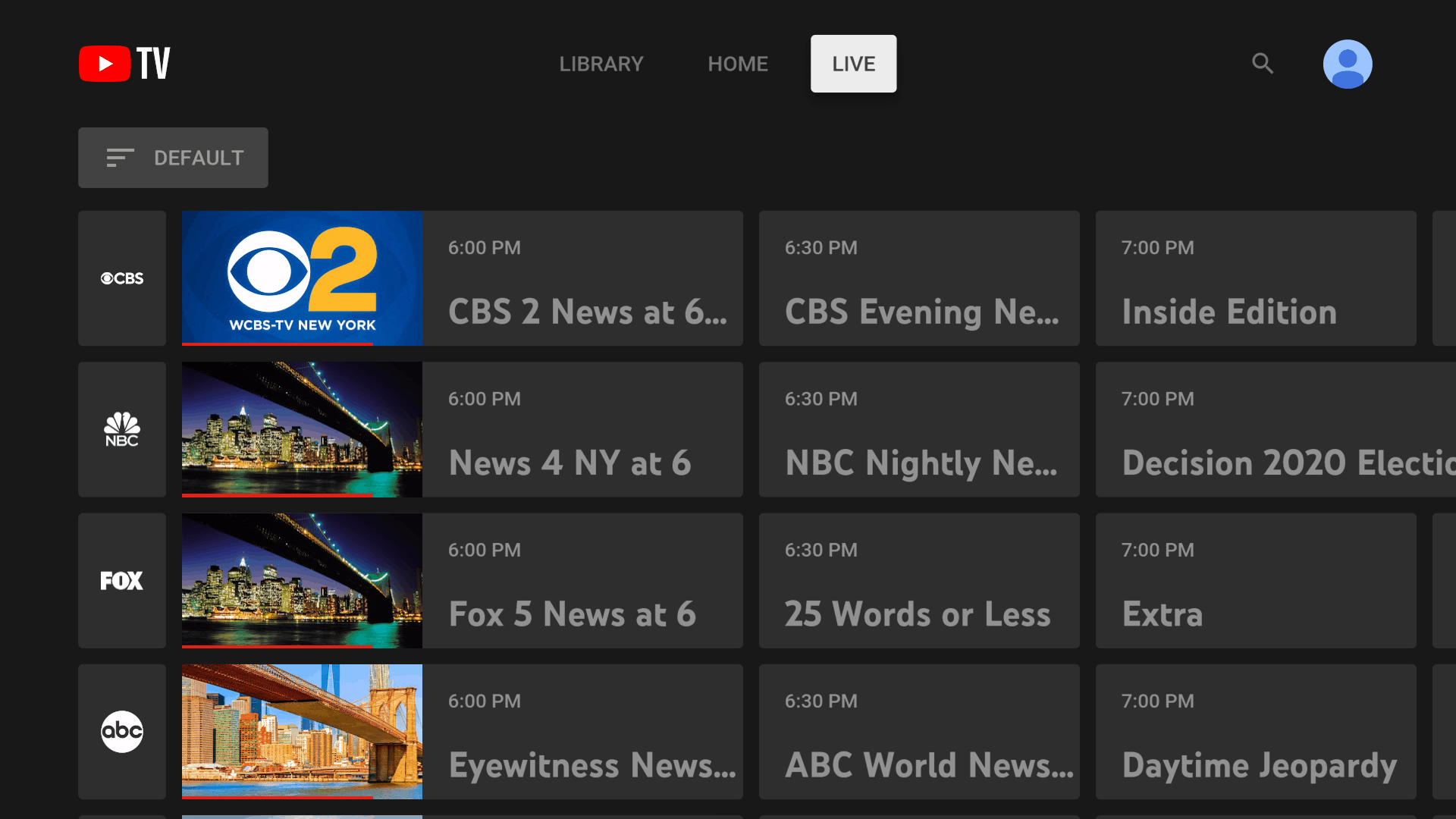
Unlike the clunky, grid-based guides of the 1990s, YouTube TV’s EPG is highly customizable. From a technical standpoint, the ability for users to reorder their channel lineup via a web browser or mobile app—and have those changes reflected instantly on a television interface—is a testament to its flexible API architecture. The guide also provides rich metadata, including live previews and detailed episode synopses, all pulled from a massive, frequently updated database.
Technical Innovations in Live Sports: Multiview and Key Plays
For tech enthusiasts and sports fans alike, the way YouTube TV handles live, high-bandwidth content is a significant draw. Live sports are the “stress test” of any streaming service due to the high frame rates required and the intolerance for latency. YouTube TV has introduced several proprietary features that push the boundaries of what streaming software can do.
Multiview: A Masterclass in Stream Processing
One of the most impressive technical feats in the current streaming era is YouTube TV’s “Multiview” feature. This allows users to watch up to four live feeds simultaneously on a single screen—a dream for NFL Sunday Ticket subscribers or March Madness fans. Unlike traditional “Picture-in-Picture” modes that might strain a local device’s processor, YouTube TV handles the heavy lifting on their own servers. They pre-combine the four streams into a single feed at the data center level before sending it to the user’s device. This ensures that even lower-powered streaming sticks, like an older Chromecast or Fire Stick, can display multiple HD feeds without crashing or overheating.
AI-Driven “Key Plays” and Real-Time Stats
YouTube TV utilizes computer vision and metadata tagging to offer a “Key Plays” view. If you join a game late, the software can automatically generate a playlist of the most important moments (touchdowns, goals, or home runs) so you can catch up before jumping into the live action. Furthermore, the “Stats” view provides real-time data overlays—player shooting percentages, win probabilities, and fantasy football updates—that are synced precisely with the video broadcast. This requires an incredibly low-latency data pipeline to ensure the “spoiler” stats don’t appear before the play actually happens on screen.
High-Fidelity Streaming and 4K Add-ons
While standard HD is the baseline, YouTube TV offers a “4K Plus” add-on. This isn’t just about resolution; it’s about the technical suite that comes with it. This includes the ability to stream in 4K Ultra High Definition for select live events and VOD content, providing a higher bitrate that reduces “banding” in dark scenes and motion blur in fast-paced action. From a codec perspective, YouTube TV often utilizes VP9 and is transitioning toward AV1, which allows for better compression without sacrificing visual fidelity, making 4K streaming viable even for those without fiber-optic internet.
The Cloud DVR: Eliminating Local Storage Constraints
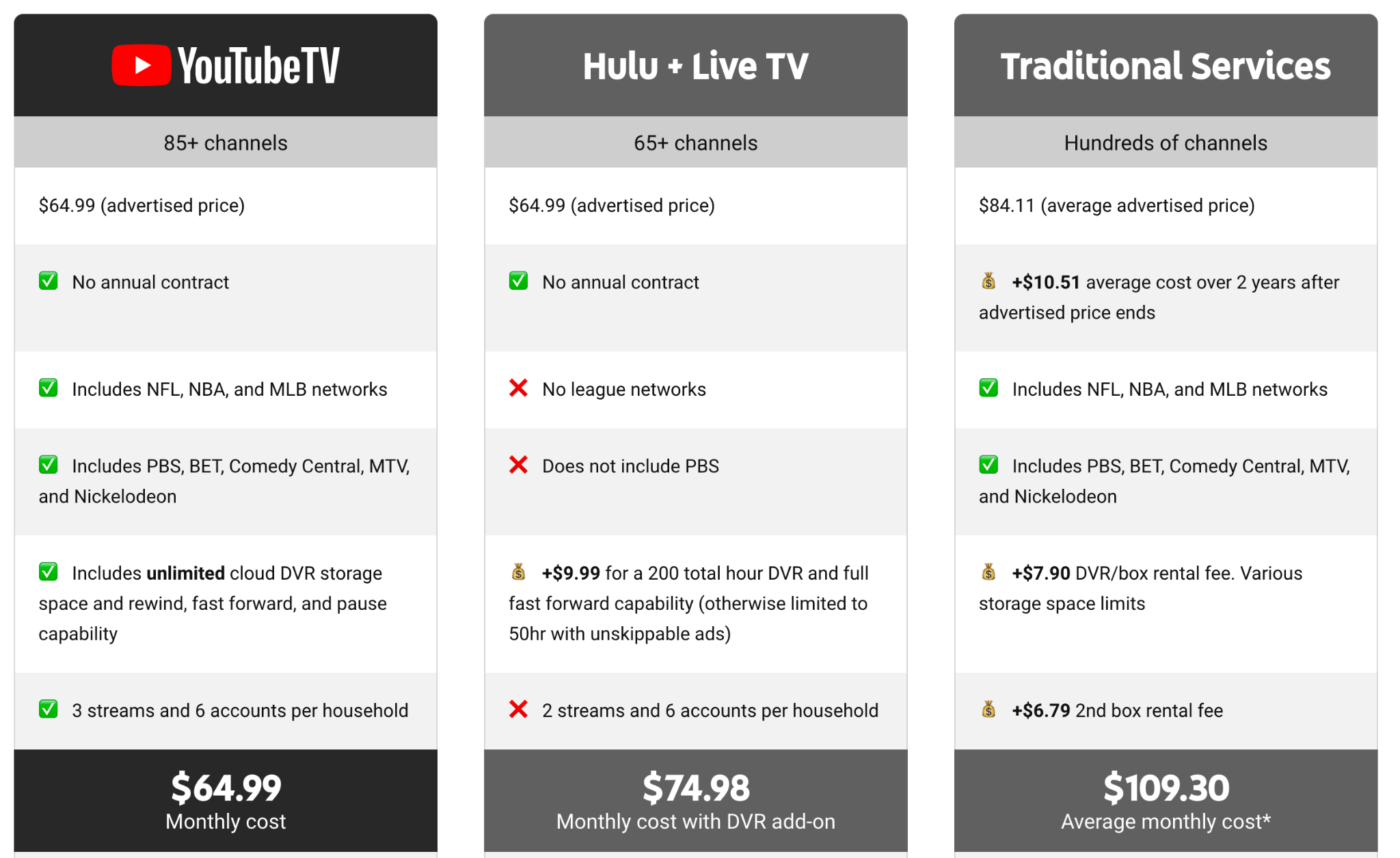
One of the most significant “offers” of YouTube TV is its unlimited Cloud DVR. From a technology perspective, this represents a massive shift from local hard drive storage (found in TiVo or cable boxes) to distributed cloud storage.
Infinite Scalability
Traditional DVRs are limited by physical gigabytes; when the drive is full, you must delete old recordings. YouTube TV’s infrastructure treats storage as an infinite resource. Users can record every single show on every single channel simultaneously without ever “running out of space.” These recordings are stored for nine months. This is made possible by Google’s massive server farms, where a single recording of a show can be indexed and served to millions of users, rather than creating a million individual copies, optimizing storage efficiency through “de-duplication” technologies.
Intelligent Conflict Management
Because the recording process happens in the cloud and not on a local tuner, there are no “recording conflicts.” On a traditional cable box with two tuners, you could only record two shows at once. With YouTube TV, the number of simultaneous recordings is effectively infinite. The software manages the scheduling on the backend, ensuring that even if a game goes into overtime, the “smart” DVR can often adjust the recording window based on real-time broadcast signals to ensure the ending isn’t cut off.
Offline Viewing and Portability
For users with the 4K Plus package, YouTube TV enables the technical capability to download DVR recordings to mobile devices for offline viewing. This involves complex Digital Rights Management (DRM) protocols that allow the content to be stored securely on a device while ensuring it remains unplayable once the user’s subscription or the 9-month window expires. It’s a bridge between the world of live TV and the convenience of mobile-first apps like Netflix.
Hardware Integration and Digital Ecosystem Security
The value proposition of YouTube TV is deeply tied to how it interacts with the physical gadgets in your home and the security protocols that protect your digital identity.
Device Compatibility and Optimized App Performance
YouTube TV is available on virtually every modern computing platform: Android TV, Google TV, Apple TV, Roku, PlayStation, Xbox, and most Smart TV OSs (Samsung, LG, Vizio). The engineering challenge here is “parity”—ensuring the experience is identical across different chipsets and operating systems. YouTube TV utilizes a modular web-app framework that allows them to push UI updates across all these platforms simultaneously, ensuring that a feature released today is available to everyone, regardless of their specific hardware.
Smart Home Integration
As part of the Google ecosystem, YouTube TV offers deep integration with Nest Hub devices and Google Assistant. A user can simply say, “Hey Google, play ESPN on the Living Room TV,” and the software initiates a handshake between the smart speaker and the streaming device to launch the app and tune to the correct stream. This “Internet of Things” (IoT) connectivity is a major draw for users looking to build a cohesive smart home environment.
Robust Security and Family Sharing
Security is a critical component of the Tech niche. YouTube TV leverages Google’s industry-leading account security, including Two-Factor Authentication (2FA) and Advanced Protection Programs. When it comes to “sharing,” YouTube TV offers a “Family Group” feature. Technically, this allows up to six individual accounts to be tied to one subscription. Each account maintains its own personalized recommendations and private DVR library. The software uses geo-fencing technology (GPS and IP-based) to ensure that users are within the same “Home Area” for local channel compliance, a necessary technical hurdle to satisfy FCC regulations and broadcasting rights while maintaining user privacy.
Conclusion: The Future of Television as a Service (TaaS)
What YouTube TV offers is a glimpse into the future of “Television as a Service.” It has successfully transitioned the concept of “Live TV” from a hardware-dependent utility to a cloud-based software application. By integrating AI-driven discovery, infinite cloud storage, and advanced video processing like Multiview, it provides a level of utility that traditional cable cannot match.
For the tech-savvy consumer, the choice of YouTube TV is about more than just “watching TV.” It is about adopting a platform that evolves through software updates, integrates with the broader smart home ecosystem, and leverages the power of the cloud to provide a seamless, high-definition experience across any screen, anywhere. As bandwidth becomes more accessible and 4K/8K broadcasting becomes the norm, the technical foundation YouTube TV has built ensures it will remain a dominant force in the digital entertainment landscape.
aViewFromTheCave is a participant in the Amazon Services LLC Associates Program, an affiliate advertising program designed to provide a means for sites to earn advertising fees by advertising and linking to Amazon.com. Amazon, the Amazon logo, AmazonSupply, and the AmazonSupply logo are trademarks of Amazon.com, Inc. or its affiliates. As an Amazon Associate we earn affiliate commissions from qualifying purchases.