
Understanding sales tax in Los Angeles is a critical component of managing business finances, ensuring compliance, and accurately pricing products and services for consumers. As a significant economic hub, Los Angeles operates within a complex web of state, county, and local tax regulations. This guide will demystify the concept of sales tax within the City of Angels, providing essential insights for businesses and consumers alike.
The Fundamentals of Los Angeles Sales Tax
Sales tax is an indirect tax imposed by a government on the sale of goods and services. In Los Angeles, like the rest of California, this tax is levied at the point of sale. The revenue generated from sales tax is a vital source of funding for state and local governments, contributing to public services such as infrastructure, education, and public safety. For businesses, understanding and correctly collecting sales tax is not just a matter of financial management; it’s a legal obligation with significant consequences for non-compliance.

Who Collects and Remits Sales Tax?
The primary responsibility for collecting and remitting sales tax falls on the seller of tangible personal property and certain taxable services. This means that any business selling items or providing specific services within Los Angeles must register with the California Department of Tax and Fee Administration (CDTFA) to obtain a seller’s permit. Once registered, businesses are required to charge the applicable sales tax rate to their customers at the time of purchase. This collected tax is then periodically remitted to the CDTFA.
It’s important to note that not all transactions are subject to sales tax. Exemptions often apply to certain essential goods, certain services, or transactions involving entities that are themselves exempt from taxation. Businesses must be diligent in understanding which of their sales are taxable and which are exempt to avoid over- or under-collection of tax.
The Role of the California Department of Tax and Fee Administration (CDTFA)
The CDTFA is the state agency responsible for administering California’s sales and use tax program. This includes issuing seller’s permits, providing guidance and resources to taxpayers, and enforcing tax laws. The CDTFA sets the statewide sales tax rate and also oversees the collection of additional local taxes that may be in effect. Their website and publications are invaluable resources for businesses seeking to understand their obligations.
What Constitutes a Taxable Sale?
In Los Angeles, as in all of California, sales tax generally applies to the retail sale of tangible personal property. This includes items such as clothing, electronics, furniture, vehicles, and most other physical goods. The tax is typically calculated on the gross receipts from the sale, meaning the total amount charged to the customer before any deductions.
Beyond tangible goods, certain services are also subject to sales tax in California. These can include services such as repair, fabrication, or reconditioning of tangible personal property. The specific list of taxable services can be extensive and is subject to change, so businesses that provide services should consult the CDTFA’s guidelines to determine their taxability.
Navigating the Sales Tax Rate in Los Angeles
The sales tax rate in Los Angeles is not a single, fixed percentage. It is a composite rate that comprises multiple layers of taxation, reflecting the combined efforts of state, county, and local jurisdictions to fund various public initiatives. Understanding this layered structure is crucial for accurate tax calculation.
State and County Tax Components
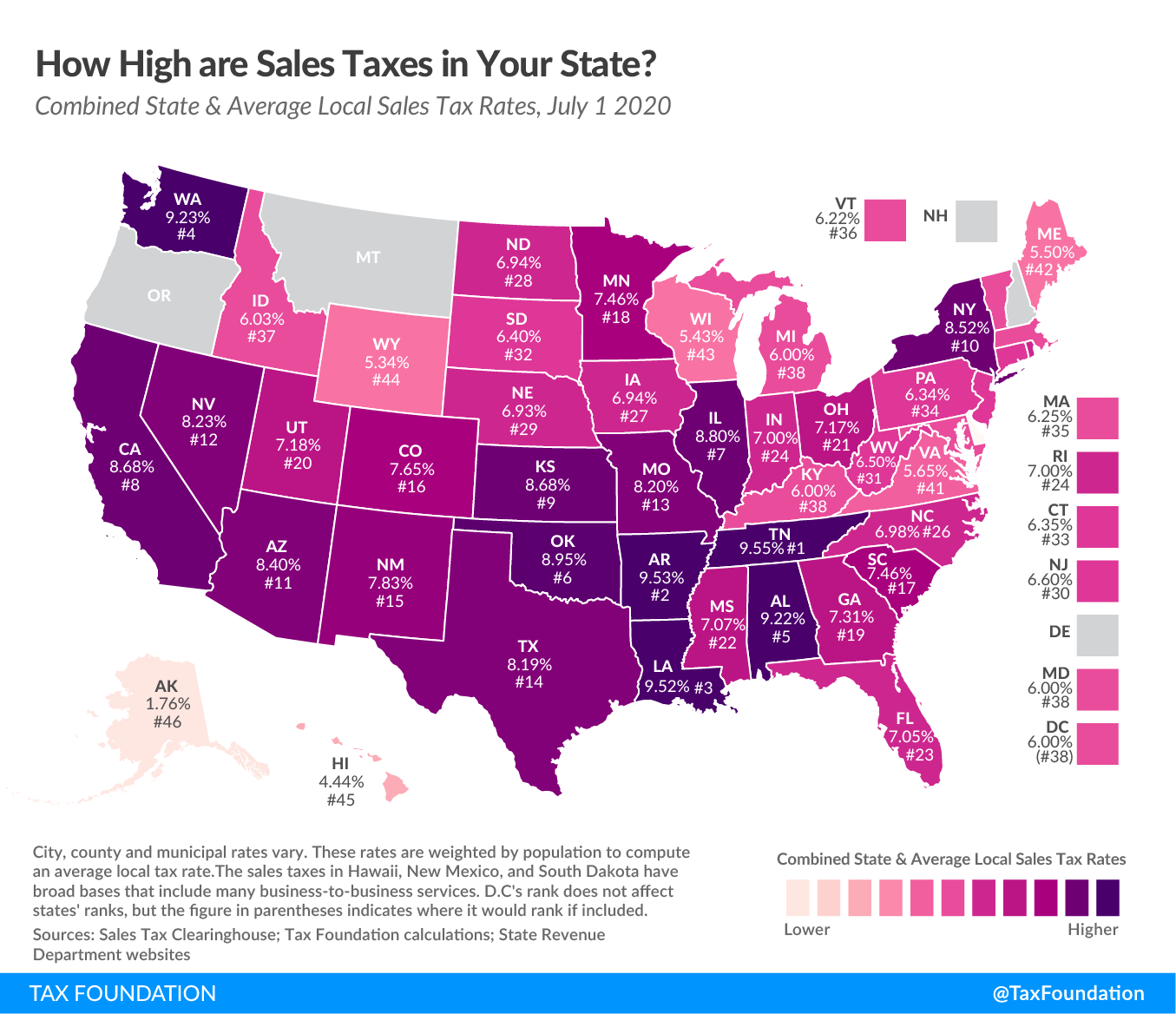
The base sales tax rate in California is set by the state and is currently 7.25%. This rate applies throughout the state and forms the foundation for sales tax calculations. In addition to the state rate, Los Angeles County imposes its own portion of the sales tax. This county tax is added to the state tax to create a higher overall rate. The exact percentage of the county’s portion can vary, but it contributes significantly to the final amount charged to consumers.
Local Taxes and Special Districts
What makes Los Angeles’s sales tax rate particularly complex is the presence of numerous city and district taxes. These are additional taxes that can be imposed by individual cities within Los Angeles County or by special tax districts established for specific purposes, such as transportation or public safety. These local taxes are added on top of the state and county rates, leading to the final, often higher, sales tax rate that consumers experience at the point of sale.
For instance, the City of Los Angeles itself has its own local sales tax rate, which is added to the state and county rates. Other incorporated cities within the county, such as Santa Monica, Pasadena, or Long Beach, may have their own unique local tax rates or be subject to different special district taxes. This means that the sales tax rate can differ from one city to another, even within the same county. Businesses operating in multiple locations within Los Angeles County must be aware of these variations to ensure they are collecting the correct rate in each jurisdiction.
The “Use Tax” Counterpart
While sales tax is collected by sellers on purchases made within California, the concept of “use tax” is also vital. Use tax is essentially the counterpart to sales tax and applies when a taxable item or service is purchased outside of California for use within California, and sales tax was not paid on the original purchase. This could include items purchased online from out-of-state retailers or goods brought into the state from elsewhere.
Businesses and individuals in Los Angeles are responsible for remitting use tax to the CDTFA for such purchases. The use tax rate is the same as the sales tax rate in the location where the item or service is used. This mechanism ensures that California businesses are not at a competitive disadvantage due to out-of-state purchases and that the state continues to collect revenue on taxable transactions.
Calculating and Collecting Los Angeles Sales Tax
Accurately calculating and consistently collecting sales tax is paramount for any business operating in Los Angeles. Errors can lead to penalties, interest, and an erosion of customer trust. Fortunately, with the right tools and understanding, this process can be managed effectively.
Determining the Applicable Tax Rate
The first step in calculating sales tax is to determine the correct tax rate for the specific transaction. This depends on the location of the sale, which is typically where the seller is located or where the goods are delivered. For businesses with a physical presence, this is straightforward. However, for online retailers, especially those with a nexus in California (which can be established through various factors, including sales volume), determining the customer’s delivery location is crucial.
The CDTFA provides resources, including tax rate finders, that allow businesses to input a specific address and determine the current sales tax rate applicable to that location. It’s essential to consult these resources regularly, as tax rates can be updated periodically due to new local ordinances or changes in state law.
Methods for Sales Tax Calculation
There are several common methods for calculating sales tax:
- Manual Calculation: For businesses with very few transactions and simple product offerings, manual calculation is possible. This involves multiplying the taxable sale amount by the applicable sales tax rate. However, this method is prone to errors and is not recommended for businesses with any significant volume of sales.
- Point-of-Sale (POS) Systems: Most modern POS systems are equipped with built-in sales tax calculation capabilities. These systems can be programmed with the correct tax rates for various jurisdictions, automatically applying the appropriate tax to each transaction. This significantly reduces the risk of errors and streamlines the checkout process.
- E-commerce Platforms and Software: Online retailers often utilize e-commerce platforms (like Shopify, WooCommerce, etc.) or specialized sales tax automation software. These tools can integrate with online stores to automatically calculate and apply sales tax based on the customer’s shipping address and the taxability of the products sold. This is crucial for businesses selling across different states and localities.
Best Practices for Collection
Beyond accurate calculation, several best practices ensure smooth sales tax collection:
- Clear Communication: Clearly state the sales tax amount on customer receipts. This transparency helps customers understand the final price and builds trust.
- Separate Accounts: Consider keeping collected sales tax in a separate bank account. This prevents accidental commingling of funds with business operating capital and ensures that the tax money is readily available for remittance.
- Regular Audits: Periodically review your sales tax collection process and records to identify any discrepancies or potential errors.
Compliance and Remittance in Los Angeles
Compliance with sales tax regulations is an ongoing responsibility. Failing to comply can lead to substantial financial penalties and legal issues. Understanding the remittance process and adhering to reporting deadlines is therefore critical.
Registration and Seller’s Permit
As previously mentioned, the first step for any business engaged in taxable sales in Los Angeles is to obtain a seller’s permit from the CDTFA. This permit is free of charge but is a mandatory requirement. The application process typically involves providing information about your business, including its legal structure, ownership, and projected sales.
Filing Frequency and Deadlines
Businesses are required to file sales and use tax returns periodically. The frequency of filing (monthly, quarterly, or annually) is determined by the CDTFA based on the business’s estimated tax liability. The CDTFA will notify businesses of their designated filing frequency.
Deadlines for filing and remittance are strict. Missing a deadline can result in penalties and interest charges. It is crucial to mark these dates on your calendar and ensure that returns are filed and payments are made on time. The CDTFA’s online portal offers convenient options for filing returns and making payments electronically.
Record Keeping Requirements
Maintaining accurate and complete records is a cornerstone of sales tax compliance. Businesses must keep records of all sales, including those that are taxable and those that are exempt. This includes:
- Sales Invoices and Receipts: Documenting all sales transactions.
- Resale Certificates: For sales made to other businesses for resale.
- Exemption Certificates: For sales to qualifying tax-exempt organizations or for tax-exempt items.
- Purchase Records: To support claims for any applicable tax credits or deductions.
These records should be retained for a specified period, typically several years, as mandated by the CDTFA. They are essential for preparing tax returns, responding to CDTFA inquiries or audits, and demonstrating compliance.
Audits and Penalties
The CDTFA conducts audits to ensure businesses are correctly collecting and remitting sales tax. If an audit reveals discrepancies or non-compliance, businesses may be subject to penalties, interest on underpaid taxes, and back taxes. Understanding these potential consequences underscores the importance of meticulous record-keeping and accurate reporting. Proactive compliance is always the most cost-effective strategy.

Conclusion: Mastering Sales Tax in Los Angeles
Sales tax in Los Angeles is a multifaceted aspect of doing business and consuming goods and services. From understanding the fundamental definition and who is responsible for its collection, to navigating the layered tax rates and ensuring strict compliance with remittance and record-keeping obligations, a comprehensive grasp of this tax is indispensable.
For businesses, this means staying informed about evolving tax laws, utilizing appropriate technology for calculation and collection, and diligently adhering to filing deadlines. For consumers, it means understanding that the advertised price of goods may not be the final amount paid, and that sales tax contributes to the vital public services that shape the Los Angeles experience. By approaching sales tax with a commitment to accuracy and a thorough understanding of the regulations, businesses can operate smoothly and contribute positively to the economic landscape of this dynamic city, while consumers can better understand the cost of their purchases and the civic contributions they represent.
aViewFromTheCave is a participant in the Amazon Services LLC Associates Program, an affiliate advertising program designed to provide a means for sites to earn advertising fees by advertising and linking to Amazon.com. Amazon, the Amazon logo, AmazonSupply, and the AmazonSupply logo are trademarks of Amazon.com, Inc. or its affiliates. As an Amazon Associate we earn affiliate commissions from qualifying purchases.