
In the realm of vehicle specifications, understanding the terminology is crucial for informed decisions, whether you’re a seasoned mechanic, a prospective buyer, or a business owner navigating logistics. Among the various weight classifications, “kerbside weight” stands out as a fundamental metric, particularly relevant when considering vehicle payload, operational costs, and regulatory compliance. While its name might suggest a connection to parking or road edges, kerbside weight is, in fact, a precise technical term that defines a vehicle’s readiness for the road under specific, unladen conditions.
Understanding the Fundamentals of Vehicle Weight
Before delving into the specifics of kerbside weight, it’s essential to establish a foundational understanding of how vehicle weights are categorized and why these distinctions matter. Vehicles are complex systems comprising numerous components, each contributing to their overall mass. For practical purposes, manufacturers and regulatory bodies have developed standardized methods for quantifying these weights to ensure safety, efficiency, and fairness in various applications.
Gross Vehicle Weight Rating (GVWR) and its Implications
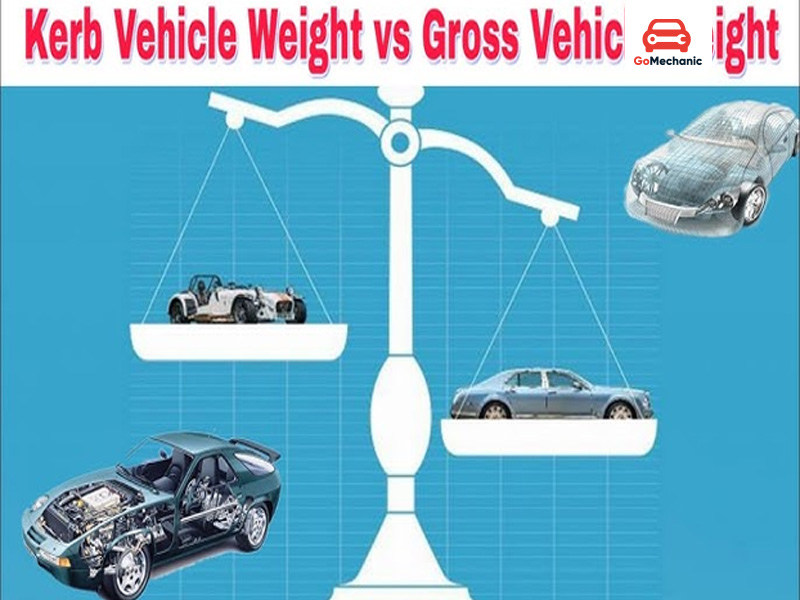
One of the most frequently encountered weight ratings is the Gross Vehicle Weight Rating (GVWR). This figure represents the maximum allowable total weight of a vehicle when fully loaded, including the vehicle itself, its passengers, cargo, and any attached trailers. GVWR is a critical safety parameter; exceeding it can lead to compromised braking performance, steering instability, and increased stress on the vehicle’s chassis and suspension, potentially resulting in accidents and structural damage. For commercial operators, adhering to GVWR is not just a safety imperative but also a legal requirement, with penalties for overloading. Understanding GVWR necessitates a clear picture of what constitutes the unladen weight of the vehicle.
Payload Capacity: The Working Weight of a Vehicle
Closely related to GVWR is the concept of payload capacity. This refers to the maximum weight of passengers and cargo that a vehicle is designed to carry. Payload capacity is calculated by subtracting the vehicle’s unladen weight from its GVWR. For instance, a truck with a GVWR of 10,000 kg and an unladen weight of 6,000 kg has a payload capacity of 4,000 kg. This figure is paramount for businesses relying on vehicles for transportation. Whether it’s delivering goods, transporting equipment, or moving personnel, knowing the precise payload capacity ensures optimal utilization of the vehicle without compromising safety or longevity. The accuracy of this calculation hinges directly on the accurate determination of the unladen weight.
Tare Weight: A Precursor to Kerbside Weight
The term “tare weight” often surfaces in discussions about vehicle weights, particularly in the context of commercial vehicles and shipping. Tare weight generally refers to the weight of a vehicle or container without any load. In the automotive industry, it often encompasses the vehicle’s basic operational structure but excludes many essential items that are considered part of its everyday readiness. While similar in concept to unladen weight, tare weight can sometimes be a more rudimentary measurement, potentially omitting certain fluids or operational equipment. This distinction, while subtle, can lead to variations in how it’s applied and interpreted, making the more standardized “kerbside weight” a preferred term in many professional contexts.
Defining Kerbside Weight: The Standardized Unladen Vehicle
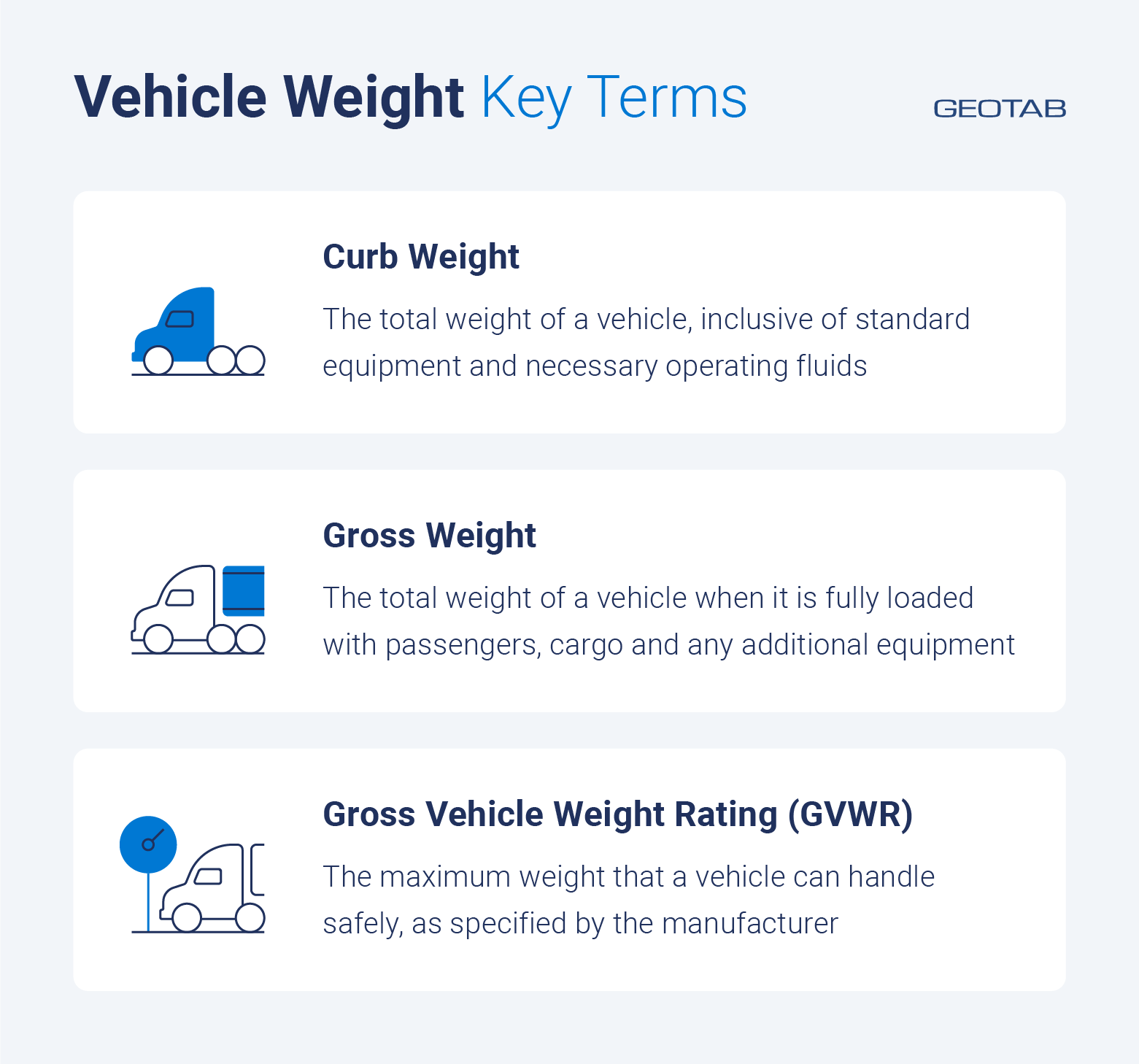
Kerbside weight, also known in some regions as “curb weight,” is the standardized measure of a vehicle’s mass when it is ready to be driven under normal operating conditions, but without any passengers or additional cargo. It’s designed to provide a consistent and comparable baseline for vehicle weight across different manufacturers and models. This definition is crucial for several reasons, primarily relating to the operational readiness and legal classifications of a vehicle.
Components Included in Kerbside Weight
To achieve its standardized nature, kerbside weight includes a specific set of components. At its core, it represents the vehicle as manufactured, plus all the fluids necessary for its basic operation. This includes:
- The vehicle’s chassis and body: This is the fundamental structure of the vehicle.
- Standard equipment: This encompasses features that are typically fitted as standard by the manufacturer, such as the engine, transmission, wheels, tires, and standard safety features like airbags and seatbelts.
- Full complement of all operating fluids: This is a critical element that distinguishes kerbside weight from a completely dry, unladen state. It includes:
- Engine oil: Essential for lubrication and cooling of the engine.
- Coolant (antifreeze): Maintains the engine’s operating temperature.
- Brake fluid: Crucial for the hydraulic braking system.
- Power steering fluid (if applicable): Facilitates steering.
- Windscreen washer fluid: For visibility.
- A full tank of fuel: This is a significant contributor to the overall weight and represents the vehicle’s immediate operational capability.
The inclusion of a full tank of fuel is a key differentiator, ensuring the vehicle is “ready to go” from the moment it leaves the factory or dealership. This standardization prevents variations that would arise if different fuel levels were considered.
Exclusions from Kerbside Weight
Conversely, certain elements are deliberately excluded from the kerbside weight calculation to maintain its definition as an unladen state. These exclusions ensure that the weight reflects the vehicle itself, not its potential operational load. Key exclusions include:
- Passengers: The weight of any occupants is not included.
- Cargo and luggage: Any items being transported in the boot, on the roof rack, or in the passenger compartment are excluded.
- Optional equipment and accessories: Items that are not standard fitments are not included. This can include aftermarket accessories like heavy-duty roof racks, tow bars (unless considered standard for a specific model variant), or specialized equipment fitted by a third party.
- Driver: The weight of the driver is typically not included, though in some specific professional contexts (e.g., racing, where driver weight can impact performance), it might be considered separately.
By clearly defining what is included and excluded, kerbside weight provides a consistent and reliable baseline for comparing vehicles and understanding their inherent mass before any payload is added.
The Significance of Kerbside Weight in Practical Applications
The precise definition of kerbside weight is not merely an academic exercise; it has tangible and significant implications across various sectors. From individual consumers making purchasing decisions to large corporations managing fleets, understanding and correctly applying kerbside weight is essential for operational efficiency, safety, and financial prudence.
Informed Purchasing Decisions for Consumers
For the average car buyer, kerbside weight might not be the primary decision-making factor, but it plays a supporting role. Knowing the kerbside weight of a vehicle can offer insights into its potential fuel efficiency, handling characteristics, and even its classification for certain taxes or insurance premiums in some jurisdictions. A heavier vehicle, for example, may consume more fuel and potentially have different braking and acceleration dynamics compared to a lighter one with similar engine power. Furthermore, understanding the vehicle’s unladen weight is the first step in calculating its actual payload capacity, which is vital for families who regularly carry significant amounts of luggage or equipment.
Fleet Management and Commercial Operations
In the commercial sector, the importance of kerbside weight escalates dramatically. For businesses operating fleets of vehicles, from delivery vans to heavy-duty trucks, accurate weight calculations are paramount for several reasons:
- Payload Optimization: Knowing the kerbside weight allows fleet managers to precisely calculate the maximum payload each vehicle can carry. This ensures that loads are distributed efficiently, maximizing the number of trips required and minimizing operational costs. Overloading a vehicle not only poses safety risks but also leads to premature wear and tear on critical components like tires, brakes, and suspension, increasing maintenance expenses and reducing vehicle lifespan.
- Fuel Efficiency: The weight of a vehicle is a direct contributor to its fuel consumption. Lighter vehicles, all else being equal, tend to be more fuel-efficient. By comparing the kerbside weights of different models, businesses can make informed choices that can lead to substantial savings on fuel costs over the life of the fleet.
- Regulatory Compliance: Many commercial vehicle operations are subject to strict weight regulations. Exceeding these limits can result in hefty fines, delays, and even impoundment of the vehicle. Kerbside weight is the foundational figure upon which these calculations are made, ensuring that operators remain within legal operational parameters.
- Vehicle Selection and Specification: When specifying new vehicles for a fleet, understanding the kerbside weight of various configurations is crucial. Different engine options, body styles, and factory-fitted accessories can all influence this weight, impacting the vehicle’s ultimate payload capacity and suitability for specific tasks.
Impact on Vehicle Performance and Dynamics
Beyond the practicalities of load and cost, kerbside weight has a direct influence on a vehicle’s performance and driving dynamics.
- Handling and Agility: A lighter vehicle generally exhibits better handling and agility. It can accelerate more quickly, brake more effectively, and respond more nimbly to steering inputs. This is particularly relevant for performance-oriented vehicles but also contributes to the overall driving experience and safety for everyday vehicles.
- Braking Performance: The mass of a vehicle directly affects its braking distance. Heavier vehicles require more powerful braking systems and longer distances to come to a complete stop. Understanding the kerbside weight helps engineers design appropriate braking systems and informs drivers about the vehicle’s stopping capabilities.
- Suspension and Ride Comfort: The suspension system is designed to manage the vehicle’s weight and absorb road imperfections. A heavier vehicle places more stress on the suspension components. While manufacturers aim to provide a comfortable ride regardless of weight, a lighter vehicle might offer a more refined or sporty ride, while a heavier one might be designed for greater load-carrying capacity and robustness, potentially with a firmer ride.
Differentiating Kerbside Weight from Other Weight Classifications
While kerbside weight provides a standardized baseline, it’s important to distinguish it from other weight-related terms that are also commonly used in the automotive and transportation industries. Misunderstanding these terms can lead to incorrect assumptions and potentially costly errors.
Unladen Vehicle Weight: A Broader Concept
“Unladen vehicle weight” is a broader term that can sometimes encompass kerbside weight but may also have variations in its definition. In some contexts, it might refer to the vehicle’s weight without any fluids, or with only essential fluids. The key differentiator is the standardization inherent in “kerbside weight,” particularly the inclusion of a full fuel tank and all necessary operating fluids. This standardization makes kerbside weight the more reliable metric for direct comparison between vehicles.
Gross Combination Weight (GCW) and its Relation to Kerbside Weight
Gross Combination Weight (GCW) is another critical metric, particularly for vehicles that tow trailers. GCW refers to the maximum allowable weight of the fully loaded towing vehicle and the fully loaded trailer combined. To calculate the GCW, one needs to consider the towing vehicle’s kerbside weight, the maximum payload it can carry, and the maximum weight of the trailer it is rated to tow, along with the trailer’s own payload. Therefore, kerbside weight is a foundational element in determining the safe and legal towing capacity of a vehicle.

Vehicle Weight in Motion (WIM) and its Regulatory Role
Vehicle Weight in Motion (WIM) systems are used by transportation authorities to measure the weight of vehicles as they pass over sensors embedded in the road. These systems are typically used for enforcement purposes to ensure compliance with legal weight limits on roads and bridges. While WIM systems measure the actual weight of a vehicle at a given moment (which could be its kerbside weight if it’s unladen, or its gross weight when loaded), the underlying reference point for regulatory limits often stems from the vehicle’s Gross Vehicle Weight Rating (GVWR) and the kerbside weight it starts from.
In conclusion, kerbside weight is a vital and precisely defined metric in the automotive landscape. It represents the unladen, operational weight of a vehicle, including all necessary fluids and a full tank of fuel, but excluding passengers and cargo. Its significance extends from consumer awareness to critical commercial operations, influencing purchasing decisions, fleet management, regulatory compliance, and ultimately, the performance and safety of vehicles on our roads. Understanding what constitutes kerbside weight is the first step towards making informed decisions about vehicle utilization and management.
aViewFromTheCave is a participant in the Amazon Services LLC Associates Program, an affiliate advertising program designed to provide a means for sites to earn advertising fees by advertising and linking to Amazon.com. Amazon, the Amazon logo, AmazonSupply, and the AmazonSupply logo are trademarks of Amazon.com, Inc. or its affiliates. As an Amazon Associate we earn affiliate commissions from qualifying purchases.