
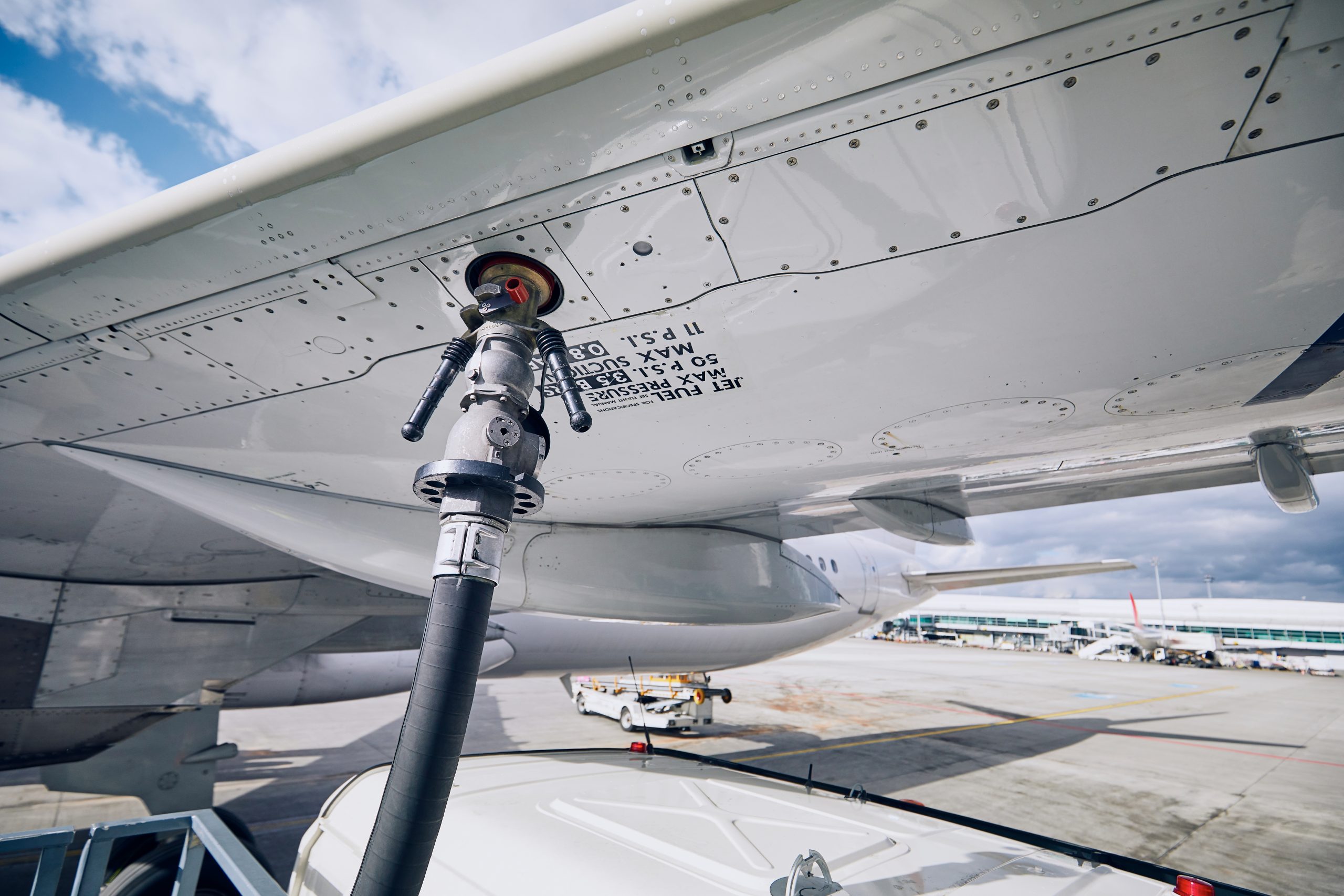
Jet fuel, a specialized petroleum distillate, is the lifeblood of modern aviation, powering everything from commercial airliners that connect continents to fighter jets that defend nations. Its seemingly simple function – to combust and generate thrust – belies a complex composition and stringent set of performance requirements that make it fundamentally different from fuels used in other modes of transportation. Understanding what jet fuel is, how it’s produced, and the critical factors that govern its quality is essential for appreciating the sophisticated engineering and rigorous safety standards that underpin global air travel.
The aviation industry’s reliance on jet fuel, primarily Jet A and Jet A-1, necessitates a deep dive into its technical specifications, the scientific principles behind its combustion, and the economic forces that shape its supply chain. While the layman might simply see it as “airplane gas,” the reality is a highly engineered product designed for extreme conditions and unparalleled reliability. This article will explore the technical intricacies of jet fuel, focusing on its chemical composition, performance characteristics, the manufacturing and distribution processes, and the technological advancements that continue to refine its use, all within the broader context of technological innovation and engineering excellence in the aerospace sector.
The Chemical Composition and Properties of Jet Fuel
At its core, jet fuel is a refined form of kerosene. This means its chemical makeup is primarily a blend of hydrocarbons, with carbon atom chains typically ranging from 8 to 16 atoms. This specific chain length is crucial as it dictates the fuel’s boiling range, flash point, and energy density – all vital for aviation applications. Unlike gasoline, which is designed for spark-ignition engines in cars, or diesel fuel, intended for compression-ignition engines, jet fuel is optimized for the continuous combustion process within a gas turbine engine.
Hydrocarbon Families and Their Significance
The hydrocarbon families present in jet fuel are predominantly paraffins (alkanes), naphthenes (cycloalkanes), and aromatics. The precise ratio of these families influences key properties. For instance, a higher paraffin content generally leads to a higher energy density, meaning more energy is released per unit of fuel burned, which translates to greater range and payload for aircraft. Conversely, a higher aromatic content can improve the fuel’s lubricity, which is important for preventing wear in the fuel system components, but can also lead to a higher freezing point.
Key Performance Parameters: A Technical Overview
Several critical performance parameters define the suitability of jet fuel for aviation:
- Energy Density: This is perhaps the most crucial property, directly impacting an aircraft’s range and payload. Jet fuels have a high energy density, typically measured in megajoules per kilogram (MJ/kg). This high value is achieved through the controlled selection of hydrocarbon chains.
- Boiling Range: Jet fuel has a specific boiling range, generally between 175°C and 325°C. This ensures that the fuel remains in liquid form at typical operating temperatures, preventing vapor lock in the fuel lines and tanks, while also ensuring it vaporizes efficiently for combustion.
- Flash Point: The flash point is the lowest temperature at which the fuel’s vapors will ignite in the presence of an ignition source. Jet fuel has a high flash point (typically above 38°C for Jet A and 60°C for Jet A-1), significantly higher than gasoline. This is a critical safety feature, reducing the risk of fire during handling, storage, and in the event of an accident.
- Freezing Point: Aircraft operate at extremely high altitudes where temperatures can plummet to well below -50°C. Therefore, jet fuel must have a low freezing point to prevent it from solidifying in the fuel tanks and lines. Jet A-1 has a more stringent freezing point requirement (-47°C) than Jet A (-40°C), making it suitable for a wider range of operational environments.
- Viscosity: The viscosity of jet fuel affects its flow rate through the fuel system and its atomization within the combustion chamber. It needs to be low enough to flow easily but high enough to provide adequate lubrication.
- Combustion Quality: Jet fuel is designed to burn cleanly and efficiently in gas turbine engines, minimizing deposits and ensuring consistent power output. This is often assessed by metrics like the smoke point.
The Manufacturing and Purification Process
The production of jet fuel is a sophisticated process that begins with crude oil and involves several stages of refining and purification to meet the exacting standards of the aviation industry. It’s not simply a matter of distilling crude oil and bottling it; a series of treatments are applied to ensure consistency, safety, and optimal performance.
From Crude Oil to Kerosene Distillate
The journey starts with crude oil, a complex mixture of hydrocarbons. Through fractional distillation, crude oil is heated and separated into different fractions based on their boiling points. Kerosene, the base for jet fuel, is one of these fractions. However, this raw kerosene still contains impurities and lacks the precise properties required for aviation.
Refining and Hydrotreating
Following distillation, the kerosene fraction undergoes further refining processes. Hydrotreating is a crucial step where the fuel is treated with hydrogen at high temperatures and pressures in the presence of a catalyst. This process removes sulfur, nitrogen, and other impurities that can cause corrosion, engine damage, and undesirable combustion byproducts. It also saturates certain unsaturated hydrocarbons, improving the fuel’s thermal stability and reducing its tendency to form deposits.
Additives: Enhancing Performance and Safety
Modern jet fuels are not just pure hydrocarbons; they are enhanced with a carefully selected package of additives, each serving a vital function:
- Antioxidants: Prevent the formation of gums and sediments caused by oxidation, which can clog fuel filters and injectors.
- Static Dissipaters (Anti-static Additives): Reduce the buildup of static electricity during pumping and transfer, which can lead to dangerous sparks.
- Corrosion Inhibitors: Protect metal components of the fuel system from corrosion caused by water contamination.
- Lubricity Improvers: Enhance the lubricating properties of the fuel to reduce wear on fuel pumps and injectors, particularly important as ultra-low sulfur fuels can have reduced natural lubricity.
- Fuel System Icing Inhibitors (FSII): Added to combat the formation of ice crystals from free water in the fuel at low temperatures. These chemicals dissolve in the fuel and lower the freezing point of any entrained water.
- Metal Deactivators: Prevent the catalytic effect of certain metals that can accelerate fuel degradation.
The selection and concentration of these additives are strictly controlled to ensure they do not negatively impact other fuel properties or engine performance.

Quality Control and Safety Standards
The high stakes of aviation demand an unparalleled level of rigor in quality control and adherence to stringent safety standards for jet fuel. Any deviation can have catastrophic consequences, making the integrity of the fuel supply chain paramount.
Specification Standards: ASTM and Military Requirements
Jet fuel is produced to strict specifications, primarily governed by ASTM International (formerly the American Society for Testing and Materials) for civilian aviation and by military specifications (e.g., MIL-DTL-83133 for JP-8) for military applications. These standards define precise ranges for all the key properties discussed earlier, including density, boiling range, flash point, freezing point, sulfur content, and the performance of various additives.
Testing and Certification Protocols
Before any batch of jet fuel can be released for use, it undergoes a battery of rigorous tests at various stages of production and distribution. These tests ensure that the fuel meets all the required specifications. Key tests include:
- Distillation Curve: To verify the boiling range.
- Flash Point Determination: Using specialized equipment like a Pensky-Martens closed tester.
- Freezing Point Measurement: To ensure it meets the low-temperature requirements.
- Sulfur Content Analysis: Using techniques like X-ray fluorescence (XRF) or combustion methods.
- Water and Sediment Content: To detect and quantify any contamination.
- Lubricity Testing: To assess the fuel’s ability to prevent wear.
Each delivery of jet fuel is typically accompanied by a certificate of analysis (CoA) detailing the results of these tests, providing assurance to airlines and aviation authorities that the fuel is fit for purpose.
The Role of Aviation Authorities and Industry Best Practices
Aviation regulatory bodies, such as the Federal Aviation Administration (FAA) in the United States and the European Union Aviation Safety Agency (EASA) in Europe, oversee the standards and practices related to jet fuel. Beyond regulatory compliance, the aviation industry adheres to a culture of continuous improvement and best practices in fuel handling, storage, and transportation to prevent contamination and maintain fuel integrity throughout the supply chain, from refinery to aircraft wing. This includes meticulous procedures for filtering, grounding during transfer, and regular inspection of storage tanks and pipelines.
Future Developments and Sustainability in Jet Fuel Technology
The aviation industry is under increasing pressure to reduce its environmental impact, and this extends to the fuels it uses. While traditional jet fuels are highly optimized for performance, research and development are actively pursuing more sustainable and advanced alternatives.
The Drive Towards Sustainable Aviation Fuels (SAFs)
Sustainable Aviation Fuels (SAFs) represent the most significant technological frontier in jet fuel. SAFs are produced from renewable sources, such as used cooking oil, agricultural waste, forestry residues, and even carbon dioxide captured from the air. The primary goal of SAFs is to significantly reduce the lifecycle greenhouse gas emissions compared to conventional jet fuel, often by up to 80% or more.
SAF Production Pathways: A Technological Overview
Several technological pathways are being developed and commercialized for SAF production:
- HEFA (Hydroprocessed Esters and Fatty Acids): This is currently the most mature and widely used SAF pathway, converting oils and fats into hydrocarbons similar to those found in conventional jet fuel.
- Fischer-Tropsch (FT) Synthesis: This process converts syngas (a mixture of carbon monoxide and hydrogen derived from biomass or waste) into liquid hydrocarbons. FT-derived SAFs can be blended with conventional jet fuel.
- Alcohol-to-Jet (ATJ): This pathway converts alcohols (like ethanol or isobutanol) into SAFs.
- Power-to-Liquid (PtL) / E-fuels: This innovative pathway uses renewable electricity to produce hydrogen and then combines it with captured CO2 to synthesize liquid hydrocarbons. This offers the potential for truly circular fuel production.

Blending, Certification, and Infrastructure Challenges
A key technological advantage of many SAFs is their “drop-in” capability, meaning they can be blended with conventional jet fuel and used in existing aircraft engines and fuel infrastructure without significant modifications. However, achieving full certification for 100% SAF use is an ongoing process, and widespread adoption faces significant challenges, including scaling up production, reducing costs to be competitive with fossil fuels, and developing the necessary global supply chain and infrastructure.
The evolution of jet fuel technology, from its refined kerosene origins to the promise of sustainable alternatives, underscores a continuous drive for efficiency, safety, and environmental responsibility within the aerospace engineering domain. The technical intricacies of jet fuel are a testament to human ingenuity in meeting the demanding requirements of flight.
aViewFromTheCave is a participant in the Amazon Services LLC Associates Program, an affiliate advertising program designed to provide a means for sites to earn advertising fees by advertising and linking to Amazon.com. Amazon, the Amazon logo, AmazonSupply, and the AmazonSupply logo are trademarks of Amazon.com, Inc. or its affiliates. As an Amazon Associate we earn affiliate commissions from qualifying purchases.