
Intermittent leave, a concept increasingly prevalent in modern workplaces, refers to an employee’s ability to take a portion of their legally protected leave in smaller increments, rather than in one continuous block. While often discussed through the lens of employee well-being and legal compliance, understanding intermittent leave from a business and financial perspective is crucial for effective management and sustained operational efficiency. For businesses, intermittent leave isn’t just an HR policy; it’s a significant financial consideration impacting productivity, staffing, and ultimately, the bottom line. This article delves into the financial and operational ramifications of intermittent leave for organizations, exploring how to manage its complexities and harness its potential benefits.
The Financial Underpinnings of Intermittent Leave
At its core, intermittent leave introduces a layer of complexity to payroll, benefits administration, and workforce planning. The ability for employees to take leave in days, hours, or even minutes necessitates robust systems to track, accurately compensate, and manage the associated costs. Failure to do so can lead to significant financial inaccuracies, potential legal penalties, and a drain on resources.
Accurate Payroll and Compensation Management
The most immediate financial challenge presented by intermittent leave is ensuring accurate payroll processing. Unlike traditional continuous leave, where an employee is absent for an extended, predictable period, intermittent leave can be unpredictable and fragmented. This requires a sophisticated payroll system capable of handling:
- Granular Time Tracking: Businesses must implement reliable methods for tracking employee hours when they are on intermittent leave. This might involve specialized software, employee self-reporting systems, or manager approval workflows. The accuracy of this tracking directly impacts the amount of pay an employee receives, preventing over or underpayment.
- Differential Pay Rates: Depending on the type of leave (e.g., FMLA, state-specific paid family leave, disability), employees may be entitled to a portion of their regular salary, a fixed percentage, or a statutory rate. Payroll systems must be configured to accommodate these variations and ensure correct deductions and payments.
- Benefit Continuance: During intermittent leave, employees often remain eligible for company benefits like health insurance. Businesses must manage the financial aspects of benefit premiums, ensuring that both the employer and employee contributions are handled correctly. This involves coordinating with benefits providers and maintaining accurate records of who is on leave and how their benefits are being covered.
- Accrual of Paid Time Off (PTO): For employees who accrue PTO, understanding how intermittent leave impacts this accrual is vital. Policies need to be clear on whether PTO continues to accrue while an employee is on intermittent leave and how partial days of leave affect this accrual. Mismanagement here can lead to inflated PTO liabilities.
Cost of Lost Productivity and Overtime
Beyond direct payroll, intermittent leave can indirectly impact a company’s finances through lost productivity and increased overtime expenses. When an employee takes intermittent leave, their absence, even for short periods, can disrupt workflow and project timelines.
- Workload Reallocation: Managers must constantly reallocate tasks and responsibilities to cover for absent employees. This can lead to decreased efficiency as other team members may be unfamiliar with certain tasks or become overburdened. The “learning curve” for temporary task absorption can result in slower turnaround times and reduced output.
- Overtime Costs: To maintain productivity levels, businesses may need to authorize overtime for remaining staff. This directly increases labor costs, particularly if the intermittent leave is frequent or affects critical roles. In some cases, the cost of overtime might exceed the cost of temporary staffing.
- Reduced Output and Missed Opportunities: For customer-facing roles or those directly tied to revenue generation, even short absences can translate to missed sales, delayed client communication, and ultimately, lost revenue. Quantifying this lost opportunity cost can be challenging but is a critical factor in the overall financial impact of intermittent leave.
Legal and Compliance Costs
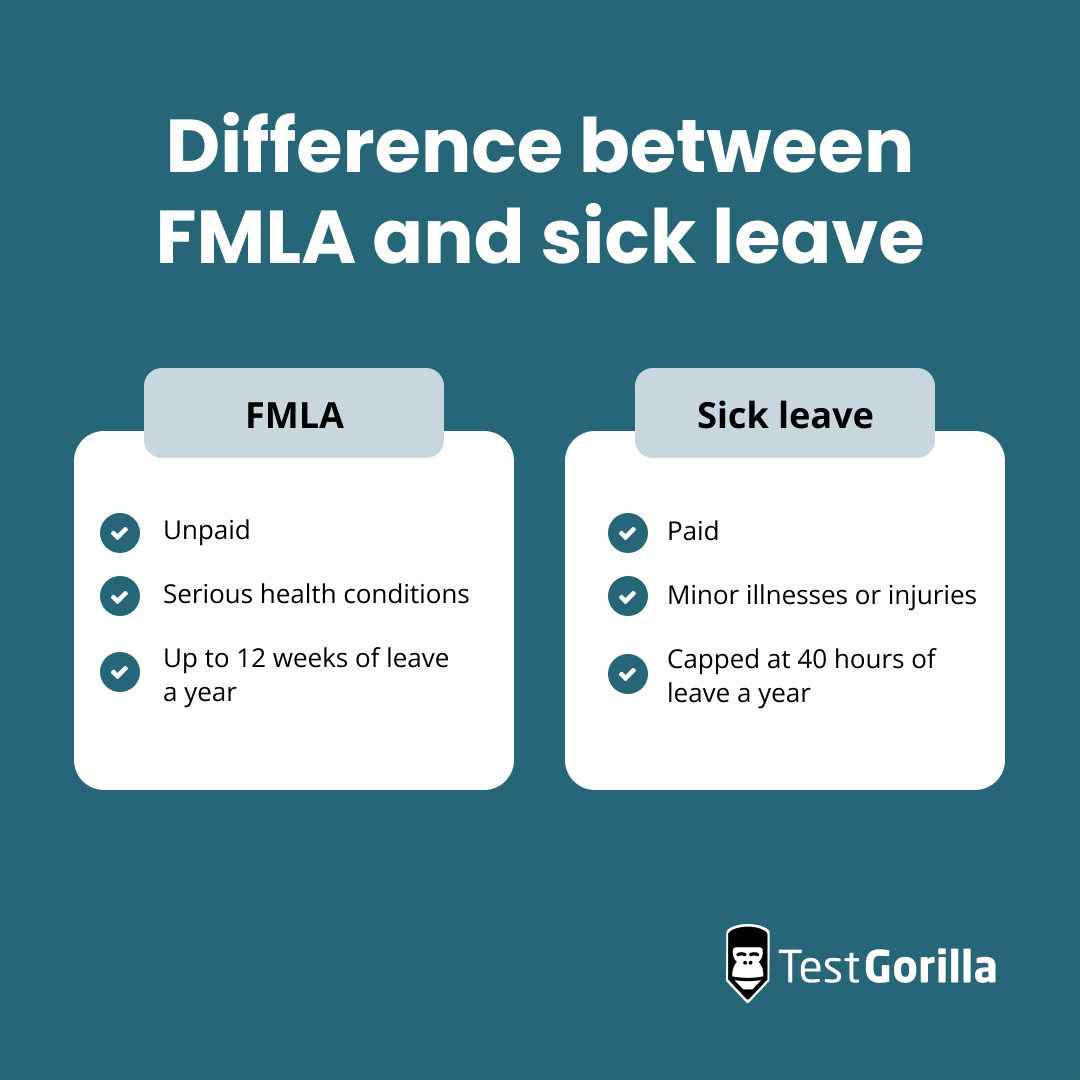
Navigating the legal landscape surrounding intermittent leave, particularly under regulations like the Family and Medical Leave Act (FMLA) in the US, is paramount. Non-compliance can result in hefty fines, legal fees, and reputational damage, all of which have significant financial consequences.
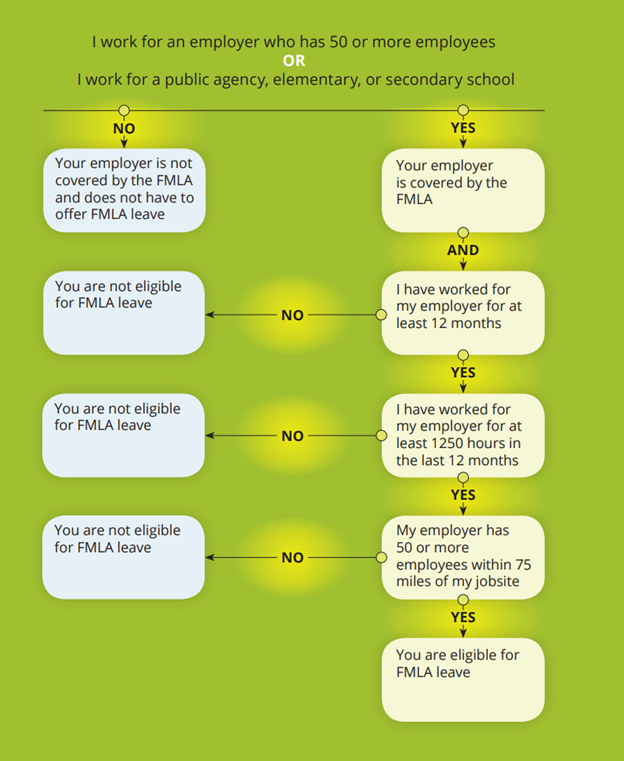
- FMLA and State-Specific Leave Laws: Understanding the nuances of FMLA eligibility, qualifying reasons for leave, and the rules around intermittent leave is essential. Similar state-specific laws may offer additional protections and requirements that businesses must adhere to.
- Documentation and Record-Keeping: Meticulous documentation of all leave requests, approvals, and time off is a legal requirement. The cost of maintaining these records, both in terms of personnel time and potentially specialized software, is a necessary investment to avoid legal pitfalls.
- Legal Counsel and Audits: Businesses may incur costs for legal counsel to ensure compliance with complex leave regulations. Regular internal or external audits of leave policies and practices can also involve significant expenditure but are vital for risk mitigation.
Operational Strategies for Managing Intermittent Leave
Successfully managing intermittent leave requires a proactive and strategic approach that goes beyond simply processing requests. It involves integrating leave management into the broader operational framework of the business.
Workforce Planning and Staffing Adjustments
Effective workforce planning is key to mitigating the operational disruptions caused by intermittent leave. This involves anticipating potential absences and developing strategies to ensure continuity.

- Cross-Training and Skill Development: Investing in cross-training employees ensures that multiple individuals can perform essential functions. This reduces the impact of any single employee’s absence, as tasks can be more seamlessly reallocated. The financial investment in training is often offset by reduced downtime and overtime costs.
- Contingency Staffing Solutions: For roles where intermittent leave is more prevalent or where specialized skills are required, businesses may consider maintaining a pool of temporary or on-call staff. This allows for rapid deployment to fill gaps without compromising ongoing operations. The cost of maintaining such a pool, whether through a staffing agency or internal reserves, needs to be weighed against the cost of lost productivity.
- Forecasting and Trend Analysis: By analyzing historical data on leave patterns, businesses can begin to forecast periods of higher potential absence. This allows for proactive adjustments to staffing levels, project timelines, and resource allocation, minimizing surprises and operational bottlenecks.
Technology Adoption for Efficiency
Leveraging technology is no longer optional when managing intermittent leave; it’s a necessity for efficient and accurate administration.
- Human Resources Information Systems (HRIS): A robust HRIS is the backbone of effective leave management. These systems can automate tracking, manage leave requests and approvals, integrate with payroll, and generate reports for analysis and compliance. The initial investment in an HRIS can yield significant long-term savings in administrative time and error reduction.
- Time and Attendance Software: Specialized time and attendance software can precisely track employee hours, including those taken as intermittent leave. This ensures accurate data for payroll and provides a clear audit trail. Many modern systems offer mobile capabilities, allowing employees to clock in and out remotely or report leave easily.
- Integrated Payroll and Benefits Platforms: For maximum efficiency, businesses should aim for integrated systems where payroll, HR, and benefits administration are connected. This eliminates data silos, reduces manual data entry, and minimizes the risk of errors that can lead to financial discrepancies.
Policy Clarity and Employee Communication
Clear, well-communicated policies are fundamental to both employee understanding and business control. Ambiguity can lead to misunderstandings, disputes, and potential legal challenges.
- Defined Leave Policies: Businesses must have clearly written policies outlining eligibility for intermittent leave, qualifying reasons, the process for requesting and approving leave, and how pay and benefits are handled. These policies should be easily accessible to all employees.
- Manager Training: Managers play a crucial role in administering intermittent leave. They need to be trained on policy specifics, how to approve requests, how to manage workload redistribution, and how to communicate with employees on leave while respecting their privacy.
- Transparent Communication Channels: Establishing open communication channels between HR, managers, and employees is vital. This ensures that employees understand their rights and responsibilities, and that businesses can communicate operational impacts and expectations clearly.
The Economic Value of Employee Well-being and Intermittent Leave
While the financial management of intermittent leave can be complex, it’s important to consider the broader economic value that accommodating such leave brings to a business. Offering flexible leave options, including intermittent leave, can be a strategic investment in employee well-being, which in turn, has tangible economic benefits.
Employee Retention and Reduced Turnover Costs
Turnover is a significant cost for any business, encompassing recruitment, onboarding, training, and lost productivity during the transition. Intermittent leave can be a critical factor in retaining valuable employees who are managing personal or family health challenges.
- The Cost of Replacement: Replacing an employee can cost anywhere from 50% to 200% of their annual salary, depending on the role and industry. Allowing employees to manage their health or family needs through intermittent leave can prevent them from having to resign, thereby saving these substantial costs.
- Morale and Loyalty: Employees who feel supported by their employer, especially during challenging times, are more likely to be loyal and engaged. This increased morale can lead to higher productivity and a more positive workplace culture, indirectly contributing to the company’s financial success.
Enhanced Productivity and Focus
When employees are not forced to choose between their job and their well-being, they can often return to work more focused and productive. Intermittent leave allows employees to manage health conditions or caregiving responsibilities without completely disengaging from their professional lives.
- Reduced Presenteeism: Presenteeism, where employees come to work while ill or preoccupied, can be just as damaging to productivity as absenteeism. Intermittent leave can reduce presenteeism by allowing employees to take necessary time off when they are not at their best.
- Talent Preservation: By offering flexibility, businesses can retain experienced and skilled employees who might otherwise be lost due to inflexible leave policies. This preserves the institutional knowledge and expertise within the organization, which is invaluable from a financial and operational perspective.
Conclusion: Strategic Management for Financial Stability
Intermittent leave, while presenting administrative and financial challenges, is an integral part of modern workforce management. For businesses, understanding its financial implications—from accurate payroll and benefit administration to the costs of lost productivity and potential legal penalties—is paramount. By adopting robust technological solutions, implementing clear policies, and prioritizing strategic workforce planning, organizations can effectively navigate the complexities of intermittent leave. Ultimately, embracing intermittent leave, when managed strategically, can not only ensure financial stability and operational efficiency but also foster a supportive work environment that enhances employee retention, morale, and overall business success. It shifts the perspective from a mere compliance requirement to a strategic tool that can contribute to a more resilient and financially sound organization.
aViewFromTheCave is a participant in the Amazon Services LLC Associates Program, an affiliate advertising program designed to provide a means for sites to earn advertising fees by advertising and linking to Amazon.com. Amazon, the Amazon logo, AmazonSupply, and the AmazonSupply logo are trademarks of Amazon.com, Inc. or its affiliates. As an Amazon Associate we earn affiliate commissions from qualifying purchases.