
Hardie Board, officially known as James Hardie fiber cement siding, has become a ubiquitous name in the construction and renovation industry. Its prevalence is not accidental; it stems from a unique blend of durability, aesthetic versatility, and performance characteristics that make it a compelling choice for homeowners and builders alike. But what exactly is this material, and why has it achieved such widespread recognition? This article delves into the core of Hardie Board, exploring its composition, manufacturing process, key benefits, and its position within the broader landscape of building materials, focusing specifically on its Brand appeal and the Marketing strategies that have propelled it to the forefront.

The Genesis of a Siding Staple: Composition and Manufacturing
At its heart, Hardie Board is a composite material, meticulously engineered to offer the best of both worlds: the appearance of natural materials with the superior performance of modern manufacturing. Understanding its composition is key to appreciating its advantages.
The Elemental Foundation: Cement, Sand, and Cellulose
The primary ingredients of Hardie Board are surprisingly straightforward, yet their precise combination and processing are what give the product its distinctive qualities. These include:
- Portland Cement: This is the binding agent, providing the structural integrity and inherent strength of the material. Portland cement is a common hydraulic cement, meaning it sets and hardens by reacting chemically with water, a process that continues over time, further strengthening the material.
- Sand (Silica): Fine sand, often referred to as silica sand, is incorporated to add bulk, enhance durability, and contribute to the material’s density. It acts as a filler, contributing to the overall stability and longevity of the board.
- Cellulose Fiber: These are wood fibers, typically derived from sustainably sourced timber. The cellulose fibers act as a reinforcing agent, providing tensile strength and helping to bind the cement and sand together. They are crucial for the material’s flexibility and resistance to cracking.
The exact proportions of these ingredients are proprietary to James Hardie, a testament to their significant investment in research and development. This careful balancing act is what allows them to achieve a material that is both robust and adaptable.
The Transformation: Proprietary Manufacturing Processes
The creation of Hardie Board is not simply a matter of mixing these components. James Hardie employs a proprietary manufacturing process that ensures consistency, quality, and the specific performance characteristics for which the product is known. While the precise details are a closely guarded trade secret, the general steps involve:
- Mixing: The raw materials are precisely measured and mixed with water to form a slurry. This slurry is then carefully blended to ensure an even distribution of all components.
- Forming: The slurry is then fed into specialized machinery where it is formed into sheets of varying thicknesses. This process is controlled to achieve the desired density and consistency across the entire sheet.
- Curing: The formed sheets undergo a curing process, typically involving steam, which accelerates the chemical reactions within the cement, leading to the development of significant strength and hardness.
- Finishing and Coating: Once cured, the boards are cut to size and undergo a series of finishing treatments. This often includes sanding and then the application of high-quality, factory-applied paint. The adherence of this paint is a critical aspect of the product’s aesthetic appeal and longevity, and James Hardie’s proprietary coating system is a significant differentiator.
This rigorous manufacturing process ensures that every piece of Hardie Board meets stringent quality standards, guaranteeing the performance and appearance that has become synonymous with the brand.
The Brand Advantage: Why Hardie Board Dominates the Siding Market
The success of Hardie Board is not solely attributable to its material composition; it is also a masterclass in Brand building and Marketing. James Hardie has strategically positioned its product as a premium, reliable, and aesthetically superior alternative to traditional siding materials, and this brand narrative has resonated deeply with consumers and the building industry.
Differentiation Through Superior Performance
The primary driver of the Hardie Board brand is its demonstrable superiority in key performance areas compared to other siding options. This superior performance is not just a claim; it’s a consistent message reinforced through marketing and product development.
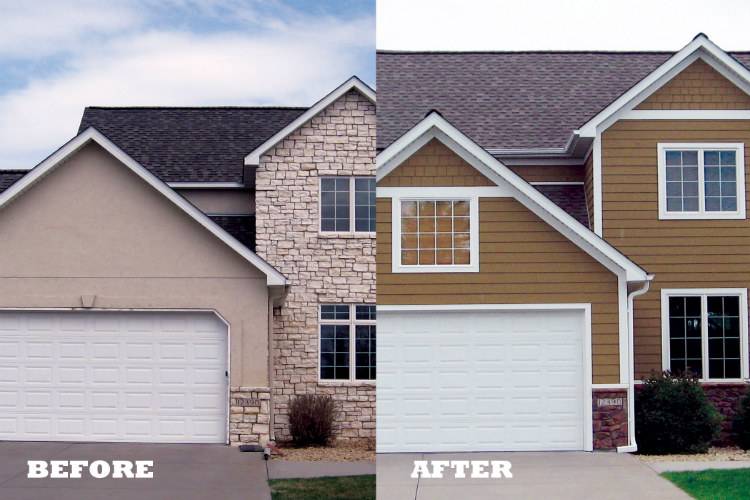
- Durability and Longevity: Unlike wood siding, Hardie Board is resistant to rot, insect infestation, and fire. Unlike vinyl siding, it is more resistant to impact, warping, and fading. This inherent durability translates to a longer lifespan and reduced maintenance, a powerful selling point for homeowners. The brand effectively communicates this by highlighting its resistance to extreme weather conditions, from high winds to harsh UV exposure.
- Weather Resistance: The material’s composition makes it exceptionally resistant to moisture absorption, preventing issues like swelling, cracking, and peeling that plague many other siding materials. This is particularly important in areas prone to rain, humidity, or significant temperature fluctuations.
- Fire Resistance: Fiber cement is non-combustible, offering a significant safety advantage. This fire-resistant property is a key differentiator, especially in areas with wildfire concerns, and is a central theme in their marketing.
- Pest Resistance: The inorganic nature of Hardie Board means it is impervious to termites, carpenter ants, and other wood-boring insects that can wreak havoc on traditional wood siding. This aspect is often emphasized in marketing campaigns targeting regions prone to such infestations.
Aesthetic Versatility: Mimicking Natural Beauty
A crucial element of the Hardie Board brand strategy is its ability to replicate the aesthetic appeal of natural building materials without their inherent drawbacks. This has allowed homeowners to achieve the look they desire while benefiting from the enhanced performance.
- Wood Grain Textures: Hardie Board siding is available in a wide range of textures, including highly realistic wood grain patterns. This allows for the creation of looks that mimic cedar shakes, clapboard, and other popular wood siding styles, providing a warm and traditional aesthetic.
- Color Palettes: The factory-applied paint system, known as ColorPlus® Technology, offers a vast spectrum of colors, from classic neutrals to contemporary hues. This extensive color selection, combined with the brand’s commitment to fade resistance, gives homeowners significant design freedom and ensures long-lasting curb appeal.
- Architectural Styles: Hardie Board is produced in various profiles and styles, including lap siding, vertical siding, shingle siding, and board and batten. This versatility allows it to complement virtually any architectural style, from historic homes to modern minimalist designs, further solidifying its broad market appeal.
Strategic Marketing and Brand Association
James Hardie has invested heavily in sophisticated marketing and brand-building initiatives to establish Hardie Board as the premium choice in the siding market.
- Targeted Advertising: Their campaigns are often directed at homeowners looking for long-term value, durability, and aesthetic sophistication. They utilize a mix of traditional media, digital marketing, and partnerships to reach their target audience.
- Professional Endorsements and Partnerships: Building trust within the professional construction community is paramount. James Hardie actively partners with architects, builders, and remodelers, providing them with product training, resources, and incentives. This creates a strong network of advocates who recommend Hardie Board to their clients.
- “HardieZone” System: The introduction of the HardieZone® system, which categorizes siding products based on specific climate needs, further strengthens their brand by demonstrating a commitment to tailored solutions. This allows consumers to understand that the product is engineered to perform optimally in their unique environmental conditions, adding a layer of perceived expertise and customer care.
- Emphasis on Longevity and Investment: The brand consistently frames Hardie Board as an investment in a home’s future. Marketing materials often highlight the long-term cost savings associated with reduced maintenance and the potential increase in home value, positioning it as a smart financial decision rather than just a building material purchase.
The Competitive Landscape: Hardie Board’s Position in the Market
In a crowded market of siding options, Hardie Board has carved out a distinct and dominant position. Its success is not only a testament to its product but also to its ability to effectively communicate its value proposition against competing materials.
Comparison Against Key Competitors
To understand Hardie Board’s market standing, it’s essential to compare it against the most prevalent siding alternatives:
- Wood Siding: While offering a natural aesthetic, wood siding is susceptible to rot, insect damage, fire, and requires significant ongoing maintenance (painting, staining, sealing). Hardie Board offers similar aesthetics with vastly superior durability and lower maintenance.
- Vinyl Siding: Vinyl is an economical option, and advancements have improved its appearance. However, it can be prone to fading, cracking, warping, and can be easily damaged by impact. Its aesthetic, while improved, still often lacks the premium look and feel of fiber cement, especially when mimicking natural wood. Hardie Board’s superior impact resistance and factory-applied color are key advantages.
- Aluminum and Steel Siding: These metal options are durable and fire-resistant but can be prone to denting and scratching. Their aesthetic is often more industrial and may not appeal to homeowners seeking traditional charm. The thermal expansion and contraction of metal can also be a concern.
The Premium Niche and Market Perception
James Hardie has successfully positioned Hardie Board in the premium segment of the siding market. This strategic branding means it is often perceived as a higher-end, more durable, and aesthetically superior choice. While the initial cost may be higher than some alternatives like vinyl, the brand narrative emphasizes the long-term value, reduced maintenance, and enhanced curb appeal, justifying the premium price point. This positioning has allowed them to capture a significant share of the market by appealing to discerning homeowners and builders who prioritize quality and longevity. The brand’s consistent messaging and product quality have cultivated a strong reputation, making “Hardie Board” almost synonymous with high-quality fiber cement siding.

Conclusion: The Enduring Appeal of a Branded Siding Solution
Hardie Board, or James Hardie fiber cement siding, is far more than just a building material; it is a carefully cultivated brand that has revolutionized the siding industry. By meticulously engineering a durable and versatile product and then artfully communicating its benefits through sophisticated marketing and brand strategy, James Hardie has established a dominant presence in the market. Its composition of cement, sand, and cellulose fiber, transformed through proprietary manufacturing, results in siding that resists rot, fire, pests, and extreme weather, while offering a remarkable ability to mimic natural materials like wood. The brand’s success lies in its ability to tap into homeowner desires for beauty, durability, and long-term value, consistently delivering on these promises through a product that is both technically superior and aesthetically pleasing. The enduring appeal of Hardie Board is a testament to the power of a well-defined brand and a product that consistently performs, making it a trusted name in home exteriors for years to come.
aViewFromTheCave is a participant in the Amazon Services LLC Associates Program, an affiliate advertising program designed to provide a means for sites to earn advertising fees by advertising and linking to Amazon.com. Amazon, the Amazon logo, AmazonSupply, and the AmazonSupply logo are trademarks of Amazon.com, Inc. or its affiliates. As an Amazon Associate we earn affiliate commissions from qualifying purchases.