
The Future of Nail Enhancement: Understanding the Technology Behind Hard Gel Nails
In the ever-evolving landscape of beauty and personal care, nail enhancements have become a significant segment, offering individuals a way to express themselves and achieve desired aesthetics. Among the various options available, hard gel nails have emerged as a prominent and sophisticated choice, often lauded for their durability, natural appearance, and versatility. While the term “hard gel” might evoke images of something rigid and inflexible, the reality of this nail enhancement technology is far more nuanced and impressive. This article delves into the core of what hard gel nails are, exploring the underlying technology, their application process, benefits, and how they represent a sophisticated advancement in the realm of cosmetic nail treatments.

The distinction between hard gel and its more pliable counterpart, soft gel (often referred to as gel polish), is crucial to understanding the technological prowess of hard gel. Soft gel is designed for easy soak-off removal and is typically applied as a polish. Hard gel, on the other hand, is a polymer that cures and hardens under UV or LED light, creating a rigid, durable structure that can be sculpted and shaped. This inherent rigidity is where its strength and longevity stem from, differentiating it fundamentally in its material composition and application.
The Molecular Marvel: Chemistry and Composition of Hard Gel
At the heart of hard gel nails lies a sophisticated blend of monomers and oligomers, primarily acrylates or methacrylates, which undergo a process called polymerization when exposed to UV or LED light. This photo-curing process transforms the liquid or semi-solid gel into a solid, resilient plastic. The specific formulation of these compounds dictates the gel’s properties, including its viscosity, curing time, and ultimate hardness.
Polymerization: The Science of Curing
The magic of hard gel occurs during polymerization. This is a chemical reaction where small molecules (monomers) link together to form long chains (polymers). In the case of hard gels, this process is initiated by a photoinitiator within the gel formula. When exposed to specific wavelengths of UV or LED light, the photoinitiator absorbs the energy and triggers the rapid bonding of the monomer molecules. This creates a cross-linked network, giving the cured gel its characteristic hardness and structural integrity. The UV or LED lamps used in salons emit the precise wavelengths required to activate these photoinitiators, ensuring a complete and thorough cure. The absence of this light exposure means the gel will remain in its uncured, liquid state, highlighting the importance of proper curing in achieving the desired outcome and ensuring client safety.
Material Science: Beyond Simple Acrylics
While sometimes confused with traditional acrylic nails, hard gel operates on a different technological principle. Acrylics involve a liquid monomer and a powder polymer that chemically react at room temperature to cure. Hard gels, conversely, rely on light to initiate the curing process. This light-curing mechanism offers several advantages. Firstly, it allows for a longer working time before curing, giving technicians more control over shaping and sculpting the enhancement. Secondly, the resulting structure is often perceived as more flexible and less prone to chipping than traditional acrylics, while still offering superior strength. The specific chemical compounds used in hard gels are engineered for optimal adhesion to the natural nail, minimal heat spikes during curing (which can cause discomfort), and a high-gloss finish that is resistant to staining.
Application Techniques: Precision Engineering for Nail Artistry
The application of hard gel nails is a meticulous process that demands precision, skill, and a deep understanding of the material’s properties. Unlike soft gels that can be brushed on like polish, hard gels are typically sculpted. This sculpting process allows for the creation of various nail shapes, lengths, and strengths, catering to individual preferences and nail conditions. The technology here lies not just in the material but also in the tools and techniques employed to manipulate it.
Sculpting and Shaping: Building the Foundation
Hard gel is often applied using forms or tips that are adhered to the natural nail. The gel is then carefully applied in layers, building up the desired length and apex (the highest point of the nail, crucial for structural integrity). This layering technique is essential for achieving both strength and a natural-looking curve. Technicians use specialized brushes and tools to manipulate the viscous gel, ensuring even distribution and precise shaping. The ability to sculpt allows for extensions that mimic the natural curvature of the nail, providing a seamless and aesthetically pleasing result. The technology here emphasizes the material’s viscosity and how it responds to manipulation before curing, enabling the creation of complex designs and corrections of nail imperfections.
Curing and Finishing: The Final Frontier of Durability
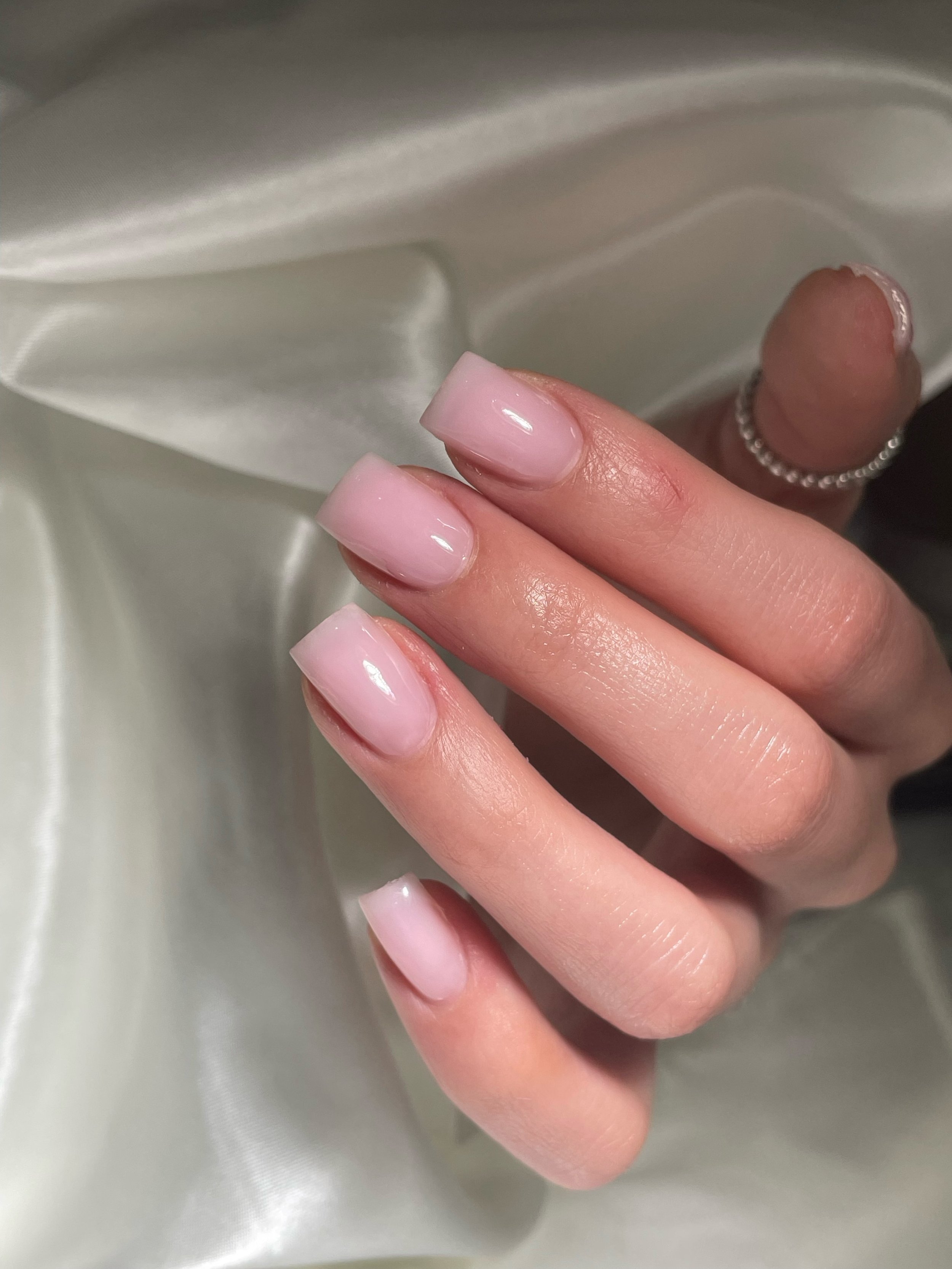
Once sculpted to perfection, the hard gel enhancement is cured under a UV or LED lamp. This is a critical step where the molecular bonds are formed, transforming the gel into a hard, durable structure. The curing time varies depending on the lamp’s wattage and the specific gel formula. After curing, the nail is filed and shaped to its final form. This filing process is where the “hard” nature of the gel is truly evident. It can be filed down to a very fine point or shaped into sharp edges without compromising the integrity of the enhancement. Buffing and polishing then complete the process, revealing a high-gloss, durable surface. The technology is paramount in ensuring that the curing process is complete, as insufficient curing can lead to lifting, chipping, and potential health issues.
The Technological Edge: Advantages of Hard Gel Enhancements
The widespread adoption of hard gel nails can be attributed to a range of technological advantages that set them apart from other nail enhancement options. These benefits extend to durability, aesthetics, and client comfort, making them a sophisticated choice for modern beauty standards.
Unparalleled Durability and Longevity
One of the most significant technological advancements of hard gel lies in its inherent durability. Once fully cured, hard gel forms a strong, rigid layer that is highly resistant to chipping, cracking, and lifting. This makes it an ideal choice for individuals with active lifestyles or those who work with their hands and require an enhancement that can withstand daily wear and tear. The cross-linked polymer network created during polymerization provides a structural integrity that can last for several weeks, significantly outperforming traditional nail polish and even some other gel systems. This longevity reduces the need for frequent touch-ups, offering a cost-effective and convenient solution.
Natural Appearance and Versatility in Design
Despite its hardness, hard gel can be formulated to achieve a remarkably natural look. The transparency of some hard gels allows for the creation of a realistic nail bed appearance, and the ability to sculpt allows technicians to mimic the natural shape and curvature of the nail precisely. This technological versatility extends to an extensive range of design possibilities. Hard gels can be used as a base for intricate nail art, embedded with glitter or other decorative elements, or colored to achieve various finishes. They also provide a stable canvas for French manicures, ombré effects, and other popular nail trends, demonstrating the material’s adaptability to evolving aesthetic demands.
Minimal Heat and Enhanced Client Comfort
Modern hard gel formulations have undergone significant technological advancements to minimize exothermic reactions during curing. This means that the curing process, while involving heat generation, is significantly less intense and uncomfortable for the client compared to older formulas or some acrylic systems. Professional technicians are trained to apply the gel in thin layers, further managing heat spikes. This enhanced client comfort contributes to the overall positive experience and reinforces the perception of hard gel as a premium and well-engineered nail enhancement solution.
The Future of Hard Gel: Innovations and Trends
The technology behind hard gel nails is not static. The beauty industry is constantly innovating, and hard gel is no exception. Research and development are focused on creating even stronger, more flexible, and more sustainable formulations.
Advanced Formulations and Sustainability
Ongoing research is exploring bio-based monomers and oligomers to create more environmentally friendly hard gel products. Furthermore, advancements in polymer chemistry are leading to formulations that offer increased flexibility without compromising strength, reducing the risk of breakage. Innovations in self-leveling formulas and faster curing times are also on the horizon, aiming to improve efficiency for technicians and enhance client satisfaction. The drive towards “clean beauty” is also influencing the development of hard gels with fewer potential irritants and allergens.
Integration with Digital Nail Art and 3D Embellishments
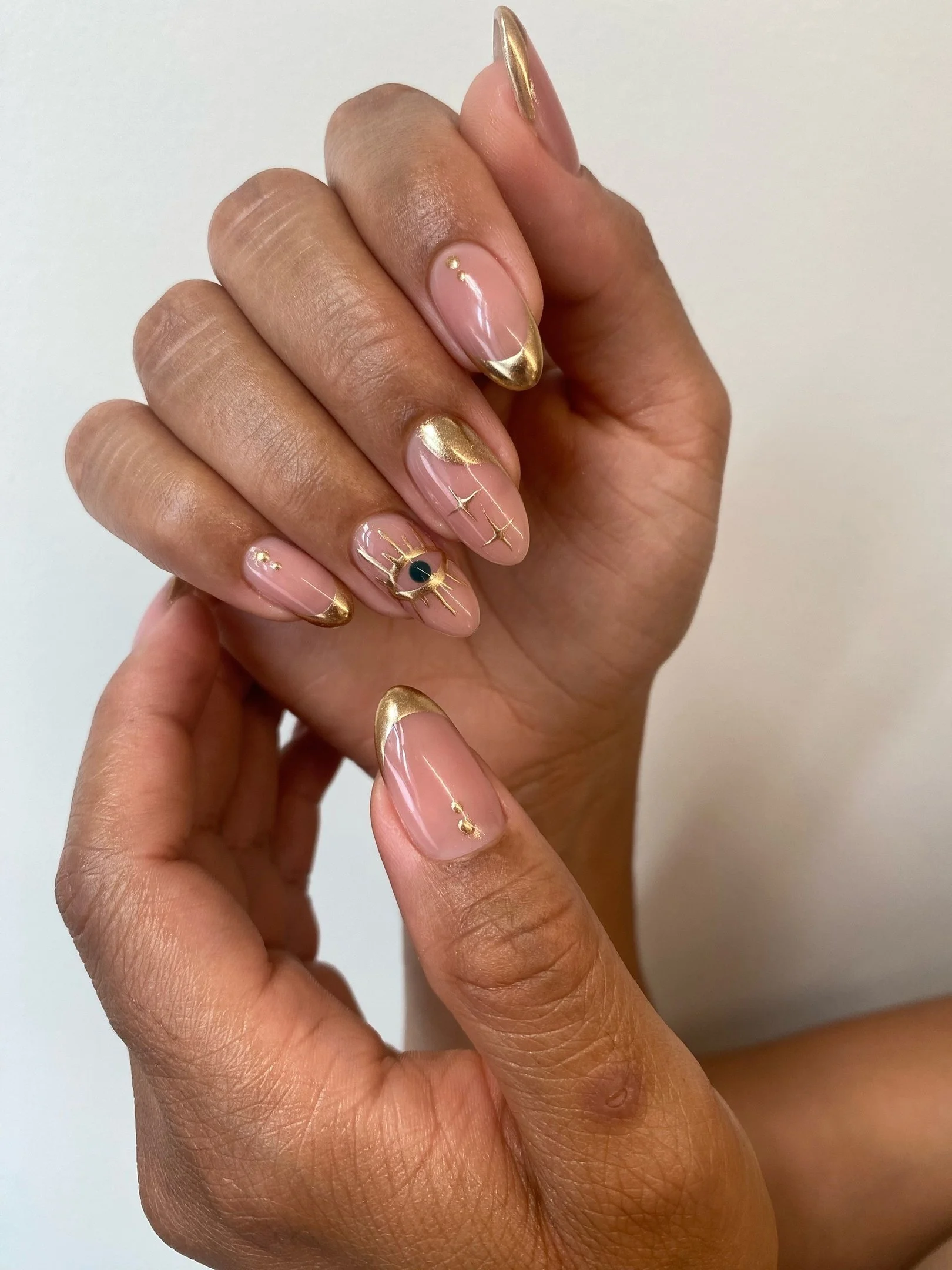
The future of hard gel also lies in its integration with digital technologies. We are seeing the rise of 3D printing and specialized applicators that can create intricate designs directly onto hard gel enhancements. The inherent strength of hard gel makes it an ideal base for these advanced embellishments, allowing for the creation of unique and personalized nail art that was previously impossible. The digital integration promises a new era of creativity and personalization in nail design, with hard gel serving as the robust foundation.
In conclusion, hard gel nails represent a sophisticated application of material science and cosmetic technology. From the precise molecular engineering that dictates their curing process to the intricate sculpting techniques employed by skilled technicians, hard gel offers a superior and highly customizable solution for modern nail enhancement. As the technology continues to evolve, hard gel nails are poised to remain at the forefront of the beauty industry, offering both unparalleled durability and a canvas for boundless creative expression.
aViewFromTheCave is a participant in the Amazon Services LLC Associates Program, an affiliate advertising program designed to provide a means for sites to earn advertising fees by advertising and linking to Amazon.com. Amazon, the Amazon logo, AmazonSupply, and the AmazonSupply logo are trademarks of Amazon.com, Inc. or its affiliates. As an Amazon Associate we earn affiliate commissions from qualifying purchases.