
Hard cider, a beverage with a rich history and a burgeoning modern presence, is more than just fermented apple juice. It represents a fascinating intersection of agriculture, craftsmanship, and, increasingly, a strategic market opportunity. While its definition might seem straightforward – alcoholic cider – understanding its nuances, production methods, and market positioning reveals a compelling story, particularly through the lens of business and brand development. This exploration delves into the world of hard cider, not just as a drink, but as a product with significant brand potential and economic implications within the broader beverage industry.
The Fundamental Definition and Its Evolution
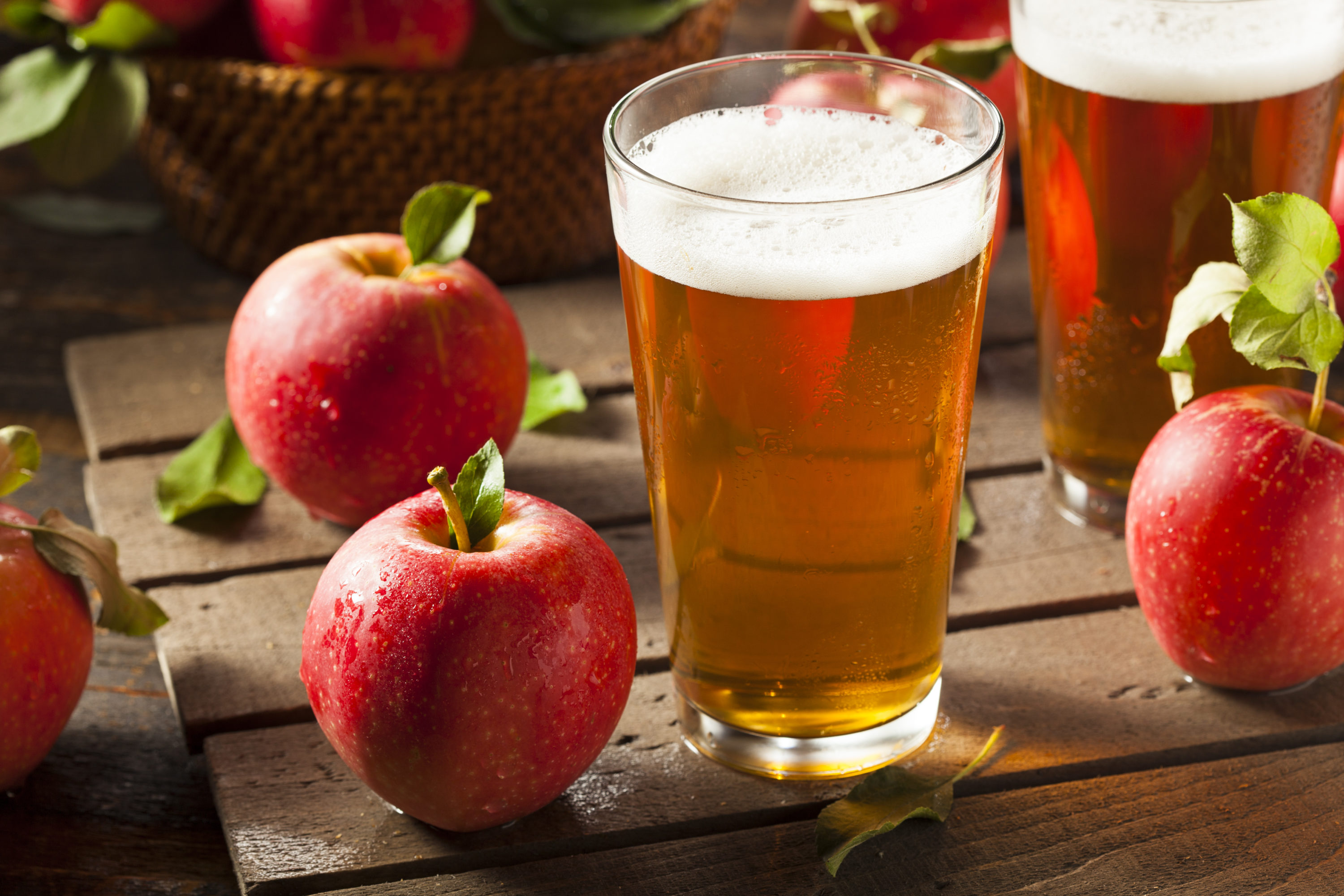
At its core, hard cider is a fermented alcoholic beverage made from the juice of apples. Unlike its non-alcoholic counterpart, sweet cider, hard cider undergoes fermentation, a process where yeast converts sugars into alcohol and carbon dioxide. This simple transformation is the genesis of its alcoholic content, typically ranging from 4% to 8% ABV, though some varieties can be stronger.
From Ancient Roots to Modern Revival
The origins of hard cider are ancient, predating wine in many cultures. Evidence suggests its consumption dates back thousands of years, with roots possibly in the Fertile Crescent. As apples spread globally, so did cider-making. In Europe, particularly in regions like Britain, France, and Spain, cider became a staple beverage, often eclipsing beer and wine due to the prevalence of apple orchards and the relative ease of fermentation. The “hard” in hard cider historically distinguished it from the sweet, unfiltered juice.
The beverage’s journey to North America was alongside colonial settlers. However, various factors, including the rise of the industrial lager beer industry, Prohibition in the United States, and changing consumer preferences, led to a significant decline in hard cider’s popularity throughout the 20th century. The early 21st century has witnessed a remarkable resurgence, driven by a renewed appreciation for artisanal products, a growing interest in gluten-free alternatives, and innovative marketing by producers. This revival has transformed hard cider from a niche product to a significant contender in the beverage market, attracting both established beverage giants and independent craft producers.
Key Differentiating Factors
Understanding what distinguishes hard cider from other alcoholic beverages is crucial for appreciating its market niche.
Apple Variety and Quality: The Foundation of Flavor
The type and quality of apples used are paramount to the flavor profile of hard cider. Unlike the apples typically found in grocery stores, cider apples are often specifically cultivated for their unique balance of tannins, acidity, and sugar. These apples fall into categories:
- Sweet Apples: High in sugar, low in tannins and acidity. Examples include Golden Delicious.
- Sharp Apples: High in acidity, low in tannins. Examples include McIntosh.
- Bittersweet Apples: High in tannins, moderate sugar and acidity. These are crucial for providing body and complexity. Examples include Kingston Black and Dabinett.
- Bittersharp Apples: High in tannins and acidity. Examples include Michelin and Bulmer’s Norman.
A well-crafted hard cider often utilizes a blend of these apple types to achieve a balanced and nuanced flavor. The absence of solely dessert apples, which can lead to overly sweet or one-dimensional ciders, is a mark of serious producers.
The Fermentation Process: Craftsmanship in Action
The magic of hard cider lies in its fermentation. Yeast consumes the natural sugars present in apple juice, producing alcohol and carbon dioxide. The style of yeast employed, the temperature of fermentation, and the duration all significantly influence the final product.
- Primary Fermentation: This is the main stage where most of the sugar is converted to alcohol.
- Secondary Fermentation (Optional): Some producers employ a secondary fermentation, often in the bottle or tank, to create carbonation and further develop complexity. This is common in traditional methods like Méthode Champenoise, where cider is carbonated in the bottle, similar to champagne.
The level of residual sugar after fermentation determines whether a cider is dry, off-dry, or sweet. Dry ciders have very little residual sugar, while sweet ciders retain a significant amount. This spectrum of sweetness, alongside varying levels of acidity and tannin, creates a vast range of flavor profiles.
The Business of Hard Cider: Market Dynamics and Brand Building
The resurgence of hard cider has not gone unnoticed by the business world. Its growing popularity presents a compelling case study in market penetration, brand differentiation, and consumer appeal, especially within the competitive landscape of alcoholic beverages.
Market Growth and Consumer Trends
Hard cider has experienced robust growth, particularly in North America and Europe. This expansion is fueled by several key consumer trends:
- Gluten-Free Alternative: As awareness of gluten sensitivities and celiac disease has grown, hard cider has emerged as a naturally gluten-free alternative to beer, attracting a significant segment of the market.
- Desire for Variety and Craftsmanship: Consumers are increasingly seeking beverages with unique flavors and artisanal origins. Hard cider, with its diverse apple varietals and craft production methods, taps directly into this desire for authenticity and quality.
- Health Consciousness: While alcoholic, cider can be perceived as a more “natural” beverage compared to some mass-produced beers or spirits, often with fewer artificial ingredients.
- Exploration of New Flavors: Beyond traditional apple, producers are experimenting with fruit infusions, spices, and different fermentation techniques, appealing to adventurous palates.
This market dynamism makes hard cider an attractive proposition for both established beverage companies looking to diversify their portfolios and for new entrepreneurs seeking to carve out a niche.
Brand Strategy and Differentiation in a Crowded Market
In a market that is becoming increasingly saturated, effective brand strategy is paramount for hard cider producers. Differentiation is key to standing out and capturing consumer attention.
Crafting a Unique Brand Identity
A compelling brand for hard cider goes beyond just a logo and attractive packaging. It involves telling a story that resonates with the target audience.
- Origin Story: Highlighting the heritage of apple orchards, the family legacy, or the specific region where the apples are grown can create a powerful narrative. For instance, a brand emphasizing its deep roots in a historic cider-making region will evoke a sense of tradition and authenticity.
- Production Philosophy: Whether the focus is on traditional methods, organic farming, unique yeast strains, or innovative flavor profiles, communicating this philosophy clearly helps define the brand’s unique selling proposition.
- Target Audience: Understanding who the ideal consumer is – whether they are craft beer enthusiasts looking for alternatives, health-conscious individuals, or those seeking a sophisticated beverage – will shape the brand’s messaging, visual identity, and distribution strategy.
Packaging and Presentation: The First Impression

Packaging is often the first point of contact a consumer has with a hard cider brand. It needs to be both informative and visually appealing.
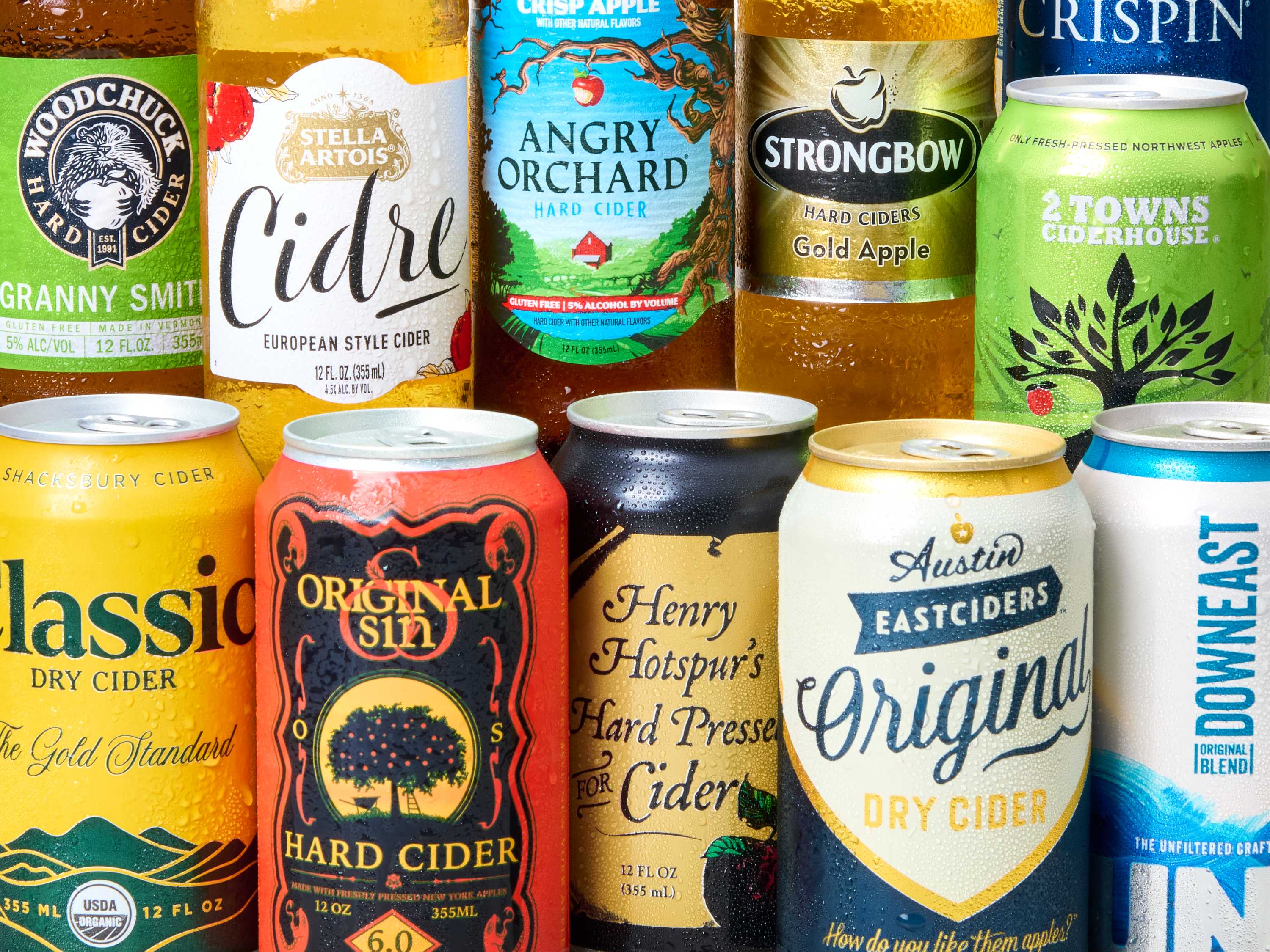
- Label Design: Labels can range from rustic and traditional, emphasizing heritage, to modern and minimalist, conveying sophistication. The design should communicate the cider’s style (e.g., dry, off-dry, fruited), its ABV, and key flavor notes.
- Bottle and Can Formats: The choice of bottle or can can also contribute to the brand image. Cans are often favored for their portability and eco-friendliness, appealing to a more casual consumer. Traditional bottles, especially those with corks or unique closures, can signal a more premium or artisanal product.
- Brand Messaging on Packaging: Concise and impactful descriptions of the cider’s flavor profile, origin, or unique qualities on the label are crucial for guiding consumer choice.
Building Brand Loyalty Through Quality and Experience
Ultimately, long-term success hinges on delivering a consistently high-quality product and creating positive consumer experiences.
- Taste and Quality: The most potent branding tool is an exceptional product. Consistent quality ensures repeat purchases and positive word-of-mouth marketing.
- Consumer Engagement: Engaging with consumers through social media, tasting events, and direct communication can build a loyal community around the brand.
- Partnerships and Collaborations: Collaborating with other local businesses, restaurants, or even complementary brands can expand reach and enhance brand perception.
Financial Considerations and Investment Opportunities in Hard Cider
The burgeoning hard cider market presents intriguing financial considerations for both producers and investors. From the economics of apple cultivation to the capital required for brewing and distribution, understanding the financial landscape is crucial for success.
The Economics of Apple Cultivation and Production
The foundation of any hard cider brand is its raw material: apples. The economics of sourcing and cultivating these apples significantly impacts the cost of production and, consequently, the pricing and profitability of the final product.
Orchard Management and Apple Sourcing
- Specialty Apple Orchards: While some cideries use apples from traditional orchards, many invest in or partner with growers who cultivate specific cider apple varietals. These trees may have different growth cycles, yields, and disease resistance, influencing their cost.
- Geographic Influence: The climate and soil of a region play a vital role in apple quality. Regions renowned for apple production, such as parts of New England, the Pacific Northwest, or Normandy in France, often command premium prices for their fruit, but also yield superior cider apples.
- Supply Chain Management: Establishing reliable relationships with growers, securing consistent supply, and managing the logistics of apple transport are critical operational challenges. Fluctuations in crop yields due to weather or disease can create significant supply chain disruptions.
Production Costs and Economies of Scale
The cost of turning apples into hard cider involves several key components:
- Crushing and Pressing: This requires specialized equipment to extract juice from apples.
- Fermentation Vessels: Stainless steel tanks or oak barrels are needed for fermentation. The choice impacts both cost and the flavor profile of the cider.
- Yeast and Additives: Specific yeast strains, nutrients, and fining agents can add to production costs.
- Labor: Skilled labor is required for fermentation management, quality control, and bottling.
- Packaging: Bottles, cans, labels, and caps represent a significant recurring cost.
- Overhead: Facility costs, utilities, and insurance contribute to the overall cost of goods sold.
Producers often seek economies of scale to reduce per-unit costs. Larger production volumes allow for more efficient use of equipment and bulk purchasing of supplies. However, this also requires significant upfront capital investment.
Investment and Funding in the Hard Cider Industry
The growth trajectory of the hard cider market makes it an attractive sector for investment. Various funding avenues are available to support new ventures and expansions.
Seed Funding and Angel Investment
- Startup Capital: For new hard cider companies, seed funding is often sought from friends, family, and individual angel investors who believe in the business plan and the market potential.
- Industry Expertise: Angel investors with experience in the beverage or agricultural sectors can provide not only capital but also invaluable mentorship and industry connections.
Venture Capital and Private Equity
- Growth Capital: As hard cider brands gain traction and demonstrate scalability, they may attract investment from venture capital (VC) firms or private equity (PE) groups. These investors typically look for companies with a strong growth potential, a clear competitive advantage, and a solid management team.
- Acquisitions: Larger beverage conglomerates have also been active in acquiring successful craft cider brands, recognizing the market appeal and potential for integration into their existing distribution networks. This can offer a lucrative exit strategy for early investors and founders.
Debt Financing and Small Business Loans
- Operational Expenses: Traditional debt financing through banks or government-backed loan programs can be used to fund operational expenses, purchase equipment, or manage working capital needs.
- Brewery Infrastructure: Securing loans for the construction or expansion of cider production facilities is a common funding strategy.
Crowdfunding and Community Support
- Niche Appeal: For smaller, community-focused cideries, crowdfunding platforms can be an effective way to raise capital while simultaneously building a loyal customer base and generating buzz. Backers often receive perks such as exclusive cider releases or branded merchandise.
Profitability and Market Valuation
The profitability of a hard cider business depends on a variety of factors, including pricing strategy, production efficiency, brand strength, and distribution reach.
- Pricing Strategy: Hard ciders are typically priced higher than mass-produced beers but often competitively with craft beers and wines. The price point reflects the quality of ingredients, the artisanal production methods, and the perceived value of the brand.
- Distribution Channels: Access to effective distribution channels (e.g., distributors, direct-to-consumer sales, on-premise accounts) is critical for maximizing sales volume and, therefore, profitability.
- Brand Equity: A strong brand commands higher prices and fosters consumer loyalty, leading to more consistent sales and a higher market valuation. Companies with well-established brands and a loyal following are more attractive to investors and potential acquirers.
The hard cider industry, while still a niche compared to beer or wine, offers a compelling blend of tradition and innovation, presenting significant opportunities for brands that can effectively navigate its production, marketing, and financial complexities.
aViewFromTheCave is a participant in the Amazon Services LLC Associates Program, an affiliate advertising program designed to provide a means for sites to earn advertising fees by advertising and linking to Amazon.com. Amazon, the Amazon logo, AmazonSupply, and the AmazonSupply logo are trademarks of Amazon.com, Inc. or its affiliates. As an Amazon Associate we earn affiliate commissions from qualifying purchases.