
First-person view (FPV) drones represent a significant evolution in the world of unmanned aerial vehicles (UAVs), offering an immersive and dynamic flying experience far removed from the conventional point-and-shoot aerial photography. Unlike traditional camera drones that provide a stabilized overhead view, FPV drones are designed for agility, speed, and a direct, pilot-centric perspective. This allows for a level of control and maneuverability that opens up a vast array of applications, from thrilling cinematic shots to competitive racing and even advanced industrial inspection. At its core, FPV flying is about experiencing the thrill of flight as if you were truly in the cockpit, thanks to specialized equipment and a distinct piloting approach.
The Core Components of an FPV Drone System
Understanding what an FPV drone is requires a deep dive into its constituent parts. The entire system is built around delivering that immersive first-person perspective. This isn’t just about the drone itself; it’s a holistic setup that integrates hardware and software to create a seamless flying experience. The key elements work in concert, with each playing a crucial role in enabling the FPV pilot to navigate and control the aircraft effectively and to see the world from its aerial vantage point.
The FPV Drone Airframe and Propulsion
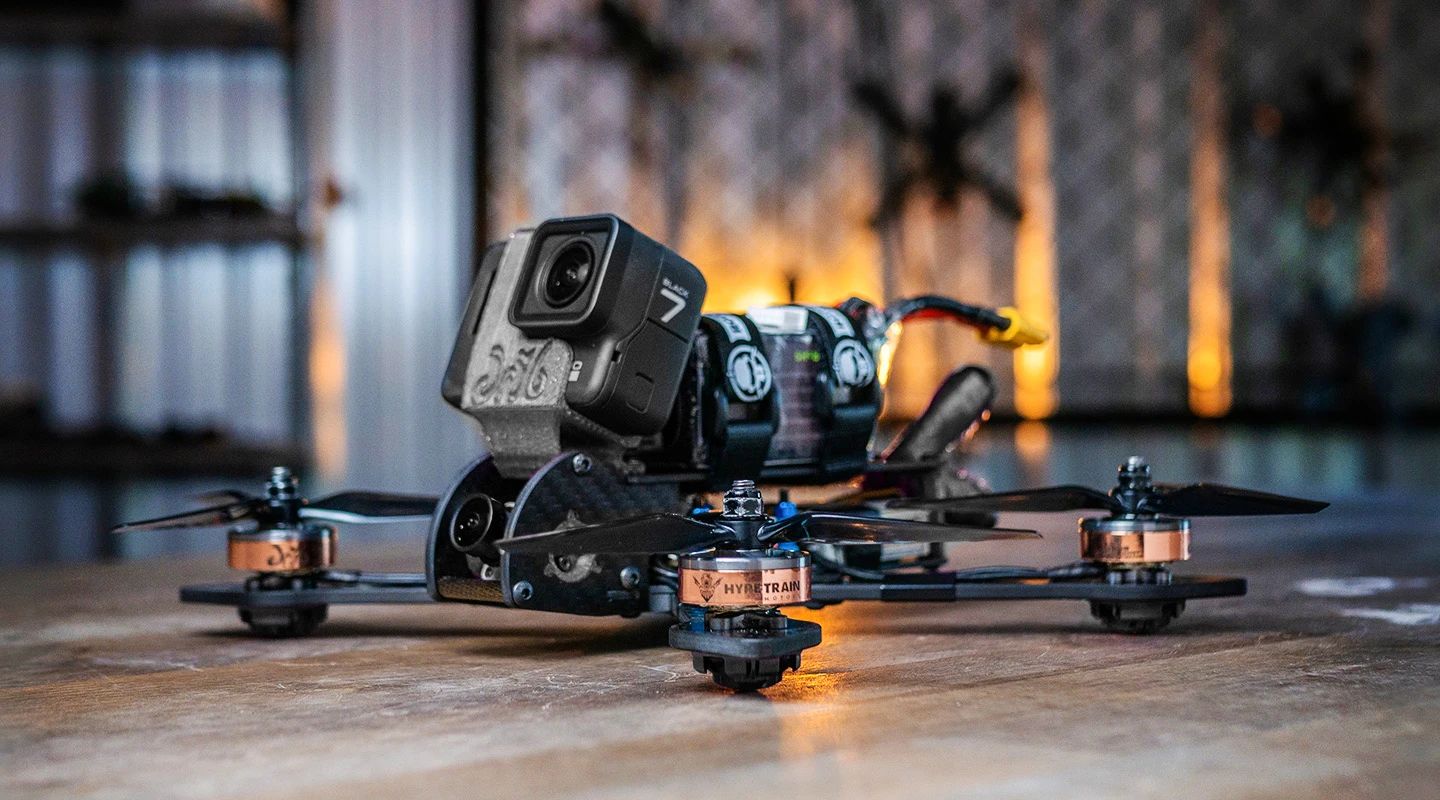
The airframe of an FPV drone is typically much smaller and more robust than that of a consumer camera drone. They are often constructed from lightweight yet strong carbon fiber, designed to withstand crashes and impacts that are common in dynamic flying. The shape of the frame, often a quadcopter configuration, is optimized for maneuverability and responsiveness.
The propulsion system is where FPV drones truly shine in terms of performance. They utilize high-speed brushless motors paired with propellers designed for thrust and agility. The power-to-weight ratio is paramount, enabling rapid acceleration, sharp turns, and the ability to perform complex aerial maneuvers. Electronic Speed Controllers (ESCs) manage the power delivery to each motor, translating pilot inputs into precise rotational speeds. The flight controller, the brain of the drone, receives signals from the pilot and interprets them to dictate how the ESCs adjust motor speeds, thereby controlling the drone’s altitude, direction, and orientation.
The FPV Camera and Video Transmission System
The “first-person view” in FPV drones is made possible by the FPV camera. This is a small, wide-angle camera mounted on the front of the drone. Unlike the high-resolution, stabilized cameras found on most commercial drones, FPV cameras prioritize low latency and a clear, real-time video feed. The quality is sufficient for piloting, but the primary goal is not cinematic resolution; it’s about providing the pilot with an immediate, unadulterated view of what the drone is seeing.
This video feed is then transmitted wirelessly to the pilot’s ground station. The video transmission system consists of a video transmitter (VTX) on the drone and a compatible receiver on the ground. The VTX encodes the video signal from the FPV camera and broadcasts it over a designated radio frequency. The range and quality of this transmission are critical for a good FPV experience. Interference and signal degradation can lead to a choppy or lost video feed, making it difficult or impossible to fly. Modern VTXs offer various power outputs and channels to optimize performance and avoid interference with other devices.
The Radio Transmitter and Receiver
The pilot’s input is crucial for controlling an FPV drone, and this is facilitated by a radio transmitter (controller) and receiver system. The radio transmitter, held by the pilot, sends control signals wirelessly to the drone’s receiver. These signals dictate commands such as throttle (altitude), yaw (rotation), pitch (forward/backward movement), and roll (left/right movement). The sticks on the transmitter are highly sensitive, allowing for nuanced and precise control.
The radio receiver, mounted on the drone, picks up these signals from the transmitter. It then relays them to the flight controller, which translates them into actions for the drone’s motors. The reliability and range of this radio link are paramount. A lost radio signal can lead to an uncontrolled descent or crash. Pilots often use telemetry data transmitted back from the drone (e.g., battery voltage, signal strength) to monitor the health of their connection and the drone’s status.
The Goggles and Ground Station
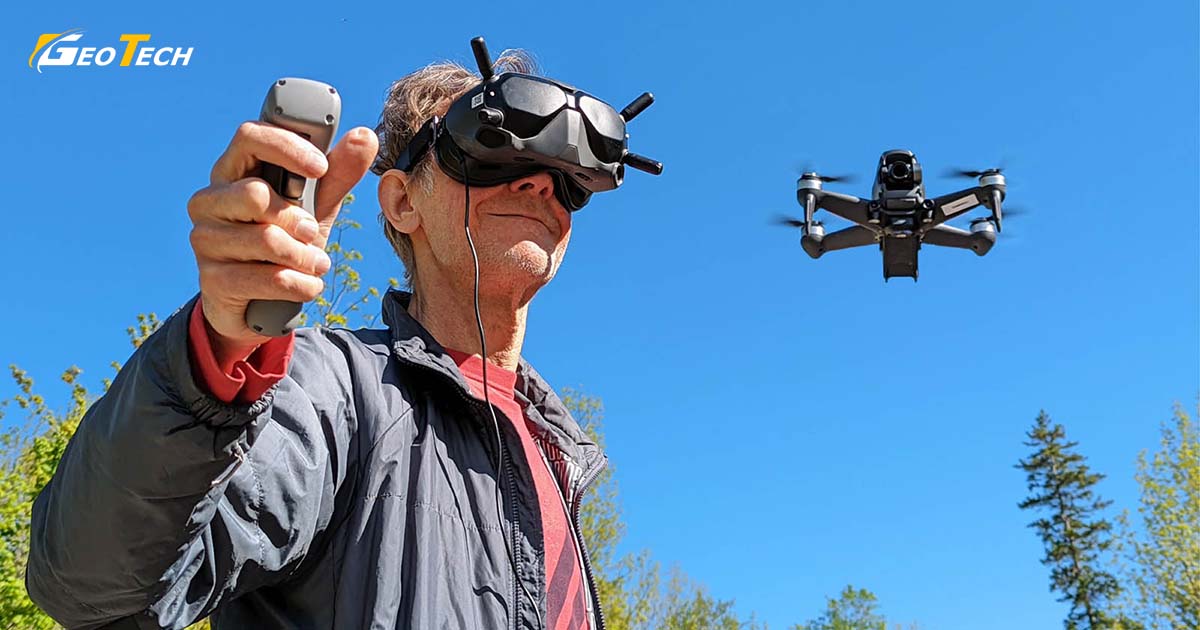
The immersive experience of FPV flying is truly realized through the use of video goggles, often referred to as FPV goggles or headset. These goggles have two small screens, one for each eye, that display the live video feed transmitted from the drone. This creates a stereoscopic effect, making the pilot feel as though they are actually inside the drone, looking out at the world. The wide field of view offered by the goggles further enhances this sense of presence and immersion.
The goggles are typically equipped with video receivers that tune into the specific frequency and channel being used by the drone’s VTX. Some advanced goggles also offer features like diversity reception, which uses multiple antennas to automatically select the strongest signal, thereby improving video link stability. The combination of the drone’s FPV camera feed, the pilot’s radio control inputs, and the immersive view provided by the goggles constitutes the complete FPV system, enabling a uniquely engaging way to interact with aerial technology.
The Distinct Flying Styles Enabled by FPV Drones
The technical capabilities of FPV drones unlock a spectrum of flying styles, each with its own challenges, rewards, and applications. This goes beyond simply piloting; it’s about adopting a new mode of aerial engagement that leverages the unique characteristics of FPV technology.
Cinematic FPV Flying
Cinematic FPV flying has revolutionized aerial videography and filmmaking. Instead of the sweeping, stable shots often associated with traditional camera drones, FPV drones excel at dynamic, fluid, and breathtaking camera movements. Piloting an FPV drone with a high-quality camera attached allows for incredibly close passes by subjects, intricate dives and climbs, and follow shots that feel incredibly intimate and exciting. The pilot can weave through trees, fly under bridges, and navigate tight spaces with a level of precision that would be impossible with a larger, less agile drone. This style demands exceptional piloting skills, a keen eye for composition, and a deep understanding of the drone’s capabilities. It often involves practice and refinement to achieve the desired smooth, professional-looking footage, pushing the boundaries of what’s visually possible from the air.
FPV Racing
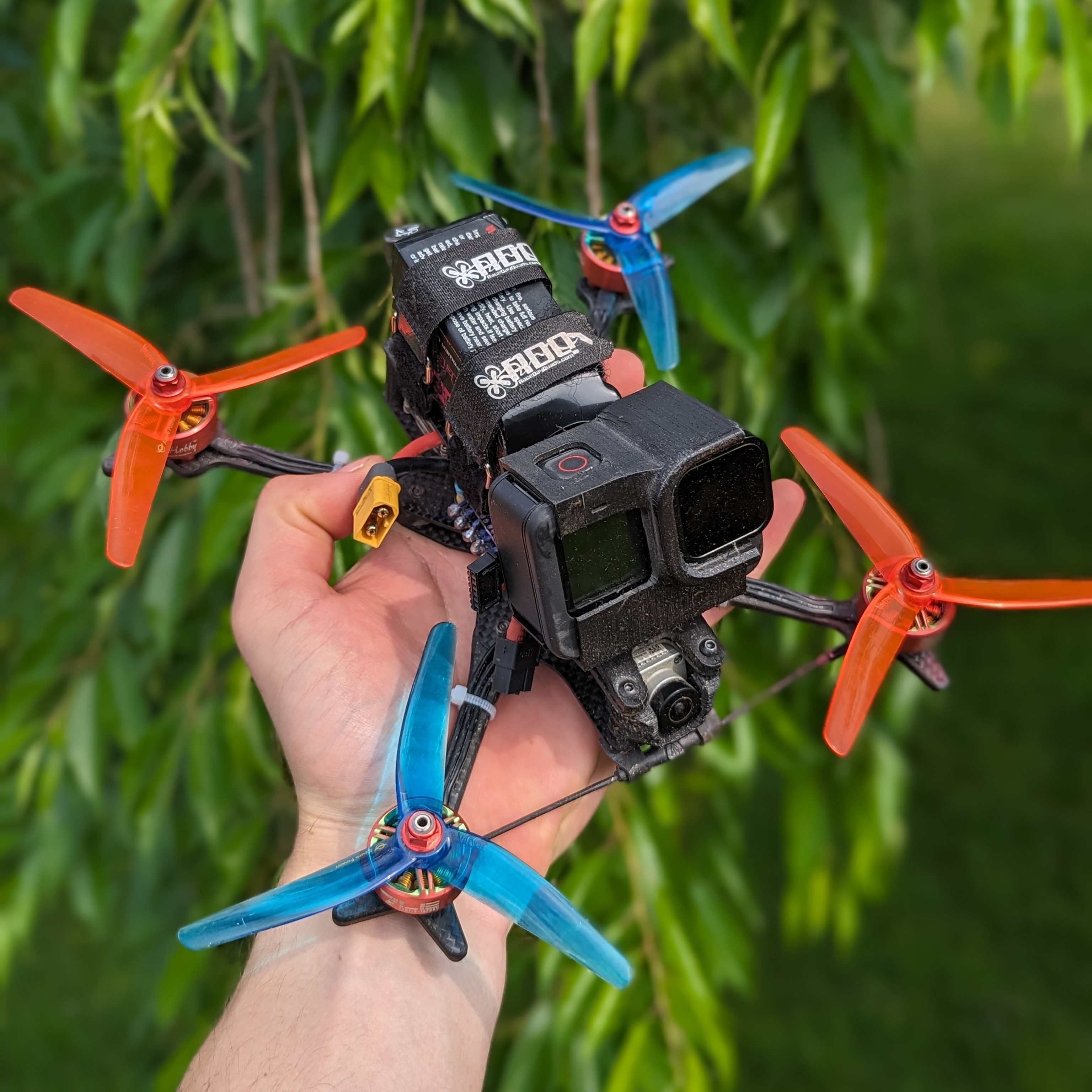
FPV racing is a high-octane sport that pits pilots against each other in complex, often challenging courses. These races are typically held indoors or outdoors in specially designed arenas or natural environments. The drones used for racing are built for extreme speed and agility, often sacrificing payload capacity for maximum performance. Pilots navigate through gates, around obstacles, and along tight turns at exhilarating speeds, all while experiencing the race from the drone’s perspective through their goggles. The reaction times required are incredibly fast, and the competition is fierce. FPV racing has grown into a significant esports, with professional leagues and tournaments attracting global attention. It showcases the pinnacle of FPV piloting skill and the advanced engineering of racing drones.
Freestyle FPV Flying
Freestyle FPV flying is all about creative expression and technical prowess. Pilots showcase their skills by performing a wide range of aerial acrobatics, including flips, rolls, dives, and intricate maneuvers. There are no strict courses or objectives in freestyle; the emphasis is on pushing the limits of the drone and the pilot’s abilities to create visually stunning and technically challenging routines. This style often involves flying in diverse environments, from urban landscapes to natural terrains, looking for opportunities to interact with the surroundings in innovative ways. Freestyle pilots develop unique styles and signatures, constantly seeking to innovate and impress with their aerial artistry. It’s a blend of raw piloting talent, creativity, and a deep understanding of the drone’s flight characteristics.
Hybrid and Professional Applications
Beyond the recreational and competitive realms, FPV technology is finding its way into professional and industrial applications. For tasks requiring intricate inspection of infrastructure, such as bridges, wind turbines, or power lines, FPV drones offer a safer and more efficient alternative to traditional methods. The pilot can get up close to the structure, maneuver into tight spots, and capture detailed visual data without the need for expensive scaffolding or human risk. Similarly, in search and rescue operations, FPV drones can quickly survey difficult terrain or assess dangerous situations from a safe distance, providing critical real-time information to ground teams. The agility and direct visibility make them invaluable tools for a variety of specialized tasks where precision and immediate situational awareness are paramount.
The Learning Curve and Skill Development in FPV Piloting
Embarking on the journey of FPV drone piloting is an exciting endeavor, but it’s crucial to acknowledge that it involves a unique and often steep learning curve. Unlike the intuitive controls of consumer drones, FPV flying demands a different approach to control and perception, requiring dedication to develop the necessary skills.
Mastering the Controls and Simulator Training
The fundamental difference in FPV piloting lies in how the controls are interpreted. The traditional “mode 2” transmitter setup, with the left stick controlling throttle and yaw, and the right stick controlling pitch and roll, requires a complete rewiring of spatial awareness and control inputs. Pilots must learn to coordinate simultaneous movements of multiple controls to achieve desired flight paths. This is where FPV simulators become invaluable. These software programs replicate the physics and flight characteristics of FPV drones, allowing aspiring pilots to practice in a risk-free virtual environment. Consistent practice on a simulator helps build muscle memory and a subconscious understanding of how the drone will respond to inputs, making the transition to real-world flying much smoother and safer.
Understanding Drone Behavior and Aerodynamics
A deeper understanding of how an FPV drone behaves in the air is essential. This includes comprehending concepts like drift, momentum, and the effects of wind. FPV drones, especially smaller ones, are highly susceptible to external forces. Learning to anticipate and compensate for these forces is a key aspect of skillful piloting. Pilots must also develop an intuitive sense of the drone’s orientation and its relationship to the environment, even when it’s flying away from them. This involves constant mental processing of visual cues and control inputs, a skill that sharpens with experience.
Safety Protocols and Best Practices
Safety is paramount in FPV drone operation. Due to their speed and agility, FPV drones can pose a significant risk if not handled responsibly. Establishing and adhering to strict safety protocols is non-negotiable. This includes performing pre-flight checks of all equipment, understanding local aviation regulations and no-fly zones, and always maintaining visual line of sight with the drone (even with goggles, a spotter can be crucial). Learning emergency procedures, such as how to recover from a flip or what to do if the video signal is lost, is also a critical part of training. Responsible FPV pilots prioritize the safety of themselves, others, and property at all times, recognizing that the thrill of flight comes with significant responsibility.
The Evolution and Future of FPV Drones
The FPV drone landscape is in a constant state of flux, driven by rapid technological advancements and an ever-growing community of enthusiasts and professionals. The trajectory of FPV technology suggests a future where these agile aircraft become even more capable, accessible, and integrated into various aspects of our lives.
Advancements in Hardware and Software
Recent years have seen remarkable progress in the components that make up FPV systems. Flight controllers are becoming more sophisticated, offering advanced stabilization algorithms, obstacle avoidance capabilities, and integration with GPS for position hold and return-to-home features, even on some racing-oriented quads. Video transmission technology is also evolving, with digital FPV systems offering significantly clearer and more reliable video feeds compared to analog systems, albeit often at a higher cost. Battery technology continues to improve, providing longer flight times and more powerful energy density, allowing for more sustained performance. Furthermore, the integration of AI and machine learning is beginning to influence FPV drone capabilities, potentially leading to more autonomous flight modes and intelligent assistance for pilots.
Expanding Applications and Market Growth
As FPV drones become more capable and easier to fly, their applications are expanding beyond the traditional hobbyist market. In industries like film and television, FPV cinematography is becoming increasingly standard for creating dynamic and engaging aerial shots. Their utility in industrial inspections, emergency services, and even agriculture is growing as the benefits of their agility and detailed visual feedback become more apparent. The market for FPV drones, encompassing both ready-to-fly systems and DIY kits, is projected to continue its growth, driven by both increasing consumer interest and the expanding adoption by commercial and professional users.
The Role of the FPV Community and Innovation
A significant driving force behind the innovation in FPV technology is the vibrant and passionate community of pilots, builders, and developers. Online forums, social media groups, and real-world meetups foster a collaborative environment where knowledge is shared, new ideas are generated, and challenges are overcome. This community plays a crucial role in testing new hardware and software, providing feedback to manufacturers, and pushing the boundaries of what’s possible with FPV flight. The open-source nature of much of the flight control software also allows for rapid iteration and customization, ensuring that FPV technology remains at the forefront of aerial innovation. The future of FPV drones is intrinsically linked to the continued ingenuity and dedication of this global community.
aViewFromTheCave is a participant in the Amazon Services LLC Associates Program, an affiliate advertising program designed to provide a means for sites to earn advertising fees by advertising and linking to Amazon.com. Amazon, the Amazon logo, AmazonSupply, and the AmazonSupply logo are trademarks of Amazon.com, Inc. or its affiliates. As an Amazon Associate we earn affiliate commissions from qualifying purchases.