
In the modern workspace, efficiency, comfort, and aesthetic appeal are paramount. While we often focus on the larger components of our desk setups – the monitor, the keyboard, the chair – smaller accessories can have a surprisingly significant impact on our daily productivity and overall user experience. Among these, the humble desk pad has quietly, yet effectively, carved out a vital role. Far from being a mere decorative item, a well-chosen desk pad is a functional tool that enhances ergonomics, protects surfaces, and contributes to a more organized and visually pleasing work environment. This article delves into the multifaceted uses of desk pads, exploring how they can transform your desk from a mere surface into an optimized hub for work, creativity, and focused activity.
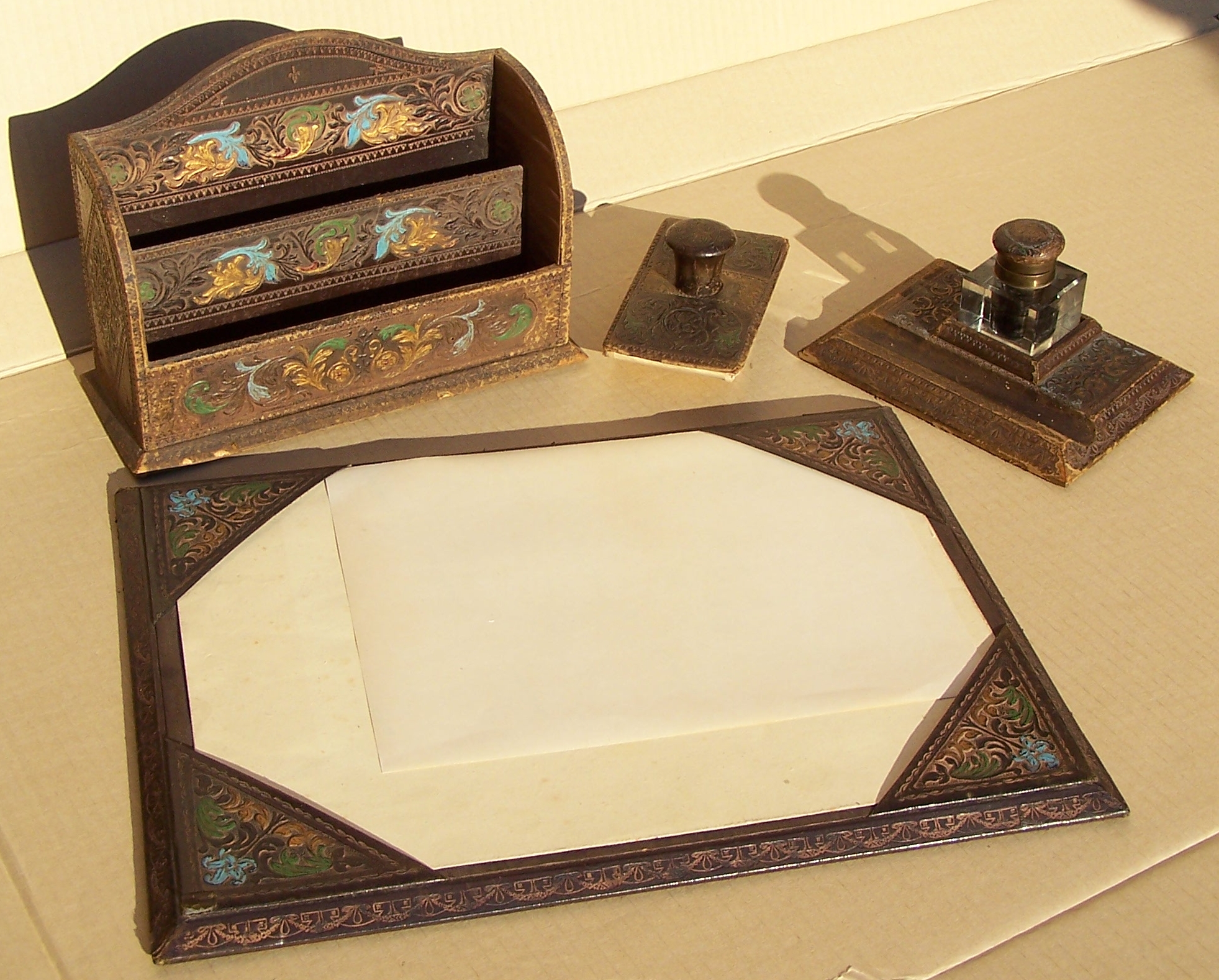
Enhancing Ergonomics and Comfort
The physical act of working at a desk for extended periods can take a toll on our bodies. Repetitive motions, awkward wrist positions, and the constant friction against hard surfaces can lead to discomfort, fatigue, and even long-term strain. Desk pads, particularly those designed with ergonomic principles in mind, offer a tangible solution to these issues by providing a cushioned and supportive interface between your body and your workspace.
Wrist Support and Strain Reduction
One of the primary ergonomic benefits of a desk pad is its ability to alleviate pressure on the wrists. Many desk pads are constructed with soft, yet firm, materials that provide a gentle cushion for your wrists and forearms. This is especially crucial for individuals who spend hours typing, using a mouse, or engaging in other fine motor tasks. Without adequate support, wrists can bend at unnatural angles, leading to carpal tunnel syndrome, tendonitis, and general discomfort. A desk pad helps maintain a neutral wrist position, reducing strain on tendons and nerves, and promoting better circulation. This subtle yet significant difference can lead to a noticeable reduction in fatigue and a more comfortable working experience throughout the day.
Smoother Mouse Movement and Precision
For those who rely heavily on a computer mouse, the surface upon which it glides is critical. A desk pad can dramatically improve mouse performance by providing a consistent and optimized tracking surface. Traditional desk surfaces, whether polished wood, laminate, or glass, can sometimes create inconsistent friction or glare, leading to jerky mouse movements, misclicks, and a general lack of precision. A good desk pad offers a smooth, uniform texture that allows the mouse sensor to track movements accurately and effortlessly. This is particularly beneficial for tasks requiring fine control, such as graphic design, photo editing, CAD work, or even competitive gaming, where split-second accuracy can make all the difference. The enhanced glide reduces the physical effort required to move the mouse, further contributing to overall comfort and preventing hand and wrist fatigue.
Noise Dampening and Tactile Feedback
The constant clicking of a keyboard or the swiping of a mouse can contribute to ambient noise in a shared workspace, and even in a home office, these sounds can become a source of distraction. Many desk pads are made from materials that possess sound-dampening properties. By absorbing some of the impact from keystrokes and mouse clicks, they can significantly reduce the overall noise level, creating a quieter and more focused environment. Beyond noise reduction, the tactile feedback provided by a desk pad can also enhance the user experience. The feel of the pad under your hands and wrists can offer a subtle sense of grounding and connection to your workspace, fostering a more deliberate and less jarring interaction with your devices.
Surface Protection and Longevity
Beyond the immediate ergonomic benefits, desk pads serve a crucial function in preserving the integrity and appearance of your desk surface. Modern desks, whether crafted from expensive wood, sleek laminate, or delicate glass, are susceptible to a range of daily wear and tear. A desk pad acts as a protective barrier, safeguarding your investment and ensuring your workspace remains in pristine condition.
Preventing Scratches and Scuffs

The constant movement of keyboards, mice, external hard drives, and even the occasional errant pen can leave unsightly scratches and scuffs on your desk. These imperfections not only detract from the aesthetic appeal of your workspace but can also diminish its value. A desk pad creates a buffer zone between your equipment and the desk surface. Its material is designed to absorb the minor impacts and abrasions that occur during regular use, preventing direct contact that would otherwise cause damage. This protective layer is especially important for delicate finishes, like those found on polished wood or high-gloss laminates, where even minor scuffs can be difficult to repair.
Guarding Against Spills and Stains
Accidents happen. Whether it’s a spilled coffee mug, a dropped beverage, or condensation from a cold drink, liquids can wreak havoc on unprotected desk surfaces. Many desk pads are made from water-resistant or easily wipeable materials, such as PU leather, rubber, or specialized plastics. These materials prevent liquids from seeping into the desk’s surface, where they can cause staining, warping, or permanent damage. A quick wipe-down is often all that’s needed to clean up minor spills, saving your desk from potentially costly and irreversible harm. This feature is particularly valuable in busy work environments where the risk of spills is higher.
Reducing Wear from Heat and Pressure
Electronic devices, especially laptops and external hard drives, can generate heat. When placed directly on a desk surface for extended periods, this heat can, over time, cause discoloration or even minor warping, particularly with certain types of wood or laminate. Similarly, prolonged pressure from heavy objects can leave indentations. A desk pad can help mitigate these issues by providing a layer of insulation and cushioning. It dissipates heat more evenly and distributes pressure, reducing the direct impact on the desk surface and prolonging its lifespan.
Organization and Aesthetic Enhancement
A cluttered and disorganized desk can be a significant impediment to productivity and a source of mental clutter. Desk pads can play a surprisingly influential role in transforming your workspace into a more organized, streamlined, and visually appealing environment. Their structured surface provides a dedicated zone for your essential tools, promoting a sense of order and contributing to a more professional and inspiring atmosphere.
Creating a Defined Workspace
In open-plan offices or even in multi-purpose home environments, it can be challenging to delineate your personal workspace. A desk pad acts as a visual anchor, clearly defining the boundaries of your work area. By establishing a dedicated zone for your keyboard, mouse, and other peripherals, it helps to mentally separate your work activities from the surrounding space, fostering a sense of focus and encouraging you to enter a productive mindset when you sit down. This visual demarcation can be particularly useful for those who struggle with work-life balance, helping to create a clear distinction between work time and personal time.
Cable Management and Streamlining
Modern workstations often involve a tangle of cables for monitors, keyboards, mice, charging stations, and other peripherals. This can create a messy and unsightly environment. While not a standalone solution for complex cable management, some desk pads are designed with subtle features to aid in this regard. Integrated channels, discreet clips, or a textured surface can help to keep cables organized and prevent them from sliding around. Even without specific features, the consistent surface of a desk pad helps to keep devices and their associated cables in a designated area, reducing the likelihood of them becoming dislodged or creating visual clutter. A more organized cable setup contributes to a cleaner aesthetic and reduces the frustration of untangling wires.

Personalization and Professionalism
The aesthetic impact of a desk pad should not be underestimated. It’s an opportunity to infuse your workspace with personality and professionalism. Available in an almost infinite array of colors, patterns, materials, and sizes, desk pads can be chosen to complement your existing decor, reflect your personal style, or project a specific brand image. A sleek, minimalist pad can lend an air of sophistication, while a vibrant, artistic design can spark creativity. For businesses, branded desk pads can reinforce corporate identity and create a cohesive, professional look across employee workstations. The right desk pad can elevate the overall look and feel of your desk, making it a more enjoyable and inspiring place to spend your time.
In conclusion, the utility of a desk pad extends far beyond mere aesthetics. By thoughtfully integrating a desk pad into your workspace, you are investing in enhanced ergonomics, superior surface protection, and a more organized and visually appealing environment. Whether you are a student, a creative professional, or a seasoned executive, the humble desk pad is a small but mighty tool that can significantly contribute to your comfort, productivity, and overall satisfaction with your workspace. It’s a subtle yet impactful upgrade that proves that sometimes, the most significant improvements come in the most unassuming packages.
aViewFromTheCave is a participant in the Amazon Services LLC Associates Program, an affiliate advertising program designed to provide a means for sites to earn advertising fees by advertising and linking to Amazon.com. Amazon, the Amazon logo, AmazonSupply, and the AmazonSupply logo are trademarks of Amazon.com, Inc. or its affiliates. As an Amazon Associate we earn affiliate commissions from qualifying purchases.