
The world of football, or soccer as it’s known in some regions, is rapidly evolving beyond the roar of the crowd and the spectacle on the pitch. Beneath the surface, a sophisticated digital infrastructure is transforming how teams prepare, perform, and analyze. This transformation is heavily reliant on data, and at the heart of this data ecosystem lies the concept of a “DB” – Database. While the term might sound deceptively simple, in the context of modern football, a DB represents a powerful technological hub, a critical component of a team’s competitive edge, and a significant investment in their future success. This article delves into the multifaceted role of databases in football, exploring their technical underpinnings, their impact on team strategy, and the technological trends that are shaping their evolution.

The Foundation: Building and Managing Football Databases
At its core, a database in football is a meticulously organized collection of information. This information can range from player statistics and injury records to scouting reports and tactical formations. The sheer volume and complexity of this data necessitate robust technological solutions for its storage, retrieval, and analysis.
Data Acquisition and Integration
The journey of a football database begins with data acquisition. This is a multi-pronged process, drawing from a variety of sources.
On-Field Performance Metrics
Sophisticated tracking systems, often utilizing GPS and inertial measurement units (IMUs) embedded in player vests, are commonplace. These systems capture a wealth of data points, including:
- Physical Metrics: Distance covered, top speed, acceleration, deceleration, number of sprints, and heart rate.
- Positional Data: Player movement patterns, heatmaps, and distances covered in specific zones of the pitch.
- Event Data: Passes (completed and incomplete), tackles, interceptions, shots, goals, fouls, and aerial duels.
These raw data streams are then fed into the database. Beyond on-field performance, data is also gathered from other crucial areas.
Off-Field and Physiological Data
This category includes:
- Training Data: Load management information, physiological responses to training sessions, and injury prevention exercises.
- Medical Records: Injury history, rehabilitation progress, and recovery times.
- Biomechanical Data: Analysis of player movement efficiency and potential injury risks through advanced motion capture technology.
Scouting and Recruitment Data
When evaluating potential new talent, databases become indispensable:
- Player Profiles: Detailed statistics from previous clubs, performance analyses, and video footage.
- Scout Reports: Subjective assessments from scouts, highlighting strengths, weaknesses, and potential fit for the team’s philosophy.
- Market Value and Contract Information: Data relevant to player acquisition and financial planning.
The integration of these disparate data sources into a unified, accessible, and reliable database is a significant technological challenge. It requires specialized software, robust network infrastructure, and skilled data engineers to ensure data integrity and consistency.
Database Architectures and Technologies
The choice of database architecture is crucial for efficient data management. Traditional relational databases, like SQL Server or PostgreSQL, are often employed for structured data such as player profiles and match statistics. However, the increasing volume and variety of football data have led to the adoption of more advanced solutions.
Relational Databases (SQL)
Relational databases excel at managing structured data with predefined relationships. They are ideal for storing information like:
- Player personal details (name, age, nationality).
- Match details (date, opponent, score).
- Team rosters and historical performance records.
The ACID (Atomicity, Consistency, Isolation, Durability) properties of relational databases ensure data reliability and integrity, which is paramount in professional sports.
NoSQL Databases
For unstructured or semi-structured data, such as video analysis annotations, scouting notes, or social media sentiment analysis, NoSQL databases like MongoDB or Cassandra offer greater flexibility. These databases can handle large volumes of diverse data types and are often used for:
- Storing video clips with associated metadata (e.g., specific plays, player actions).
- Managing textual data from scout reports and news articles.
- Handling real-time data streams from sensors and tracking systems.
Data Warehousing and Lake Solutions
As data volumes grow exponentially, data warehouses and data lakes become essential.
- Data Warehouses: These are optimized for analytical queries and reporting, providing a structured repository for historical data. They enable deep dives into trends and performance over time.
- Data Lakes: These store raw data in its native format, allowing for greater flexibility in exploration and the application of various analytical techniques, including machine learning, at a later stage.
The underlying technology also extends to the infrastructure hosting these databases. Cloud-based solutions from providers like AWS, Azure, and Google Cloud offer scalability, flexibility, and cost-effectiveness, allowing clubs to manage their data without significant on-premise hardware investments.
The Application: Leveraging DBs for Performance Enhancement
Once the data is meticulously stored, the true power of the football database is unleashed through its application. This is where technology directly impacts on-field performance, strategic decision-making, and player development.
Performance Analysis and Tactical Insights
The most immediate application of football databases lies in performance analysis. Coaches and analysts use this data to gain profound insights into their own team and their opponents.
Player Performance Evaluation
Databases allow for objective and data-driven evaluations of individual player performance. This goes beyond simple statistics like goals and assists.
- Efficiency Metrics: Analyzing pass completion rates in specific zones, successful defensive actions per minute, or the number of key passes that lead to shots.
- Work Rate and Stamina: Tracking distance covered, number of high-intensity sprints, and recovery patterns to assess player fitness and fatigue.
- Positional Analysis: Understanding how effectively players maintain their assigned positions, their contribution to defensive shape, and their attacking movements.
This granular analysis helps identify areas for improvement for individual players and informs personalized training regimes.
Opponent Analysis and Game Planning
Databases provide a strategic advantage by offering deep insights into upcoming opponents.
- Strengths and Weaknesses: Identifying dominant attacking patterns, defensive vulnerabilities, key player tendencies, and set-piece strategies.
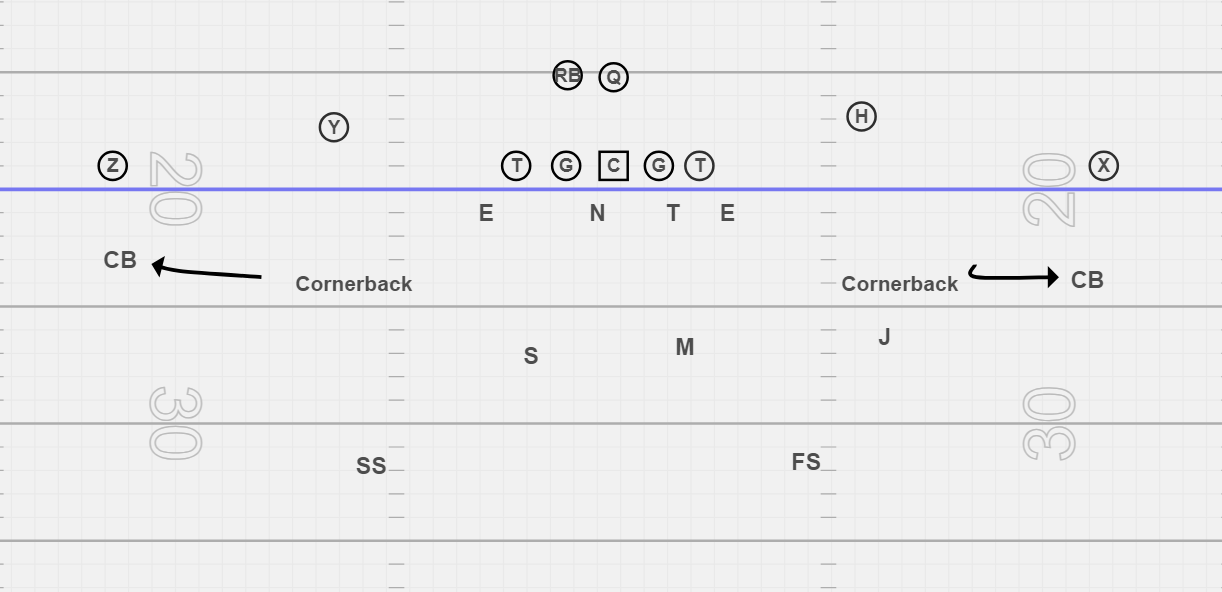
- Formations and Personnel: Understanding the opponent’s preferred formations, how they adapt to different game situations, and the impact of individual players on their overall performance.
- Tendencies and Habits: Recognizing predictable patterns in their play, such as where they tend to build attacks from or how they react to specific game states.
This intelligence allows coaches to tailor their game plan, exploit weaknesses, and mitigate threats, providing a significant tactical edge.
Player Development and Talent Identification
The impact of databases extends beyond immediate match preparation to the long-term development of players and the identification of future talent.
Individual Development Plans
Based on performance data and scouting insights, personalized development plans can be created for each player.
- Targeted Skill Enhancement: Identifying specific technical or tactical areas where a player needs improvement and designing training drills to address these needs.
- Physical Conditioning Programs: Tailoring fitness routines to optimize a player’s physical attributes based on their position and current performance data.
- Psychological Support: Data can sometimes indirectly inform psychological assessments, helping identify players who might benefit from additional support or mental conditioning.
Recruitment and Scouting Optimization
Databases revolutionize the recruitment process, making it more data-driven and less reliant on subjective scouting alone.
- Algorithmic Scouting: Using algorithms to identify players who possess statistically similar attributes to successful players or who fit specific performance profiles desired by the club.
- Predictive Analytics: Employing machine learning models to predict a player’s potential future performance and assess their likelihood of success at a higher level.
- Market Intelligence: Understanding player market values, contract situations, and transfer trends to make informed acquisition decisions.
The integration of data with traditional scouting methods creates a powerful synergy, ensuring that recruitment strategies are both effective and financially sound.
The Future: Evolving Technologies in Football Databases
The landscape of football data is constantly evolving, driven by advancements in technology. The trend is towards more sophisticated data capture, advanced analytical tools, and greater integration across all aspects of the football club.
The Rise of AI and Machine Learning
Artificial intelligence (AI) and machine learning (ML) are no longer buzzwords; they are becoming integral components of modern football data analysis.
Predictive Modeling
ML algorithms can analyze vast datasets to predict future outcomes with increasing accuracy.
- Injury Prediction: Identifying players at higher risk of injury based on training load, movement patterns, and past injury history.
- Match Outcome Prediction: While not a perfect science, ML models can assist in forecasting match results based on historical data, team form, and player availability.
- Performance Trajectory: Predicting a player’s potential career trajectory and identifying those with the highest ceiling for development.
Advanced Tactical Analysis
AI can process complex patterns in game data that might be missed by human analysts.
- Automated Play Recognition: AI systems can automatically identify and categorize specific tactical patterns, such as pressing triggers, defensive transitions, or attacking buildups.
- Set-Piece Optimization: Analyzing the effectiveness of different set-piece routines for both attacking and defending, and identifying optimal strategies.
- Player Style Identification: Automatically classifying player playing styles based on their statistical profiles and movement data.
Real-Time Data and In-Game Decision Support
The future of football databases lies in harnessing the power of real-time data to inform immediate decision-making during matches.
Live Performance Monitoring
As tracking technology becomes more advanced and integrated, clubs will have access to live data streams during games.
- Real-Time Player Load Management: Monitoring player fatigue and exertion during a match to make informed substitution decisions.
- Dynamic Tactical Adjustments: Providing coaches with real-time feedback on tactical effectiveness, allowing for immediate adjustments to formations or player roles.
Augmented Reality and Visualization
The way data is presented is also evolving, with augmented reality (AR) and advanced visualization tools enhancing understanding.
- AR Overlays: Imagine coaches wearing AR glasses that display live player data and tactical overlays during training sessions or even in the dugout during matches.
- Interactive Dashboards: Highly intuitive dashboards that allow coaches and analysts to explore data dynamically, drill down into specific events, and visualize complex relationships.
Data Ethics and Privacy Considerations
As football clubs accumulate more sensitive data, ethical considerations and data privacy become increasingly important.
Secure Data Storage and Access
Ensuring that player data, especially medical and personal information, is stored securely and is only accessible to authorized personnel.
anonymization and Aggregation
When sharing data for research or league-wide analysis, anonymization and aggregation techniques are crucial to protect individual privacy.
- Player Rights: Establishing clear protocols for how player data is collected, used, and stored, respecting players’ rights and consent.
The future of football is undeniably intertwined with its technological backbone. The “DB” in football is no longer just a storage system; it’s a dynamic, intelligent engine driving innovation, performance, and ultimately, success on the pitch. Clubs that embrace and effectively leverage their data infrastructure will be the ones leading the charge in the ever-evolving beautiful game.
aViewFromTheCave is a participant in the Amazon Services LLC Associates Program, an affiliate advertising program designed to provide a means for sites to earn advertising fees by advertising and linking to Amazon.com. Amazon, the Amazon logo, AmazonSupply, and the AmazonSupply logo are trademarks of Amazon.com, Inc. or its affiliates. As an Amazon Associate we earn affiliate commissions from qualifying purchases.