
The engine of a modern automobile is a marvel of intricate engineering, a symphony of precisely timed explosions generating immense power. However, this power comes at a cost: heat. The combustion process inherently produces a significant amount of thermal energy, and if left unchecked, this heat can rapidly lead to catastrophic engine failure. This is where coolant, also known as antifreeze, plays its indispensable role. More than just a simple fluid, coolant is a highly engineered chemical solution crucial for maintaining optimal engine operating temperatures, preventing both overheating and freezing, and protecting vital engine components from corrosion. Understanding what coolant is, how it works, and why it’s so important is fundamental to responsible car ownership and ensuring the longevity and performance of your vehicle.

The Core Function: Heat Transfer and Temperature Regulation
At its most basic, coolant’s primary function is to absorb heat from the engine and dissipate it into the atmosphere. This seemingly straightforward task is accomplished through a sophisticated system that relies on the unique properties of coolant and the efficient circulation facilitated by the car’s cooling system.
Absorbing and Dissipating Engine Heat
The engine’s internal combustion process generates temperatures that can easily exceed 2000 degrees Fahrenheit in the combustion chambers. Without an effective cooling mechanism, this extreme heat would quickly warp metal components, break down lubricants, and cause the engine to seize. The cooling system, with coolant at its heart, combats this by circulating the fluid through passages within the engine block and cylinder head. As the coolant flows, it absorbs the excess heat generated by combustion. This heated coolant then travels to the radiator, a heat exchanger located at the front of the car. Here, air flowing through the radiator’s fins cools the coolant, releasing the absorbed heat into the environment. This continuous cycle of absorption and dissipation is what keeps the engine within its optimal operating temperature range, typically between 195 and 220 degrees Fahrenheit.
The Role of the Thermostat
The thermostat is a critical component in regulating coolant flow and ensuring the engine reaches its optimal operating temperature quickly. When the engine is cold, the thermostat remains closed, restricting the flow of coolant to the radiator. This allows the engine to warm up faster, which is important for efficient combustion and emissions control. Once the coolant reaches a predetermined temperature, the thermostat opens, allowing coolant to circulate through the radiator and begin the cooling process. This intelligent regulation prevents the engine from running too cold, which can lead to poor fuel economy and increased wear.
Maintaining Optimal Operating Temperatures
The engine’s performance is highly sensitive to temperature. If the engine overheats, components can expand beyond their designed tolerances, leading to friction, increased wear, and potential damage. This can manifest as reduced power, engine knocking, or even a complete shutdown. Conversely, an engine that runs too cold is also inefficient, burns more fuel, and produces higher emissions. Coolant, by maintaining a stable operating temperature, ensures that the engine performs at its peak efficiency, delivering consistent power and optimal fuel economy. The correct coolant level and condition are paramount to this precise temperature regulation.
Beyond Heat: The Multifaceted Protection Provided by Coolant
While heat management is coolant’s primary job, its composition provides a suite of essential protective benefits that extend far beyond simple temperature control. These additives are carefully formulated to safeguard the engine’s internal components from degradation and damage.
Preventing Freezing and Boiling
One of the most well-known properties of coolant is its ability to prevent the water within the cooling system from freezing or boiling. Pure water freezes at 32 degrees Fahrenheit (0 degrees Celsius), and it boils at 212 degrees Fahrenheit (100 degrees Celsius) at standard atmospheric pressure. In most climates, these temperatures are frequently encountered. When water freezes, it expands significantly, exerting immense pressure on the cooling system components, which can lead to cracked engine blocks, burst hoses, and damaged radiators. Conversely, if the coolant boils, it turns into steam, which is a much less efficient heat transfer medium and can lead to rapid overheating and severe engine damage. Coolant, typically a mixture of ethylene glycol or propylene glycol and water, has a much lower freezing point and a higher boiling point than pure water. Ethylene glycol, for example, can lower the freezing point to below -50 degrees Fahrenheit (-45 degrees Celsius) and raise the boiling point to over 265 degrees Fahrenheit (130 degrees Celsius) when pressurized.
Corrosion and Scale Inhibition
The internal combustion engine is a harsh environment, with high temperatures, pressures, and the constant flow of liquids. The metallic components of the cooling system – including the radiator, water pump, cylinder head, and engine block – are susceptible to corrosion. Coolant contains a carefully balanced blend of chemical inhibitors that form a protective barrier on these metal surfaces, preventing rust and other forms of electrochemical degradation. These inhibitors work by neutralizing acidic byproducts that can form during combustion and by passivating metal surfaces. Without these inhibitors, the cooling system would quickly become a breeding ground for rust and corrosion, which can lead to leaks, reduced cooling efficiency, and eventual component failure. Furthermore, the inhibitors also help to prevent the formation of scale, which is the buildup of mineral deposits from the water used in the mixture. Scale can clog passages, impede coolant flow, and reduce the radiator’s ability to dissipate heat.
Lubrication of Water Pump Seals
The water pump is responsible for circulating the coolant throughout the engine. It features a rotating shaft with seals that prevent coolant from leaking out. The coolant itself acts as a lubricant for these seals. The glycol components in the coolant provide a slippery film that reduces friction and wear on the seal, extending its lifespan and ensuring the pump operates effectively without leaks. Over time, the lubricating properties of the coolant can degrade, making the seals more prone to failure.

Coolant Composition and Types
Understanding the different types of coolant and their respective compositions is crucial for choosing the right fluid for your vehicle. The automotive industry has evolved its coolant formulations over the years to meet the demands of modern engine designs and environmental regulations.
Traditional Green (IAT – Inorganic Additive Technology)
The most familiar type of coolant, often a vibrant green color, utilizes Inorganic Additive Technology (IAT). This traditional formulation relies on silicates and phosphates to provide corrosion protection. While effective and widely available, IAT coolants have a shorter service life compared to newer formulations. The inorganic inhibitors can become depleted over time, and they can sometimes react with certain metals, leading to sediment buildup. IAT coolants typically require changing every 30,000 to 50,000 miles.
Modern Organic Acid Technology (OAT) and Hybrid Organic Acid Technology (HOAT)
In recent decades, the automotive industry has transitioned to more advanced coolant technologies, primarily Organic Acid Technology (OAT) and Hybrid Organic Acid Technology (HOAT). OAT coolants use organic acids as their primary corrosion inhibitors. These organic acids form a protective layer on metal surfaces and are longer-lasting than their inorganic counterparts, typically offering service intervals of 100,000 miles or more. They are also less prone to depleting and can offer superior protection against cavitation corrosion. HOAT coolants are a blend of organic and inorganic additives, aiming to combine the benefits of both technologies. They often feature silicates for immediate protection and organic acids for long-term corrosion resistance. Different manufacturers use proprietary OAT and HOAT formulations, which is why it is crucial to consult your vehicle’s owner’s manual to determine the correct type of coolant. These modern coolants often come in different colors, such as orange, red, yellow, or blue, but color alone is not a reliable indicator of the coolant type.
Specialty Coolants
Beyond the common IAT, OAT, and HOAT formulations, there are also specialty coolants designed for specific applications or extreme conditions. These might include coolants for high-performance engines, diesel engines, or those requiring specific material compatibility. Some newer coolants are also formulated with propylene glycol instead of ethylene glycol. Propylene glycol is considered less toxic than ethylene glycol, making it a more environmentally friendly option, although it can be slightly more expensive.
Maintaining Your Coolant System: Essential Practices for Longevity
The cooling system is a closed loop, and the coolant within it is constantly working under demanding conditions. Regular maintenance is not just recommended; it’s essential for preventing costly repairs and ensuring your vehicle’s optimal performance and reliability.
Regular Inspection and Level Checks
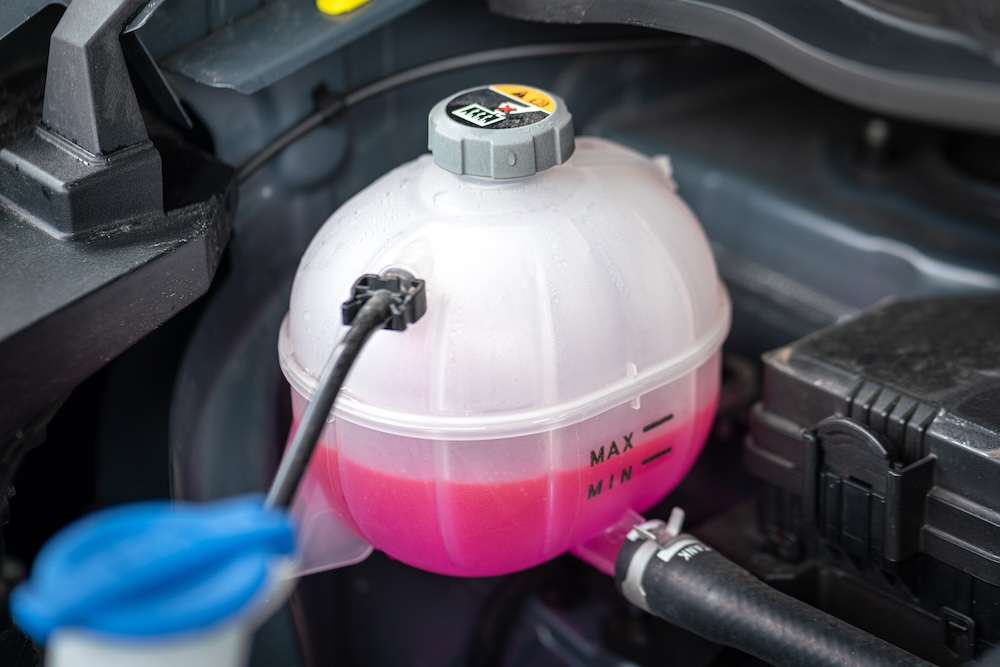
The simplest yet most critical maintenance task is regularly checking your coolant level. When the engine is cool, locate the coolant reservoir (usually a translucent plastic tank connected to the radiator) and check the level against the “min” and “max” markings. A consistently low coolant level can indicate a leak in the system, such as a faulty hose, a damaged radiator, or a worn water pump seal. Never open the radiator cap when the engine is hot, as the pressurized hot coolant can cause severe burns. In addition to the level, visually inspect the coolant for any signs of contamination, such as oil, rust particles, or a murky appearance. This can indicate internal engine problems or a failing cooling system component.
Scheduled Coolant Changes
Coolant doesn’t last forever. The protective additives within it degrade over time and with exposure to heat and pressure. Following your vehicle manufacturer’s recommended coolant change intervals, as outlined in your owner’s manual, is crucial. These intervals can vary significantly based on the coolant type and vehicle model, ranging from every 30,000 miles for older IAT coolants to over 100,000 miles for modern OAT and HOAT formulations. During a coolant change, the old fluid is drained, the system is flushed to remove any sediment or debris, and then refilled with the correct type and mixture of new coolant.
Flushing the Cooling System
A cooling system flush is a more thorough cleaning process than a simple drain and refill. It involves using specialized flushing agents to break down and remove accumulated rust, scale, and other deposits from within the engine block, radiator, and heater core. A professional flush not only ensures that the system is completely clean before refilling with new coolant but also helps to identify any potential leaks or blockages. This process is particularly important when switching coolant types or if the system has been neglected.
Addressing Leaks Promptly
Coolant leaks are a clear sign that something is wrong with the cooling system and should never be ignored. Even a small, seemingly insignificant leak can lead to a significant loss of coolant over time, resulting in overheating and potential engine damage. Common sources of leaks include cracked or brittle hoses, loose hose clamps, a damaged radiator, a faulty water pump seal, or a blown head gasket. It’s important to have any leaks diagnosed and repaired by a qualified mechanic as soon as they are detected.
In conclusion, coolant is far more than just a fluid that keeps your engine from overheating. It’s a complex chemical solution that plays a vital role in heat transfer, temperature regulation, and the comprehensive protection of your vehicle’s engine. By understanding its functions, compositions, and the importance of regular maintenance, you can ensure your car’s cooling system operates efficiently, safeguarding your engine and prolonging its lifespan for countless miles to come.
aViewFromTheCave is a participant in the Amazon Services LLC Associates Program, an affiliate advertising program designed to provide a means for sites to earn advertising fees by advertising and linking to Amazon.com. Amazon, the Amazon logo, AmazonSupply, and the AmazonSupply logo are trademarks of Amazon.com, Inc. or its affiliates. As an Amazon Associate we earn affiliate commissions from qualifying purchases.