
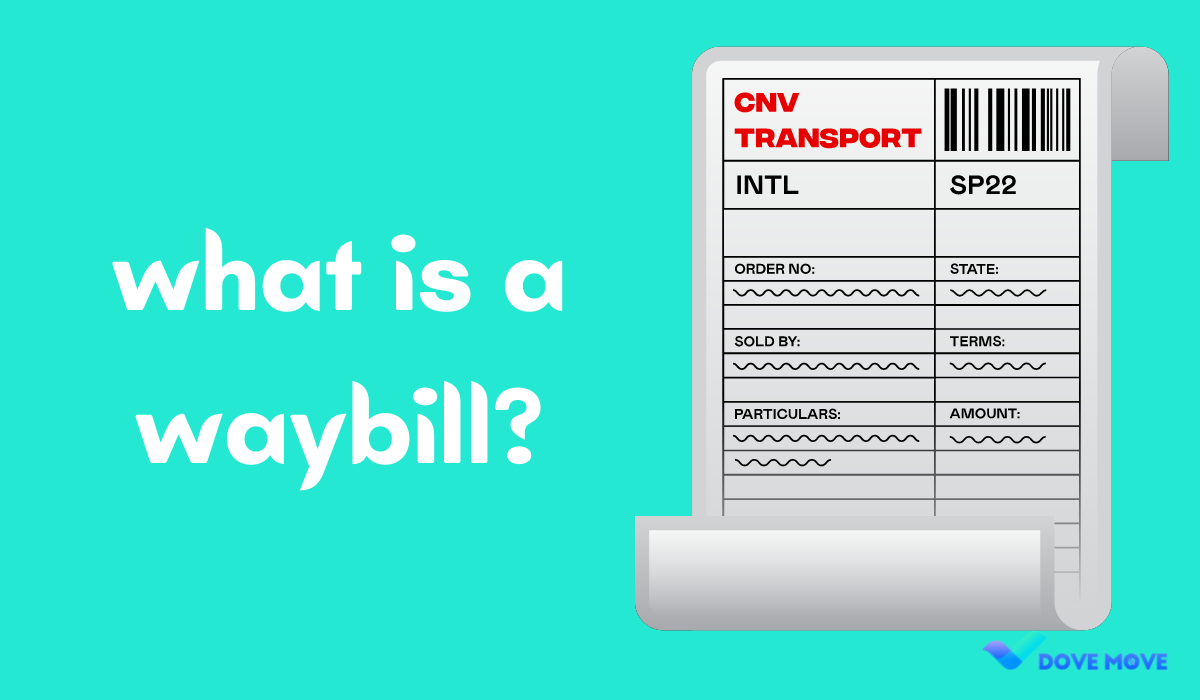
A waybill is a crucial document in the realm of logistics and transportation, serving as a non-negotiable receipt of goods for a carrier. It details the type and quantity of goods being shipped, the origin and destination, and acts as a contract of carriage between the shipper and the carrier. While its core function remains consistent, understanding the nuances of a waybill, its types, and its digital evolution is paramount for anyone involved in the movement of goods, particularly within the financial and business operations that underpin global trade.
The Waybill as a Foundational Financial and Operational Document
At its heart, a waybill is more than just a shipping manifest; it’s a vital instrument that enables financial transactions, facilitates insurance claims, and provides a traceable record of a business’s physical inventory movement. For businesses operating in sectors heavily reliant on the movement of goods, such as e-commerce, manufacturing, and retail, the waybill is an indispensable component of their financial and operational infrastructure.
Understanding the Core Function and Legal Implications
The primary role of a waybill is to confirm that a carrier has received the goods described within it. This simple act has significant legal and financial ramifications.
- Contract of Carriage: The waybill legally binds the shipper and the carrier. It outlines the terms and conditions of the transportation, including responsibilities, liabilities, and delivery schedules. This contractual agreement is essential for resolving disputes and ensuring accountability.
- Proof of Shipment: It serves as irrefutable proof that the goods have been dispatched from the origin point. This is critical for the shipper to account for inventory leaving their premises and for the consignee (the recipient) to confirm an order has been processed.
- Basis for Payment: For many carriers, the waybill is the primary document used to generate invoices for shipping services. The details on the waybill, such as weight, volume, distance, and any special handling requirements, directly influence the final cost.
- Insurance Claims: In the unfortunate event of loss or damage during transit, the waybill is indispensable for filing insurance claims. It provides a documented history of the shipment and its condition at the point of departure, which is necessary for assessing liability and processing claims.
The Waybill’s Role in Financial Tracking and Auditing
The accuracy and completeness of waybill information directly impact a company’s financial health and its ability to maintain transparent financial records.
- Inventory Management: Waybills are integral to inventory control systems. When goods are shipped, their departure is recorded via the waybill, allowing for accurate real-time updates of stock levels. This prevents discrepancies between recorded inventory and physical stock, which can lead to financial losses due to overstocking or stockouts.
- Cost Accounting: Businesses meticulously track their shipping expenses. Waybills provide detailed breakdowns of transportation costs, allowing for accurate allocation to specific products or sales orders. This is crucial for calculating the cost of goods sold (COGS) and assessing the profitability of individual items or shipments.
- Accounts Payable and Receivable: For the shipper, the waybill confirms shipment, often triggering the process of invoicing the customer. For the carrier, the waybill is the basis for invoicing the shipper. This flow of information is essential for managing accounts receivable (money owed to the company) and accounts payable (money owed by the company).
- Auditing and Compliance: External auditors and internal compliance teams rely on waybills as primary source documents to verify the legitimacy of transportation expenses and the accuracy of financial statements related to goods movement. Consistent and accurate waybill data ensures smooth audits and adherence to financial regulations.
Types of Waybills and Their Financial Significance
While the fundamental purpose of a waybill remains the same, different types exist to cater to specific transportation scenarios, each carrying distinct financial implications.
Understanding the Distinctions: From Standard to Specialized
The type of waybill used can influence the level of responsibility, the financial risks involved, and the ease of transferability of ownership.
- Consignment Note (or Bill of Lading in some contexts): Often used interchangeably with waybill in certain regions and for specific modes of transport, a consignment note typically serves as a receipt for goods and a contract of carriage. For road and rail freight, it’s a common document. In international shipping, the Bill of Lading is more common and can be negotiable, carrying greater financial weight.
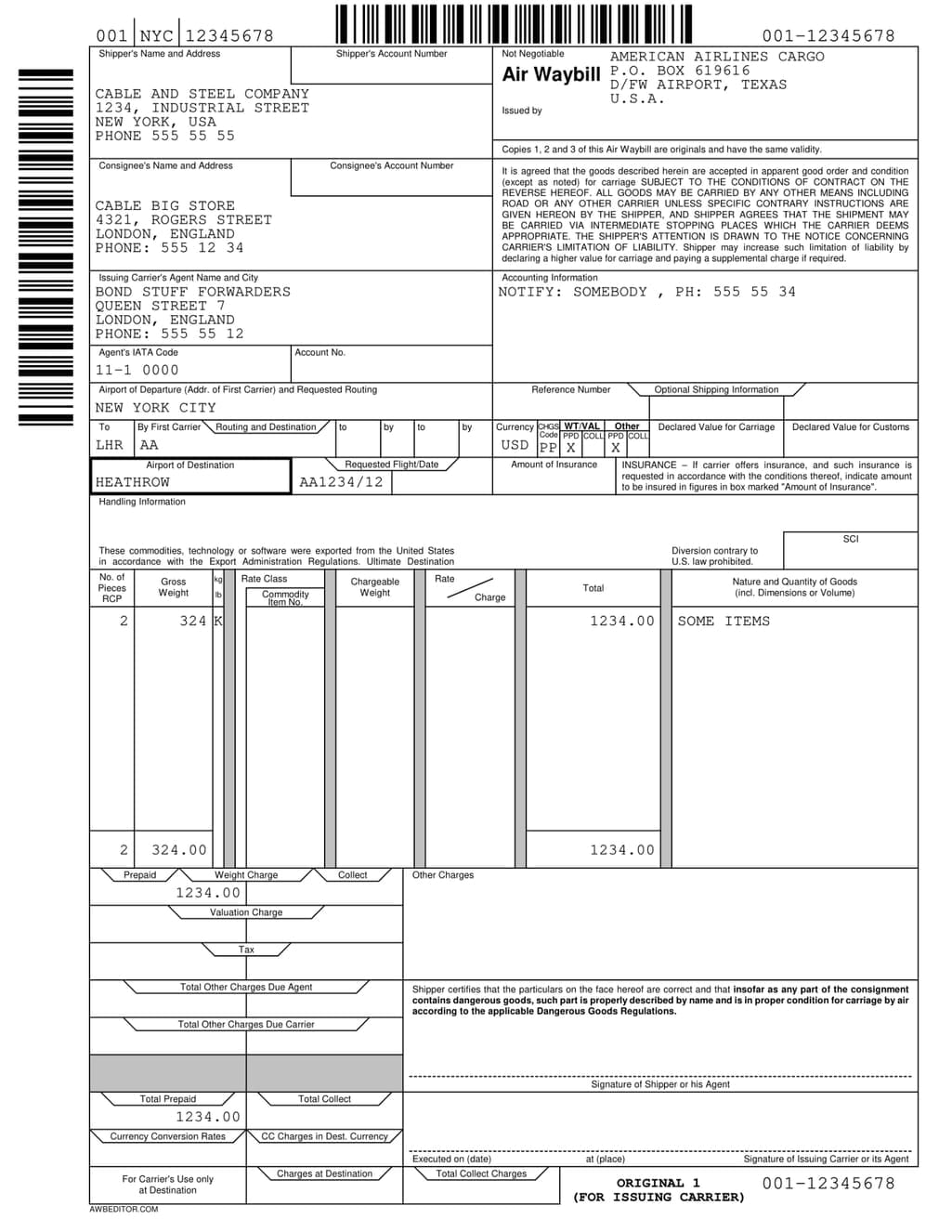
- Air Waybill (AWB): Issued by an airline or its agent, the AWB is a non-negotiable document that serves as a receipt for air cargo. It contains details about the shipment, including origin, destination, flight details, and handling instructions. For financial transactions involving air freight, the AWB is crucial for customs clearance and payment processing.
- Ocean Bill of Lading (BOL): This is a more complex document used in maritime shipping. It can be negotiable, meaning ownership of the goods can be transferred by endorsing and delivering the bill of lading. This negotiability makes it a financial instrument akin to a check or a promissory note, used in international trade finance, letters of credit, and for securing payment.
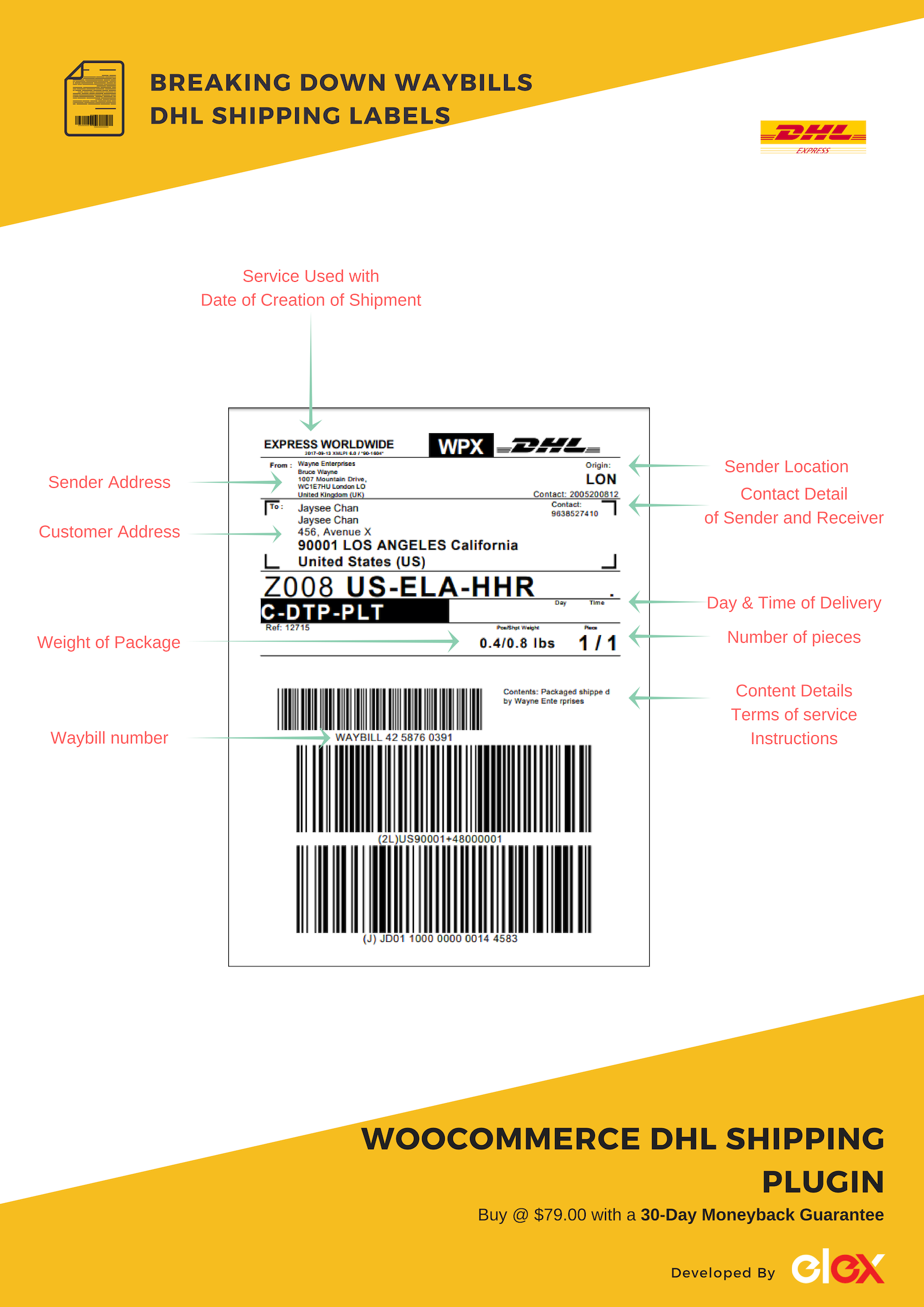
- Parcels Waybill: For smaller shipments handled by courier services, a parcels waybill often contains less detail but still functions as a receipt and tracking document. It’s essential for verifying delivery and processing returns, directly impacting customer satisfaction and the financial reconciliation of shipping costs.
The Financial Impact of Waybill Terms
The specific terms and conditions stipulated on any type of waybill have direct financial consequences for all parties involved.
- Delivery Terms (Incoterms): While not always printed directly on the waybill, the agreed-upon Incoterms (International Commercial Terms) dictate financial responsibilities for costs like insurance, duties, and freight. The waybill then documents the movement of goods under these agreed terms.
- Freight Charges: The waybill will typically detail how freight charges are to be paid (e.g., prepaid by the shipper, collect by the consignee). This impacts the immediate cash flow of both parties and influences invoicing and payment schedules.
- Declared Value: Shippers can declare a value for their goods. This directly affects the freight cost and the maximum liability of the carrier in case of loss or damage. A higher declared value incurs higher shipping costs but offers greater financial protection.
- Special Instructions and Surcharges: Waybills often include details for special handling (e.g., fragile, temperature-controlled) or indicate the application of surcharges (e.g., fuel surcharges, remote area delivery fees). These directly add to the overall shipping cost and require careful financial reconciliation.
The Digital Transformation of the Waybill: Enhancing Financial Efficiency
The traditional paper-based waybill has been a cornerstone of logistics for decades. However, the advent of digital technologies is revolutionizing its form and function, leading to significant improvements in financial accuracy, speed, and transparency.
From Paper Trails to Digital Streams
The shift from physical documents to digital formats is not just a matter of convenience; it has profound implications for financial operations and the overall efficiency of supply chains.
- Electronic Data Interchange (EDI): EDI allows for the electronic exchange of business documents, including waybills, between trading partners. This automates the data entry process, significantly reducing errors and the time spent on manual processing, which translates into faster invoicing and payment cycles.
- Blockchain Technology: Emerging applications of blockchain in logistics promise unprecedented levels of security and transparency for waybills. Each transaction and update is recorded on an immutable ledger, making it virtually impossible to tamper with. This enhances trust, reduces fraud, and streamlines dispute resolution, all of which have positive financial outcomes.
- Cloud-Based Logistics Platforms: Modern logistics management systems (LMS) and transportation management systems (TMS) often integrate digital waybill functionalities. These platforms provide real-time visibility of shipments, automated documentation generation, and direct integration with accounting software, enabling seamless financial reconciliation.
- Barcode and QR Code Technology: These technologies are often integrated into digital waybills for quick scanning and data capture at various touchpoints in the supply chain. This improves tracking accuracy and ensures that financial data associated with each shipment is precisely logged.
Benefits of Digital Waybills for Financial Operations
The transition to digital waybills offers tangible financial advantages for businesses across the supply chain.
- Reduced Administrative Costs: Eliminating paper, printing, postage, and manual data entry drastically cuts down on administrative overhead. This directly impacts a company’s bottom line by reducing operational expenses.
- Improved Data Accuracy and Reduced Errors: Automated data transfer through EDI or integrated systems minimizes human error, which can lead to costly mistakes in invoicing, payment, and inventory management. Accurate data ensures correct billing and financial reporting.
- Faster Payment Cycles: With real-time data and automated processes, invoices can be generated and processed much faster. This accelerates payment cycles, improves cash flow, and can lead to better credit terms with suppliers.
- Enhanced Traceability and Auditability: Digital waybills provide a comprehensive, easily accessible audit trail. This makes it simpler to track expenses, verify shipments, and comply with financial regulations, reducing the risk of penalties and fines.
- Real-time Financial Visibility: Digital platforms offer real-time insights into shipping costs, delivery status, and potential delays. This enables proactive financial management, allowing businesses to anticipate expenses, adjust budgets, and identify cost-saving opportunities.
The Waybill’s Enduring Importance in Modern Business Finance
Despite the rapid advancements in technology, the fundamental role of the waybill as a foundational document for business finance and operations remains undisputed. It is a critical touchpoint in the journey of goods, directly impacting revenue, costs, and overall financial health.
Ensuring Financial Integrity and Operational Excellence
The effective management and understanding of waybills are not merely operational tasks; they are strategic imperatives for financial success.
- Mitigating Financial Risks: By providing clear documentation of shipments, responsibilities, and terms, waybills help mitigate financial risks associated with lost or damaged goods, disputes, and non-payment. Accurate waybills are a first line of defense against financial liabilities.
- Optimizing Cash Flow Management: The speed and accuracy facilitated by digital waybills directly contribute to improved cash flow. Faster invoicing, more efficient payment processing, and better inventory management all help free up capital that can be reinvested or used to meet financial obligations.
- Facilitating International Trade and Finance: For global businesses, the waybill (especially in its Bill of Lading form) is a critical component of international trade finance. It underpins letters of credit, documentary collections, and other financial instruments that enable cross-border transactions.
- Supporting Business Growth and Scalability: As businesses grow and their shipping volumes increase, the need for efficient and accurate waybill management becomes paramount. Digital solutions for waybills are essential for scaling operations without compromising financial control or increasing administrative burdens.
In conclusion, the waybill is far more than a simple shipping receipt. It is a multifaceted document with profound financial implications, acting as a contract, a proof of shipment, a basis for payment, and an essential tool for inventory and cost accounting. As technology continues to evolve, the digital transformation of the waybill is not only streamlining logistical processes but also enhancing financial accuracy, transparency, and efficiency, solidifying its indispensable position in the modern business landscape.
aViewFromTheCave is a participant in the Amazon Services LLC Associates Program, an affiliate advertising program designed to provide a means for sites to earn advertising fees by advertising and linking to Amazon.com. Amazon, the Amazon logo, AmazonSupply, and the AmazonSupply logo are trademarks of Amazon.com, Inc. or its affiliates. As an Amazon Associate we earn affiliate commissions from qualifying purchases.