
In the hyper-competitive landscape of global commerce, a brand is often a company’s most valuable intangible asset. It represents reputation, consumer trust, and years of strategic positioning. When that brand is threatened—whether through trademark infringement, the misappropriation of trade dress, or unfair competitive practices—waiting months or years for a final court judgment is often not an option. By the time a trial concludes, the brand’s market share could be eroded, and its reputation permanently tarnished.
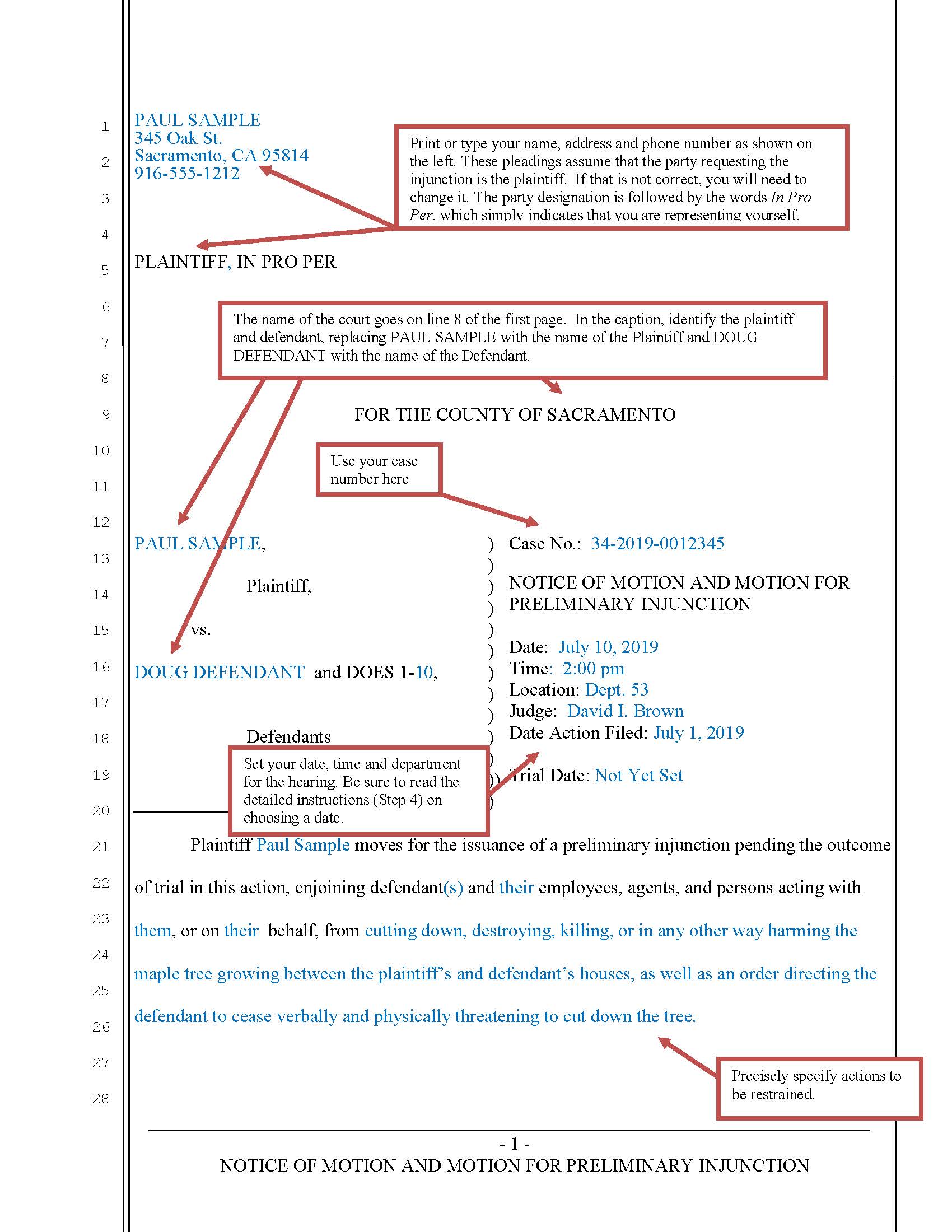
This is where the preliminary injunction becomes a vital tool for brand managers, corporate counsel, and marketing executives. A preliminary injunction is a temporary court order that stops a party from continuing a specific action—such as using a confusingly similar logo or launching a copycat product—until a final decision is reached in the case. Within the niche of brand strategy and corporate identity, understanding how to leverage this legal maneuver can mean the difference between maintaining market dominance and losing brand equity to an opportunistic competitor.

Understanding the Role of Preliminary Injunctions in Brand Identity
A preliminary injunction serves as a “stop-gap” measure. In the context of brand strategy, it is designed to preserve the status quo. If a competitor launches a marketing campaign that looks suspiciously like yours, every day that campaign remains active, your brand identity is diluted.
Defining the Preliminary Injunction in a Business Context
In legal terms, an injunction is an equitable remedy. A “preliminary” injunction is issued early in a lawsuit. Because it happens before all the evidence is presented and before a jury makes a final call, it is considered an “extraordinary remedy.” Courts do not grant them lightly. For a brand, the injunction acts as an emergency brake. It tells the defendant: “Stop what you are doing immediately because the damage you are causing might be impossible to fix later.”
The Urgency of Brand Protection
Brand identity is fragile. It relies on the exclusive association between a set of symbols (logos, colors, names) and a specific standard of quality. When a third party uses those symbols without authorization, they create “consumer confusion.” From a brand strategy perspective, consumer confusion is poison. It weakens the psychological bond between the brand and the buyer. A preliminary injunction is the primary weapon used to prevent this confusion from taking root in the marketplace while the legal system grinds slowly forward.
The Strategic Criteria for Securing a Preliminary Injunction
To win a preliminary injunction, a brand owner must meet a high burden of proof. Courts generally look at four specific factors, often referred to as the “Winter factors” (named after a landmark Supreme Court case). For brand owners, these factors are the blueprint for a defensive strategy.
Likelihood of Success on the Merits
The first hurdle is proving that you are likely to win the case in the long run. In branding disputes, this usually involves demonstrating a “likelihood of confusion.” You must show that your trademark is valid, that you own it, and that the competitor’s branding is so similar that an average consumer would think the two products come from the same source. This requires deep brand audits and often consumer survey data to show that the market perceives a conflict.
Irreparable Harm: The Brand’s Worst Nightmare
This is perhaps the most critical element for brand strategy. To get an injunction, you must prove that if the court doesn’t act now, you will suffer “irreparable harm”—damage that money cannot fix.
In the world of personal branding and corporate identity, irreparable harm usually manifests as:
- Loss of Goodwill: If a low-quality competitor uses your branding, customers will associate your brand with that lower quality. No amount of cash can easily “un-ring” that bell in the consumer’s mind.
- Brand Dilution: The loss of the brand’s uniqueness and its ability to serve as a distinct identifier.
- Loss of Control: Once a brand loses control over its image, the strategic trajectory of the company is compromised.
Balancing the Equities and Public Interest
The court also weighs the “balance of hardships.” If the injunction would bankrupt a small competitor but the brand owner is a multi-billion dollar corporation, the court might hesitate. However, in branding, the “Public Interest” often wins the day. The public has an interest in not being deceived. If two brands look the same, the consumer is the one who suffers by buying the wrong product. Therefore, protecting the brand’s identity is seen as a benefit to the general public.
Preliminary Injunctions in Trademark and Copyright Disputes
Most preliminary injunctions in the branding world revolve around two pillars of intellectual property: trademarks and copyrights. These are the legal frameworks that house a brand’s visual and verbal identity.
Halting Trademark Infringement in Real-Time
Trademark infringement is the most common reason for a brand to seek an injunction. Imagine a luxury skincare brand, “Azure,” that discovers a discount retailer selling “Azuur” lotion in similar packaging. If Azure waits two years for a trial, the “Azuur” product will have already saturated the discount market, potentially destroying Azure’s “luxury” positioning. A preliminary injunction forces the “Azuur” product off the shelves within weeks, protecting the “Azure” brand’s exclusivity.
Protecting Visual Identity and Trade Dress
Brand identity is more than just a logo; it is the “trade dress”—the total look and feel of a product or service. This includes the specific shape of a bottle, the layout of a retail store, or a unique color scheme (like Tiffany Blue or UPS Brown). Because trade dress is so visual, it is highly susceptible to copycats. A preliminary injunction is the only way to prevent a competitor from mimicking a brand’s “vibe” and stealing the aesthetic equity the original brand worked hard to build.
Case Studies: Brand Wars and the Power of the Injunction
Looking at historical brand battles illustrates how powerful—and sometimes devastating—a preliminary injunction can be for corporate identity and market positioning.
High-Stakes Branding Battles
Consider the tech and lifestyle sectors where brand “clones” are common. In many instances, a startup might launch with a brand identity that leans too heavily on an industry leader. The leader will immediately file for a preliminary injunction. If granted, the startup is forced to rebrand mid-launch. This is often a death knell for the smaller brand. They lose their marketing investment, their signage, their domain names, and their momentum. For the established brand, the injunction successfully defended their “territory” without needing to wait for a full trial.
Lessons for Corporate Identity Strategy
The lesson here is that a brand’s legal defense is part of its marketing strategy. If a company is not prepared to move for a preliminary injunction, it is essentially telling the market that its brand identity is “open source.” High-value brands like Apple, Nike, and Coca-Cola use the threat of preliminary injunctions to maintain a “moat” around their visual assets. It signals to competitors that any encroachment on their identity will result in an immediate, costly, and public legal shutdown.
Best Practices for Brands to Prepare for Litigation
Since a preliminary injunction requires showing a “likelihood of success” almost immediately after filing a lawsuit, preparation must happen long before a conflict arises.
Proactive Brand Monitoring
You cannot stop an infringer if you don’t know they exist. Modern brand strategy must include digital and physical monitoring. Using AI-driven tools to scan trademark filings, social media, and e-commerce platforms allows a brand to catch infringers in the “cradle.” The faster you move for an injunction, the more likely a judge is to believe the harm is truly “urgent.” If you wait six months to file, the court may conclude that the harm wasn’t that “irreparable” after all.
Documentation and Evidence Gathering
To win the “Irreparable Harm” argument, you need data.
- Brand Value Metrics: Keep updated records of how much you spend on marketing and what your brand equity is worth.
- Consumer Confusion Evidence: Collect social media posts or customer service emails where customers have actually confused your brand with the competitor.
- Consistency Records: Maintain a “Brand Bible” that proves your identity has been used consistently and exclusively.

The Settlement Leverage
Finally, it is important to understand the strategic endgame. Obtaining a preliminary injunction often ends the case entirely. Once a defendant is ordered to stop using their branding, they usually realize that fighting a full trial is pointless. They are already “out” of the market. Most brands will settle at this point, agreeing to a permanent rebrand. For the plaintiff, the preliminary injunction achieved 90% of the goal in 10% of the time.
In conclusion, a preliminary injunction is the ultimate defensive maneuver in brand strategy. It acknowledges that in the digital age, brand identity is both a company’s greatest strength and its most vulnerable point. By understanding the criteria for this legal tool and integrating it into a broader corporate identity strategy, businesses can ensure that their unique voice and visual presence remain protected against those who wish to profit from their hard-earned reputation.
aViewFromTheCave is a participant in the Amazon Services LLC Associates Program, an affiliate advertising program designed to provide a means for sites to earn advertising fees by advertising and linking to Amazon.com. Amazon, the Amazon logo, AmazonSupply, and the AmazonSupply logo are trademarks of Amazon.com, Inc. or its affiliates. As an Amazon Associate we earn affiliate commissions from qualifying purchases.