
In the realm of brand strategy and corporate communication, the weight of a single paragraph cannot be overstated. Every piece of copy—whether it is a mission statement, a product description, or a press release—carries a specific emotional charge. When we ask, “What is a positive and negative paragraph?” in the context of branding, we are not merely discussing grammar or basic sentiment. We are discussing the strategic use of linguistic polarity to influence consumer behavior, build brand equity, and establish a distinct corporate identity.
Language is the primary vehicle for a brand’s personality. A positive paragraph serves as the aspirational engine, driving consumers toward a desired future, while a negative paragraph often serves as the diagnostic tool, identifying the pain points that a brand promises to alleviate. Understanding how to weave these two polarities together is the hallmark of a sophisticated marketing strategy.
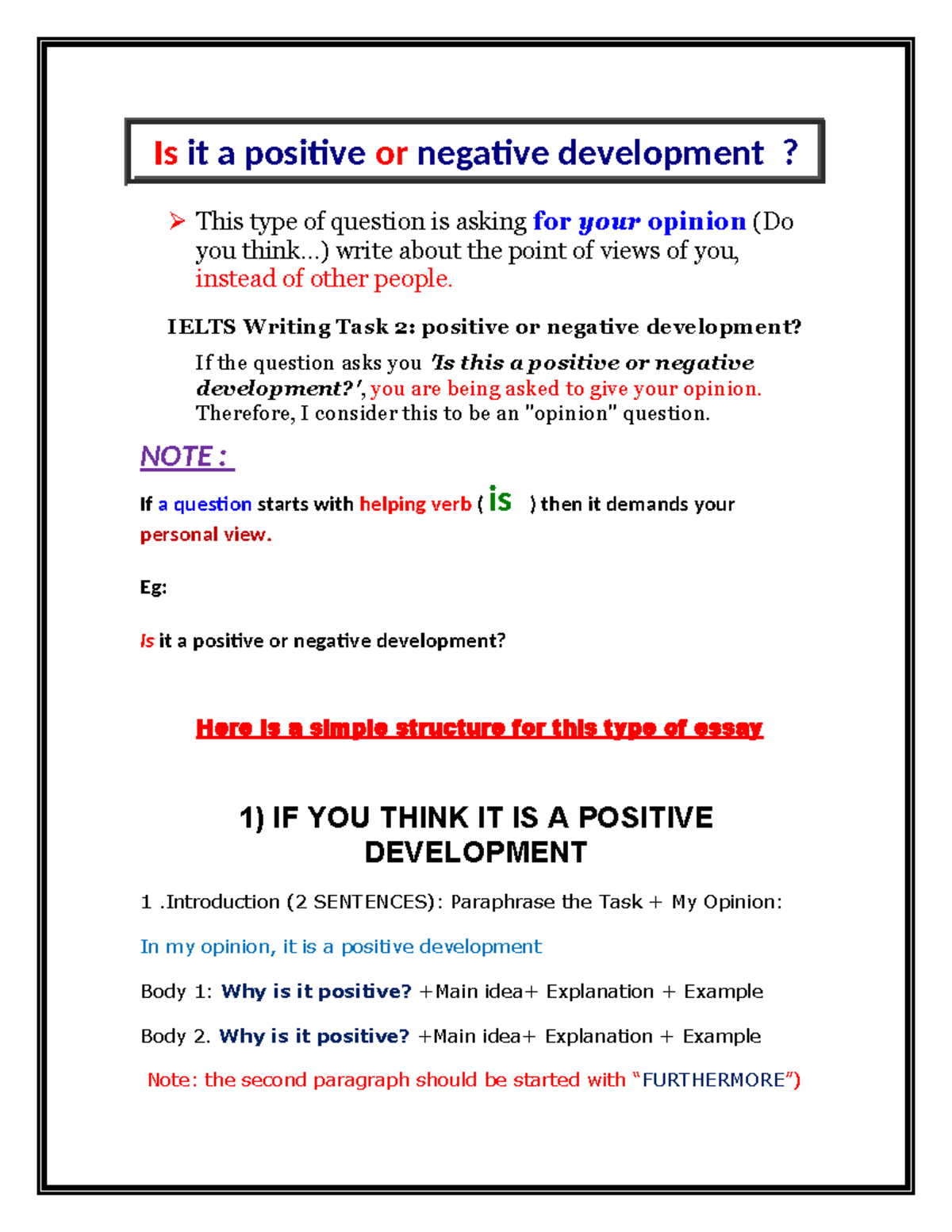
The Anatomy of the Positive Paragraph in Brand Strategy
A positive paragraph in branding is characterized by affirmative language, benefit-oriented messaging, and an optimistic outlook. Its primary goal is to create an emotional “uplift,” associating the brand with success, happiness, or efficiency. This is the cornerstone of “pull” marketing—creating an attractive narrative that draws the customer in.
The Anatomy of an Affirmative Brand Voice
An affirmative brand voice relies heavily on proactive verbs and sensory adjectives. Instead of focusing on what a product doesn’t do, a positive paragraph highlights what it enables. For example, a luxury skincare brand won’t just say their cream “isn’t greasy.” Instead, they will craft a positive paragraph describing how the formula “illuminates the complexion while providing a weightless, velvet-smooth finish.”
The structure of such a paragraph typically follows a “Benefit-Feature-Outcome” flow. It starts with the emotional reward (the benefit), explains the mechanism (the feature), and concludes with a vision of the customer’s improved life (the outcome). This sequence reinforces the brand’s role as an agent of positive change.
When to Use Positive Reinforcement in Marketing Copy
Positive paragraphs are most effective during the “consideration” and “loyalty” phases of the customer journey. When a consumer is weighing their options, they want to feel confident in their choice. Positive messaging builds that confidence by focusing on reliability and excellence.
Furthermore, in personal branding, the positive paragraph is essential for establishing “thought leadership.” By focusing on opportunities, growth, and solutions, a personal brand positions itself as a visionary force. It focuses on the “North Star”—the ultimate goal—making the brand appear as a beacon of progress in a crowded marketplace.
The Strategic Utility of the Negative Paragraph
While “negative” often carries a pejorative connotation, in brand strategy, the negative paragraph is a powerful tool for contrast and urgency. A negative paragraph focuses on the “pain,” the “problem,” or the “status quo” that is currently failing the consumer. It is not about being pessimistic; it is about being realistic and empathetic toward the customer’s challenges.
Identifying Pain Points through Contrast
To sell a solution, you must first articulate the problem. A negative paragraph identifies the friction in a consumer’s life. It might highlight the frustrations of slow technology, the hidden costs of traditional banking, or the environmental impact of fast fashion. By using words that evoke a sense of lack or dissatisfaction, the brand creates a vacuum that only its product can fill.
This is often referred to as “Agitation” in the PAS (Problem-Agitation-Solution) marketing framework. The negative paragraph “agitates” the problem, making the reader feel the weight of their current situation. This strategic negativity serves as the catalyst for the subsequent “positive” solution, making the brand’s value proposition feel necessary rather than optional.
Crisis Management and Acknowledging Shortcomings
In corporate identity, the negative paragraph is also vital for transparency and crisis management. When a brand makes a mistake, attempting to mask it with forced positivity often backfires, leading to a perception of inauthenticity.
A well-crafted negative paragraph in a public statement acknowledges the failure directly. It uses somber, serious, and responsible language to describe the “negative” reality of the situation. By owning the negative space, the brand earns the right to pivot back to a positive future. This honesty builds long-term trust, proving that the brand values integrity over optics.
Balancing Polarity for a Cohesive Corporate Identity
The most successful brands do not rely solely on one type of paragraph. Instead, they master the art of “polarity balancing.” The transition between a negative paragraph (the problem) and a positive paragraph (the solution) is where the most persuasive brand storytelling happens.
The Psychology of Consumer Perception
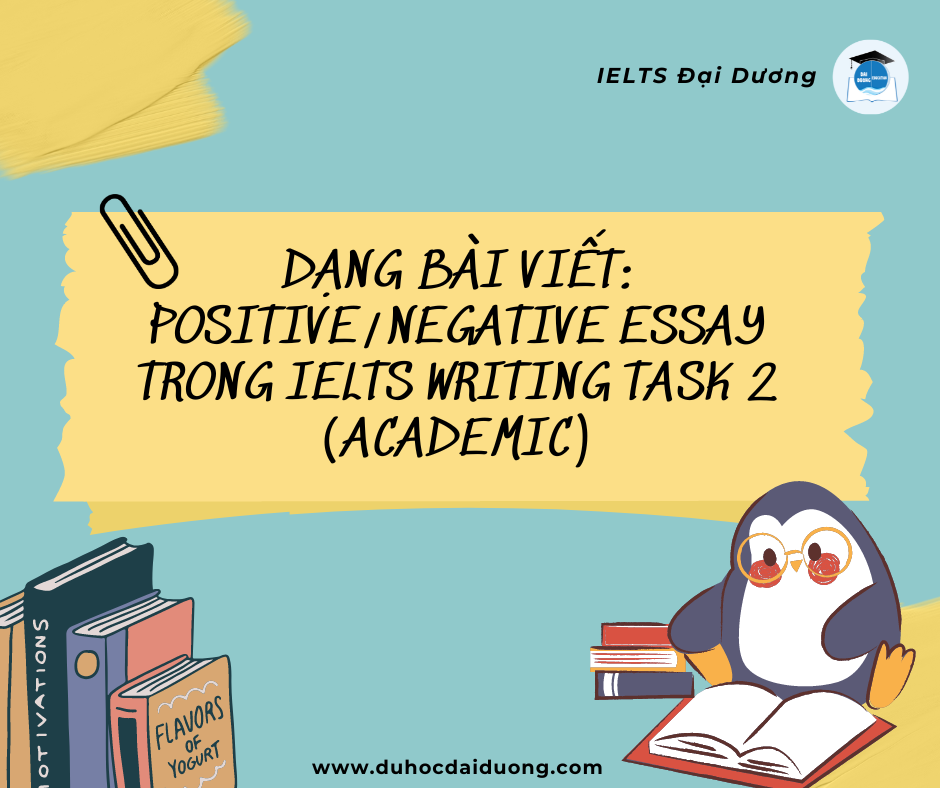
Human psychology is naturally wired to respond to contrast. If a brand is “relentlessly positive,” it can eventually seem hollow or “toxic,” ignoring the complexities of the human experience. Conversely, a brand that focuses too heavily on negative messaging—fear-based marketing—can cause “brand fatigue,” where the consumer begins to associate the brand with stress.
The ideal balance often follows a 20/80 rule: 20% negative (identifying the struggle, the competitor’s flaw, or the industry’s failure) and 80% positive (the solution, the vision, and the community). This ratio ensures that the brand remains grounded in reality while remaining fundamentally aspirational.
Transitioning from Problem to Solution
The “bridge” between the negative and positive paragraph is the most critical element of a brand’s narrative arc. This transition is usually marked by a shift in tone—from empathetic and serious to energized and hopeful.
Consider a brand strategy for a financial consulting firm. The first paragraph might be “negative,” highlighting the anxiety of retirement planning and the volatility of the markets. The transition then occurs, moving into a “positive” paragraph that details the firm’s proprietary “Stability Engine” and the peace of mind it brings to families. This structure creates a psychological release for the reader, positioning the brand as the source of that relief.
Practical Examples of Sentiment-Driven Content
To truly understand the application of positive and negative paragraphs, we must look at how they function in high-stakes branding environments. Different industries require different levels of sentiment intensity.
Case Study: High-End Tech Branding
In the world of high-end consumer technology, the positive paragraph reigns supreme. The focus is almost entirely on “magic,” “seamlessness,” and “innovation.” Negative paragraphs are rarely used to describe the brand itself, but they are used subtly to describe the “old way” of doing things.
A tech brand might write a negative paragraph about the “clutter of wires and the frustration of incompatible software” (the status quo). They will then follow this with three positive paragraphs detailing the wireless, integrated future they have built. Here, the negative paragraph is a brief shadow that makes the positive light of the product shine brighter.
Case Study: Disruptor Brand Messaging
Disruptor brands—those entering an established market to challenge the incumbents—rely heavily on the negative paragraph. Their strategy is built on the “Negative Industry Narrative.” They must highlight what is wrong with the current leaders to justify their own existence.
For instance, a new direct-to-consumer mattress company might spend several paragraphs detailing the “predatory pricing” and “confusing jargon” of traditional showrooms. This negative framing is essential for their brand identity as a “truth-teller.” Once they have dismantled the competition through negative paragraphs, they rebuild the consumer’s world with positive paragraphs about transparency, fair pricing, and “the best sleep of your life.”
Measuring the Impact of Sentiment in Brand Communication
In the digital age, the effectiveness of positive and negative paragraphs is no longer a matter of intuition; it is a matter of data. Brands now use sophisticated tools to measure how their language resonates with their target audience.
Tools for Sentiment Analysis
Marketing departments utilize AI-driven sentiment analysis to scan their content and social media mentions. These tools categorize paragraphs as positive, negative, or neutral. By analyzing the “Sentiment Score” of a campaign, a brand can see if their “negative” hook was too aggressive or if their “positive” conclusion was impactful enough to drive conversions.
If a brand’s “negative” paragraphs are triggering too much bounce-back—meaning users leave the site because the content feels too discouraging—the brand strategy must be adjusted to include more “positive” reinforcement earlier in the text.

Long-term Brand Equity and Consistency
Consistency is the final piece of the puzzle. A brand that oscillates wildly between extreme negativity and extreme positivity will struggle to form a coherent identity. The most successful brands find their “signature polarity.”
For a brand like Nike, the signature is overwhelmingly positive and empowering. For a brand like Patagonia, there is a significant amount of “negative” content regarding the state of the environment, which is then balanced by the “positive” action of their corporate activism. Both are successful because they are consistent. They have defined what a positive and negative paragraph looks like within their unique ecosystem, and they use those tools to build a lasting connection with their audience.
In conclusion, a positive paragraph builds the dream, while a negative paragraph defines the enemy or the obstacle. By mastering both, a brand strategist can craft a narrative that is not only persuasive but also deeply resonant with the human experience. Whether you are building a personal brand or managing a global corporation, the way you balance these paragraphs will ultimately define your place in the market.
aViewFromTheCave is a participant in the Amazon Services LLC Associates Program, an affiliate advertising program designed to provide a means for sites to earn advertising fees by advertising and linking to Amazon.com. Amazon, the Amazon logo, AmazonSupply, and the AmazonSupply logo are trademarks of Amazon.com, Inc. or its affiliates. As an Amazon Associate we earn affiliate commissions from qualifying purchases.