
In the realm of academic achievement, the Grade Point Average (GPA) serves as a universally recognized metric, a numerical representation of a student’s performance across their coursework. While the concept is straightforward – a calculation based on the grades received in various subjects – the definition of a “great” GPA is anything but static. It’s a dynamic benchmark, influenced by a myriad of factors, including the educational institution, the specific program of study, and the aspirations of the student. For many, a high GPA unlocks doors to further educational opportunities, scholarships, and even coveted career paths. This article delves into what constitutes a great GPA, exploring the nuances and contexts that shape this critical academic indicator.
The GPA Scale and its Nuances
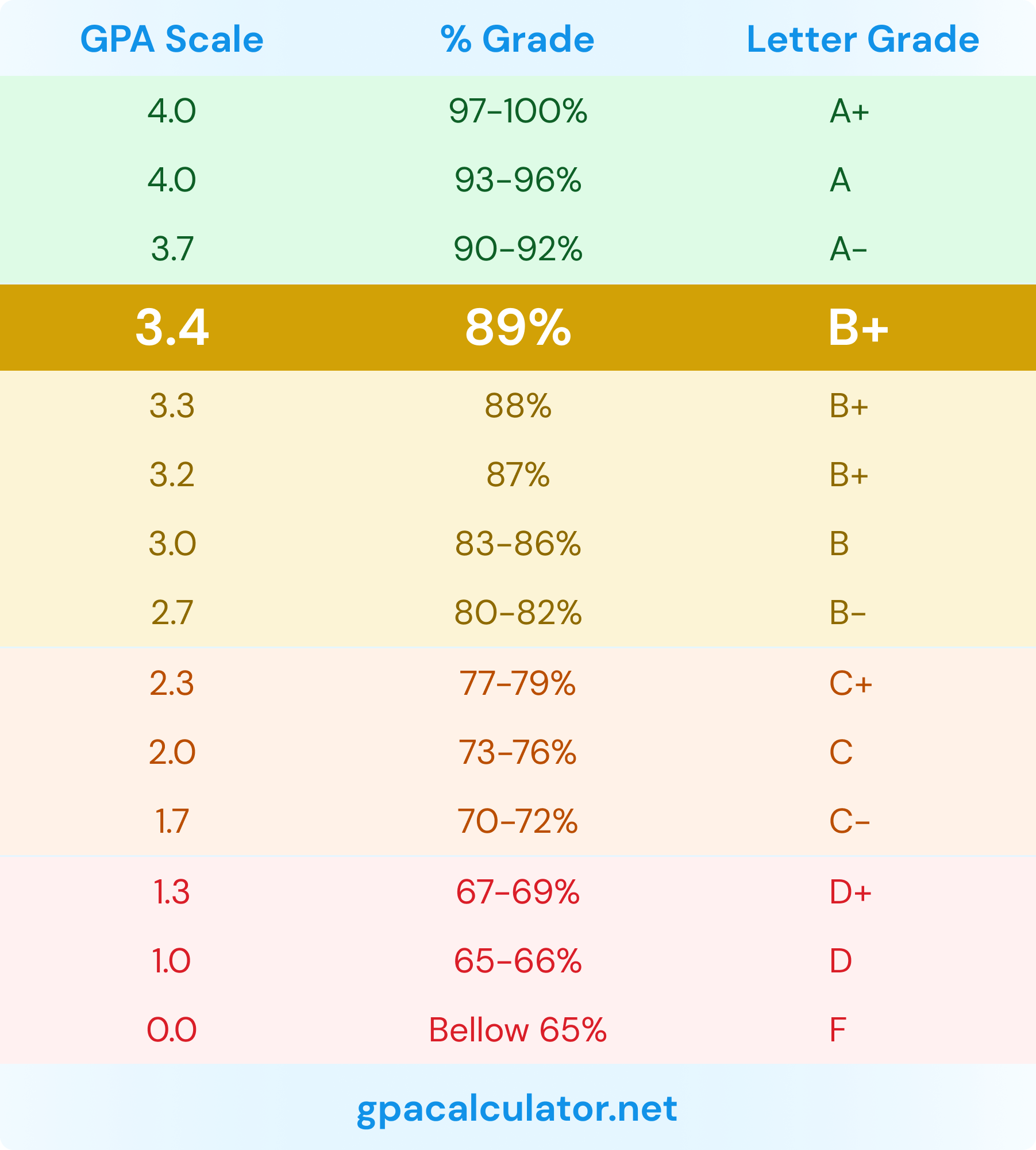
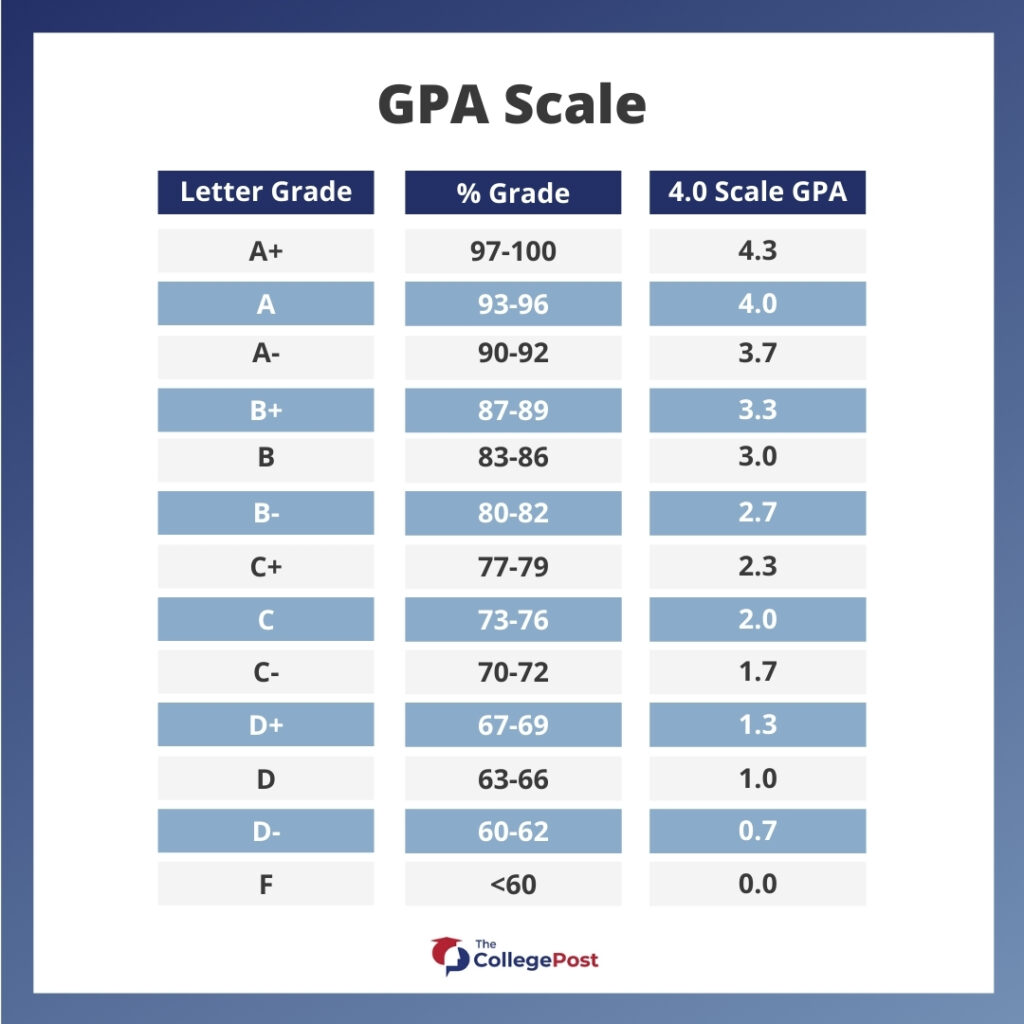
Understanding the foundation of GPA calculation is crucial before defining what makes a GPA “great.” The standard GPA scale in the United States typically ranges from 0.0 to 4.0, with some institutions employing a weighted scale that can result in GPAs exceeding 4.0 for advanced or honors courses.
The Traditional 4.0 Scale
The most common GPA system assigns a numerical value to letter grades:
- A = 4.0
- B = 3.0
- C = 2.0
- D = 1.0
- F = 0.0
These values are then averaged, taking into account the credit hours assigned to each course. For instance, a 3-credit hour ‘A’ contributes more to the GPA than a 1-credit hour ‘A’. This system provides a standardized way to quantify academic performance across different courses and semesters.
Weighted vs. Unweighted GPAs
It’s important to distinguish between weighted and unweighted GPAs. An unweighted GPA treats all courses equally, meaning an ‘A’ in a standard biology class carries the same weight as an ‘A’ in an Advanced Placement (AP) Calculus class. In contrast, a weighted GPA assigns additional points for courses deemed more challenging, such as AP, International Baccalaureate (IB), or dual enrollment classes. This often results in GPAs exceeding 4.0. For example, an ‘A’ in an AP course might be awarded 5.0 points in a weighted system. This distinction is vital, especially when comparing GPAs across different high schools or when applying to competitive universities that may have different weighting policies.
The Impact of Course Rigor
The rigor of a student’s coursework plays a significant role in how their GPA is perceived. A 3.8 GPA earned in a demanding curriculum filled with AP and honors classes is often viewed more favorably than a 4.0 GPA achieved in less challenging courses. Universities and employers understand that excelling in difficult subjects demonstrates a higher level of academic capability and a greater capacity for challenging work. Therefore, a “great” GPA isn’t solely about the number itself, but also about the context of the courses taken to achieve it. This is why students are often encouraged to take the most challenging courses they can manage while maintaining strong grades, a strategy that can significantly bolster their academic profile.
Benchmarking a “Great” GPA: Context is Key
Defining a “great” GPA is highly contextual. What might be considered exceptional in one academic environment could be merely average in another. Several factors influence this perception, including the type of institution, the competitiveness of the program, and national averages.
High School GPA: Setting the Stage
For high school students, a “great” GPA is often a gateway to college admissions. While a 4.0 unweighted GPA is universally admired, a strong GPA in the 3.5 to 3.9 range can still be highly competitive, especially when accompanied by rigorous coursework, strong standardized test scores, and compelling extracurricular activities. However, for highly selective universities, the average GPA of admitted students can often be 3.8 or higher, meaning that anything below this might require exceptional performance in other areas. It’s also important to consider the grading scale and distribution at a particular high school. A school where ‘A’s are rarely given will have a different perception of a student’s 3.7 GPA than a school where ‘A’s are more common.
College GPA: The Path to Graduate Studies and Careers
In college, the definition of a “great” GPA shifts depending on the student’s goals. For those aiming for graduate school, particularly at prestigious programs, a GPA of 3.7 or higher is generally considered excellent. Many master’s and doctoral programs have minimum GPA requirements, and a higher GPA significantly strengthens an applicant’s profile. For fields like law or medicine, GPA expectations can be even more demanding, with many top-tier programs seeking applicants with GPAs well above 3.8.
For students entering the workforce directly after college, the importance of GPA can vary by industry and employer. While some entry-level positions at competitive companies may look for GPAs of 3.5 or higher, others are more focused on internships, practical experience, and demonstrated skills. In some technical fields, a slightly lower GPA might be overlooked if a candidate possesses exceptional project experience or specialized certifications. However, even in these scenarios, a strong GPA generally signals discipline, commitment, and a solid understanding of foundational knowledge.
National and Institutional Averages
Understanding national and institutional GPA averages can provide valuable context. While specific numbers fluctuate year by year and vary by institution, generally speaking:
- Average High School GPA: The average unweighted GPA in U.S. high schools often hovers around 3.0. Therefore, a GPA significantly above this, say 3.5 or higher, is considered above average and can be viewed as strong.
- Average College GPA: The average college GPA tends to be slightly higher than in high school, often around 3.0 to 3.2. A GPA of 3.5 or higher in college is generally considered good to very good, while a GPA of 3.7 and above is frequently categorized as excellent or outstanding.
When considering these averages, it’s crucial to remember they encompass a wide spectrum of students, programs, and institutions. Averages at highly selective universities will naturally be higher than at less competitive ones.
The Multifaceted Benefits of a Great GPA
Achieving a high GPA extends beyond mere academic accomplishment; it translates into tangible benefits that can shape a student’s future trajectory in profound ways. These advantages span educational advancement, financial opportunities, and career prospects.
Enhanced Opportunities for Higher Education
One of the most significant benefits of a great GPA is the expanded access it grants to higher education. Universities, particularly prestigious ones, use GPA as a primary indicator of a student’s academic preparedness.
- Undergraduate Admissions: For high school students, a strong GPA is a critical component of college applications. It signals to admissions committees that the student has the academic foundation to succeed in a rigorous university environment.
- Graduate School Admissions: For those pursuing master’s or doctoral degrees, a high undergraduate GPA is often a prerequisite. Competitive graduate programs receive a deluge of applications, and GPA serves as an effective initial filter. A GPA of 3.7 or above is typically considered strong for graduate school admissions, with many top-tier programs seeking even higher averages.
- Scholarships and Financial Aid: Many scholarships and financial aid programs are merit-based, with GPA being a key selection criterion. A great GPA can open doors to significant funding opportunities, reducing the financial burden of education. This is particularly true for academic scholarships offered by universities, external foundations, and professional organizations.
Improved Career Prospects and Starting Salaries
The impact of a strong GPA often extends into the professional world, influencing initial career opportunities and earning potential.
- Entry-Level Job Market: Many employers, especially in fields like finance, consulting, engineering, and technology, consider GPA when evaluating entry-level candidates. A GPA of 3.5 or higher can be a competitive advantage, making a resume stand out. Some companies even have explicit GPA cutoffs for internship and entry-level positions.
- Industry Perception: A high GPA can signal to employers that a candidate is diligent, possesses strong analytical skills, and has a thorough grasp of their chosen field. This perception can lead to more interview opportunities and a stronger negotiating position.
- Starting Salary: Studies have shown a correlation between higher GPAs and higher starting salaries, particularly in certain industries. While experience and skills are paramount, a strong academic record can provide an initial boost in earning potential. For example, some large corporations may offer higher starting salaries to graduates from their preferred recruiting programs, which often prioritize students with exceptional GPAs.
Personal Development and Skill Acquisition
Beyond external benefits, the pursuit of a great GPA cultivates valuable personal attributes and skills that are transferable to all aspects of life.
- Discipline and Time Management: Consistently achieving a high GPA requires dedication, effective study habits, and excellent time management. Students learn to balance coursework, extracurricular activities, and personal commitments, skills that are indispensable in professional and personal life.
- Problem-Solving and Critical Thinking: Excelling in challenging academic subjects inherently sharpens problem-solving abilities and critical thinking skills. Students learn to analyze complex information, develop reasoned arguments, and approach challenges with a methodical mindset.
- Resilience and Perseverance: The academic journey is rarely without its hurdles. Overcoming difficult subjects, managing setbacks, and striving for continuous improvement fosters resilience and perseverance – qualities that are crucial for navigating the inevitable challenges of adult life and career development.
Strategies for Achieving and Maintaining a Great GPA
Achieving and sustaining a great GPA is not solely about innate intelligence; it’s a product of strategic planning, consistent effort, and proactive engagement with academic resources. It’s a marathon, not a sprint, requiring a holistic approach to learning.
Effective Study Habits and Time Management
The foundation of any academic success lies in robust study habits and meticulous time management. This involves more than just cramming before an exam; it’s about developing sustainable practices that foster deep learning and retention.
- Active Learning Techniques: Moving beyond passive reading, embrace active learning strategies. This includes summarizing material in your own words, teaching concepts to others, creating flashcards, engaging in practice problems, and forming study groups. Active engagement forces your brain to process information more deeply, leading to better comprehension and recall.
- Consistent Review: Regularly review lecture notes and assigned readings, ideally shortly after each class. This spaced repetition helps to reinforce learning and prevent information from becoming forgotten. Instead of trying to absorb an entire semester’s worth of material just before finals, breaking down the review process makes it more manageable and effective.
- Prioritization and Planning: Utilize a planner, calendar, or digital tool to map out assignments, exams, and study time. Identify high-priority tasks and allocate sufficient time to them. Break down large projects into smaller, more manageable steps to avoid feeling overwhelmed. Learning to say “no” to non-essential commitments when academic demands are high is also a crucial aspect of time management.
Leveraging Academic Resources and Seeking Help
No student is an island, and effective academic engagement involves recognizing when and how to seek support. Universities offer a wealth of resources designed to aid student success.
- Professor and Teaching Assistant (TA) Office Hours: These are invaluable opportunities to clarify doubts, deepen understanding of complex topics, and build rapport with instructors. Don’t hesitate to attend, even if you don’t have a specific question; listening to others’ questions can also be enlightening.
- Tutoring Services: Most institutions offer free or low-cost tutoring for various subjects. Professional tutors can provide personalized guidance, identify areas of weakness, and offer alternative explanations.
- Academic Advising: Academic advisors can help with course selection, degree planning, and navigating university policies. They can also offer support and referrals if you’re facing academic challenges.
- Study Groups and Peer Support: Collaborating with peers in a structured study group can be highly beneficial. Discussing material, quizzing each other, and working through problems together can offer new perspectives and reinforce learning.
Proactive Engagement and Continuous Improvement
A great GPA is not a static achievement but an ongoing pursuit that requires proactive engagement and a commitment to continuous improvement. This mindset fosters adaptability and growth throughout a student’s academic career.
- Understanding Grading Criteria: Familiarize yourself with how assignments and exams are graded for each course. Pay attention to rubrics and professor feedback to understand what is expected and where improvements can be made.
- Seeking Feedback and Applying It: Actively seek feedback on your work, not just for grades but for learning. When you receive feedback, take the time to understand it and actively apply it to future assignments. This iterative process of receiving feedback and making adjustments is crucial for academic growth.
- Adapting to New Challenges: As you progress through your academic journey, courses will become more challenging. Be prepared to adapt your study strategies and seek new approaches to learning. Embrace the learning process itself, rather than solely focusing on the final grade. Acknowledging that learning is a journey with ups and downs, and maintaining a positive outlook even when facing difficulties, is key to long-term success.
The Evolving Definition of Academic Success Beyond GPA
While a great GPA undeniably opens many doors, it’s crucial to acknowledge that it is not the sole determinant of success. In today’s multifaceted world, academic institutions and employers increasingly recognize the value of a broader skill set and diverse experiences. The narrative of academic achievement is evolving to encompass more than just a numerical representation of grades.
The Importance of Experiential Learning
Hands-on experiences, internships, research projects, and volunteer work offer invaluable opportunities for practical skill development and personal growth. These activities provide real-world context to academic learning, allowing students to apply theoretical knowledge, develop problem-solving skills, and gain insights into potential career paths. Many employers now place significant emphasis on these experiential components, often valuing them as highly as, or even more than, a stellar GPA, especially for certain roles where practical application is paramount. For instance, a computer science student with a solid GPA and a portfolio of impressive personal projects and internships might be more attractive to a tech company than a student with a perfect GPA but no practical experience.
Cultivating Soft Skills and Emotional Intelligence
Beyond technical knowledge and academic performance, soft skills and emotional intelligence are increasingly recognized as critical for success. These include communication, teamwork, leadership, adaptability, critical thinking, and resilience. While a GPA can indicate a student’s ability to absorb and reproduce information, it doesn’t directly measure their capacity for collaboration, empathy, or effective problem-solving in dynamic team environments. Universities and employers alike are seeking individuals who can not only perform tasks but also contribute positively to a team, navigate interpersonal dynamics, and adapt to changing circumstances with grace and effectiveness. Developing these skills often occurs through extracurricular activities, group projects, and interactions within the academic community.

The Long-Term Perspective: Lifelong Learning and Adaptability
The pace of change in the modern world, particularly in technology and various industries, means that continuous learning and adaptability are paramount. A great GPA can provide a strong foundation, but the ability to acquire new knowledge, learn new skills, and adapt to evolving demands is what truly sustains a successful career and a fulfilling life. The focus is shifting from accumulating a set of knowledge at a specific point in time to fostering a mindset of lifelong learning. This involves curiosity, a willingness to embrace challenges, and the ability to self-direct learning beyond formal educational settings. The most successful individuals are often those who can continually reinvent themselves and stay relevant in their fields.
In conclusion, while a great GPA remains a significant marker of academic accomplishment and a valuable asset, it is best viewed as one piece of a larger puzzle. It signifies diligence and a strong academic foundation, but it is complemented and often surpassed in long-term career success by practical experience, robust soft skills, and an unwavering commitment to lifelong learning and adaptability. The definition of success is increasingly holistic, recognizing the diverse talents and capabilities that students bring to the world.
aViewFromTheCave is a participant in the Amazon Services LLC Associates Program, an affiliate advertising program designed to provide a means for sites to earn advertising fees by advertising and linking to Amazon.com. Amazon, the Amazon logo, AmazonSupply, and the AmazonSupply logo are trademarks of Amazon.com, Inc. or its affiliates. As an Amazon Associate we earn affiliate commissions from qualifying purchases.