
The term “Blue Ribbon School” evokes a sense of excellence, distinction, and a pursuit of the highest standards within the educational landscape. While often recognized by parents, educators, and the wider community, its precise meaning and the implications of receiving this prestigious designation can sometimes remain a bit elusive. This article delves into the heart of what constitutes a Blue Ribbon School, exploring its origins, the rigorous selection process, the defining characteristics that set these institutions apart, and the tangible benefits that accrue to schools achieving this coveted recognition. Understanding the Blue Ribbon School program is not merely an academic exercise; it’s a valuable insight into what truly signifies high-quality education and a commitment to student success.
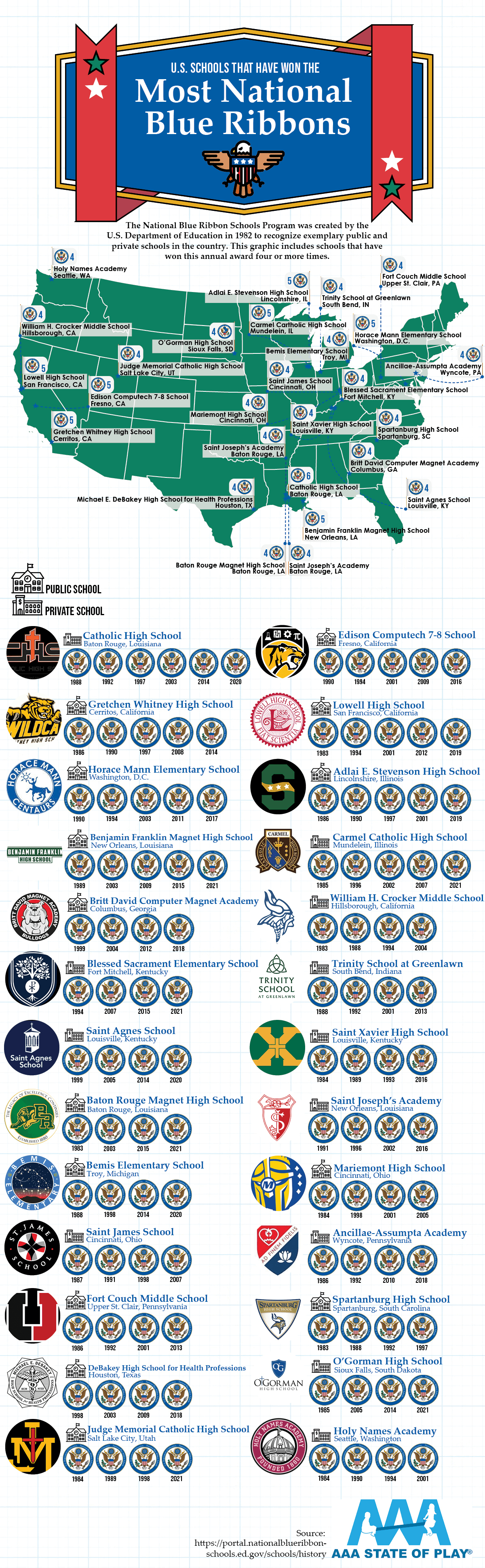
The Genesis and Evolution of the Blue Ribbon School Program
The concept of identifying and celebrating exemplary schools has deep roots, stemming from a desire to both acknowledge outstanding achievements and to provide benchmarks for educational improvement nationwide. The Blue Ribbon School program, in its current iteration, is a testament to this ongoing commitment to educational excellence.
A Legacy of Recognition: From Early Initiatives to National Prominence
The roots of the Blue Ribbon School program can be traced back to the Eisenhower administration, with the establishment of the “White House Conference on Education” in 1955. This conference sparked a national conversation about the importance of education and the need to identify and promote innovative and effective educational practices. While not a formal “Blue Ribbon” designation at that time, it laid the groundwork for future initiatives. The modern National Blue Ribbon Schools program was officially launched in 1982 by the U.S. Department of Education. The initial intent was to recognize public and private elementary, middle, and high schools that demonstrated significant progress in educating their students, or that achieved high levels of academic performance. The program was designed to showcase successful schools and share their best practices with others, thereby elevating the overall quality of education across the country. Over the decades, the program has evolved, adapting its criteria and focus to reflect changing educational landscapes and national priorities. However, its core mission – to identify and celebrate schools that exemplify academic excellence and/or significant progress – has remained steadfast. This enduring legacy underscores the program’s importance in shaping national educational discourse and fostering a culture of continuous improvement.
The U.S. Department of Education’s Role and Program Objectives
The U.S. Department of Education is the custodian and administrator of the National Blue Ribbon Schools program. Its involvement is crucial in ensuring the program’s integrity, fairness, and national scope. The Department’s objectives for the program are multifaceted, aiming to:
- Identify and celebrate exemplary schools: The primary goal is to shine a spotlight on schools that are performing at exceptionally high levels or demonstrating remarkable improvement. This recognition serves as a powerful motivator for students, teachers, and administrators.
- Promote effective practices: By highlighting successful schools, the program encourages the dissemination of best practices and innovative strategies that can be emulated by other institutions. This fosters a ripple effect of improvement across the educational system.
- Raise awareness of educational excellence: The program serves to inform the public about what constitutes a high-performing school and the key factors that contribute to its success. This can empower parents and communities to advocate for similar standards in their local schools.
- Encourage research and innovation: The selection process often identifies schools that are at the forefront of educational innovation. This can inspire further research into effective pedagogical approaches and curriculum development.
- Provide a national benchmark: The Blue Ribbon status offers a credible, independently verified benchmark of educational quality, allowing for comparisons and aspirational goal-setting.
The Department of Education manages the application process, establishes the nomination criteria in collaboration with state education agencies, and ultimately selects the schools that will receive the prestigious award. This central role ensures that the program maintains a consistent and rigorous standard of evaluation nationwide.
Criteria for Achieving Blue Ribbon Status: A Multifaceted Evaluation
The path to becoming a Blue Ribbon School is not an easy one. It involves a comprehensive and rigorous evaluation process that considers a school’s academic performance, student demographics, and overall commitment to educational excellence. The criteria are designed to identify schools that are not only excelling academically but are also doing so equitably for all their students.
Academic Excellence: Demonstrating High Student Achievement
One of the primary pathways to Blue Ribbon status is through demonstrating consistently high levels of academic achievement. This is not simply about having a few high-achieving students; it’s about the overall academic performance of the entire student body.
- Standardized Test Performance: A key indicator is performance on state and national standardized assessments. Blue Ribbon Schools typically show average scores in the top 10% nationally or demonstrate significant gains over time that place them among the highest-performing schools. This data provides an objective measure of student learning in core subjects like reading, mathematics, and science.
- Growth and Progress: Beyond just current achievement, the program also recognizes schools that exhibit exceptional student growth. This means demonstrating that students are making significant academic progress from one year to the next, regardless of their starting point. This is particularly important for schools serving diverse student populations with varying needs.
- Curriculum and Instruction: While test scores are important, they are not the sole determinant. Schools are also evaluated on the quality of their curriculum and instructional practices. This includes evidence of engaging teaching methods, a well-aligned curriculum that meets state and national standards, and a focus on critical thinking, problem-solving, and creativity.
Closing Achievement Gaps: Ensuring Equity and Opportunity for All

A critical and increasingly emphasized aspect of the Blue Ribbon program is the commitment to equity and the successful closure of achievement gaps among different student subgroups. This acknowledges that true educational excellence lies in serving all students effectively.
- Performance of Subgroups: Schools are meticulously examined for the academic performance of various student subgroups, including students from low-income backgrounds, students with disabilities, English language learners, and students from different racial and ethnic groups. The program looks for evidence that these subgroups are achieving at high levels, and that there are no significant disparities in performance.
- Strategies for Support: Beyond just the data, the application process requires schools to detail the strategies and interventions they employ to support students who may be at risk of falling behind. This includes evidence of differentiated instruction, targeted academic support, early intervention programs, and robust support services for English language learners and students with special needs.
- Inclusive School Culture: A Blue Ribbon School fosters an inclusive and supportive environment where all students feel valued, respected, and have equal opportunities to succeed. This can be demonstrated through initiatives that promote diversity, equity, and belonging within the school community. The program recognizes that closing achievement gaps requires a holistic approach that addresses not only academic needs but also social and emotional development.
Exemplary School Practices: Beyond Academics
While academic achievement and equity are paramount, Blue Ribbon Schools are also recognized for their broader commitment to creating an outstanding educational environment. This encompasses the quality of leadership, the engagement of the school community, and innovative approaches to education.
- Strong Leadership and Vision: Effective leadership is a cornerstone of any successful school. Blue Ribbon Schools typically have principals and administrators who provide clear vision, foster a positive school culture, and support their teachers and staff in achieving educational goals. This leadership extends to strategic planning and a commitment to continuous improvement.
- Engaged and Supportive School Community: A vibrant school community is essential for student success. This includes active parental involvement, strong partnerships with the local community, and a collaborative spirit among teachers and staff. Evidence of effective communication channels between the school and families, as well as programs that encourage parental participation in school activities and decision-making, are often highlighted.
- Innovative Programs and Initiatives: Many Blue Ribbon Schools are at the forefront of educational innovation. This can manifest in a variety of ways, such as unique curriculum offerings, advanced technology integration, project-based learning approaches, or exceptional extracurricular programs that enrich the student experience. The program looks for evidence of creativity and a willingness to embrace new ideas to enhance student learning and engagement.
The Impact and Significance of Blue Ribbon Recognition
Achieving Blue Ribbon School status is more than just an award; it’s a validation of hard work, dedication, and a deep-seated commitment to educational excellence. The impact of this recognition extends to various stakeholders within and beyond the school community.
A Mark of Distinction for Students and Educators
For students, the knowledge that their school is recognized as a Blue Ribbon institution can foster a sense of pride and belonging. It signifies that they are part of an environment that values their education and is dedicated to their success. This can lead to increased motivation and a greater appreciation for their learning journey.
For educators, receiving Blue Ribbon status is a profound acknowledgment of their hard work, dedication, and pedagogical expertise. It validates their commitment to student learning and provides a significant boost to morale. It also serves as a powerful recruitment tool, attracting highly qualified teachers who are eager to work in an environment recognized for its excellence. The recognition can also lead to increased professional development opportunities and a platform for educators to share their successful strategies with others.
Enhanced Reputation and Community Trust
A Blue Ribbon designation significantly elevates a school’s reputation within its local community and on a national scale. It becomes a beacon of educational quality, attracting prospective families who are seeking the best possible educational environment for their children. This enhanced reputation can lead to increased enrollment, greater parental engagement, and stronger community partnerships.
For public schools, the Blue Ribbon status can also foster greater trust and confidence from taxpayers and policymakers. It demonstrates that public funds are being used effectively to deliver high-quality education. This can translate into increased support for school initiatives and a more positive perception of the public education system. For private schools, it serves as a strong endorsement of their educational philosophy and outcomes, reinforcing their value proposition to prospective families.
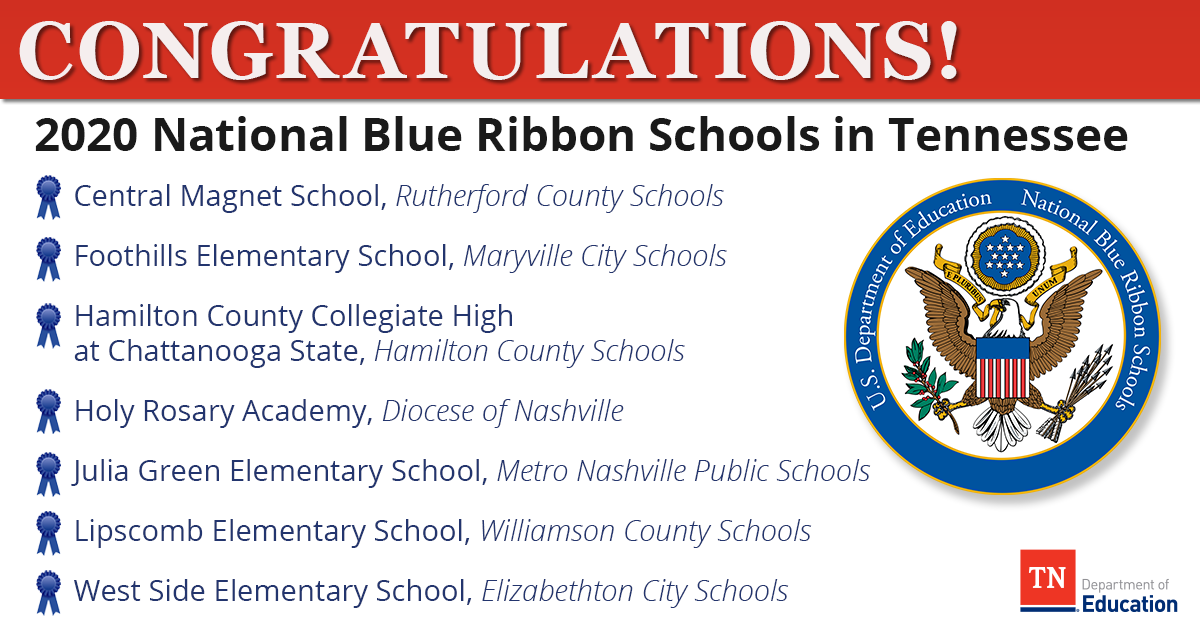
A Catalyst for Continuous Improvement and Best Practice Sharing
The rigorous application process itself serves as a powerful catalyst for self-reflection and improvement within schools. By meticulously documenting their practices and achievements, schools gain valuable insights into their strengths and areas where further development is needed. The process encourages a culture of data-driven decision-making and a strategic approach to educational reform.
Furthermore, Blue Ribbon Schools are often encouraged to share their successful strategies and innovative approaches with other schools. This can happen through various avenues, such as conferences, workshops, mentorship programs, or online resources. By acting as models of excellence, these schools contribute to the broader advancement of education, helping to elevate the standards and outcomes for students across the nation. The program effectively creates a network of high-performing institutions that can collectively drive educational progress.
aViewFromTheCave is a participant in the Amazon Services LLC Associates Program, an affiliate advertising program designed to provide a means for sites to earn advertising fees by advertising and linking to Amazon.com. Amazon, the Amazon logo, AmazonSupply, and the AmazonSupply logo are trademarks of Amazon.com, Inc. or its affiliates. As an Amazon Associate we earn affiliate commissions from qualifying purchases.