
The question of which hand an engagement ring traditionally graces is a deeply ingrained curiosity, often sparking lively debate and personal reflection. While the answer might seem straightforward, delving into the history, cultural nuances, and even the practical considerations behind this tradition reveals a fascinating tapestry of human customs and symbolism. This exploration transcends mere fashion; it touches upon the very essence of commitment, partnership, and the personal stories we choose to tell. Understanding the prevalent practices surrounding engagement ring placement can offer valuable insight into cultural norms and the enduring significance of this cherished piece of jewelry.

The Historical and Cultural Roots of Ring Placement
The placement of an engagement ring is not a universal constant. Its evolution is deeply intertwined with historical beliefs, religious doctrines, and evolving societal norms. Tracing these roots helps us understand why certain traditions have taken hold and why variations exist across the globe.
The Ancient “Vena Amoris” Tradition
One of the most widely cited historical explanations for wearing the engagement ring on the left ring finger stems from the ancient Roman belief in the “vena amoris,” or “vein of love.” This vein was thought to run directly from the left ring finger to the heart. While anatomically inaccurate by modern standards, this poetic notion powerfully symbolized the direct connection between the finger, the ring, and the seat of love and emotion. This belief, though largely mythological, has had a profound and lasting impact on Western wedding traditions, particularly in Europe and North America, solidifying the left ring finger as the designated spot for symbols of romantic love.
Religious and Cultural Interpretations
Beyond the “vena amoris,” various religious and cultural interpretations have also influenced ring placement. In some Christian traditions, the priest might make the sign of the cross on the bride’s hand with the ring, often moving it from one finger to another before finally settling on the ring finger. Similarly, in some Eastern Orthodox traditions, the engagement ring might initially be worn on the right hand, signifying the hand of blessing or God’s favor, before being moved to the left hand after marriage. These religious customs add another layer of symbolic meaning to the physical act of wearing the ring.
Across different cultures, the customs can diverge significantly. In countries like Germany, Poland, and Russia, the engagement ring is traditionally worn on the right hand. This practice is often attributed to the belief that the right hand is the “hand of God” or the hand associated with good fortune and righteousness. Upon marriage, the wedding band might then be worn on the left hand, or the engagement ring might be transferred to the left hand, depending on local custom. These variations highlight that while love is a universal emotion, the outward expressions and symbols of commitment can be remarkably diverse.
The Influence of Royal and Noble Traditions
Throughout history, royalty and nobility have often set trends that trickle down through society. The choice of ring placement by influential figures could have also contributed to the adoption of certain practices. While specific historical documentation on royal ring placement for engagement is less common than for wedding bands, the general societal reverence for aristocratic customs would have likely influenced the widespread acceptance of particular traditions. The allure of royal romance and the symbolic weight associated with their choices would have undoubtedly played a role in shaping popular sentiment and custom.
The Modern Practice: A Fusion of Tradition and Personal Choice
In contemporary society, the question of which hand an engagement ring goes on is often answered by a blend of ingrained tradition and evolving personal preference. While the left ring finger remains the most common choice in many Western cultures, modern couples are increasingly embracing flexibility and individuality.
The Dominance of the Left Ring Finger
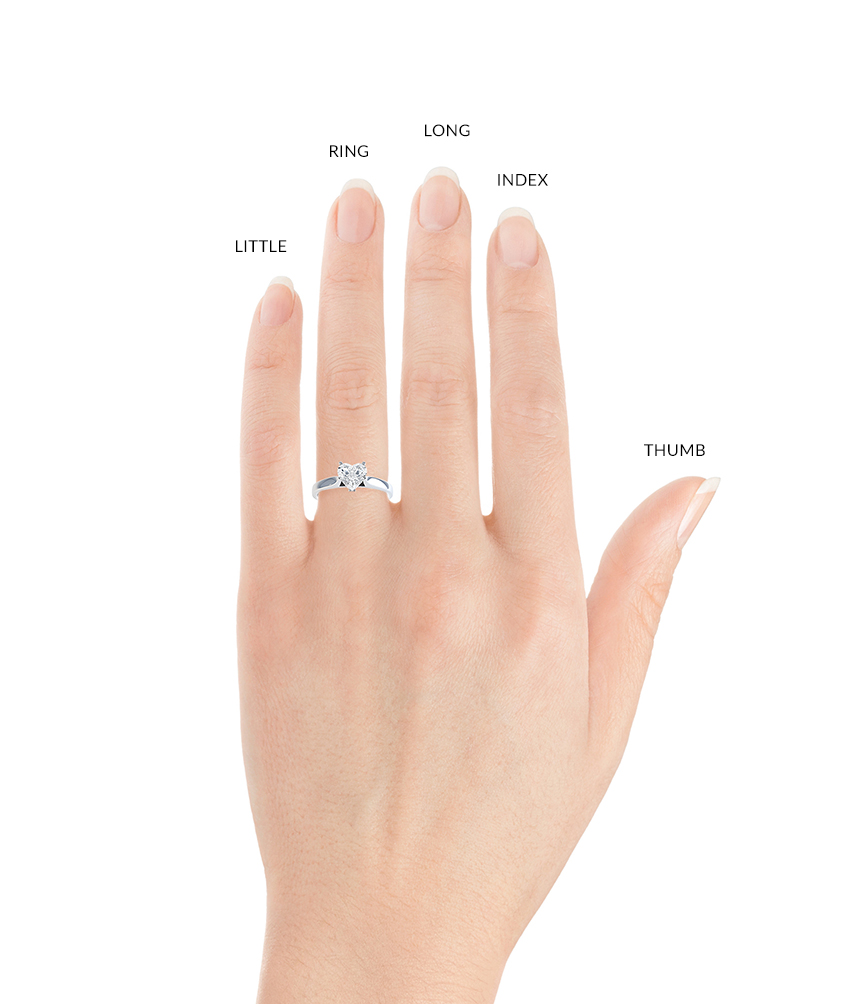
In the United States and many English-speaking Western countries, the left ring finger is overwhelmingly the traditional placement for engagement rings. This is a direct legacy of the “vena amoris” belief and has become the default expectation for many. The sheer volume of people adhering to this custom means that when someone asks about engagement ring placement, the immediate assumption is often the left hand. This ingrained habit makes it the most recognized and widely practiced tradition in these regions.
Variations and Exceptions in the West
Despite the prevalence of the left-hand tradition, there are notable exceptions even within Western cultures. Some individuals choose to wear their engagement ring on their right hand for personal reasons. This might be due to a personal preference for symmetry, a desire to wear other significant rings on the left hand, or simply a conscious decision to deviate from the norm. Furthermore, some couples opt for an engagement ring that is designed to be worn alongside the wedding band on the same finger, or they may choose to have both rings stacked on one finger or separated.
International Perspectives and Shifting Norms
As global interconnectedness increases, so does awareness of international customs. Individuals moving between countries or marrying someone from a different cultural background may consciously adopt or adapt traditions. For example, someone from a culture where the right hand is traditional might choose to wear their engagement ring on the right hand even if living in a Western country. Conversely, someone from a Western background marrying into a family with a right-hand tradition might adapt accordingly. These exchanges demonstrate how traditions are not static but rather dynamic and influenced by cross-cultural interactions.
Practical Considerations and Personal Expression
Beyond historical and cultural influences, practicalities and the desire for personal expression also play a significant role in how and where an engagement ring is worn.
Comfort and Lifestyle
For some, the choice of hand might come down to simple practicality. Certain professions or hobbies might make wearing a ring on a particular hand less comfortable or more prone to damage. For example, individuals who engage in manual labor, sports that involve extensive hand use, or activities where rings could be a safety hazard might opt for a less dominant hand or even choose not to wear it constantly. The comfort and longevity of the ring, as well as the wearer’s well-being, are important considerations that can override strict adherence to tradition.
Symbolism and Personal Meaning
Ultimately, the engagement ring is a deeply personal symbol of love and commitment. The decision of which hand to wear it on is therefore a personal one. Some couples might choose to wear their engagement rings on opposite hands to signify equality or partnership. Others might choose a specific finger to align with other meaningful jewelry they wear. The beauty of modern engagement practices lies in their flexibility, allowing individuals to imbue their ring placement with their own unique meaning and narrative.
Stacking and Coordinating Rings
The trend of “stacking” rings, where an engagement ring is worn alongside a wedding band and potentially other sentimental rings, also influences placement. Many engagement rings are designed to fit seamlessly with their accompanying wedding bands. This often means the engagement ring is placed on the left ring finger, with the wedding band being placed closer to the hand, closer to the heart. However, couples may also choose to wear their engagement ring on a separate hand or have custom-designed bands that complement each other regardless of finger placement. The visual harmony and personal aesthetic of the stacked rings are often key considerations.
The Future of Engagement Ring Traditions
The traditions surrounding engagement rings are not set in stone. As society continues to evolve, so too will the customs associated with these cherished symbols of love.
The Rise of Individuality and Customization
There is a clear and growing trend towards personalization in all aspects of life, and engagement rings are no exception. Couples are increasingly seeking unique designs that reflect their individual styles and their shared journey. This desire for individuality extends to the very act of wearing the ring. While tradition will likely always hold sway for many, a significant portion of couples will continue to forge their own paths, choosing placements that resonate most deeply with their personal beliefs and values.
The Enduring Power of Symbolism
Regardless of the specific finger or hand, the engagement ring remains a potent symbol. Its enduring power lies not in its precise placement, but in what it represents: love, commitment, and the promise of a shared future. Whether worn on the left or right, the ring serves as a constant reminder of a special bond and the intentions it signifies. The cultural narratives and historical weight attached to the ring will continue to inform its significance, even as the specifics of its presentation adapt.

A Celebration of Love in All Its Forms
Ultimately, the question of “what hand does your engagement ring go on” is less about finding a definitive answer and more about understanding the rich history, diverse cultural expressions, and personal significance that surround this beautiful tradition. The most important aspect is the love and commitment it represents, celebrated in a way that feels authentic and meaningful to the individuals involved. The future of engagement ring traditions will likely be one of continued adaptation, embracing both the timeless symbolism and the modern desire for personal expression.
aViewFromTheCave is a participant in the Amazon Services LLC Associates Program, an affiliate advertising program designed to provide a means for sites to earn advertising fees by advertising and linking to Amazon.com. Amazon, the Amazon logo, AmazonSupply, and the AmazonSupply logo are trademarks of Amazon.com, Inc. or its affiliates. As an Amazon Associate we earn affiliate commissions from qualifying purchases.