
For many, a half dollar coin is a simple piece of pocket change, a relic of past transactions. However, for the discerning collector and savvy investor, certain half dollars represent a significant opportunity for financial growth. The world of numismatics, the study and collection of coins, reveals that not all silver dollars are created equal. Their value is dictated by a fascinating interplay of rarity, historical significance, condition, and the precious metal content they often contain. Understanding these factors is crucial for anyone looking to identify and acquire half dollars that are genuinely “worth money.”
The Lure of Silver: Intrinsic Value and Precious Metal Content
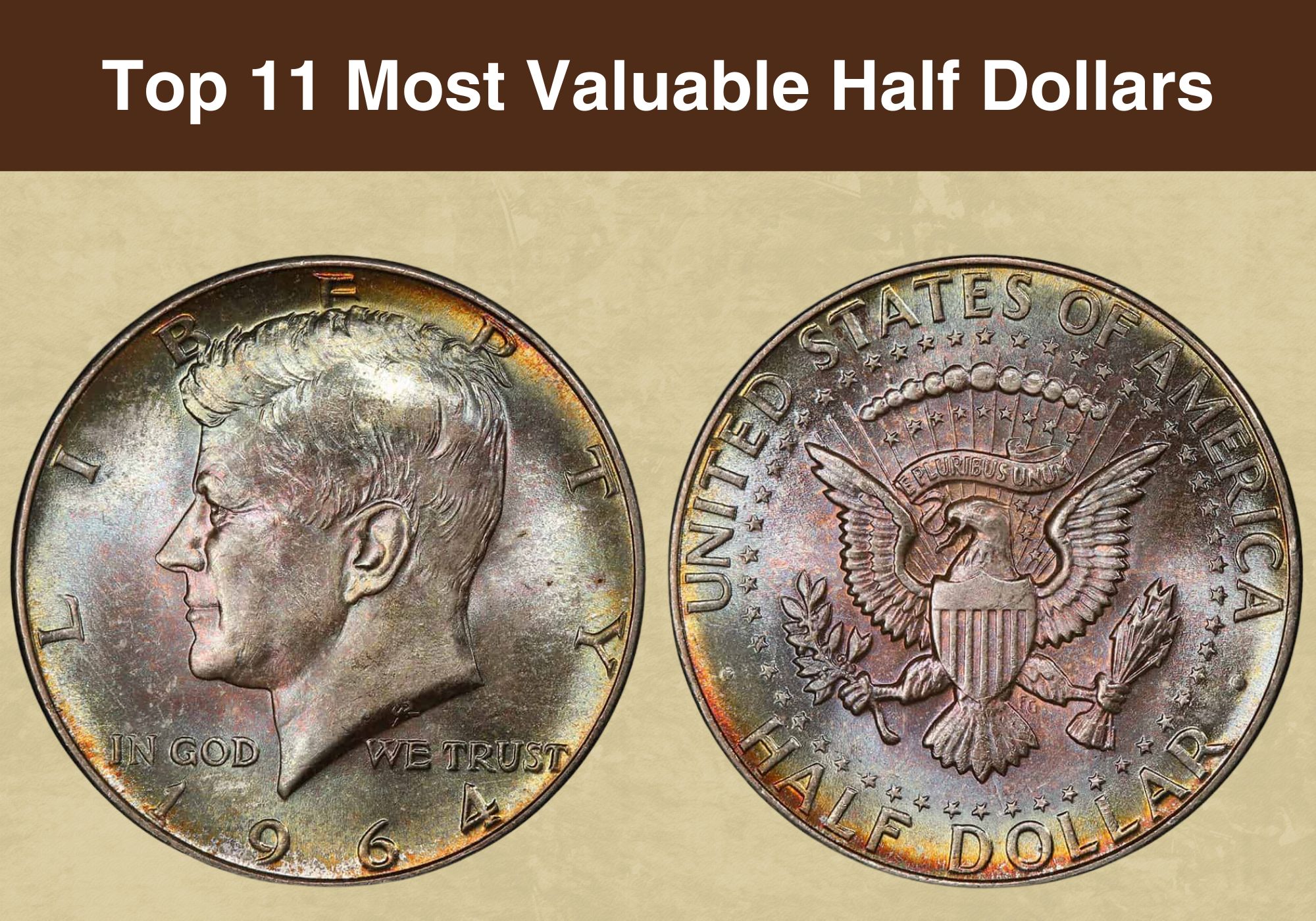
At the heart of the value of many older half dollars lies the intrinsic worth of their silver content. While modern coinage is typically made of base metals, many half dollars minted before 1965 were struck from a 90% silver alloy. This means that even if a coin has no significant collector appeal, its melt value—the price of the silver it contains—can be substantial, especially in periods of rising silver prices.
Understanding Silver Purity and Melt Value Calculation
The key to understanding the melt value of a silver half dollar is to know its silver purity and its weight. Most pre-1965 U.S. half dollars, such as those from the Franklin, Kennedy (pre-1965), and Walking Liberty series, contain approximately 0.3617 troy ounces of pure silver. A troy ounce is a unit of weight commonly used for precious metals, slightly heavier than a standard avoirdupois ounce.
To calculate the melt value, you’ll need to know the current market price of silver per troy ounce. The formula is straightforward:
Melt Value = (Silver Content per Coin in Troy Ounces) x (Current Silver Price per Troy Ounce)
For example, if silver is trading at $25 per troy ounce, a pre-1965 half dollar, with its 0.3617 troy ounces of silver, would have a melt value of approximately $9.04 (0.3617 x $25). This figure acts as a baseline for the coin’s value. Even common dates in average condition will likely trade at or slightly above their melt value due to this inherent silver content. As silver prices fluctuate, so too does the minimum value of these coins, making them a tangible asset that can appreciate alongside the precious metal market.
Identifying Silver Half Dollars: Dates and Mint Marks to Look For
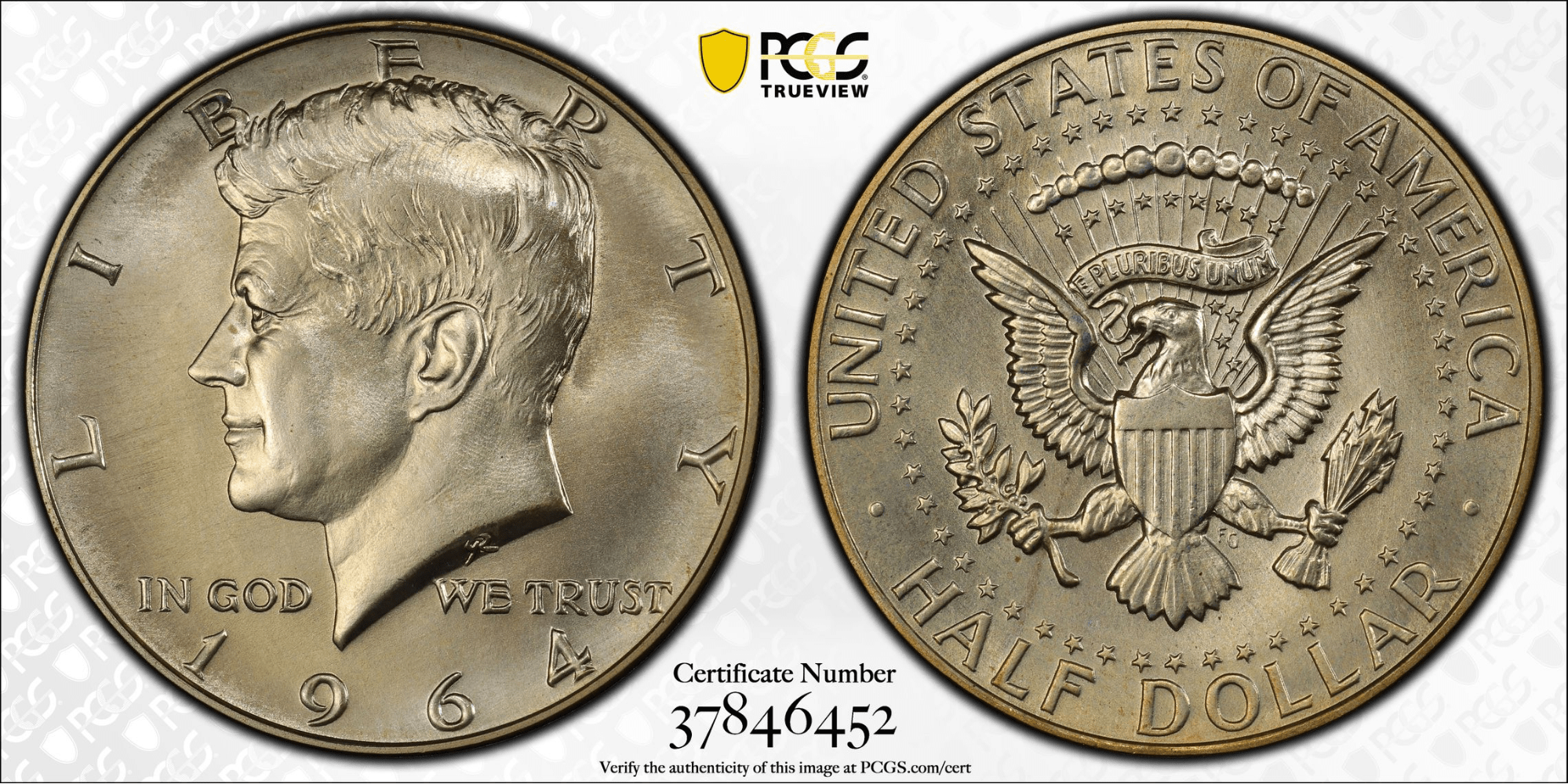
The most crucial distinguishing feature of silver half dollars is their minting date. Any U.S. half dollar minted in 1964 or earlier is primarily composed of 90% silver. After 1964, the composition changed dramatically. The Kennedy half dollar, introduced in 1964 as a memorial to the assassinated President John F. Kennedy, initially contained 90% silver. However, beginning in 1965, half dollars were struck with a clad composition, featuring a copper core sandwiched between two layers of cupronickel. These clad half dollars, while still legal tender, have negligible silver content and are generally valued only at their face value, unless they possess exceptional numismatic rarity.
Mint marks, those small letters indicating the mint where the coin was produced (e.g., “D” for Denver, “S” for San Francisco, “O” for New Orleans, and no mark for Philadelphia), can also play a role in a silver half dollar’s value, especially for rarer dates or varieties. However, when assessing the intrinsic silver value, the date is the primary determinant. Therefore, any half dollar with a date of 1964 or earlier is a prime candidate for being “worth money” based on its silver content alone.
Beyond Silver: The Numismatic Value of Rare and Key Dates
While the silver content provides a solid floor for value, the true fortunes in half dollar collecting often lie in numismatic value. This refers to the value attributed to a coin beyond its metal content, driven by factors like rarity, historical significance, demand, and condition. Certain dates, mintages, and varieties of half dollars are highly sought after by collectors, pushing their prices far beyond their silver melt value.
Key Dates and Mint Marks: The Pillars of Collection Value
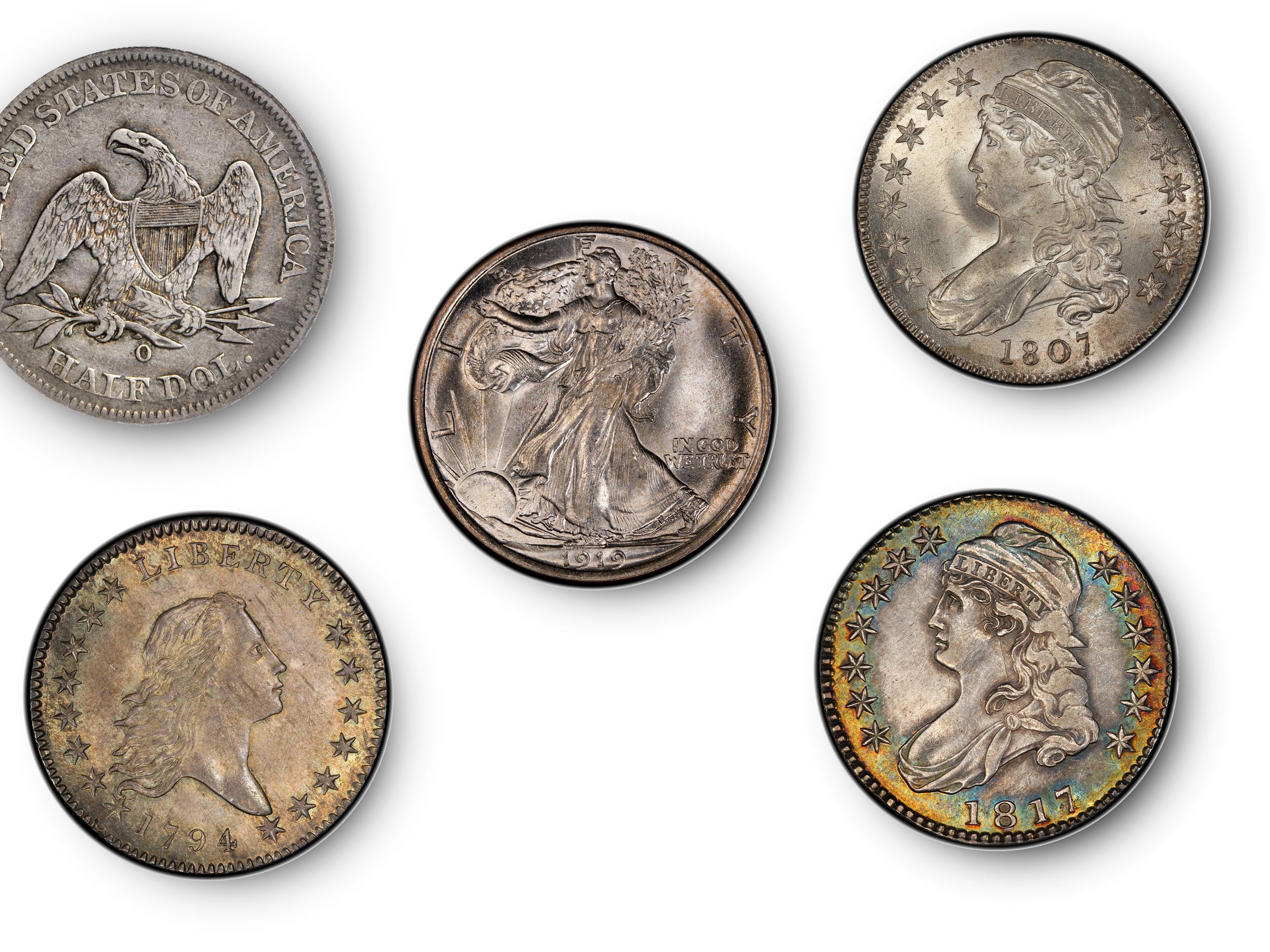
Within each series of half dollars, there are specific “key dates” and “key mint marks” that are significantly rarer and more valuable. These are typically coins produced in smaller quantities or those that were heavily circulated and subsequently lost to the melting pot. For example, in the popular Walking Liberty half dollar series (1916-1947), certain dates and mint marks are considerably scarcer than others. The 1921-S is a prime example, being a low-mintage coin from the San Francisco mint. Similarly, the 1921 and 1921-D are also considered key dates due to their low production numbers.
The Franklin half dollar series (1948-1963) also has its own set of valuable key dates. The 1952-S and the 1953, both Philadelphia and Denver mints, are notable for their lower mintages. The 1949/49-D overdate variety is another highly prized Franklin, representing a striking error that significantly increases its rarity and collector appeal. For the Kennedy half dollar series, while most dates from 1964 and earlier are valuable for their silver content, certain proof issues and error coins can command significant premiums. Even within the clad era, certain errors or special issues can become quite valuable.
Understanding Mintages: The Numbers Game of Rarity
The mintage figure, which represents the total number of coins produced for a specific date and mint mark, is a fundamental indicator of a coin’s potential rarity. Lower mintages generally translate to fewer coins available for collectors, thus driving up demand and price. For instance, if a particular half dollar had a mintage of only 100,000 coins, while another date from the same series had a mintage of 10,000,000, the former is inherently rarer.
However, mintage is not the sole determinant of rarity. Factors like survival rates (how many coins from the original mintage have been preserved) and the level of circulation also play a crucial role. A coin with a high mintage but very poor survival rate might be rarer in high grades than a coin with a lower mintage that was hoarded. This is why it’s essential to consult authoritative coin price guides and resources to understand the relative rarity of different dates and mint marks.
The Importance of Condition: Grade and Eye Appeal
Even the rarest coin will fetch a significantly lower price if it is in poor condition. Numismatics places a strong emphasis on the condition, or “grade,” of a coin. The professional grading services, such as PCGS (Professional Coin Grading Service) and NGC (Numismatic Guaranty Company), use a standardized grading scale, most commonly the Sheldon scale, which ranges from 1 (Poor) to 70 (Mint State or Proof). A coin’s grade is determined by factors such as the amount of wear, the presence of scratches or marks, the sharpness of the strike, and the overall aesthetic appeal.
The Sheldon Scale: A Universal Language of Coin Condition
The Sheldon scale provides a universally understood language for describing a coin’s condition. For uncirculated coins (those that have never been used in commerce), grades typically range from MS-60 to MS-70.
- MS-60 to MS-62: These are considered “Mint State” coins but often have visible imperfections or bag marks, which are minor abrasions that occur when coins rub against each other during handling and storage.
- MS-63 to MS-65: These grades represent progressively higher levels of Mint State, with fewer and less distracting imperfections. Coins in this range often have excellent eye appeal.
- MS-66 to MS-68: These are considered “Gem” or “Superb Gem” Mint State grades, indicating coins with exceptional strike, luster, and very minimal, if any, imperfections visible to the naked eye.
- MS-69 to MS-70: These are the pinnacle grades, representing near-perfect coins. An MS-70 coin is virtually flawless, exhibiting perfect strike, luster, and no imperfections.
For proof coins (special strikes made for collectors), the scale is similar, with PR or PF (Proof) preceding the numerical grade. The difference in value between a coin graded MS-65 and one graded MS-67 can be exponential, highlighting the critical importance of condition in determining a half dollar’s worth.
Eye Appeal: The Subjective Element of Value
Beyond the technical grading standards, “eye appeal” is a subjective but vital component of a coin’s value. This refers to how attractive the coin is to the human eye. A coin with vibrant luster, pleasing toning (natural coloration that develops over time), and a sharp, well-defined strike will often be more desirable and command a higher price than a coin of the same technical grade but with dull luster, unattractive toning, or a weak strike. Experienced collectors and dealers can often spot exceptional eye appeal, and it can be the deciding factor when comparing two coins of similar grade.
Where to Find and How to Sell Valuable Half Dollars
Identifying valuable half dollars is only the first step. Knowing where to acquire them and how to best sell them is crucial for maximizing your financial returns. The world of coin collecting offers a variety of avenues for both purchasing and selling, each with its own advantages and disadvantages.
Acquisition Avenues: From Coin Shops to Online Marketplaces
- Local Coin Shops: These brick-and-mortar establishments are often a great place to start. Reputable dealers can offer expert advice, a curated selection of coins, and a chance to physically inspect items before purchase. However, prices may sometimes be higher than online due to overhead costs.
- Coin Shows and Conventions: These events bring together a large number of dealers and collectors, offering an extensive selection of coins and the opportunity to negotiate prices. They are excellent for networking and discovering rare items.
- Online Marketplaces (eBay, Dedicated Coin Sites): Online platforms offer unparalleled selection and the convenience of shopping from home. However, it’s crucial to buy from reputable sellers with strong feedback ratings and to be aware of the risks of purchasing sight-unseen. Always look for clear, high-resolution photos and detailed descriptions.
- Auctions: Major auction houses and specialized coin auctioneers handle high-value and rare coins. This is often where the most significant sales occur, but it can also involve premiums and buyer’s fees.
- Inheritance and Found Treasures: Many valuable half dollars enter circulation through inheritance or are discovered in old family belongings. This is where the knowledge of what to look for becomes particularly empowering.
Selling Strategies: Maximizing Your Return on Investment
- Grading Services: For valuable coins, submitting them to a professional grading service (PCGS or NGC) can significantly enhance their marketability and value. A graded coin is authenticated and assigned a precise grade, offering buyers confidence and a clear basis for valuation.
- Reputable Dealers: Selling to a reputable coin dealer can provide a quick and straightforward sale. They will offer a price based on their knowledge of the market, though it will likely be less than what you might achieve by selling directly to a collector.
- Online Auctions and Sales: Selling directly to collectors through platforms like eBay or dedicated coin forums can potentially yield higher prices, as you can reach a broader audience of interested buyers. However, this requires more effort in listing, shipping, and customer service.
- Coin Shows: Selling at coin shows can be effective, as you can interact directly with potential buyers and negotiate prices.
Ultimately, understanding the intrinsic value of silver, the numismatic drivers of rarity and demand, and the critical impact of condition will equip you to identify and capitalize on the potential of half dollars that are truly worth money. Whether you’re a seasoned collector or an aspiring investor, the world of half dollars offers a fascinating and potentially rewarding journey into the intersection of history, art, and finance.
aViewFromTheCave is a participant in the Amazon Services LLC Associates Program, an affiliate advertising program designed to provide a means for sites to earn advertising fees by advertising and linking to Amazon.com. Amazon, the Amazon logo, AmazonSupply, and the AmazonSupply logo are trademarks of Amazon.com, Inc. or its affiliates. As an Amazon Associate we earn affiliate commissions from qualifying purchases.