
The world of video games has long been a fertile ground for intricate lore, symbolic imagery, and deeper meanings that resonate with players long after the credits roll. “WuWa,” a title that has rapidly captured the attention of the gaming community, is no exception. Beyond its compelling gameplay and stunning visuals, the game subtly weaves in thematic elements through its visual design, and perhaps one of the most intriguing aspects is the recurring motif of tattoos. These aren’t mere decorative additions; they are digital brushstrokes imbued with narrative significance, offering players a unique way to decipher character backstories, faction affiliations, and even the overarching themes of the game’s universe. Understanding the meaning behind these tattoos can unlock a richer appreciation for the world of WuWa and the characters who inhabit it.
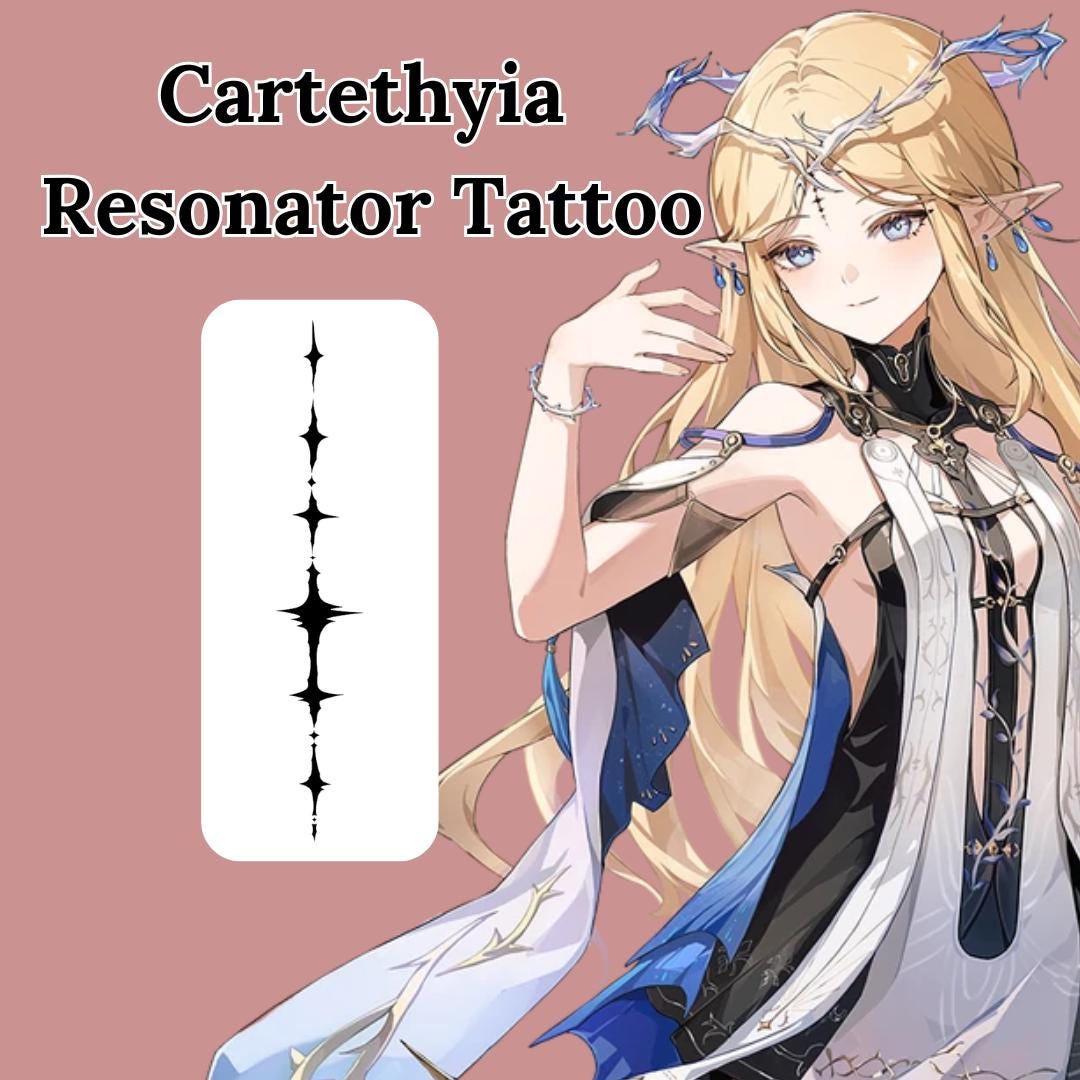
This exploration delves into the digital ink of WuWa, dissecting the potential meanings, cultural inspirations, and narrative functions of these significant visual elements. We will move beyond superficial observation to analyze how tattoos serve as a storytelling device, a marker of identity, and a crucial component in the game’s intricate world-building.
Unveiling the Narrative Power of In-Game Tattoos
In the realm of video games, visual storytelling is paramount. Developers meticulously craft every element of a game’s world to convey information, evoke emotion, and immerse players. Tattoos, in particular, offer a unique and potent avenue for this narrative injection. They are inherently personal, often carrying historical, cultural, or symbolic weight in the real world. Within a fictional universe, these real-world associations can be amplified and adapted to serve specific storytelling purposes. In WuWa, the tattoos seen on various characters are not random embellishments. Instead, they are carefully considered design choices that hint at a character’s past, their allegiances, their psychological state, or even their destiny.
Tattoos as Markers of Character Identity and Backstory
The most immediate function of tattoos within WuWa is to act as visual shorthand for character identity. A character’s ink can instantly communicate aspects of their personal history, their upbringing, or significant events that have shaped them. For instance, a tattoo depicting a celestial body might suggest a connection to a particular faction or a spiritual belief system. Conversely, a scarification mark could indicate a rite of passage or a traumatic experience. The placement, style, and imagery of a tattoo can all contribute to this layered understanding. A prominent, boldly inked design on the chest might signify pride and unwavering conviction, while subtler markings on the hands or wrists could point to a more clandestine or personal aspect of their identity.
Consider a scenario where a character bears a tattoo of a mythical beast. This could suggest that they are a warrior, a protector, or perhaps someone who identifies with the traits of that particular creature – strength, ferocity, or wisdom. If this same beast is a recurring symbol within the game’s lore, it immediately links the character to a broader narrative element, hinting at their role within the larger conflict or mythology. Developers often leverage established cultural symbolism, infusing it with their own unique interpretations to create a familiar yet distinct visual language. The precise details of these tattoos – the linework, the shading, the color palette – are all carefully chosen to convey not just what a character is, but also what they have been and what they aspire to be.
Factional Affiliations and Symbolic Allegiances
Beyond individual identity, tattoos in WuWa can serve as powerful indicators of group affiliation. In many societies, both real and fictional, tattoos have been used to denote membership in tribes, gangs, cults, or military units. In WuWa, these markings can act as a visual creed, instantly signaling to other characters and observant players where a character’s loyalties lie. These factional tattoos might be standardized designs passed down through generations or adopted as a symbol of shared ideology.
Imagine a specific geometric pattern that appears on the forearms of several characters. If these characters consistently act in concert or share a common objective, it becomes clear that this tattoo represents a united front. This can create a sense of camaraderie among those who bear the mark and a sense of immediate understanding for those who recognize it. It allows for rapid assessment of potential allies or adversaries within the game’s social and political landscape. Furthermore, these factional tattoos can evolve. As factions rise and fall, or as their ideologies shift, their associated iconography might change, offering a dynamic visual history of the game’s ongoing power struggles. The visual language of these tattoos can also reflect the nature of the faction itself. A militaristic group might employ sharp, angular designs, while a more spiritual order could favor flowing, organic patterns.
Cultural Inspirations and Stylistic Diversity in WuWa’s Digital Ink
The art of tattooing has a rich and diverse history across numerous real-world cultures. It is highly probable that the designers of WuWa have drawn inspiration from this global tapestry of inked traditions to imbue their digital creations with a sense of authenticity and depth. Understanding these potential cultural touchstones can significantly enrich a player’s appreciation of the game’s visual design and narrative subtext. The styles and motifs employed are likely not arbitrary, but rather deliberate choices that evoke specific connotations and add layers of meaning.
Echoes of Eastern and Western Tattooing Traditions

Many cultures have developed distinct and recognizable tattooing styles. For example, traditional Japanese Irezumi, with its vibrant depictions of dragons, koi, and mythological figures, often tells epic stories and signifies bravery, fortune, or protection. Similarly, Polynesian tattooing, such as Māori moko, is deeply ingrained in identity, lineage, and social status, with intricate patterns holding specific meanings for each individual. On the other hand, Western tattooing traditions encompass a vast spectrum, from the nautical imagery of sailors to the bold tribal designs of indigenous peoples and the more modern, abstract, or illustrative styles.
In WuWa, the tattoos might exhibit stylistic elements that clearly reference these traditions. A character with bold, sweeping lines and detailed mythical creatures might evoke Japanese influences, suggesting a character of honor, tradition, or perhaps a formidable presence. Conversely, a character adorned with geometric patterns or symbolic representations of nature could be drawing from indigenous Pacific Islander or Native American aesthetics, hinting at a connection to the land, ancestral spirits, or a tribal heritage. The fusion of these styles, or the creation of entirely new hybrids, can also be a significant narrative tool, suggesting characters who bridge cultural divides or represent a new synthesis of old traditions. Developers may strategically employ these echoes to create a sense of the familiar while simultaneously establishing a unique identity for WuWa’s world.
Thematic Resonance: Symbolism and Meaning in Design
Beyond direct cultural imitation, the symbolism embedded within tattoos is a universal language that WuWa likely harnesses. Common symbolic motifs like animals, celestial bodies, flora, and abstract shapes carry inherent meanings that can be universally understood or are explained within the game’s lore. A phoenix tattoo, for instance, universally signifies rebirth and resilience. In WuWa, a character bearing such a mark might be a survivor of immense hardship or someone poised for a significant transformation.
Similarly, tattoos depicting the sun or moon could represent duality, cycles of life and death, or the passage of time. A stylized depiction of a mountain might signify steadfastness and strength, while waves could allude to adaptability and the ebb and flow of power. The game’s developers can meticulously select and adapt these symbols to fit the specific narrative of WuWa. A unique constellation of stars, for example, might be specific to WuWa’s cosmology, its appearance on a character’s skin linking them to a particular prophecy or celestial event. The intention is not simply to adorn, but to communicate. Each line, curve, and shaded area is a deliberate choice to add another layer to the player’s understanding of the character and the world they inhabit. The more intricate and unique the tattoo, the more opportunities it presents for players to engage with the game’s deeper lore and uncover hidden meanings.
Tattoos as Interactive Elements and Player Interpretation
In the dynamic landscape of modern gaming, the relationship between players and game worlds is increasingly interactive and collaborative. While developers lay the groundwork, the true richness of a narrative often emerges from the player’s active engagement and interpretation. Tattoos within WuWa can transcend static visual elements and become catalysts for player-driven exploration and theorizing, fostering a deeper connection to the game’s lore.
Encouraging Player Theory and Lore Discovery
The presence of enigmatic tattoos on characters can act as powerful prompts for player curiosity and theorizing. When players encounter a tattoo with an unfamiliar or ambiguous design, it sparks questions: What does it represent? Where did this character get it? Does it connect to other characters or locations? This encourages players to delve deeper into the game’s lore, consult in-game texts, speak to non-player characters (NPCs), and even engage with online communities to share their findings and hypotheses.
This process of collective decipherment can become a significant part of the player experience. Players might form dedicated forums or wikis to catalog and analyze every tattoo they encounter, building a comprehensive understanding of WuWa’s symbolic language. The ambiguity of certain tattoos is not a flaw, but a deliberate design choice, inviting players to become active participants in constructing meaning. A stylized crest that appears on multiple characters, for example, might lead players to investigate the history and rivalries of the factions associated with that crest, unlocking new quests or revealing hidden dialogue options. The more players engage with these visual clues, the more invested they become in the game’s world.
The Potential for Player Customization and Personal Narrative
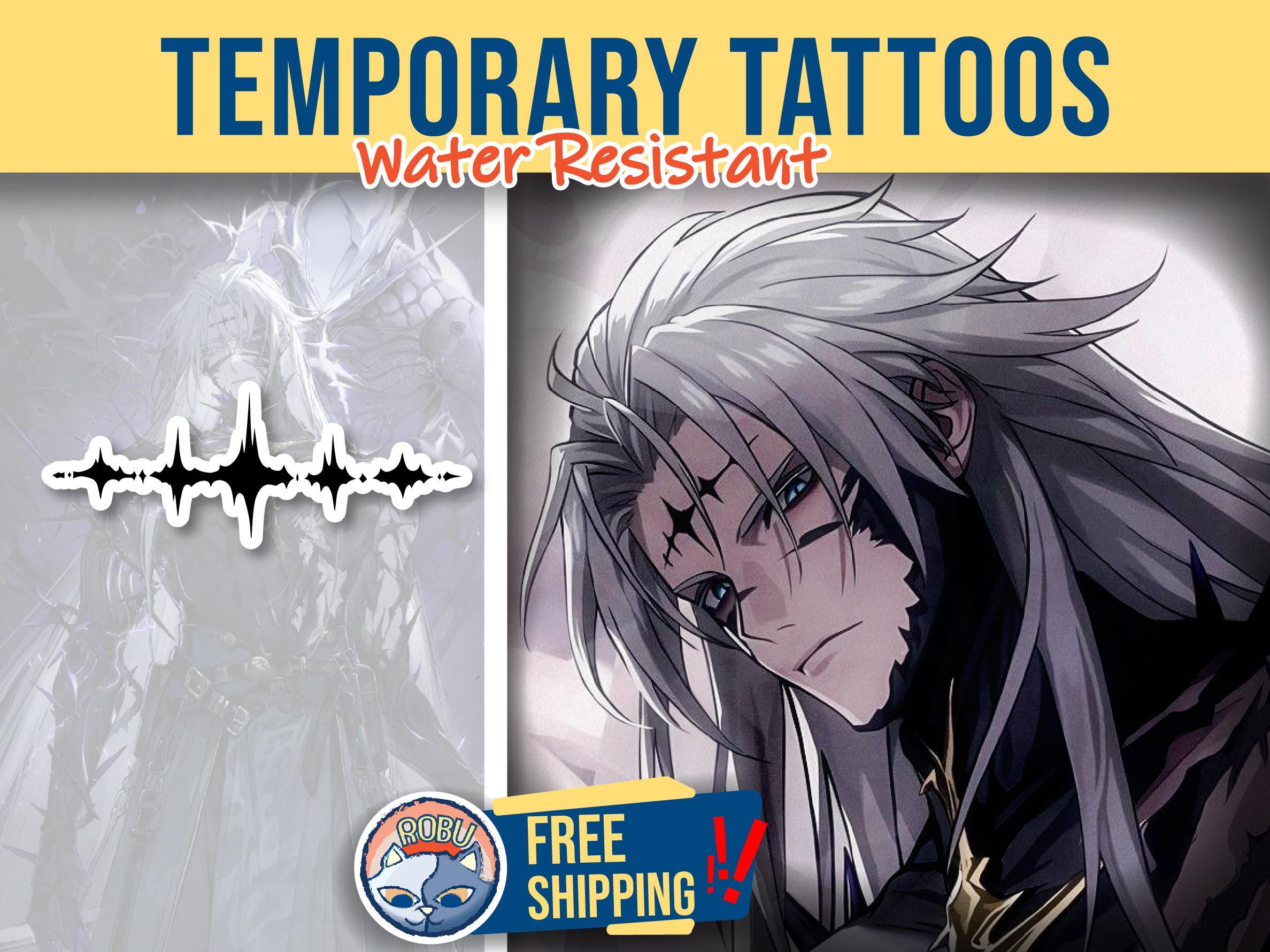
Looking ahead, the integration of tattoos within WuWa could extend beyond passive observation to active player customization. Many modern RPGs allow players to personalize their avatars with a wide range of cosmetic options, and tattoos are a natural extension of this. While the lore-significant tattoos might remain fixed to specific characters, the game could offer players the ability to select and apply their own tattoos, allowing them to imbue their avatars with personal meaning and further express their in-game identity.
This level of customization can profoundly impact player engagement. A player might choose a tattoo that reflects their personal playstyle – a swift, agile character might opt for a tattoo of a falcon, while a tanky warrior could select a symbol of a bear. More importantly, players could choose tattoos that symbolize their own narrative journey within the game. Did they overcome a difficult boss? Did they forge a strong alliance? A tattoo could serve as a permanent, visual reminder of these personal achievements and experiences. This personal touch transforms the player’s avatar from a generic representation to a uniquely crafted persona, deeply intertwined with the player’s journey through the world of WuWa. The visual language of tattoos, therefore, can serve not only to tell the stories of the game’s characters but also to empower players to tell their own.
In conclusion, the tattoos within WuWa are far more than superficial decorations. They are meticulously crafted narrative devices that offer insights into character identity, factional allegiances, cultural influences, and thematic resonance. By encouraging player interpretation and potentially offering avenues for personal customization, these digital markings transform from passive visual elements into active components of the gaming experience, inviting players to delve deeper into the rich tapestry of WuWa’s world.
aViewFromTheCave is a participant in the Amazon Services LLC Associates Program, an affiliate advertising program designed to provide a means for sites to earn advertising fees by advertising and linking to Amazon.com. Amazon, the Amazon logo, AmazonSupply, and the AmazonSupply logo are trademarks of Amazon.com, Inc. or its affiliates. As an Amazon Associate we earn affiliate commissions from qualifying purchases.