
The Peace Corps, an enduring symbol of American public service and international development, often sparks curiosity about its tangible impact and operational scope. While the name itself suggests a mission rooted in peace, the specifics of its work – the “what” and “how” – can be elusive for many. Far from a purely diplomatic or military endeavor, the Peace Corps operates at the grassroots level, empowering communities worldwide through the dedication of its volunteers. This organization is fundamentally about fostering sustainable development and promoting mutual understanding, utilizing a unique model that leverages human capital to address complex global challenges. Its contributions, though often quiet and incremental, are profound, reshaping lives and landscapes across diverse cultural contexts.

To truly grasp “what the Peace Corps does,” it’s essential to delve into its core functional areas, the methodologies it employs, and the enduring impact it strives to achieve. This involves understanding not just the programs it facilitates, but also the intricate process of volunteer selection, training, and deployment, as well as the long-term effects on both host communities and the volunteers themselves. The Peace Corps is a multifaceted entity, and its operations can be best understood by examining its strategic approach to development, the sectors it actively engages in, and the principles that guide its existence.
The Core Mission and Operational Framework
At its heart, the Peace Corps is driven by a three-fold mission, a guiding philosophy that underpins every aspect of its operations. This mission is not merely aspirational; it is the bedrock upon which its programs are built and the metric by which its success is ultimately measured. Understanding these foundational elements is crucial to appreciating the depth and breadth of the Peace Corps’ endeavors.
The Three-Fold Mission
The Peace Corps’ existence is anchored in three fundamental goals:
- To help the people of interested countries in meeting their need for trained men and women. This is the most visible aspect of the Peace Corps’ work. Volunteers are deployed to countries that have requested assistance, bringing their skills and dedication to address specific development needs. These needs can range from improving agricultural practices and enhancing educational systems to strengthening public health infrastructure and fostering economic opportunities. The focus is on providing practical, on-the-ground support that can be sustained by the local community.
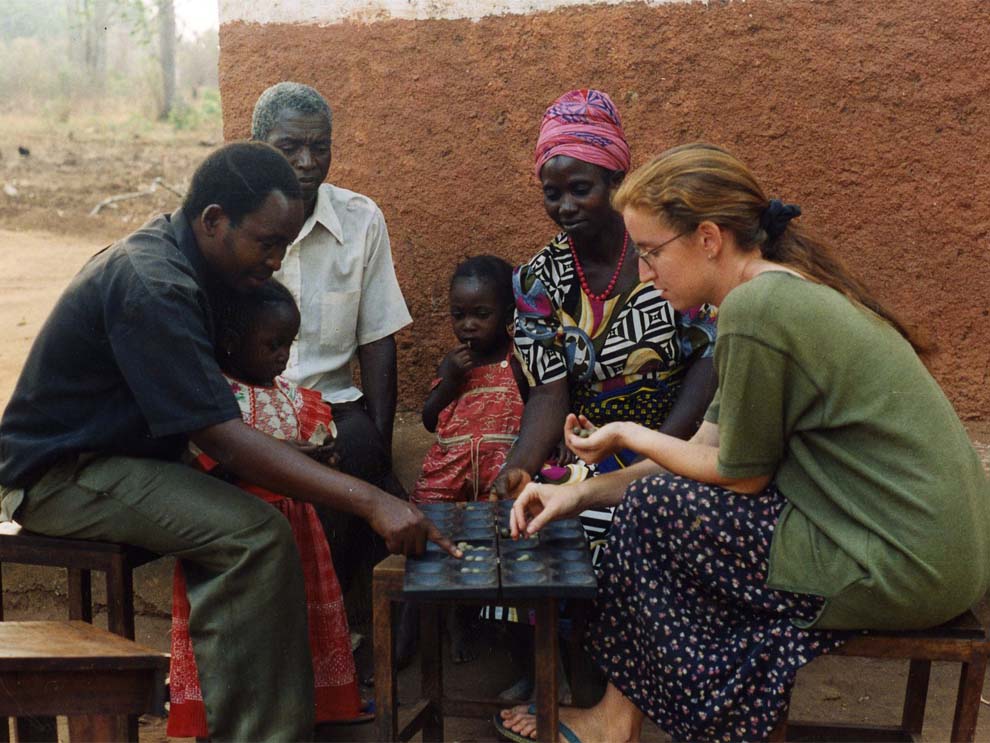
- To promote world peace and understanding. This goal is achieved through the direct interaction and cultural exchange that occurs between volunteers and host communities. By living and working alongside local populations, volunteers gain a deep understanding of different cultures, perspectives, and challenges. This firsthand experience breaks down stereotypes and fosters empathy, contributing to a more interconnected and peaceful world. Conversely, host communities also gain exposure to American culture and values, promoting a more nuanced and balanced view of the United States.
- To promote a better understanding of Americans on the part of the peoples served. This aspect of the mission acknowledges the reciprocal nature of the Peace Corps experience. Volunteers are not just providers of aid; they are also cultural ambassadors. Their daily lives, interactions, and the work they do offer a tangible representation of American ideals and diversity to the communities they serve. This direct, personal connection helps to counter misinformation and build bridges of trust and mutual respect on a personal level.
Volunteer Recruitment, Training, and Deployment
The process by which individuals become Peace Corps volunteers is rigorous and designed to ensure that those sent into the field are well-prepared and suited for the challenges and rewards of service. This meticulous approach is a cornerstone of the organization’s effectiveness.
Selection and Application Process
The journey begins with a comprehensive application process that evaluates a candidate’s skills, motivations, and adaptability. Applicants are assessed based on a variety of factors, including academic background, work experience, language proficiency, and a demonstrated commitment to service. The Peace Corps actively seeks individuals with diverse skill sets, recognizing that development needs are multifaceted and require a broad range of expertise. This includes professionals in fields such as education, health, agriculture, environmental science, and community economic development.
Pre-Service Training
Once selected, volunteers undergo intensive pre-service training (PST). This training typically lasts between 8 to 14 weeks and is crucial for preparing individuals for their assignments. PST covers a wide array of topics, including:
- Technical Skills: Tailored to the specific sector of assignment, volunteers receive training to enhance their expertise and learn context-specific approaches.
- Language and Cultural Immersion: Intensive language instruction is provided to facilitate effective communication and integration into the host community. Volunteers also learn about the history, customs, social norms, and political landscape of their assigned country.
- Health and Safety: Essential knowledge regarding health precautions, common diseases, and emergency protocols is imparted to ensure volunteer well-being.
- Community Development Principles: Volunteers are trained in participatory development methodologies, cross-cultural communication, and strategies for building sustainable projects with local partners.
Assignment and Service
Following PST, volunteers are deployed to their assigned communities, where they will typically serve for a period of 27 months. During their service, they live and work alongside local community members, immersing themselves in the daily life and culture. Their work is collaborative, with volunteers often partnering with local organizations, government agencies, and community leaders to achieve project goals. The success of their assignments relies heavily on their ability to build trust, foster local ownership, and adapt their skills to the unique context of their host country.
Sectors of Impact and Programmatic Focus
The Peace Corps’ operational reach extends across a diverse spectrum of development sectors, reflecting the multifaceted nature of global challenges and the varied needs of its partner communities. The organization strategically deploys volunteers with specialized skills to address critical issues, aiming to create lasting and sustainable change.
Health Sector Interventions
A significant portion of Peace Corps’ efforts are dedicated to improving health outcomes in host communities. Volunteers work on a wide range of health initiatives, addressing both communicable and non-communicable diseases, as well as promoting overall well-being.
Public Health and Disease Prevention
Volunteers in the health sector often focus on critical areas such as:
- HIV/AIDS Prevention and Education: This has been a long-standing focus, with volunteers working to educate communities about prevention, reduce stigma, and support those affected by the virus.
- Malaria Prevention: Implementing strategies for mosquito net distribution, indoor residual spraying, and community education on preventative measures.
- Water, Sanitation, and Hygiene (WASH): Developing and promoting clean water sources, improved sanitation facilities, and hygiene practices to reduce waterborne diseases.
- Maternal and Child Health: Supporting local health workers in providing prenatal care, promoting breastfeeding, and educating mothers on child nutrition and development.
- Nutrition Programs: Addressing malnutrition through education, gardening initiatives, and the promotion of diverse diets.
Health Systems Strengthening
Beyond direct service delivery, Peace Corps volunteers also contribute to building the capacity of local health systems. This can involve:
- Training Community Health Workers: Equipping local individuals with the skills and knowledge to provide basic health services in their communities.
- Improving Health Data Collection and Management: Assisting local health centers in establishing more efficient and accurate record-keeping systems.
- Supporting the Development of Health Policies and Protocols: Working with local health authorities to refine and implement effective public health strategies.
Education and Youth Development
Education is another cornerstone of the Peace Corps’ development agenda, recognizing its transformative power in empowering individuals and communities. Volunteers engage in a variety of educational initiatives, from formal schooling to informal learning opportunities.
Teaching and Educational Support
Peace Corps volunteers are often placed in schools to:
- Teach English as a Foreign Language (EFL): Providing crucial language skills that can open up new educational and economic opportunities.
- Teach Math and Science: Enhancing the quality of STEM education in underserved areas.
- Develop and Deliver Curriculum: Creating relevant and engaging educational materials that align with local needs and contexts.
- Support Teacher Training: Mentoring and providing professional development opportunities for local educators.
- Establish and Manage After-School Programs: Offering additional learning support and enrichment activities for students.
Youth Empowerment Initiatives
Beyond formal education, volunteers are involved in programs designed to empower young people:
- Leadership Development: Organizing workshops and activities to foster leadership skills and civic engagement.
- Life Skills Training: Equipping youth with practical skills such as financial literacy, reproductive health awareness, and conflict resolution.
- Entrepreneurship Education: Introducing concepts of business planning and small business development to encourage economic self-sufficiency.
- Community Projects: Engaging youth in projects that benefit their communities, such as environmental conservation or infrastructure improvements.
Agriculture and Natural Resource Management
Food security and environmental sustainability are critical global challenges, and the Peace Corps actively contributes to these areas through its agricultural and environmental programs.
Sustainable Agriculture Practices
Volunteers work with local farmers to introduce and promote:
- Improved Farming Techniques: Teaching methods that increase crop yields, conserve soil, and reduce reliance on harmful chemicals.
- Water Management and Irrigation: Implementing efficient water usage strategies in agricultural settings.
- Crop Diversification and Resilience: Encouraging the planting of a variety of crops to enhance food security and adapt to changing climates.
- Post-Harvest Loss Reduction: Training in proper storage, processing, and marketing techniques to minimize food waste.
Environmental Conservation and Education
Peace Corps volunteers also play a vital role in protecting natural resources and promoting environmental awareness:
- Reforestation and Tree Planting: Leading initiatives to restore degraded land and protect biodiversity.
- Sustainable Forest Management: Educating communities on responsible use of forest resources.
- Waste Management and Recycling: Developing and implementing effective waste disposal and recycling programs.
- Environmental Education and Advocacy: Raising awareness about environmental issues and promoting conservation practices within communities.
- Renewable Energy Projects: Supporting the adoption of solar, wind, and other sustainable energy sources.
The Lasting Legacy: Impact on Communities and Volunteers
The work of the Peace Corps extends far beyond the 27 months of active service. Its impact resonates deeply within the host communities and profoundly shapes the lives and careers of the volunteers themselves, creating a ripple effect that lasts for generations.
Community Transformation and Empowerment
The tangible outcomes of Peace Corps projects often manifest in improved living conditions, enhanced educational attainment, and greater economic opportunities. However, the impact is not solely measured in statistical gains.
Sustainable Development and Local Ownership
A key principle guiding Peace Corps interventions is the emphasis on sustainability and local ownership. Volunteers are trained to work collaboratively with community members, ensuring that projects are not only successful during their tenure but are also maintained and continued long after their departure. This approach fosters self-reliance and empowers communities to take charge of their own development. Examples include the establishment of community-managed water systems, the implementation of sustainable farming cooperatives, and the integration of new health practices into the local healthcare fabric.
Cultural Exchange and Mutual Understanding
Beyond material advancements, the Peace Corps cultivates invaluable cultural understanding. By living and working within communities, volunteers and their host families engage in a profound exchange of ideas, traditions, and perspectives. This fosters empathy, breaks down stereotypes, and builds lasting relationships based on mutual respect. The presence of volunteers also offers host communities a direct and personal connection to the United States, providing a more nuanced and humanized perspective of American culture and values.
Long-Term Economic and Social Benefits
The skills and knowledge imparted by Peace Corps volunteers can have a lasting impact on economic development. Improved agricultural yields can lead to increased incomes, better nutrition, and greater food security. Enhanced educational opportunities can equip individuals with the tools for better employment and civic participation. Public health interventions can lead to healthier populations, reducing the burden of disease and improving overall quality of life. These benefits often cascade through generations, creating a foundation for continued progress.
The Volunteer Experience: Personal and Professional Growth
The Peace Corps is as transformative for its volunteers as it is for the communities they serve. The experience offers unparalleled opportunities for personal growth, professional development, and the cultivation of a global perspective.
Skill Development and Capacity Building
Volunteers are constantly challenged to adapt, innovate, and problem-solve in dynamic and often resource-constrained environments. This hands-on experience hones a wide range of practical skills, including:
- Cross-Cultural Communication: Navigating diverse communication styles and building rapport across cultural divides.
- Project Management: Planning, implementing, and evaluating development projects from inception to completion.
- Adaptability and Resilience: Developing the capacity to thrive in unfamiliar surroundings and overcome obstacles.
- Leadership and Teamwork: Working effectively with diverse groups of people towards common goals.
- Language Acquisition: Achieving fluency in a new language, a valuable asset in any career.
Career Advancement and Global Perspective
The Peace Corps experience is highly valued by employers, as it signifies dedication, adaptability, and a global mindset. Upon returning home, Returned Peace Corps Volunteers (RPCVs) often find themselves well-positioned for careers in international development, public service, education, and a variety of other fields. The experience provides a unique lens through which to view global issues, fostering a deep sense of civic responsibility and a commitment to making a difference. Many RPCVs continue their engagement with international development through further education, advocacy, or by contributing to organizations that build upon the work they began during their service.
Lasting Relationships and Global Citizenship
Perhaps the most profound impact on volunteers is the formation of deep and lasting relationships with people from different backgrounds. These connections forge a sense of global citizenship, fostering a lifelong commitment to understanding and addressing global challenges. The experience instills a profound appreciation for diversity and a recognition of our interconnectedness, shaping the volunteers’ perspectives and their approach to life long after their service concludes. They become ambassadors for mutual understanding, carrying the lessons learned and the friendships forged throughout their lives.
aViewFromTheCave is a participant in the Amazon Services LLC Associates Program, an affiliate advertising program designed to provide a means for sites to earn advertising fees by advertising and linking to Amazon.com. Amazon, the Amazon logo, AmazonSupply, and the AmazonSupply logo are trademarks of Amazon.com, Inc. or its affiliates. As an Amazon Associate we earn affiliate commissions from qualifying purchases.