
The Easter Bunny is an iconic figure, instantly recognizable and deeply embedded in our cultural consciousness. But beyond the familiar imagery of a floppy-eared rabbit delivering chocolate eggs, what are the deeper, more nuanced aspects of this enduring symbol? This article will explore the Easter Bunny not as a creature of folklore, but as a powerful and adaptable brand. We will dissect its visual identity, its evolution across different media, and the strategic branding decisions that have cemented its place in the commercial and cultural landscape. This is not about the mythical origins of an Easter mascot; it’s about the deliberate construction and successful perpetuation of a powerful brand identity.

The Visual Lexicon of a Beloved Brand
The Easter Bunny, as a brand, relies heavily on a consistent yet flexible visual language. This allows for broad appeal while accommodating various interpretations and marketing adaptations. The core elements, however, remain remarkably stable, forming the foundation of its visual recognition.
Archetypal Features and Their Brand Impact
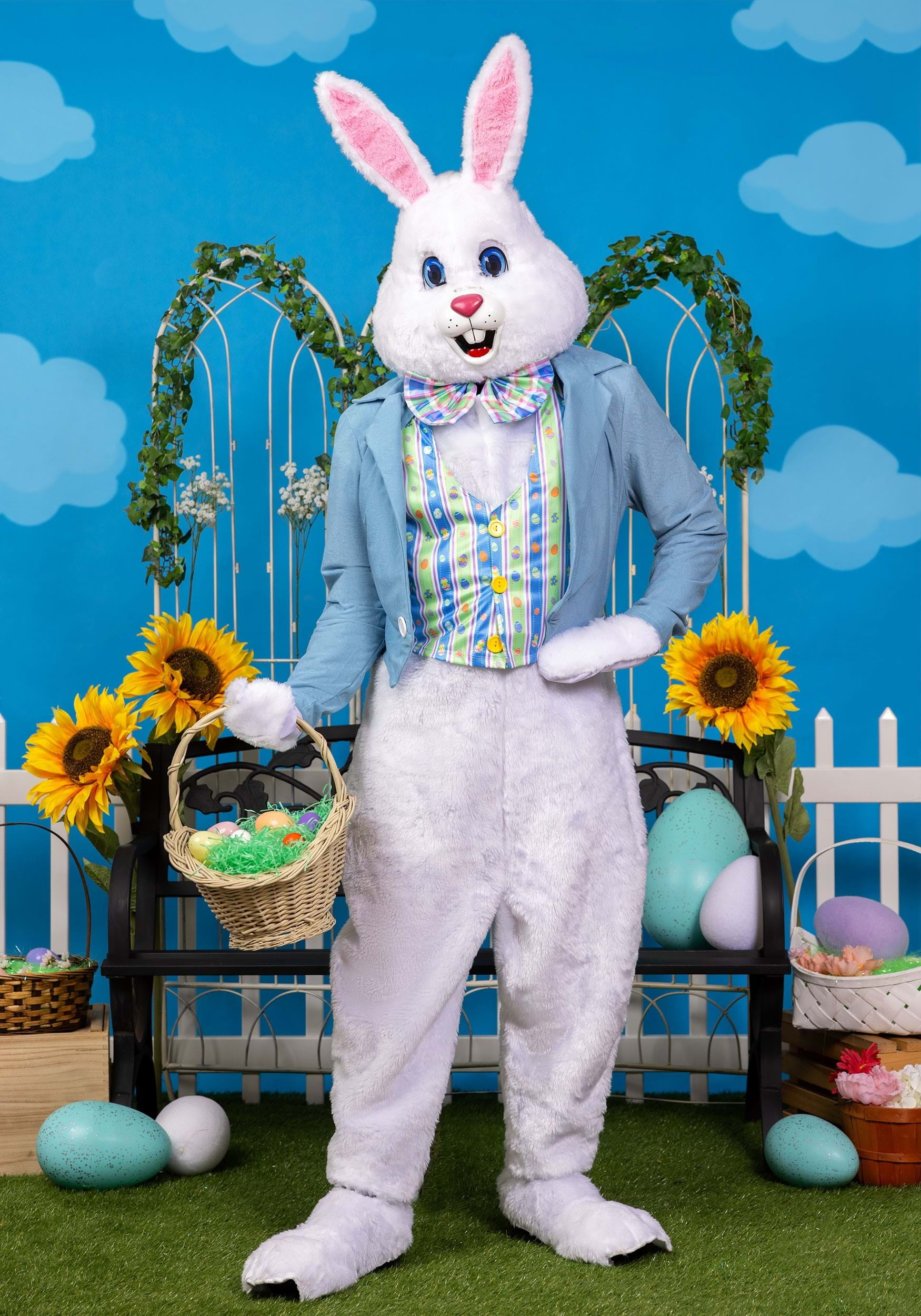
At its heart, the Easter Bunny is an anthropomorphic rabbit. This choice of animal is significant. Rabbits are naturally associated with spring, fertility, and new life – themes intrinsically linked to the Easter season. Their soft fur, twitching noses, and large, expressive eyes evoke feelings of gentleness, innocence, and warmth, all desirable brand attributes.
- Ears: The elongated ears are perhaps the most defining feature. They contribute to the silhouette and immediately signal “rabbit.” Their size and shape can vary, from long and elegant to slightly more rounded, offering a degree of visual flexibility. Brands often leverage these ears to convey playfulness and approachability. In marketing, they can be exaggerated to add a whimsical touch or subtly incorporated into logos and packaging.
- Fur and Color Palette: While not strictly dictated, the Easter Bunny is overwhelmingly depicted in soft, pastel colors. Whites, creams, light browns, and even pale grays are common. This color palette reinforces the themes of spring, purity, and gentleness. The texture is often implied as soft and fluffy, further enhancing the appeal to children and creating a sense of comfort and delight. This deliberate color choice creates an immediate emotional connection and aligns the brand with positive associations of renewal and innocence.
- Body Shape and Posture: Typically, the Easter Bunny is portrayed as somewhat rounded and often depicted in a standing, bipedal posture. This anthropomorphism is crucial for its storytelling function. It allows for the depiction of actions like carrying baskets, hopping, or interacting with humans. The posture is generally one of eagerness and helpfulness, further solidifying its role as a benevolent provider. The slight rotundity can also suggest generosity and abundance, aligning with the bounty of chocolate and gifts it is known to deliver.
- Facial Expressions: A friendly, smiling countenance is almost universally adopted. Bright, kind eyes and a gentle smile are paramount. This conveys a sense of joy, good nature, and trustworthiness. The lack of sharp or menacing features ensures that the brand remains appealing and non-threatening to its primary audience. Variations might include a slightly mischievous grin or a look of focused concentration as it carries out its duties, but the underlying warmth and positivity are always present.
The Basket and the Eggs: Core Brand Assets
Beyond the rabbit itself, two key elements are inextricably linked to the Easter Bunny brand: the basket and the eggs. These are not mere accessories; they are integral brand assets that communicate the essence of its purpose.
- The Basket: Whether woven wicker, patterned fabric, or a more modern plastic design, the basket serves as the primary vehicle for the Easter Bunny’s bounty. It symbolizes carrying, collecting, and delivering. The basket’s design often reflects the season, featuring floral motifs, pastel colors, and whimsical decorations. Its presence reinforces the idea of a generous distribution and the anticipation of gifts.
- The Eggs: The iconic Easter eggs, in their myriad of colors and designs, are the tangible output of the Easter Bunny’s work. They represent fertility, rebirth, and the joy of discovery. The act of finding these eggs is a core brand experience, driving engagement and creating lasting memories. The variety in egg designs allows for constant visual interest and personalization, making each Easter egg hunt unique.
Evolution of the Easter Bunny Brand Across Media
The Easter Bunny brand has not remained static. Its visual representation and narrative have adapted and evolved across various media, demonstrating a remarkable capacity for reinvention while retaining its core brand essence. This adaptability is a hallmark of successful, long-lasting brands.
From Folklore to Print: Early Depictions
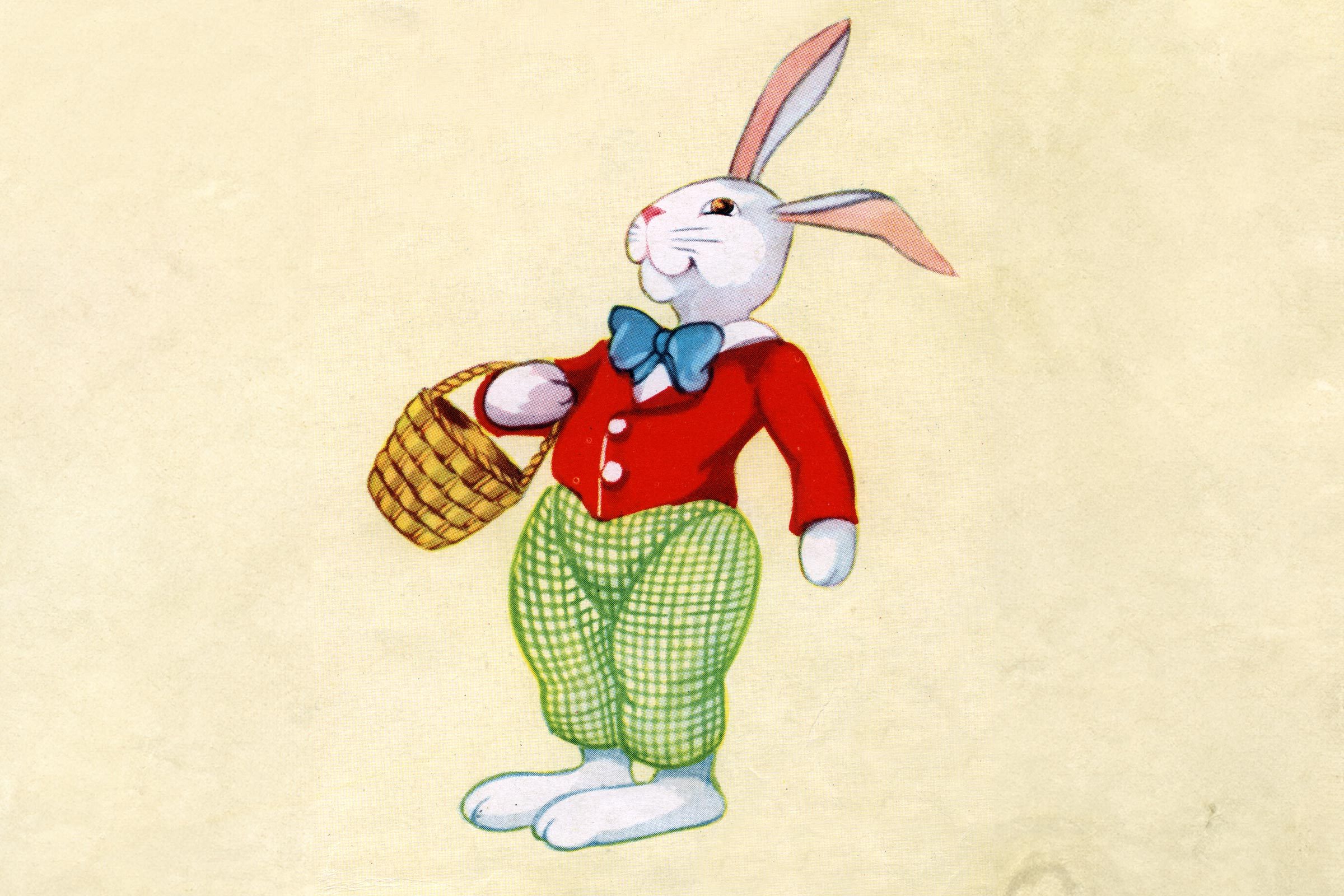
The Easter Bunny’s origins are rooted in German folklore, where it was often depicted as a fox, and later a hare, that judged children’s behavior and delivered colored eggs. Early illustrations in children’s books and magazines began to solidify its rabbit form and its role as a bringer of gifts. These early iterations were often more rustic and less polished than modern interpretations, reflecting the artistic styles of their time. The emphasis was on storytelling and establishing the basic premise of the character.
- Textual Descriptions vs. Visual Interpretation: Initially, textual descriptions of the “Oschter Haws” or Easter Hare would have allowed for individual interpretation. However, as print media became more accessible, artists began to visually define the character. These early visuals laid the groundwork for the archetypal imagery we recognize today, establishing the essential elements like ears, fur, and a gentle disposition.
- The Influence of Popular Culture: Publications like “St. Nicholas Magazine” in the late 19th century played a significant role in popularizing the Easter Bunny in America. Illustrations in these magazines helped to standardize its appearance and solidify its friendly, benevolent persona for a new generation of readers.
The Age of Animation and Commercialization
The advent of animation and the rise of mass marketing in the 20th century provided fertile ground for the Easter Bunny brand to flourish. Animated shorts, television commercials, and product packaging all contributed to its widespread recognition and the refinement of its visual identity.
- Animated Personalities: Animation allowed for the Easter Bunny to develop a more distinct personality. Characters could be given voices, movements, and even specific character traits that enhanced their appeal. Think of classic animated specials where the Easter Bunny is depicted as a busy, cheerful figure, dedicated to his craft. This brought the brand to life in a dynamic and engaging way, making it even more relatable.
- Commercial Integration and Product Development: The Easter Bunny quickly became a valuable asset for confectionery and toy companies. Its image was imprinted on chocolate eggs, candy wrappers, greeting cards, and a myriad of seasonal merchandise. This commercialization, while sometimes criticized, served to reinforce the brand’s presence in consumers’ minds and associate it with the joy of Easter treats. The ability of the brand to be seamlessly integrated into product designs without losing its essence is a testament to its strong visual equity.
- The Digital Shift: In the digital age, the Easter Bunny continues to evolve. Online games, interactive apps, and social media campaigns allow for new forms of engagement. Virtual Easter egg hunts and digital greetings featuring the Easter Bunny demonstrate its continued relevance and adaptability to emerging platforms. This ensures that the brand remains accessible and engaging for new generations of consumers who are digitally native.
Brand Strategy: Cultivating Enduring Appeal
The Easter Bunny is a masterclass in enduring brand strategy. Its success lies not just in its appealing imagery but in the consistent application of core branding principles that have allowed it to transcend generations and cultural shifts.
Consistency and Adaptability: The Yin and Yang of Brand Equity
A key aspect of the Easter Bunny’s brand strength is its paradoxical blend of consistency and adaptability. While the core elements remain recognizable, there is enough flexibility to allow for creative interpretations and new brand extensions.
- Maintaining Core Brand Attributes: Despite variations in artistic style or marketing context, the fundamental attributes of the Easter Bunny – kindness, gentleness, association with spring and new life, and the delivery of treats – remain constant. This unwavering commitment to its core promise is what builds trust and familiarity. Consumers know what to expect, even if the visual execution varies slightly.
- Leveraging Seasonal Relevance: The Easter Bunny’s brand is inherently tied to a specific season. However, its successful strategy involves leveraging this seasonality without becoming ephemeral. The brand is strongly associated with the Easter holiday, but its positive connotations extend beyond the single day, embodying themes of renewal and joy that can be invoked throughout spring.
- Target Audience Engagement: The primary target audience for the Easter Bunny brand has always been children. However, its appeal extends to adults who have fond childhood memories associated with the character. The brand successfully navigates this dual audience by maintaining a sense of wonder and magic for children while tapping into nostalgia and tradition for adults. This multi-generational appeal is a powerful driver of long-term brand loyalty.
The Power of Association and Emotional Connection
The Easter Bunny’s brand equity is significantly built upon the positive associations and emotional connections it fosters. It’s not just about a character; it’s about the feelings and experiences it represents.
- Association with Joy and Celebration: The Easter Bunny is inextricably linked to the joy and excitement of the Easter holiday. It represents anticipation, surprise, and the delight of receiving gifts. This positive emotional association is a powerful branding tool, making the character inherently desirable and memorable.
- Nostalgia and Childhood Memories: For many, the Easter Bunny evokes fond childhood memories of egg hunts, special treats, and the magic of believing. This nostalgia is a potent force that keeps the brand relevant across generations. Brands that can tap into this emotional reservoir often enjoy sustained popularity.
- The “Magic” Factor: The very concept of a mythical creature bringing gifts taps into a sense of wonder and magic. This “magic factor” is a crucial element of the Easter Bunny’s brand appeal, especially for children. It creates an aura of enchantment that sets the brand apart and makes it truly special.
Branding in the Modern Era: Challenges and Opportunities
In today’s dynamic consumer landscape, even established brands like the Easter Bunny face challenges and opportunities. Its continued success will depend on its ability to navigate these evolving dynamics.
- Authenticity and Transparency: With increasing consumer awareness, brands are expected to be authentic. For a mythical character, this translates to maintaining a consistent and believable narrative, even within the context of commercialization. Transparency in marketing efforts and a focus on genuine delight rather than purely transactional engagement are crucial.
- Inclusivity and Diversity: As societies become more diverse, brands must consider how their imagery and messaging resonate with a broader audience. While the Easter Bunny is a widely accepted figure, considerations for inclusivity in depictions and marketing efforts can further strengthen its universal appeal.
- The Digital Frontier and Experiential Branding: The digital realm offers immense opportunities for innovative branding. Creating immersive online experiences, personalized interactions, and leveraging social media to foster community engagement will be key to keeping the Easter Bunny brand fresh and relevant for future generations. The focus is shifting from passive consumption to active participation, and the Easter Bunny can excel in this space by offering engaging and memorable digital experiences.
In conclusion, the Easter Bunny, when viewed through the lens of brand strategy, is a remarkable success story. Its enduring appeal is a testament to thoughtful visual design, strategic adaptation across media, and a deep understanding of emotional connection and consumer psychology. It is a brand that has consistently delivered joy, fostered cherished memories, and continues to evolve, proving that even a figure of folklore can be a powerful and lasting commercial entity.
aViewFromTheCave is a participant in the Amazon Services LLC Associates Program, an affiliate advertising program designed to provide a means for sites to earn advertising fees by advertising and linking to Amazon.com. Amazon, the Amazon logo, AmazonSupply, and the AmazonSupply logo are trademarks of Amazon.com, Inc. or its affiliates. As an Amazon Associate we earn affiliate commissions from qualifying purchases.