
New York City is often described as a living organism—constantly shifting, expanding, and reinventing itself. For decades, the answer to the question “What is there to do in New York City today?” was found in the back of physical newspapers, folded tourist maps, or through the whispered recommendations of a hotel concierge. However, in the current digital era, the way we navigate the “City that Never Sleeps” has undergone a radical technological transformation.
Today, discovering the city is no longer about static information; it is about real-time data, algorithmic personalization, and immersive software interfaces. From AI-driven event curation to the integration of augmented reality in urban exploration, technology has become the primary lens through which we view and interact with the five boroughs. To truly understand what NYC offers at any given moment, one must look at the sophisticated tech stack powering the modern urban experience.
The Evolution of Urban Exploration: From Paper Maps to Real-Time Data
The fundamental shift in discovering NYC lies in the transition from “what happened” to “what is happening right now.” In the past, information was archived. Today, it is streamed. This evolution is driven by hyper-local geolocation services and the sophisticated use of big data.
The Rise of Hyper-Local Geolocation Apps
The modern traveler or resident no longer searches for “pizza in NYC”; they search for “pizza near me” with a filter for “open now” and “high rating.” Apps like Yelp, Google Maps, and Foursquare’s CityGuide have moved beyond simple directories. They utilize complex geolocation APIs to track foot traffic patterns, offering users real-time insights into how crowded a venue is before they even leave their apartment. In NYC, where a thirty-minute wait can turn into two hours, these predictive analytics are essential tools for time management.
Crowdsourced Social Validation and Live Feeds
While traditional reviews are helpful, the current trend in tech-driven exploration is “social proofing.” Platforms like TikTok and Instagram have pivoted to become visual search engines. By utilizing spatial computing and geotagging, these apps allow users to see exactly what a venue looks like today. This live-feed culture allows a user in Brooklyn to see the current lighting at a rooftop bar in Manhattan or the length of the line at a pop-up museum in Soho. The technology behind this—high-speed 5G networks and advanced video compression algorithms—ensures that the “vibe” of a location is transmitted instantly.
AI-Powered Concierges: Personalizing the NYC Experience
The sheer volume of things to do in New York City can lead to “choice paralysis.” With thousands of restaurants, hundreds of galleries, and infinite street performances, the human brain cannot efficiently process all options. This is where Artificial Intelligence (AI) and Machine Learning (ML) step in to curate the city.
Generative AI and Predictive Itineraries
Generative AI tools, such as ChatGPT, Claude, and specialized travel AI like Roam Around, have redefined the itinerary-building process. Instead of scrolling through endless lists, a user can input a specific prompt: “I am in Chelsea, I have three hours, I love brutalist architecture and mid-priced espresso, and I want to avoid crowds.” Within seconds, the AI processes vast datasets of city maps, architectural databases, and real-time transit schedules to provide a bespoke walking tour. This level of personalization was previously only available to those who could afford private tour guides.
Chatbots as Local Guides
Many of New York’s major attractions—from the Metropolitan Museum of Art to the High Line—now employ sophisticated AI chatbots. These are not the rudimentary scripts of the past; they are Large Language Model (LLM) powered assistants that can answer complex questions about exhibit history, current capacity, or even the best spots for photography based on the sun’s current position. These digital guides ensure that the user’s engagement with the city is informed and frictionless.
Fintech and the Frictionless Tourist Experience
What there is “to do” in NYC is often gated by the ease of transaction. The technology behind how we pay for experiences has fundamentally changed the pace of the city. Fintech (Financial Technology) has removed the traditional barriers of currency exchange, ticket booths, and physical queues.
Digital Wallets and Contactless Transit Integration
The implementation of the OMNY (One Metro New York) system by the MTA is a prime example of urban tech integration. By utilizing Near Field Communication (NFC), the city has eliminated the need for physical MetroCards. This allows anyone with a smartphone or a contactless credit card to move seamlessly across the city’s vast transit network. For the user wondering what to do “today,” this means the entire city is accessible with a single tap, removing the friction of navigating vending machine interfaces or understanding complex fare structures.
Dynamic Pricing and Booking Platforms
In a city with high demand and limited supply, platforms like Resy, OpenTable, and TodayTix use dynamic scheduling algorithms to manage the flow of people. For “today’s” activities, “Last Minute” tech is crucial. Apps like TodayTix use inventory management software to offer discounted Broadway tickets for performances happening in just a few hours. This tech benefits both the consumer, who gets a deal, and the venue, which ensures maximum capacity. The data analytics behind these platforms allow for a fluid marketplace where “to do” is synonymous with “available now.”
Immersive Tech: Experiencing the City Through AR and VR
As we move toward the era of spatial computing, the boundary between the physical city and digital information is blurring. Augmented Reality (AR) is changing how we perceive historical and cultural landmarks in New York City.
Augmented Reality Historical Walking Tours
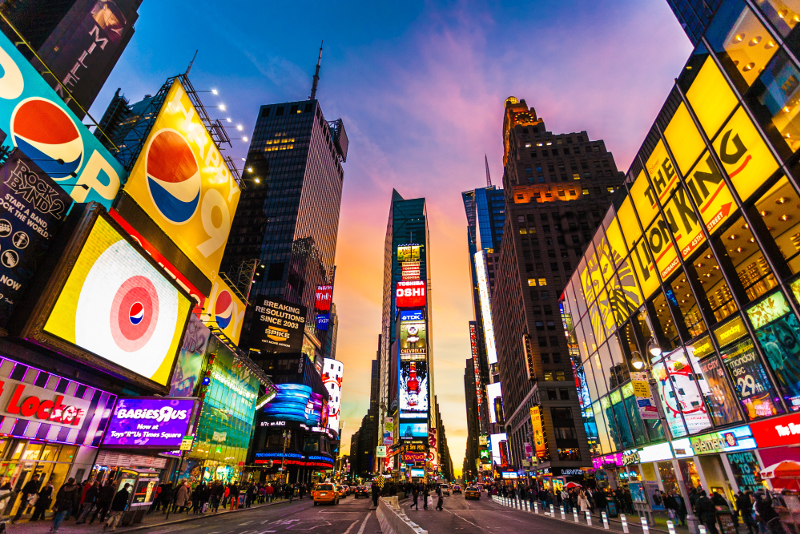
Several tech startups have developed AR layers for NYC streets. By holding up a smartphone or wearing AR-enabled glasses, a user can see “ghosts” of the city’s past. You can stand in Times Square and see it as it appeared in the 1920s or view the original footprint of the Berlin Wall fragments located around the city. This technology uses precise GPS coordinates and image recognition to overlay digital historical data onto the physical world, turning a simple walk into an immersive educational experience.
Virtual Previews of Venues and Landmarks
Before committing to a ticket price, many NYC venues now offer VR (Virtual Reality) previews. Using 360-degree cameras and WebGL technology, museums and observation decks like “The Edge” or “Summit One Vanderbilt” allow users to virtually stand in the space. This “try-before-you-buy” tech is an essential part of the decision-making process for modern tourists, ensuring that the “what to do” matches the user’s expectations of the physical environment.
Staying Secure: Digital Safety in the Concrete Jungle
As we rely more heavily on technology to navigate NYC, digital security becomes a paramount concern. Exploring the city today requires an understanding of how to protect one’s data in a highly connected environment.
VPNs and Public Wi-Fi Security
New York City offers extensive public Wi-Fi networks, such as LinkNYC kiosks. While these are invaluable for avoiding data roaming charges, they are also hotspots for potential security breaches. The tech-savvy urban explorer utilizes Virtual Private Networks (VPNs) to encrypt their data while searching for their next destination. Understanding the protocols of public network security is a “tech-to-do” that is just as important as finding a good restaurant.
Verifying Authenticity in the App Economy
With the rise of “hidden gems” on social media, there has been a secondary rise in digital scams—fake “pop-up” events or fraudulent ticket resellers. Part of the modern NYC tech experience is using verification tools. Using blockchain-based ticketing platforms or verified third-party resellers ensures that the “secret concert” you found on an app is a legitimate event. The software used to verify the authenticity of these digital assets is the unsung hero of the modern NYC experience.

Conclusion: The Programmable City
So, what is there to do in New York City today? The answer is no longer found in a single location; it is found at the intersection of human desire and algorithmic efficiency. We are living in the age of the “Programmable City,” where our smartphones act as remote controls for our urban environment.
By leveraging geolocation, AI curation, fintech, and immersive AR, we can navigate the chaos of New York with unprecedented precision. Technology hasn’t just changed how we find things to do; it has changed the very nature of the things we do. Whether it is following an AI-generated path through Central Park or using NFC to hop on a subway to a last-minute jazz show in Greenwich Village, the tech stack of New York City ensures that the answer to “what to do today” is always just a few taps away. The city remains the same—limitless and vibrant—but our ability to unlock its potential has never been more powerful.
aViewFromTheCave is a participant in the Amazon Services LLC Associates Program, an affiliate advertising program designed to provide a means for sites to earn advertising fees by advertising and linking to Amazon.com. Amazon, the Amazon logo, AmazonSupply, and the AmazonSupply logo are trademarks of Amazon.com, Inc. or its affiliates. As an Amazon Associate we earn affiliate commissions from qualifying purchases.