
The question of whether or not to consume meat is one that has prompted considerable discussion throughout history, and the Bible, as a foundational text for many, is often consulted for guidance. While the Bible doesn’t present a single, monolithic decree on the matter that applies universally across all interpretations and eras, it offers a nuanced perspective that evolves and adapts through its narratives. To truly understand the biblical stance, we must delve into the various passages, consider the historical context in which they were written, and examine the overarching themes of dietary laws, human dominion, and Christian liberty. This exploration will reveal that the Bible acknowledges meat consumption, at times even mandates it, but also emphasizes ethical considerations, spiritual significance, and the importance of conscience.

The Genesis of Diet: From Creation to the Flood
The earliest accounts in the Bible regarding food set the stage for subsequent discussions. In the book of Genesis, the initial state of humanity is presented with a purely vegetarian diet. This idyllic picture, however, undergoes a significant shift following the Great Flood. The narrative in Genesis 1 outlines the creation of animals and humanity, with the directive for humans to “have dominion over the fish of the sea and over the birds of the heavens and over every living thing that moves on the earth” (Genesis 1:28). This dominion is initially interpreted by many theologians as a stewardship rather than a license for unrestrained consumption. The emphasis is on managing and caring for creation.
Post-Flood Permissibility: A New Covenant
The narrative takes a pivotal turn in Genesis 9, after the floodwaters recede. God establishes a new covenant with Noah and his descendants, and this covenant includes a significant expansion of humanity’s dietary allowances. God states, “Every moving thing that lives shall be food for you. And as I gave you the green plants, I give you everything” (Genesis 9:3). This passage is crucial because it explicitly permits the consumption of meat for the first time in the biblical narrative. However, even this newfound permission comes with a specific caveat: “Only, you shall not eat flesh with its life, that is, its blood” (Genesis 9:4).
The Prohibition of Blood: A Symbol of Life
The injunction against eating blood is a recurring theme throughout the Old Testament and is deeply significant. Blood, in biblical understanding, is often seen as the very essence of life, a symbol of the vitality bestowed by God. This prohibition served several purposes. Firstly, it distinguished the Israelites from surrounding pagan cultures that often engaged in blood rituals. Secondly, it reinforced the sanctity of life and the responsibility of humans as stewards of God’s creation. This directive is reiterated in Leviticus and Deuteronomy, underscoring its importance within the Mosaic Law.
Dietary Laws in the Old Testament: The Mosaic Covenant
The most detailed and extensive guidance on dietary practices within the Bible is found in the Old Testament, particularly within the Mosaic Law given to the Israelites. This complex set of regulations, detailed in books like Leviticus and Deuteronomy, includes strict dietary restrictions that defined what was considered “clean” and “unclean” for consumption. These laws were not arbitrary; they were intended to set the Israelites apart as a holy nation, to promote health and hygiene in their ancient context, and to serve as a constant reminder of their covenant relationship with God.
Distinguishing Clean from Unclean: Practical and Symbolic Meanings
The criteria for distinguishing clean from unclean animals were multifaceted. For land animals, the primary requirements were that they must have cloven hooves and chew the cud (Leviticus 11:3). Animals that possessed only one of these characteristics, or neither, were deemed unclean. This included animals like pigs (who have cloven hooves but do not chew the cud) and camels (who chew the cud but do not have cloven hooves). For birds, the criteria were less clear-cut and involved a list of prohibited species. For fish, they had to have fins and scales. Insects and other crawling creatures were also largely prohibited.
The Purpose of the Laws: Holiness, Health, and Identity
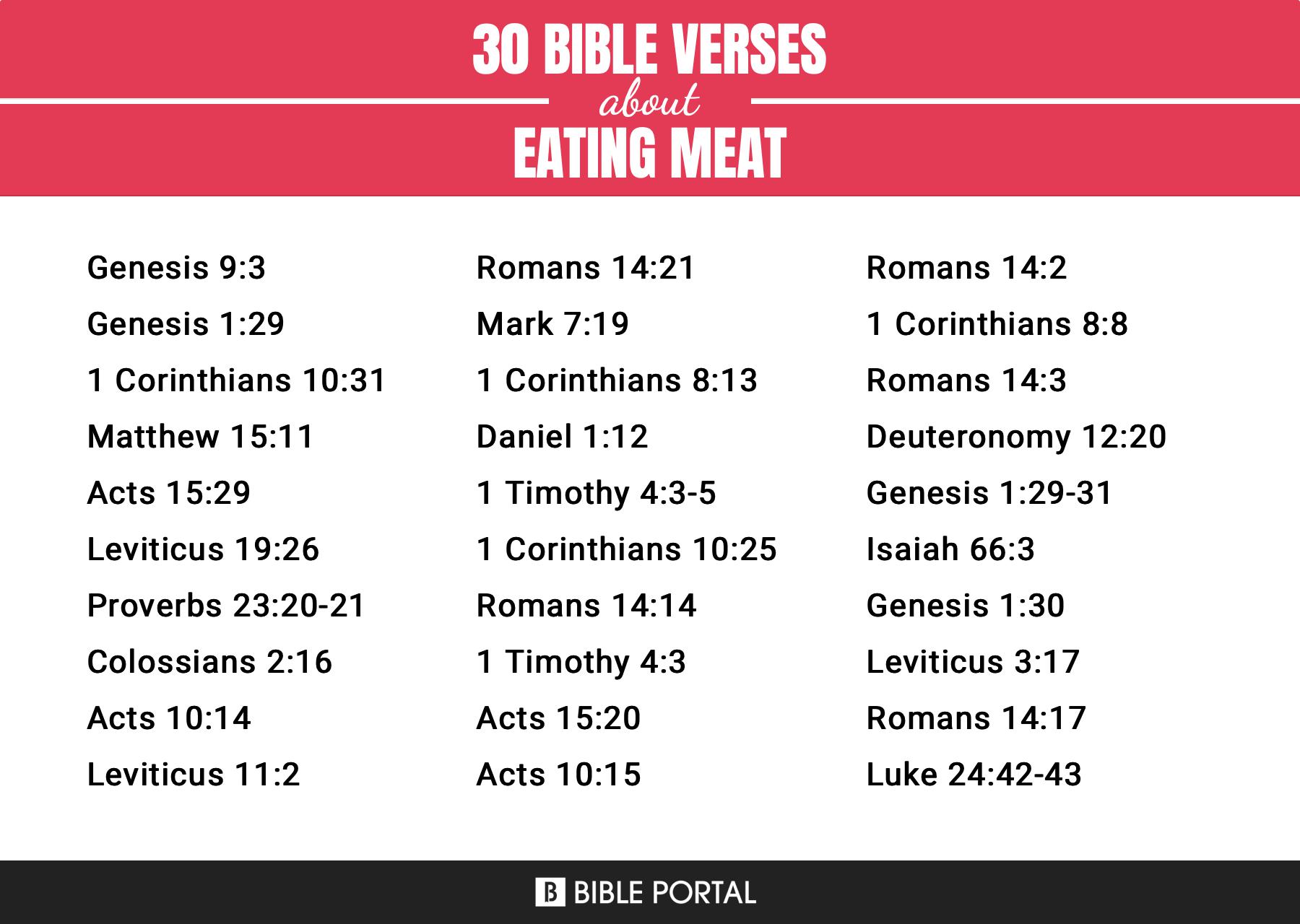
The purpose behind these strict dietary laws was multifaceted. From a theological perspective, they were a means of sanctification, distinguishing the Israelites from the surrounding gentile nations and promoting a sense of holiness. In a time before modern understanding of microbiology, many of these prohibitions likely served practical hygienic purposes, protecting the people from diseases associated with consuming improperly prepared or spoiled meats from certain animals. Furthermore, adhering to these laws was a constant reminder of their covenant with God and their distinct identity as His chosen people. It’s important to note that these laws were specifically given to the nation of Israel within the Old Covenant.
The New Testament Perspective: Grace and Liberty
The advent of Jesus Christ and the New Testament ushered in a new era, often referred to as the New Covenant. This shift brought about a reinterpretation and, in some respects, a liberation from the strict adherence to certain Old Testament ceremonial and dietary laws. The emphasis moved from external observances to the internal transformation of the heart and the power of the Holy Spirit.
Jesus’ Teachings on Purity: From External to Internal
Jesus himself addressed the issue of dietary laws, often challenging the religious leaders of his day who placed an inordinate emphasis on outward ritualistic purity. In Mark 7:15-19, Jesus states, “There is nothing outside a person that by going into him can defile him, but the things that come out of a person are what defile him.” He then clarifies this by explaining that defilement comes from wicked thoughts, greed, anger, and other sinful intentions originating from within. This teaching shifts the focus from the physical act of eating certain foods to the moral and spiritual condition of the individual.
The Abolition of Dietary Laws: A Sign of Inclusion
The Apostle Paul, in his epistles, further elaborates on the implications of the New Covenant for dietary practices. In Romans 14, he addresses disputes among believers regarding the consumption of certain foods, particularly those that may have been offered to idols or were considered unclean under the Mosaic Law. Paul’s counsel is to exercise Christian liberty with love and consideration for weaker consciences. He famously states, “For if your brother is injured by what you eat, you are no longer walking by love. Do not destroy your work by what you eat” (Romans 14:15). He asserts that “food will not commend us to God. We are neither the worse for not eating, nor the better for eating” (1 Corinthians 8:8). This effectively declares that the Old Testament dietary laws, as ritualistic requirements for holiness, are no longer binding on New Testament believers.
Ethical Considerations and Christian Stewardship
While the New Testament liberates believers from the specific dietary laws of the Old Testament, it does not, however, advocate for a disregard for ethical considerations in food consumption. Instead, it shifts the focus to principles of stewardship, compassion, and the impact of our choices on ourselves and others.
The Principle of Stewardship: Caring for God’s Creation
The Genesis account of human dominion over creation, as discussed earlier, remains a foundational principle for many Christians. This stewardship implies a responsibility to care for the animals with whom we share the planet. While the Bible permits the use of animals for food, it also condemns cruelty and exploitation. Passages that speak of the merciful nature of God and the importance of treating all of His creation with respect can inform how believers approach the production and consumption of meat. This can lead some to consider the ethical treatment of animals in farming and to potentially reduce their consumption based on these principles.

Conscience and Consideration: Living Peacefully with Others
As highlighted in Romans 14, the Christian life is to be lived in community, with a strong emphasis on mutual consideration and love. Even though dietary laws are no longer mandatory, how one exercises their liberty in food choices can impact others. A believer might choose to abstain from certain foods not out of obligation, but as an act of love for a weaker brother or sister in faith who might be struggling with their conscience. This principle of “whatever you do, do all to the glory of God” (1 Corinthians 10:31) extends to all aspects of life, including diet. It encourages believers to make choices that are not only permissible but also edifying and honoring to God and considerate of fellow believers.
In conclusion, the Bible presents a dynamic view of meat consumption. It moves from an initial vegetarian state in Eden to explicit permission after the Flood, followed by a detailed regulatory framework within the Old Covenant. The New Testament then liberates believers from these specific ritualistic laws, emphasizing the inward transformation of the heart and the exercise of Christian liberty. However, this liberty is not a license for unbridled indulgence but is to be exercised with ethical considerations, a sense of stewardship over creation, and a deep concern for the consciences of others. Ultimately, for believers, the decision to eat meat, or not, is a matter of personal conviction guided by biblical principles of love, wisdom, and seeking to honor God in all things.
aViewFromTheCave is a participant in the Amazon Services LLC Associates Program, an affiliate advertising program designed to provide a means for sites to earn advertising fees by advertising and linking to Amazon.com. Amazon, the Amazon logo, AmazonSupply, and the AmazonSupply logo are trademarks of Amazon.com, Inc. or its affiliates. As an Amazon Associate we earn affiliate commissions from qualifying purchases.