
The Australian Bureau of Statistics (ABS) stands as a cornerstone of evidence-based policymaking and public understanding in Australia. Far more than just a government department, it is the national statistical agency responsible for producing and disseminating a vast array of statistics that paint a comprehensive picture of the Australian economy, society, and environment. Its work touches upon virtually every aspect of life in Australia, providing the raw data and informed insights that underpin critical decisions made by governments, businesses, researchers, and individuals alike. Understanding the remit and operations of the ABS is crucial for anyone seeking to comprehend the dynamics of Australia.
The Mandate and Mission of the ABS
The Australian Bureau of Statistics operates under a clear mandate, defined by legislation, to be the leading agency for statistical information in Australia. Its core mission is to provide relevant, reliable, and timely statistics that empower Australians to understand their country and make informed decisions. This involves a complex and multifaceted process, from data collection to dissemination, all guided by principles of objectivity, impartiality, and statistical integrity.
Legislative Foundation and Independence
The Statistical Act 1995 forms the bedrock of the ABS’s operations, outlining its powers, functions, and responsibilities. This Act ensures the independence of the ABS, safeguarding it from political interference and guaranteeing that its statistical outputs are based on sound methodology and rigorous analysis, rather than partisan agendas. This independence is paramount for maintaining public trust and ensuring the credibility of the statistics produced. The ABS is accountable to the Parliament of Australia, but its operational decisions regarding statistical methodology and release are free from direct ministerial control. This allows the agency to act as a neutral arbiter of facts, providing an objective lens through which to view the nation’s progress and challenges.
Core Functions: From Collection to Dissemination
The ABS performs a range of essential functions that collectively contribute to its overarching mission:
- Data Collection: This is perhaps the most visible aspect of the ABS’s work. The agency conducts numerous surveys, censuses, and administrative data collections across the nation. These range from the decennial Census of Population and Housing, which captures demographic and social characteristics of every Australian, to targeted surveys on topics like household expenditure, labour force status, crime, and health. The design of these collections is meticulous, employing statistical sampling techniques and robust methodologies to ensure representativeness and accuracy.
- Data Processing and Analysis: Once data is collected, it undergoes rigorous processing to ensure accuracy, consistency, and completeness. This involves data cleaning, validation, and the application of sophisticated statistical techniques to derive meaningful insights. The ABS employs a team of highly skilled statisticians and data scientists who are experts in their respective fields, ensuring that the analysis is robust and the resulting statistics are reliable.
- Statistical Product Development: The ABS continuously works to develop new and improved statistical products to meet evolving user needs. This includes creating detailed datasets, reports, and interactive tools that make complex statistical information accessible to a wide audience. They also invest in research and development to explore new data sources and analytical methods.
- Dissemination and Accessibility: A crucial part of the ABS’s role is to make its statistical products widely available to the public. This is achieved through various channels, including their comprehensive website, publications, and data services. The goal is to ensure that all Australians, from policymakers and businesses to students and citizens, have access to the information they need. The ABS strives for transparency, making its methodologies and data available where possible, while also upholding strict privacy provisions.
Key Areas of Statistical Output
The breadth of the ABS’s work is reflected in the diverse range of statistical areas it covers. These outputs are vital for understanding the intricate workings of Australia.
Economic Statistics: The Pulse of the Nation
The ABS’s economic statistics provide an indispensable overview of the Australian economy’s performance and composition. These figures are critical for economic forecasting, monetary policy, fiscal management, and business investment decisions.
- National Accounts: This includes measures of Gross Domestic Product (GDP), inflation (Consumer Price Index – CPI), business investment, and national income. GDP figures, for instance, are a fundamental indicator of the health and growth of the Australian economy. The CPI is used to track inflation, a key factor in interest rate decisions by the Reserve Bank of Australia.
- Labour Market Statistics: The ABS produces detailed data on employment, unemployment rates, wages, and industry-specific labour demand. The Labour Force Survey is a primary source of this information, providing monthly insights into the dynamics of the Australian workforce, which directly impacts government employment policies and business workforce planning.
- Industry and Business Statistics: The ABS surveys businesses across various sectors to gather data on their performance, productivity, innovation, and international trade. This provides crucial insights into the structure and competitiveness of Australian industries, informing government policy aimed at fostering economic growth and supporting specific sectors.
- Prices and Inflation: Beyond the CPI, the ABS monitors a range of price indexes, including those for producers (PPI) and international trade, offering a comprehensive view of inflationary pressures across the economy.
Social and Demographic Statistics: Understanding the People of Australia

The ABS’s social and demographic statistics offer a detailed portrait of Australia’s population, its characteristics, and the societal trends shaping the nation. These statistics are fundamental for social policy development, urban planning, and understanding the evolving needs of communities.
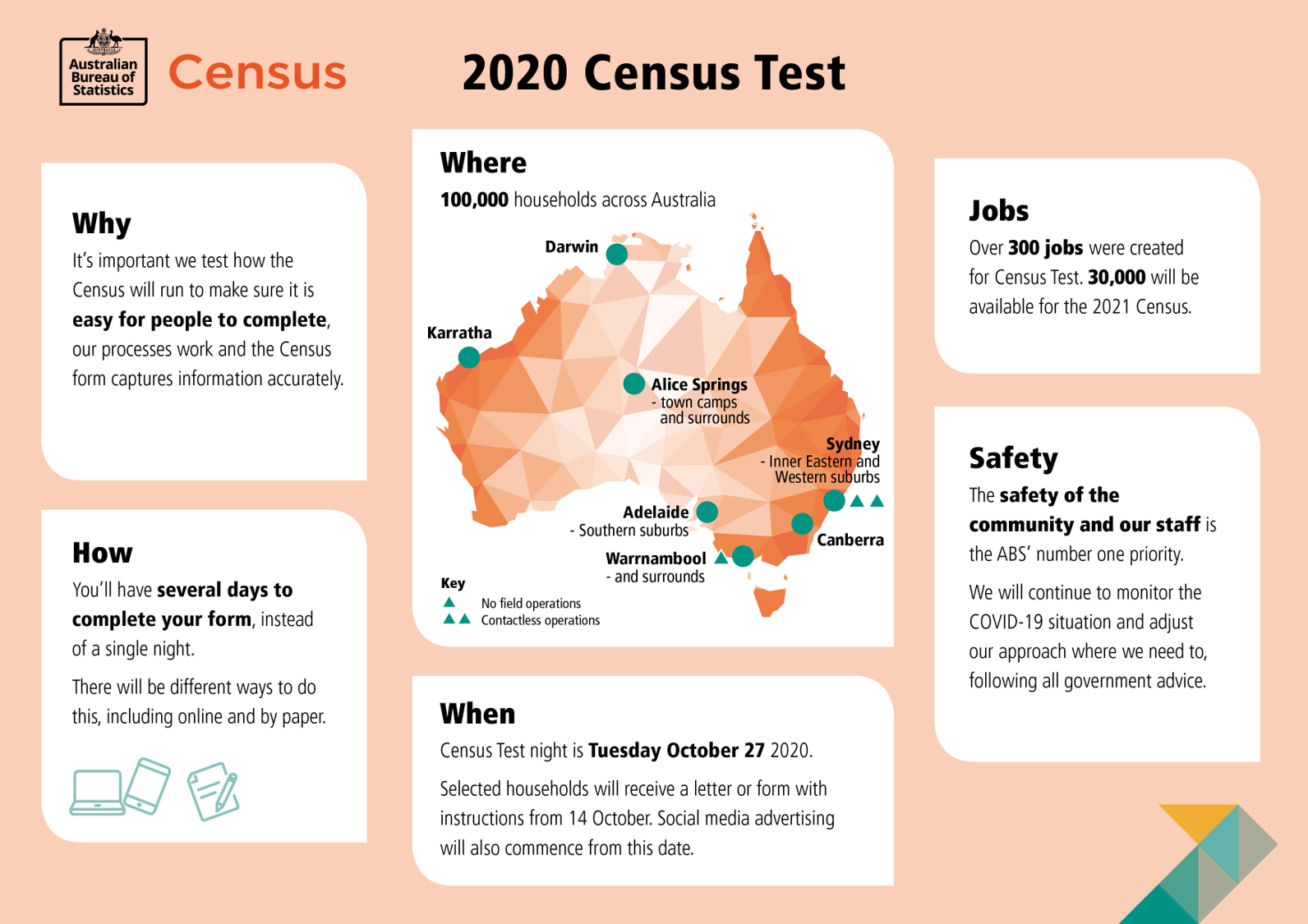
- Census of Population and Housing: Conducted every ten years, the Census is the most comprehensive count of the Australian population. It collects data on age, sex, income, education, housing, employment, and cultural background, providing a granular snapshot of the nation at a specific point in time. This data is invaluable for planning essential services like healthcare, education, and infrastructure.
- Household Surveys: The ABS conducts a variety of household surveys that delve into specific aspects of Australian life. These include the Household Income and Wealth Survey, the Census of Mental Health and Wellbeing, and surveys on crime and justice. These provide insights into living standards, social equity, and the challenges faced by different segments of the population.
- Health and Education Statistics: The ABS collects and disseminates data on health status, healthcare utilisation, and educational attainment. This information is critical for public health initiatives, understanding educational outcomes, and allocating resources effectively within the health and education sectors.
- Cultural and Indigenous Statistics: The ABS also produces statistics related to cultural diversity, migration, and the specific experiences of Aboriginal and Torres Strait Islander peoples. This data is essential for informing policies aimed at promoting social inclusion, addressing disadvantage, and supporting cultural heritage.
Environmental and Other Statistics: A Holistic View
Beyond economic and social realms, the ABS also contributes to understanding Australia’s relationship with its environment and other critical areas.
- Environmental Accounts: The ABS is increasingly developing and releasing data that links economic activity to environmental outcomes. This includes statistics on energy use, greenhouse gas emissions, and resource management, providing a clearer picture of Australia’s environmental footprint and informing sustainability initiatives.
- International Statistics: The ABS compiles and disseminates statistics that allow for comparisons between Australia and other countries, facilitating international benchmarking and understanding Australia’s position in the global landscape.
- Crime and Justice: Statistics on crime rates, victimisation, and the justice system are collected and analysed to inform policy and public safety initiatives.
The Impact and Importance of ABS Data
The statistics produced by the Australian Bureau of Statistics are not merely academic exercises; they have a profound and tangible impact on Australian society, influencing decisions at every level.
Informing Policy and Decision-Making
Perhaps the most significant role of the ABS is its contribution to evidence-based policymaking. Governments at federal, state, and local levels rely heavily on ABS data to design, implement, and evaluate policies across a vast spectrum of areas. For example:
- Economic Policy: Understanding inflation, unemployment, and economic growth is crucial for the Reserve Bank of Australia when setting monetary policy, and for the Treasury when formulating fiscal policy.
- Social Policy: Data on poverty, income inequality, health outcomes, and educational attainment informs government decisions on social welfare programs, healthcare provision, and educational reforms.
- Infrastructure Planning: Census data is indispensable for urban planners and government agencies to understand population distribution, growth patterns, and the demand for essential infrastructure such as roads, public transport, schools, and hospitals.
- Emergency Services: Understanding population density and demographics can inform the strategic deployment of emergency services and disaster preparedness plans.
Empowering Business and Research
The ABS’s statistical outputs are also a vital resource for the private sector and the research community.
- Business Strategy: Businesses use ABS data to understand market trends, identify consumer behaviour, assess industry performance, and make informed investment decisions. Understanding demographic shifts, for instance, can inform product development and marketing strategies.
- Economic Forecasting: Businesses and financial institutions use ABS economic indicators to forecast future economic conditions, influencing their investment and operational planning.
- Academic Research: Researchers across disciplines – from economics and sociology to public health and urban studies – rely on ABS data for their studies, contributing to a deeper understanding of Australia and informing future policy directions. The availability of granular, reliable data allows for rigorous empirical analysis and the testing of various hypotheses.
- Non-Profit Organisations: Charities, advocacy groups, and community organisations use ABS statistics to understand the needs of the populations they serve, to advocate for policy changes, and to demonstrate the impact of their work.
Fostering Public Understanding and Accountability
Beyond the realms of government and business, ABS statistics play a crucial role in fostering an informed citizenry. By providing objective data on the state of the nation, the ABS empowers individuals to understand the challenges and opportunities facing Australia, and to hold their governments accountable. When citizens have access to reliable information about the economy, social conditions, and environmental status, they are better equipped to participate in public discourse and make informed voting decisions. The ABS’s commitment to transparency in its methodologies and data dissemination further enhances this public understanding.
In conclusion, the Australian Bureau of Statistics is an indispensable institution within Australia. Its diligent work in collecting, processing, and disseminating a vast array of statistics underpins informed decision-making across government, business, and research, and ultimately, fosters a more knowledgeable and engaged citizenry. Its commitment to independence, accuracy, and accessibility ensures that it remains a trusted source of national information, providing the essential data that helps Australia understand itself and navigate its future.
aViewFromTheCave is a participant in the Amazon Services LLC Associates Program, an affiliate advertising program designed to provide a means for sites to earn advertising fees by advertising and linking to Amazon.com. Amazon, the Amazon logo, AmazonSupply, and the AmazonSupply logo are trademarks of Amazon.com, Inc. or its affiliates. As an Amazon Associate we earn affiliate commissions from qualifying purchases.