
Navigating the landscape of employment and its associated benefits often involves understanding various screening processes, and the 10-panel drug test stands as a common, yet sometimes misunderstood, hurdle for many. While its primary function is to detect the presence of specific illicit and prescription substances, its implications extend far beyond the individual. For employers, it’s a tool for workplace safety, productivity, and potentially reducing healthcare costs. For employees and job seekers, understanding what a 10-panel test screens for is crucial for preparedness and can impact eligibility for employment, insurance coverage, and overall financial stability. This comprehensive exploration delves into the specifics of a 10-panel drug test, its role within the financial ecosystem of employment, and why grasping its nuances is a financially prudent endeavor for individuals navigating the modern workforce.

The Pillars of a 10-Panel Drug Test: Understanding the Detection Scope
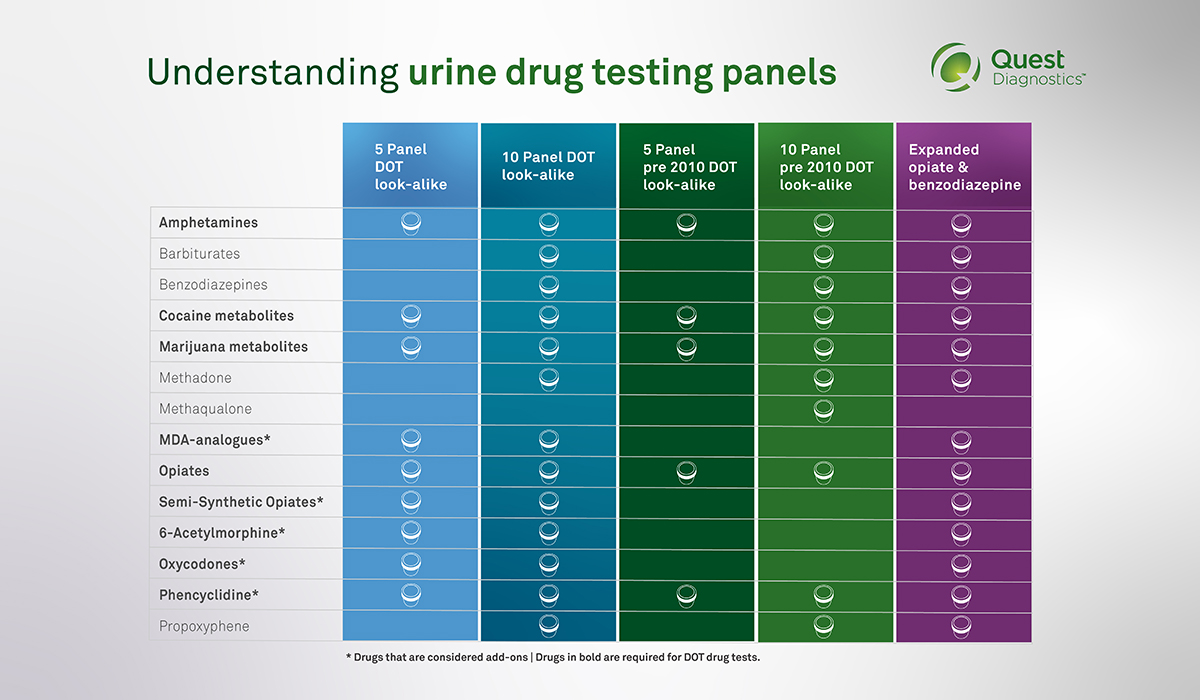
At its core, a 10-panel drug test is designed to identify a broad spectrum of commonly abused or misused substances. The specific panel composition can vary slightly between testing laboratories and the contractual requirements of the requesting entity, but a standard 10-panel test generally covers the following drug classes:
1. Opioids: The Pervasive Class of Pain Relievers
Opioids, a class of drugs that include both prescription painkillers and illicit substances like heroin, are a significant focus of drug testing. Their addictive potential and the widespread issues surrounding opioid abuse make their detection a high priority.
Heroin and Morphine: The Illicit and Prescribed Link
Heroin, a highly addictive and illegal opioid, is often metabolized into morphine in the body. Therefore, a 10-panel test will typically screen for morphine, which can indicate the use of heroin or other morphine-derived substances. This is a critical detection point due to the severe health and societal consequences associated with heroin abuse.
Codeine and Hydrocodone: The Commonly Prescribed Opioids
Codeine and hydrocodone are prescription opioid painkillers widely used for moderate to severe pain management. While prescribed legitimately, their potential for abuse and diversion is significant. A 10-panel test will look for these specific compounds or their metabolites, ensuring that individuals who are misusing or diverting these medications are identified. This screening is particularly important for industries where safety-sensitive roles are paramount, as impaired judgment due to opioid use can have catastrophic financial and human costs.
Oxycodone and Oxymorphone: Potent Pain Management Medications
Oxycodone and its metabolite, oxymorphone, are powerful prescription opioids prescribed for chronic pain. Their high potential for addiction and abuse has made them a focus of stringent monitoring. Detection of these substances is a standard component of a 10-panel test, reflecting the ongoing efforts to curb prescription opioid misuse.
2. Stimulants: Enhancing Alertness and Performance
Stimulants are drugs that increase alertness and energy. While some are prescribed for conditions like ADHD, others are illicit and carry significant risks.
Amphetamines and Methamphetamines: The Double-Edged Sword
Amphetamines, including prescription medications like Adderall and Vyvanse, and illicit substances like methamphetamine, are powerful stimulants. A 10-panel test will screen for both. This is crucial in workplace settings as impaired judgment, erratic behavior, and potential health crises stemming from stimulant abuse can lead to significant financial liabilities for employers in terms of accidents, lost productivity, and increased healthcare claims.
Cocaine: The Widely Abused Illicit Stimulant
Cocaine, a highly addictive illicit stimulant, is another common inclusion in a 10-panel drug test. Its detection is a standard measure in many pre-employment and random drug screening programs aimed at ensuring a safe and productive workforce. The financial implications of cocaine abuse in the workplace can range from decreased performance and increased absenteeism to severe legal and reputational damage.
3. Cannabinoids: The Pervasive Presence of Marijuana
Marijuana, or cannabis, remains one of the most commonly used recreational drugs, and its legal status varies significantly by region. However, in many employment contexts, its use, even in states where it is legal for recreational or medical purposes, can still be grounds for disqualification or disciplinary action.
THC (Delta-9-tetrahydrocannabinol): The Primary Psychoactive Compound
The 10-panel drug test will screen for THC, the primary psychoactive compound in marijuana. Detection of THC metabolites can indicate recent marijuana use. The financial implications here are multifaceted. For employers, it’s about ensuring a drug-free workplace to mitigate risks. For employees, it can mean losing out on job opportunities, impacting income potential, and facing consequences that affect their financial well-being. Understanding the detection windows for THC is crucial for individuals concerned about potential positive results.
4. Phencyclidine (PCP): The Dissociative Anesthetic
Phencyclidine, commonly known as PCP, is a dissociative anesthetic that was originally developed as a surgical anesthetic but is now an illicit drug. Its unpredictable and potentially dangerous effects make its detection a priority in many drug testing protocols.
5. Barbiturates: The Sedative-Class Drugs
Barbiturates are central nervous system depressants that were historically used to treat anxiety and insomnia. While their use has largely been superseded by benzodiazepines, they are still encountered and can be abused. A 10-panel test will often include screening for barbiturates.
6. Benzodiazepines: The Widely Prescribed Anxiolytics
Benzodiazepines are a class of psychoactive drugs that produce calming effects, commonly prescribed for anxiety, insomnia, and seizures. While they have legitimate medical uses, their potential for dependence and abuse is a significant concern, leading to their inclusion in many 10-panel drug tests.
7. Methaqualone: The Sedative-Hypnotic Drug
Methaqualone, once a popular sedative-hypnotic drug marketed as Quaaludes, is now a Schedule I controlled substance in the United States due to its high potential for abuse. Its inclusion in a 10-panel test reflects the desire to screen for a broad range of substances with abuse potential.
8. Propoxyphene: The Opioid Analgesic
Propoxyphene, an opioid analgesic, was used to treat mild to moderate pain. However, due to safety concerns and its potential for abuse, it has been withdrawn from the market in many countries. Its presence on a 10-panel drug test list can be seen as a measure to detect its historical use or potential lingering presence.
9. Tramadol: The Synthetic Opioid Analgesic
Tramadol is a synthetic opioid analgesic used to treat moderate to moderately severe pain. While often considered less potent than some other opioids, it carries a risk of dependence and abuse, and therefore is frequently included in comprehensive drug screening panels.
10. Fentanyl and its Analogues: The Potent Synthetic Opioids
Given the ongoing opioid crisis, many modern 10-panel drug tests are increasingly including screening for fentanyl and its analogues. Fentanyl is an extremely potent synthetic opioid, significantly more powerful than morphine. Its inclusion reflects a critical update in drug testing protocols to address the current public health emergency and its profound financial and societal costs.
The Financial Nexus: Why Drug Testing Matters in Employment
The 10-panel drug test is not merely a procedural checkbox; it is intrinsically linked to the financial health and stability of both individuals and organizations. Understanding these connections is paramount for informed decision-making.
Ensuring Workplace Safety and Reducing Liability
A primary driver for employer-sponsored drug testing is the imperative to maintain a safe working environment. For industries with inherent risks – such as transportation, construction, manufacturing, and healthcare – the presence of substances that impair judgment, coordination, or reaction time can lead to accidents. These accidents translate directly into significant financial costs for businesses, including:
- Workers’ Compensation Claims: Accidents caused by impaired employees often result in substantial workers’ compensation payouts.
- Productivity Losses: Injuries lead to lost work hours, project delays, and the cost of training replacement workers.
- Equipment Damage: Impaired operation of machinery or vehicles can lead to costly repairs or replacements.
- Legal Expenses and Fines: In cases of severe accidents or negligence, companies can face hefty legal fees, settlements, and regulatory fines.
- Increased Insurance Premiums: A higher rate of workplace accidents can lead to increased liability insurance premiums.
By implementing pre-employment and random drug screenings, companies aim to mitigate these risks, thereby protecting their financial bottom line and the well-being of their employees.
Impact on Employee Benefits and Healthcare Costs
The use of certain substances can contribute to long-term health problems, which in turn can impact an employer’s healthcare costs and the benefits packages they offer.
- Higher Healthcare Premiums: A workforce with higher rates of substance abuse-related health issues can contribute to increased healthcare claims, leading to higher premiums for employers and potentially for employees through increased deductibles or co-pays.
- Disability and Life Insurance: Substance abuse can affect an individual’s eligibility for certain disability or life insurance benefits, or lead to higher premium costs. For employers providing these benefits, a healthier workforce generally leads to lower overall benefit costs.
- Employee Assistance Programs (EAPs): While EAPs are a financial investment by employers, they are often utilized by employees struggling with substance abuse. A reduction in substance abuse within a workforce can lead to more efficient use of these resources for other employee well-being initiatives.
Navigating Job Opportunities and Income Potential
For individuals, understanding the scope of a 10-panel drug test is a direct pathway to securing and maintaining employment, which is the cornerstone of personal financial well-being.
- Eligibility for Employment: Many job offers, particularly in safety-sensitive industries or those receiving government contracts, are contingent upon passing a drug test. A positive result can mean losing out on a job, directly impacting immediate income and long-term career progression.
- Career Advancement: Some promotions or transfers may also require updated drug screenings. Maintaining a drug-free status can therefore be crucial for career advancement and increased earning potential.
- Professional Licensing and Certifications: Certain professions require individuals to maintain a drug-free status to hold licenses or certifications. Failing to do so can have severe financial repercussions, including the loss of earning capacity.
- Financial Planning and Stability: For individuals who rely on their income for mortgages, rent, bills, and investments, employment security is paramount. Avoiding a failed drug test is a proactive step towards maintaining that security and supporting their financial goals.
The Practicalities and Financial Considerations of Drug Testing
Beyond the substances detected, the practical aspects of drug testing also carry financial weight for both employers and individuals.
Types of Drug Tests and Their Financial Ramifications
While the 10-panel test is common, it’s important to note that different methods of sample collection and analysis exist, each with its own cost implications.
- Urine Tests: The most common and generally the most cost-effective method. The cost for the test itself, lab processing, and administrative fees will vary.
- Blood Tests: Typically more expensive than urine tests and used for more immediate detection of certain substances.
- Saliva Tests: Offer a less invasive option and can detect recent use, with costs generally falling between urine and blood tests.
- Hair Follicle Tests: Can detect drug use over a longer period (up to 90 days) but are generally the most expensive option.
For employers, the choice of testing method is often a balance between cost and the required detection window and accuracy. For individuals, understanding the implications of a positive result and the potential costs associated with re-testing or challenging a result is also a financial consideration.
Detection Windows and Financial Planning
The length of time a substance can be detected in the body varies significantly depending on the drug, the dosage, frequency of use, and individual metabolism. This is a critical financial consideration for individuals.
- Marijuana (THC): Can be detected for several days in urine for occasional users, but for chronic users, it can remain detectable for weeks, or even months, in some cases, particularly with hair follicle testing. This long detection window can impact individuals who use marijuana recreationally but are seeking employment in industries that prohibit it.
- Opioids, Stimulants, and Barbiturates: Generally have shorter detection windows in urine, often ranging from a few days to a week or two, depending on the specific substance and usage patterns.
- Fentanyl: Due to its potency and rapid metabolism, it may have a shorter detection window in urine compared to other opioids, but its analogues can vary.
Knowing these detection windows allows individuals to make informed choices about their substance use and to better plan their job search or career moves to align with employment requirements, thereby safeguarding their financial future.
Costs Associated with False Positives and False Negatives
While rare, the possibility of false positives or false negatives in drug testing can have significant financial and personal consequences.
- False Positives: Can lead to an innocent individual being denied employment or facing disciplinary action, resulting in lost income and potential reputational damage. While confirmatory tests are standard practice to mitigate this, the initial period of uncertainty and potential consequences can be financially stressful.
- False Negatives: Can allow an impaired individual to remain in a safety-sensitive position, increasing the risk of accidents and their associated financial liabilities for the employer.
The investment in robust testing protocols and experienced laboratory professionals is, therefore, a financial necessity for both employers seeking accuracy and individuals seeking fair assessment.

Conclusion: Informed Decisions for Financial Resilience
The 10-panel drug test, with its comprehensive screening capabilities, plays a significant role in the financial ecosystem of employment. For employers, it is a strategic tool to mitigate risk, reduce costs associated with accidents and healthcare, and foster a productive, safe workforce. For individuals, understanding what a 10-panel drug test tests for is not just about compliance; it’s about safeguarding income, securing job opportunities, and ultimately contributing to their personal financial resilience.
In an economy where employment security and benefit access are vital, staying informed about drug testing protocols, understanding the detection windows of various substances, and making responsible personal choices are crucial. By approaching the 10-panel drug test with knowledge and awareness, individuals can better navigate the professional landscape, protect their financial interests, and contribute to a more secure and prosperous future for themselves and their employers. The financial implications of a drug test are undeniable, making informed decision-making an essential component of personal and professional financial management.
aViewFromTheCave is a participant in the Amazon Services LLC Associates Program, an affiliate advertising program designed to provide a means for sites to earn advertising fees by advertising and linking to Amazon.com. Amazon, the Amazon logo, AmazonSupply, and the AmazonSupply logo are trademarks of Amazon.com, Inc. or its affiliates. As an Amazon Associate we earn affiliate commissions from qualifying purchases.