
In the realm of fire safety, where every second counts and the consequences of inaction can be catastrophic, understanding and implementing effective response strategies is paramount. While the word “race” might evoke images of speed and competition, in the context of fire safety, it represents a crucial, acronym-driven methodology designed to ensure swift, coordinated, and life-saving actions. This article delves into the technological underpinnings and digital advancements that empower the RACE acronym, transforming theoretical protocols into actionable, real-time responses. We will explore how technology, from advanced detection systems to intelligent communication platforms, amplifies the effectiveness of each component of RACE, making it an indispensable tool in modern fire safety management.
The Foundational Pillars of RACE: Understanding the Acronym
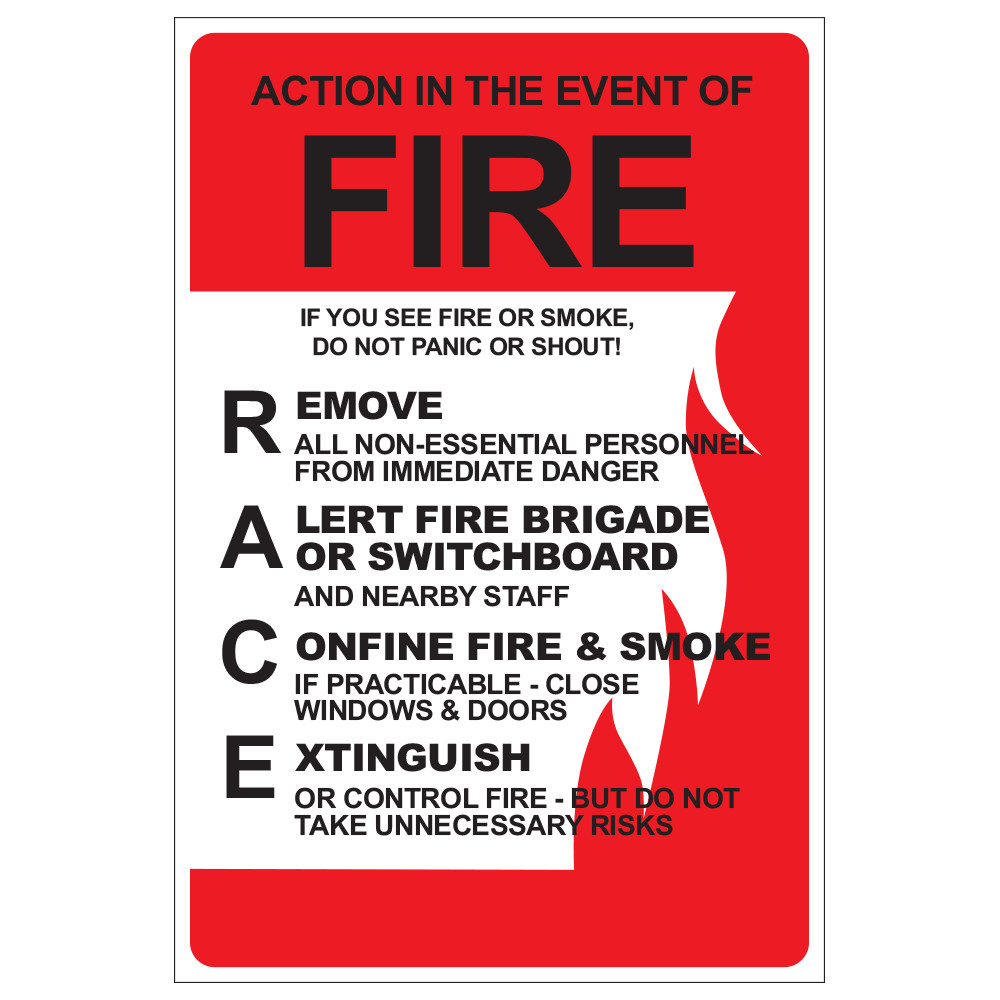
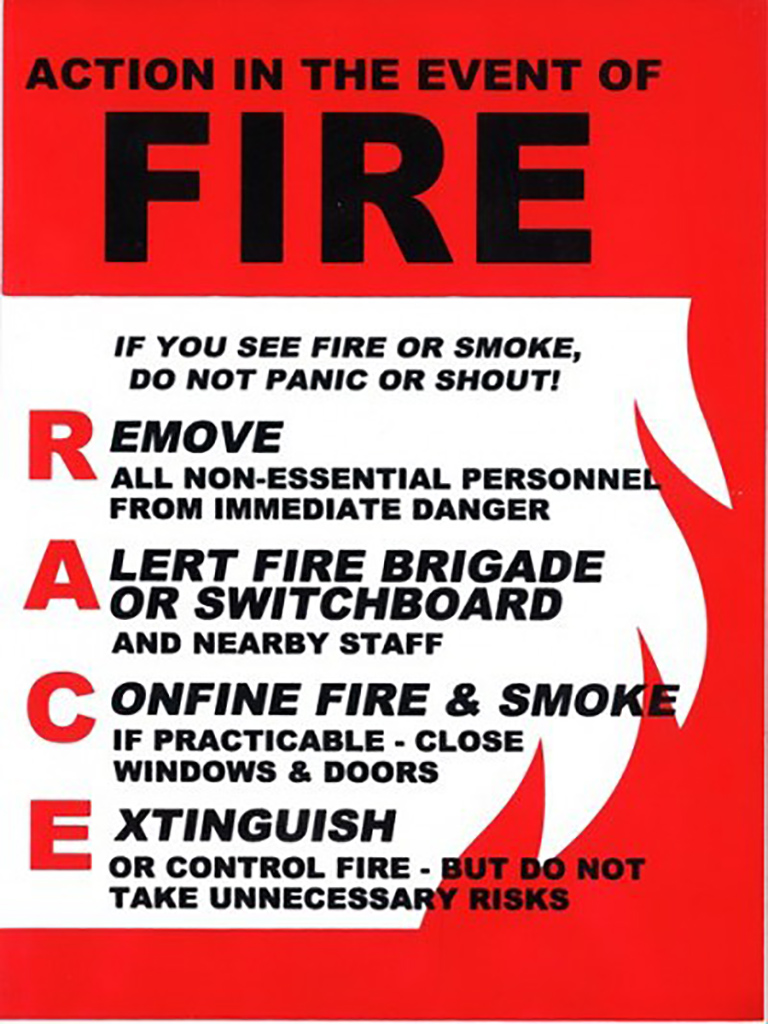
Before we explore the technological integration, it is essential to firmly grasp the meaning and purpose of each letter in the RACE acronym. This foundational understanding is the bedrock upon which technological solutions are built to enhance fire safety protocols.
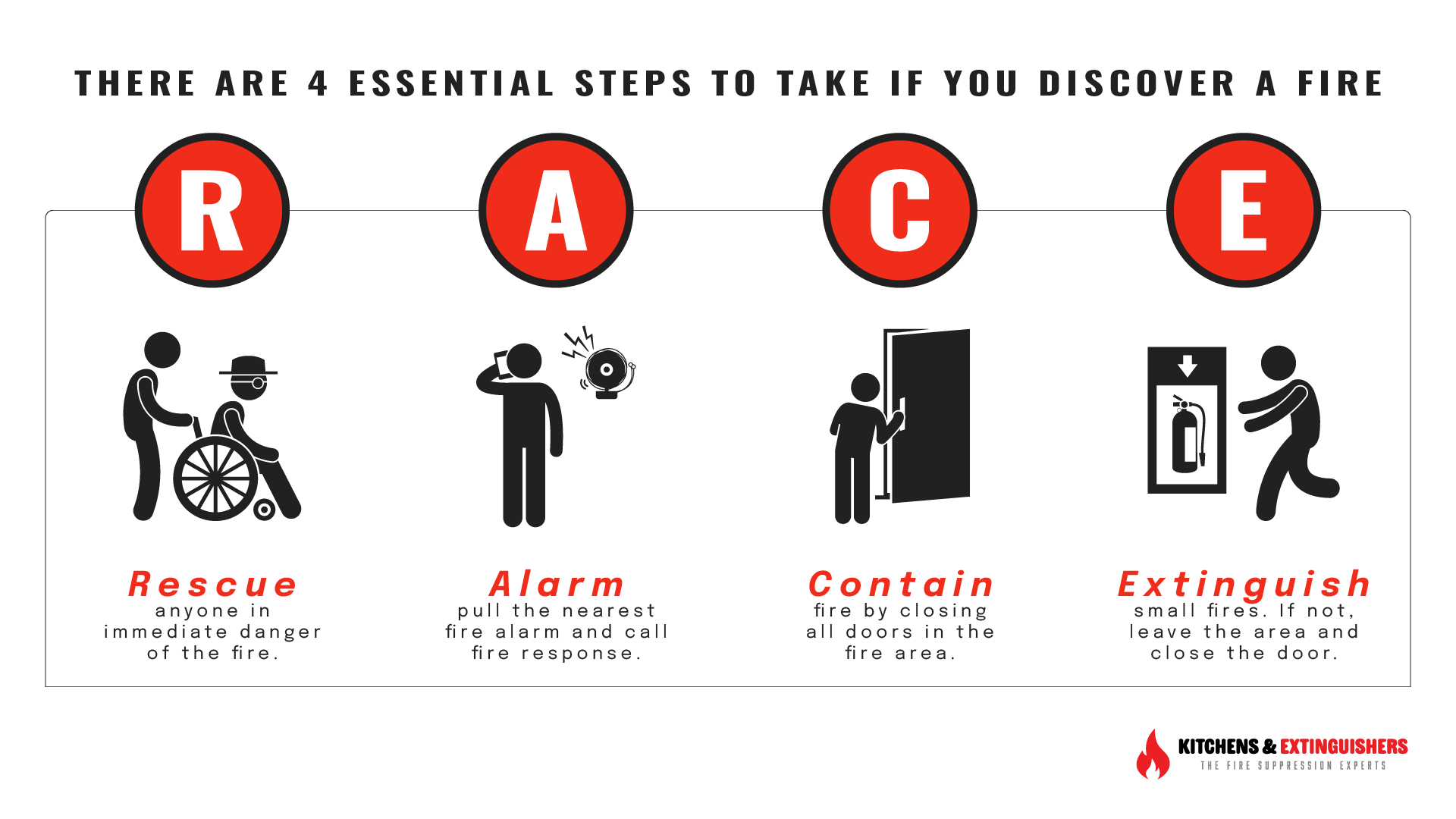
R: Rescue and Evacuate
The “R” in RACE signifies the immediate priority: rescuing individuals from immediate danger and initiating a systematic evacuation of the affected area and potentially the entire building. This is not a passive act but a dynamic process requiring rapid assessment of the situation and decisive action.
- Initial Assessment and Identification of Hazards: The first step in rescue and evacuation is to quickly ascertain the location and severity of the fire, identifying any immediate threats to occupants such as smoke inhalation, direct flame exposure, or structural instability. This requires early detection and real-time situational awareness.
- Prioritizing Vulnerable Individuals: Vulnerable populations, including children, the elderly, individuals with disabilities, and those with pre-existing medical conditions, often require special assistance during evacuation. This necessitates pre-planned strategies and resources tailored to their needs.
- Clear and Concise Communication for Evacuation: Effective communication is critical to guiding occupants safely out of the building. This involves using audible and visual alarms, clear exit signage, and, in more sophisticated systems, voice evacuation messages that provide specific instructions.
A: Alarm and Alert
The “A” focuses on the critical function of alerting others to the fire incident. This involves triggering audible and visual alarms within the building and notifying external emergency services. The speed and reliability of this alerting system are directly proportional to the effectiveness of the overall response.
- Automated Detection Systems: Modern fire safety relies heavily on automated detection systems, including smoke detectors, heat detectors, and flame detectors. These devices are designed to quickly sense the presence of fire and automatically initiate an alarm.
- Manual Alarm Activation: While automated systems are crucial, manual pull stations remain an essential component, allowing individuals to alert others if they discover a fire before the automated systems detect it.
- Notification of Emergency Services: Beyond internal alarms, the alerting phase must also ensure prompt notification of fire departments and other emergency responders. This often involves direct connections to monitoring centers that can dispatch services automatically.
C: Confine and Contain
The “C” in RACE shifts focus to preventing the spread of the fire. This involves taking measures to confine the fire to its area of origin and contain its spread to other parts of the building. Effective containment strategies can significantly reduce property damage and prevent casualties.
- Compartmentation Strategies: Buildings are designed with fire-resistant compartments to limit the spread of fire and smoke. This involves fire doors, fire walls, and fire-stopping materials that seal openings.
- Fire Suppression Systems: Automatic sprinkler systems, fire extinguishers, and other suppression systems are designed to attack the fire directly, reducing its intensity and preventing it from spreading.
- Controlling Airflow: Smoke and heat are significant contributors to fire spread. Measures to control airflow, such as closing doors and windows or using smoke control systems, are vital for containment.
E: Extinguish or Evacuate Further
The “E” represents the final stage, which involves extinguishing the fire if possible and safe to do so, or continuing evacuation if the fire cannot be immediately controlled. This element emphasizes the ongoing nature of the response and the need for adaptability.
- Active Firefighting Operations: Once emergency services arrive, their primary objective is to extinguish the fire. This involves deploying trained personnel with specialized equipment to combat the flames.
- Assessing Fire Severity and Continued Evacuation: If the fire is too severe to be immediately extinguished, the focus shifts to ensuring the complete evacuation of all occupants and preventing further harm.
- Post-Fire Assessment and Recovery: Even after the fire is extinguished, the “E” can extend to the initial stages of post-fire assessment and recovery, ensuring the safety of the structure and any remaining occupants.
Technological Innovations Amplifying RACE: The Digital Response
The effectiveness of the RACE acronym is significantly enhanced by a wide array of technological innovations. These advancements transform a theoretical framework into a dynamic, data-driven, and responsive system, capable of mitigating risks and saving lives in ways previously unimaginable.
Smart Detection and Early Warning Systems: The Digital Eyes and Ears
The initial “R” (Rescue) and “A” (Alarm) are heavily reliant on sophisticated detection and early warning systems, which are now increasingly integrated with AI and IoT technologies.
- AI-Powered Video Analytics for Fire Detection: Traditional smoke and heat detectors are now augmented by AI-powered video analytics. These systems can detect not only the visual signatures of smoke and flames but also anomalous heat signatures and even unusual crowd behavior that might indicate a developing emergency. By analyzing video feeds in real-time, AI can provide a more nuanced and faster detection of potential fires, distinguishing them from non-hazardous events like steam.
- IoT-Enabled Sensors for Predictive Maintenance and Environmental Monitoring: The Internet of Things (IoT) plays a crucial role in enhancing fire safety infrastructure. Connected sensors can monitor the condition of fire suppression systems, detecting potential failures or low pressure before they become critical. Furthermore, IoT devices can monitor environmental factors like humidity and air quality, which can sometimes be indicators of underlying issues that could escalate to a fire hazard. This predictive capability allows for proactive maintenance, ensuring that safety systems are always operational.
- Advanced Smoke and Flame Detection Technologies: Beyond basic sensors, newer technologies offer enhanced sensitivity and reduced false alarm rates. Multi-spectrum optical flame detectors, for instance, analyze a wider range of light wavelengths emitted by fires, making them more accurate and faster than older single-spectrum models. Aspirating Smoke Detection (ASD) systems, which actively draw air samples to a central detection unit, are ideal for large open spaces or areas with challenging environments where traditional detectors might be less effective.
Intelligent Communication and Command Platforms: Orchestrating the Response
The “A” (Alarm) and “C” (Confine) phases, and even the “E” (Extinguish) phase, are critically dependent on seamless communication and coordinated command. Modern technology provides robust platforms for this purpose, ensuring that information flows efficiently to the right people at the right time.
- Integrated Building Management Systems (BMS) with Fire Safety Modules: Modern BMS are no longer just for climate control. They are increasingly integrating sophisticated fire safety modules that can receive data from all detection systems, control fire doors, manage ventilation for smoke containment, and even direct evacuation routes based on real-time fire spread. This provides a centralized command center for managing an incident.
- Mobile Communication and Alerting Apps for First Responders and Occupants: Dedicated mobile applications are revolutionizing how fire safety information is disseminated. These apps can send immediate alerts to occupants with specific evacuation instructions, provide real-time updates on fire progression, and facilitate communication between building occupants and emergency personnel. For first responders, these apps can provide floor plans, access to building schematics, and real-time sensor data, enabling a more informed and tactical approach to firefighting.
- Cloud-Based Data Analytics for Incident Review and Improvement: Post-incident, cloud-based platforms are invaluable for analyzing the effectiveness of the RACE protocol and the performance of the technological systems deployed. By aggregating data from sensors, alarms, and communication logs, these platforms can identify bottlenecks, areas for improvement, and trends that can inform future fire safety strategies and system upgrades. This data-driven approach fosters continuous improvement in fire safety preparedness.
Automated Suppression and Containment Technologies: The Active Defense
The “C” (Confine) and “E” (Extinguish) phases are directly empowered by advanced suppression and containment technologies, often operating autonomously or with intelligent guidance.
- Smart Sprinkler Systems with Targeted Activation: While traditional sprinklers activate based on heat, newer smart sprinkler systems can offer more targeted activation. Some systems can identify the specific location and type of fire, adjusting water flow and pressure accordingly. Advanced systems can also communicate their status and activation to the central BMS, providing crucial information to responders.
- Advanced Fire Doors and Smoke Curtains with Integrated Controls: Fire doors and smoke curtains are critical for compartmentalization. Technology has enhanced their functionality through integrated controls that can be automatically deployed by the BMS or by localized sensors. These systems can ensure that doors close securely, and smoke curtains deploy effectively to prevent the spread of smoke and flames, thus aiding in containment.
- Drone Technology for Initial Fire Assessment and Monitoring: In large or complex structures, drones equipped with thermal imaging cameras and other sensors can be deployed for initial fire assessment. They can provide responders with real-time visual and thermal data of the fire’s extent and location, even in areas that are difficult or dangerous to access on foot. This allows for a more informed decision-making process regarding the deployment of resources and the continuation of evacuation or firefighting efforts.
The Technological Synergy: RACE as a Smart System
The true power of the RACE acronym in a modern context lies not just in the individual components, but in the technological synergy that binds them together. When these technologies are integrated, they create a “smart” fire safety system that is proactive, responsive, and adaptive.
Predictive Analytics and Proactive Intervention
The integration of AI and IoT sensors allows for a shift from reactive to predictive fire safety. By analyzing vast amounts of data from building systems, environmental sensors, and even historical incident data, AI algorithms can identify potential fire risks before they manifest into actual incidents. This enables proactive interventions, such as alerting maintenance teams to faulty wiring, recommending adjustments to HVAC systems to mitigate potential ignition sources, or even scheduling preventative checks on critical fire safety equipment. This proactive approach significantly reduces the likelihood of a fire occurring in the first place, thereby enhancing the overall effectiveness of the RACE protocol by minimizing the need for extreme responses.
Real-time Situational Awareness for Enhanced Decision-Making
During an actual fire incident, the seamless flow of real-time data from intelligent detection systems, integrated BMS, and communication platforms provides emergency responders and building management with unparalleled situational awareness. This allows for more informed and faster decision-making at every stage of the RACE acronym. For instance, knowing the precise location of the fire, the status of fire suppression systems, the number of occupants detected in various zones, and the movement of smoke can dramatically influence evacuation routes, the deployment of firefighting resources, and the overall strategy for containment and extinguishment. This data-driven insight transforms a chaotic situation into a more controlled and strategic response.
Adaptive Response and Continuous Improvement Through Data
The “E” in RACE, which signifies extinguishing or further evacuation, benefits greatly from the adaptive capabilities offered by technology. As the situation evolves, the smart fire safety system can dynamically adjust its response. If the initial containment efforts are proving insufficient, the system can re-route ventilation, deploy additional suppression agents, and update evacuation directives in real-time. Furthermore, the data collected throughout an incident, from the moment of detection to the final extinguishment, provides invaluable feedback for continuous improvement. Analyzing this data allows organizations to refine their fire safety plans, update emergency procedures, and identify areas where technological upgrades or training enhancements are needed, ensuring that the RACE protocol remains robust and effective in the face of evolving threats and technologies.
In conclusion, the RACE acronym in fire safety has evolved from a simple procedural guideline into a technologically empowered framework. By leveraging the power of AI, IoT, advanced detection, and intelligent communication platforms, organizations can significantly enhance their preparedness, response, and recovery capabilities. Understanding what RACE stands for in this technologically advanced era means recognizing it as a dynamic, interconnected system where digital innovation plays a pivotal role in safeguarding lives and property. The continuous development and integration of these technologies will undoubtedly continue to redefine the efficacy and impact of fire safety protocols for years to come.
aViewFromTheCave is a participant in the Amazon Services LLC Associates Program, an affiliate advertising program designed to provide a means for sites to earn advertising fees by advertising and linking to Amazon.com. Amazon, the Amazon logo, AmazonSupply, and the AmazonSupply logo are trademarks of Amazon.com, Inc. or its affiliates. As an Amazon Associate we earn affiliate commissions from qualifying purchases.