
In the ever-evolving digital landscape, accessibility is no longer a niche concern but a fundamental aspect of effective communication and user experience. As content creators, developers, and businesses strive to reach broader audiences, understanding the nuances of how information is conveyed becomes crucial. Among the various technologies and practices that enhance accessibility, captioning plays a pivotal role. While the concept of captioning might seem straightforward, the distinctions between different types, particularly “open captioning,” are often a source of confusion. This article delves into the meaning of open captioning, exploring its technical underpinnings, practical applications, and significance within the realm of technology and digital content.
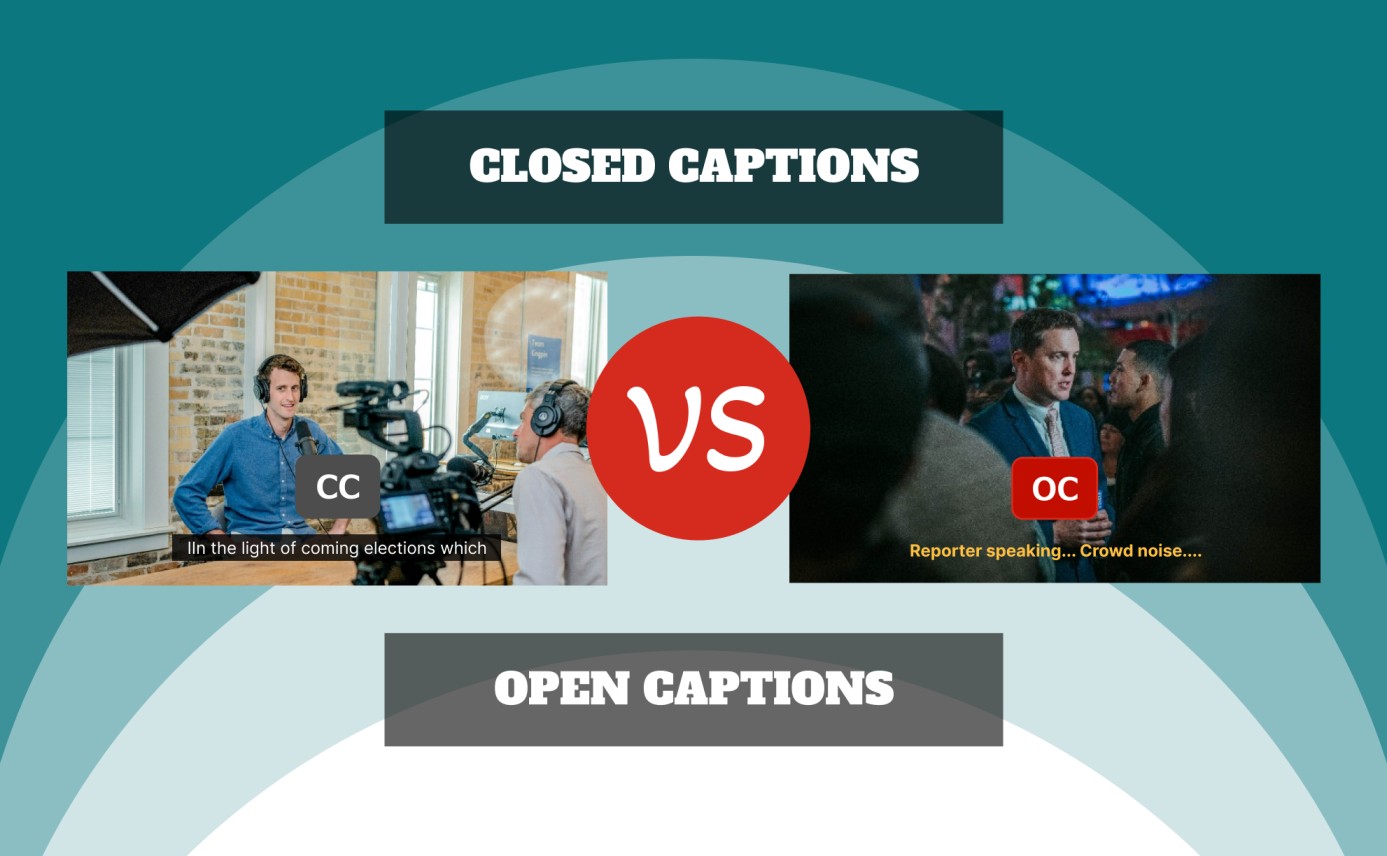
The term “open caption” refers to a specific method of presenting text synchronized with audio in video content, where the captions are permanently embedded into the video stream and cannot be turned on or off by the viewer. Unlike closed captions, which offer flexibility and user control, open captions are an integral part of the video itself. This seemingly simple difference has profound implications for accessibility, user experience, and content distribution across various technological platforms.
Understanding the Core Technology of Open Captioning
At its heart, open captioning is a visual representation of spoken dialogue and important sound effects within a video. The technology behind it involves the process of transcribing audio into text and then synchronizing that text with the corresponding moments in the video playback. The key differentiator for open captions lies in their “burnt-in” nature.
The Technical Process: Embedding Captions
The process of creating open captions begins with the audio track of a video. Skilled transcriptionists, or increasingly, sophisticated speech-to-text software, convert the spoken words into a written format. This transcribed text then needs to be meticulously timed to align with the on-screen action and dialogue. For open captions, this timed text is then rendered directly onto the video frames. This means the caption information is physically part of the image data, akin to adding a subtitle layer that is unremovable.
This embedding process can be achieved through various video editing and encoding software. When a video editor adds open captions, they are essentially overlaying text graphics that are permanently fixed to the video’s visual stream. This is distinct from closed captioning, which uses separate data streams or metadata that the playback device can interpret and display or hide based on user preference. The consequence of this direct embedding is that once a video is encoded with open captions, they are there to stay, regardless of the viewing platform or device.
Differentiation from Closed Captions and Subtitles
To fully grasp the meaning of open captioning, it’s essential to distinguish it from its close relatives: closed captions and subtitles.
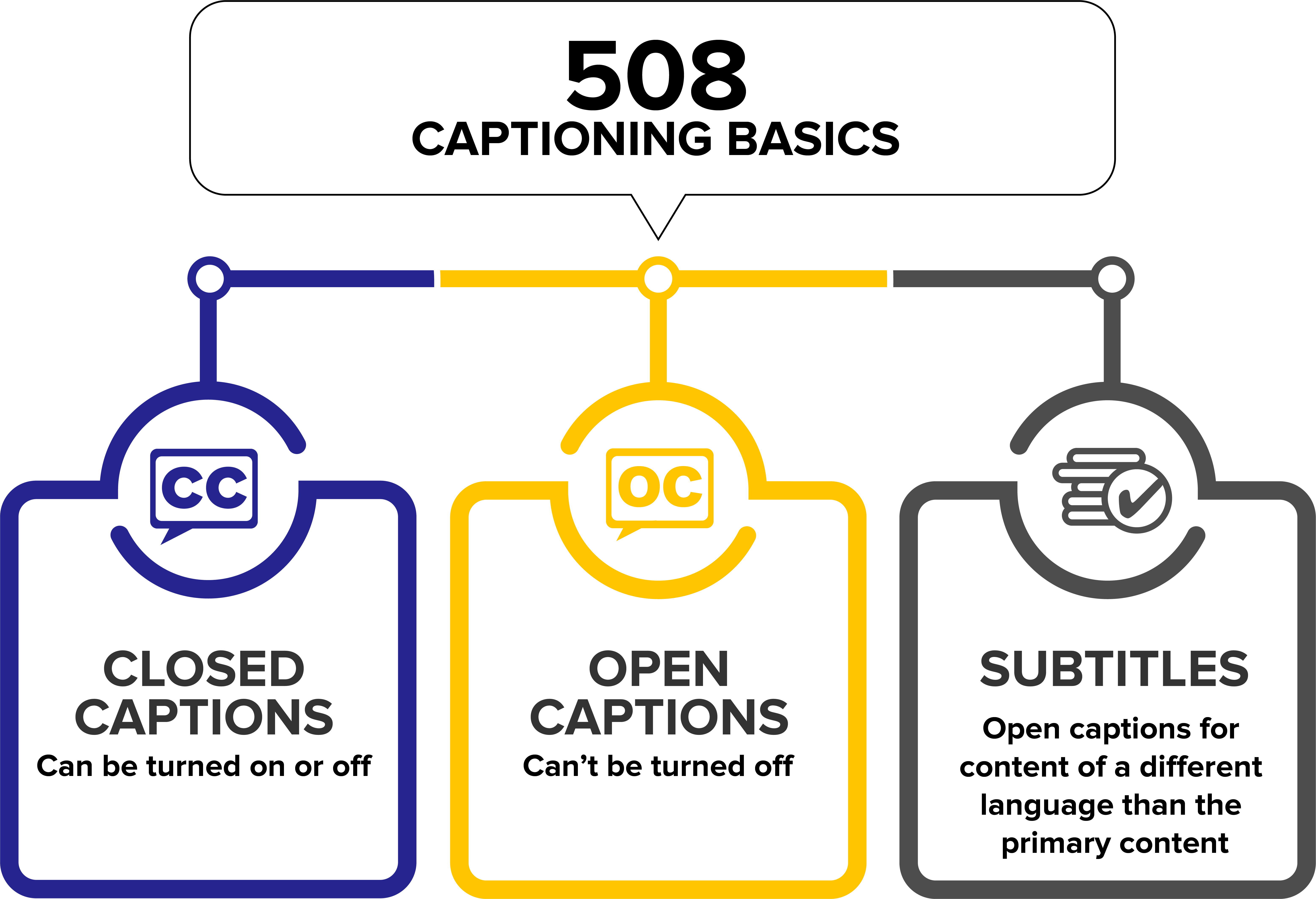
Closed Captions (CC): These are also text representations of audio, but they are transmitted as a separate data stream embedded within the video signal. Playback devices (TVs, media players, streaming platforms) can detect this data stream and, if the user enables the captioning function, display the text on screen. The crucial advantage of closed captions is user control; viewers can choose to turn them on or off. They are often used for accessibility for individuals who are deaf or hard of hearing, as well as for those watching in noisy environments or learning a new language.
Subtitles: Subtitles are primarily intended for viewers who speak a different language than the original audio. They typically translate spoken dialogue and may omit descriptions of non-speech elements like sound effects. While they can aid comprehension for language learners, they are not primarily designed as an accessibility feature for the deaf and hard of hearing. Like closed captions, subtitles are usually delivered via a separate data stream and can be toggled on or off.
Open Captions: In contrast, open captions are “burnt-in.” They are part of the video image itself and cannot be hidden or turned off. This lack of user control is their defining characteristic. While it might seem like a limitation, this feature provides a guaranteed method of delivery for the caption text, ensuring it’s visible to all viewers regardless of their device’s capabilities or settings.
The Technological Advantages and Disadvantages of Open Captioning
The permanent nature of open captions presents a unique set of advantages and disadvantages, particularly from a technical perspective and in terms of implementation. These aspects influence when and why content creators opt for this particular captioning method.
Advantages: Universal Accessibility and Platform Independence
One of the most significant advantages of open captioning is its universal accessibility. Because the captions are permanently embedded, they are accessible to anyone who can see the video, regardless of their device’s captioning support or their personal settings. This bypasses potential technical hurdles that might arise with closed captions, such as a playback device not supporting a particular captioning format or a user forgetting to enable them.
Furthermore, open captions offer platform independence. A video with open captions will display them consistently across all platforms and devices. Whether viewed on a high-end smart TV, a mobile phone, a social media feed, or a basic video player, the captions will be visible. This reliability is invaluable for content creators who want to ensure their message reaches the widest possible audience without worrying about technical inconsistencies in caption display. This is especially true for content shared on social media platforms where the control over caption playback can be limited or non-existent.
Disadvantages: Lack of User Control and Editing Challenges
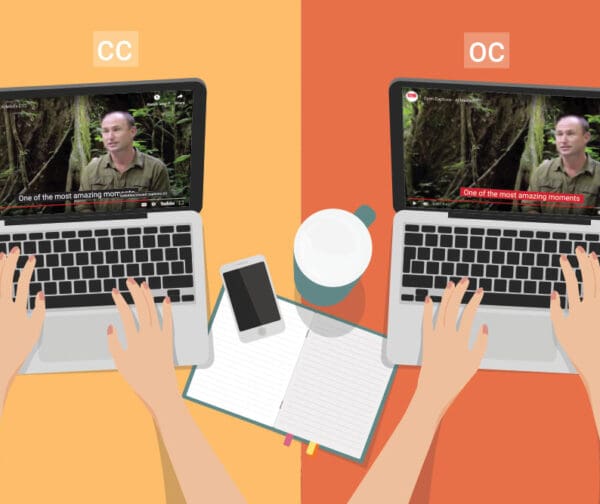
The primary disadvantage of open captioning is the lack of user control. Viewers cannot choose to hide the captions, which can be distracting for those who do not need them or prefer a cleaner viewing experience. This can detract from the aesthetic appeal of the video and may negatively impact viewer engagement for a segment of the audience.
From a production standpoint, editing open captions can also be challenging. If there’s an error in the transcription or timing, the entire video needs to be re-rendered and re-encoded to correct the captions. This is a far more time-consuming and resource-intensive process than editing closed captions, which are typically stored in separate files and can be easily updated. This inflexibility makes open captions a less desirable choice for content that is subject to frequent revisions or updates.
Another technical consideration is file size. Embedding captions directly into the video stream can, in some cases, lead to a slightly larger file size compared to a video with separate closed caption files. While the difference is often negligible in today’s high-bandwidth environment, it can be a factor in certain content delivery scenarios.
Applications and Use Cases in the Digital Ecosystem
The unique characteristics of open captioning lend themselves to specific applications within the vast and diverse digital ecosystem. Understanding these use cases helps illustrate why this method remains relevant and important.
Social Media and Viral Content
Social media platforms are a prime area where open captions shine. Many users browse social media feeds with their sound muted, relying on visual cues and text to understand content. Open captions ensure that messages within videos are immediately accessible to these users, significantly increasing engagement and reach. The viral nature of social media content also means that a video can be shared and re-shared across numerous platforms, often with varying technical capabilities for displaying standard closed captions. Open captions guarantee that the message remains intact and understandable, irrespective of where the video ends up.
For example, a short promotional video for a new product launched on Instagram or TikTok would benefit greatly from open captions. The user scrolling through their feed is more likely to pause and watch if they can instantly understand the content without needing to unmute. This immediate comprehension is a direct result of the burnt-in nature of open captions.
Public Displays and Broadcast Environments
In public viewing environments, such as waiting rooms, bars, or public transportation, where audio playback is often impractical or disruptive, open captions are essential. Similarly, in broadcast scenarios where precise synchronization and guaranteed visibility are paramount, open captions can be a preferred choice. For instance, a news report or a public service announcement shown on a large screen in a public space needs to be understood by everyone, regardless of ambient noise or the ability to hear.
Accessibility for Diverse Learners and Situations
Beyond the deaf and hard-of-hearing community, open captions can be invaluable for a broader range of individuals. Language learners can use them to reinforce their understanding of vocabulary and pronunciation. Individuals with certain cognitive processing differences might find it easier to follow video content when the text is permanently displayed. Moreover, in situations where a user has a temporary hearing impairment or is in a loud environment, open captions provide a crucial bridge to understanding.
The inherent accessibility of open captions ensures that content is not inadvertently excluded from individuals facing various challenges, making it a powerful tool for inclusive communication in the digital age.
The Future of Open Captioning in a Technologically Advancing World
As technology continues to innovate, the role and implementation of open captioning are likely to evolve. While challenges remain, its fundamental benefit of guaranteed visibility ensures its continued relevance.
Integration with AI and Automated Transcription
The rise of artificial intelligence (AI) and advanced speech-to-text technologies is significantly impacting the creation of captions. AI-powered tools can now transcribe audio with remarkable accuracy, drastically reducing the time and cost associated with manual transcription. This opens up possibilities for more dynamic and potentially more efficient methods of creating and embedding open captions. Future systems might allow for more intelligent integration of captions, perhaps with options for subtle styling that minimizes visual obstruction while still ensuring legibility.
Evolving User Preferences and Design Considerations
While open captions offer universal accessibility, the lack of user control remains a point of contention for some. Future innovations might explore hybrid models. For instance, platforms could offer “enhanced” open captions that are aesthetically designed to be less intrusive, or provide options for very subtle styling. The ongoing discussion about user experience will likely drive the evolution of how open captions are presented, aiming to balance their accessibility benefits with aesthetic considerations.
Ultimately, the meaning of “open caption” is rooted in its inherent characteristic: a permanently embedded text layer that ensures maximum accessibility. In a world increasingly reliant on visual and digital communication, the technology behind open captioning provides a robust solution for ensuring that no viewer is left behind, making it a vital component of inclusive and effective content delivery.
aViewFromTheCave is a participant in the Amazon Services LLC Associates Program, an affiliate advertising program designed to provide a means for sites to earn advertising fees by advertising and linking to Amazon.com. Amazon, the Amazon logo, AmazonSupply, and the AmazonSupply logo are trademarks of Amazon.com, Inc. or its affiliates. As an Amazon Associate we earn affiliate commissions from qualifying purchases.