
The ubiquitous lowercase “i” preceding a product name has become a powerful shorthand in the technology landscape. From the iconic Apple devices that revolutionized personal computing and mobile communication to a myriad of software applications and emerging gadgets, the “i” signifies something more than just a letter. It’s a strategic branding element that has profoundly impacted how we perceive and interact with technology. This article will delve into the multifaceted meanings and implications of the “i” in the tech world, exploring its origins, its evolution, and its enduring significance in shaping consumer perception and product identity.
The Genesis of the “i”: Innovation, Internet, and Individualism
The most widely accepted origin story for the “i” in tech traces back to Apple’s groundbreaking iMac in 1998. Steve Jobs, during the product’s launch, articulated four key meanings for the “i”: “internet,” “individual,” “instruct,” and “inspire.” While “instruct” and “inspire” are more aspirational and less directly tied to product functionality, the emphasis on “internet” and “individual” struck a chord that resonated deeply with the zeitgeist of the late 1990s.
Internet: Connecting the World
The late 1990s marked the dawn of the mainstream internet era. Dial-up modems were giving way to broadband, and the World Wide Web was rapidly transforming how people accessed information, communicated, and conducted business. For Apple, naming the iMac with an “i” prominently featured “internet” was a clear signal that this was a computer designed for the new digital age. It promised seamless connectivity and an intuitive gateway to the burgeoning online world. This positioning was crucial as personal computers were transitioning from purely functional tools to entertainment hubs and communication devices.
Individual: Personalization and Self-Expression
Beyond its connection to the internet, the “i” also embodied the burgeoning concept of individualism in technology. In an era where technology was often perceived as complex and impersonal, Apple positioned the iMac as a device that catered to the individual user. This was reflected not only in its user-friendly interface and setup but also in its design. The iMac G3, with its translucent, brightly colored casing, was a departure from the beige boxes that dominated the market. It was a statement piece, allowing users to express their personality and style through their technology. This focus on individual ownership and self-expression became a cornerstone of Apple’s philosophy and a key differentiator.
The Legacy of Individuality in Tech Branding
The emphasis on individuality paved the way for a broader trend in the tech industry. As devices became more personal, their ability to reflect and enhance individual identity became a significant selling point. From customizable smartphone interfaces to personalized app experiences, the “i” in “individual” foreshadowed a future where technology is deeply intertwined with our personal lives and our sense of self. This was a powerful shift from the era of mass-produced, utilitarian electronics to a more nuanced understanding of how technology serves and amplifies the individual.
Beyond Apple: The “i” as a Global Tech Identifier
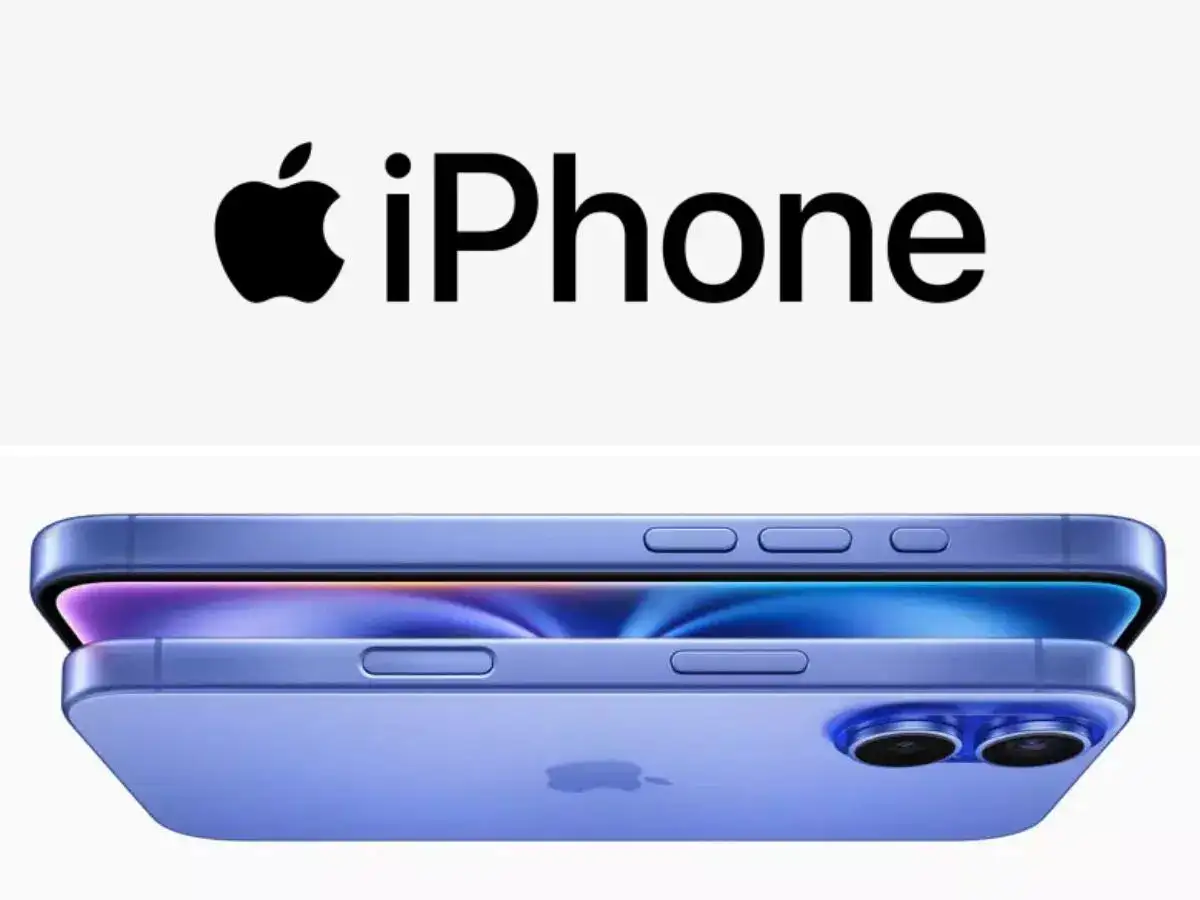
While Apple undeniably popularized the “i” prefix, its influence has extended far beyond its own product lines. The success of the iMac, and subsequently the iPod, iPhone, and iPad, created a powerful linguistic and symbolic association between “i” and innovation, user-friendliness, and cutting-edge technology. This led to a proliferation of tech products and services adopting the “i” prefix, seeking to leverage its established positive connotations.
Software and Services: Embracing the “i” for Accessibility
In the realm of software and digital services, the “i” has often been used to signify intelligence, intuitiveness, and interconnectedness. For example, applications designed to streamline workflows, manage data, or facilitate communication frequently adopt an “i” prefix to suggest an intelligent, integrated solution. This is particularly prevalent in business software, where the “i” can imply insightful analytics, intelligent automation, or an integrated platform. It’s a subtle yet effective way to communicate that a product is designed to be smart, efficient, and easy to use.

Gadgets and Peripherals: A Mark of Modernity
The adoption of the “i” prefix is also evident in the vast array of gadgets and peripherals that complement our digital lives. From smart home devices and wearable technology to specialized input devices and accessories, the “i” often signals a product that is modern, connected, and designed to enhance the user’s technological experience. This can range from smartwatches designed to integrate with your smartphone to intelligent lighting systems that offer remote control and customization. The “i” acts as a quick identifier, assuring consumers that they are looking at a product that is contemporary and likely to offer advanced features.
The Double-Edged Sword: Avoiding Dilution
However, the widespread adoption of the “i” prefix has also presented a challenge. As more and more products began using it, there was a risk of diluting its original impact and making it a generic descriptor rather than a symbol of genuine innovation. Companies that use the “i” today must ensure that their products genuinely live up to the promise of intelligence, connectivity, and user-centric design that the prefix has come to represent. A poorly executed product with an “i” prefix can be more detrimental than beneficial, leading to consumer disappointment and a tarnished brand image.
The “i” in the Age of AI: Intelligence and Intuition Amplified
The rise of Artificial Intelligence (AI) has added another layer of meaning to the “i” in technology. Today, as AI permeates almost every aspect of our digital lives, the “i” can be interpreted as signifying not just intelligence but advanced, predictive, and adaptive intelligence.
AI-Powered Features and Experiences
Many tech products and services now boast AI-powered features that were once the stuff of science fiction. From personalized recommendations and predictive text to sophisticated natural language processing and image recognition, AI is making technology more intuitive and responsive than ever before. The “i” in these contexts can implicitly refer to this underlying intelligence, hinting at a product that can learn, adapt, and anticipate user needs. This is particularly true for software that aims to automate tasks, provide insights, or enhance creativity.
Intuitive Interfaces and Seamless Integration
AI is also instrumental in creating more intuitive user interfaces. Machine learning algorithms can analyze user behavior to optimize workflows, simplify navigation, and personalize experiences. The “i” prefix can therefore suggest a product that offers a seamless and effortless interaction, where the technology fades into the background, empowering the user to achieve their goals with minimal friction. This is a crucial aspect of modern tech design, where usability and user experience are paramount.
The Future of “i”: A Symbol of Advanced Interaction
As AI continues to evolve, the “i” in technology will likely become even more synonymous with advanced and intelligent interaction. It will represent a commitment to creating technology that not only connects us but also understands us, assists us, and even anticipates our needs. The future “i” in tech is one that embodies a sophisticated symbiosis between human and machine, where the lines between the physical and digital worlds blur, and technology becomes an almost invisible yet indispensable partner in our lives.
Conclusion: The Enduring Power of a Simple Letter
The humble lowercase “i” has transcended its origins to become a powerful and enduring symbol in the technology industry. From its initial association with the internet and individuality, it has evolved to encompass innovation, intelligence, and intuitive user experiences. While the landscape of technology is constantly shifting, the “i” has demonstrated remarkable resilience, adapting its meaning to reflect the advancements and aspirations of each new era. As we move further into the age of AI and beyond, the “i” will undoubtedly continue to represent a promise of progress, a commitment to user-centric design, and a vision for a more connected, intelligent, and personalized future. Its enduring power lies in its simplicity and its profound ability to convey a wealth of meaning, making it an indispensable element of tech branding and a constant reminder of the transformative potential of innovation.
aViewFromTheCave is a participant in the Amazon Services LLC Associates Program, an affiliate advertising program designed to provide a means for sites to earn advertising fees by advertising and linking to Amazon.com. Amazon, the Amazon logo, AmazonSupply, and the AmazonSupply logo are trademarks of Amazon.com, Inc. or its affiliates. As an Amazon Associate we earn affiliate commissions from qualifying purchases.