
The allure of a huckleberry is more than just its potential flavor profile; it’s steeped in a rich tapestry of associations. For many, the word conjures images of wild, untamed landscapes, of sun-drenched afternoons spent in pursuit of elusive, tart-sweet treasures. This potent imagery forms the bedrock of how brands can leverage such evocative terminology. When a brand chooses to align itself with “Huckleberry,” it’s not merely selecting a whimsical name; it’s actively curating a sensory and emotional experience for its consumers, aiming to impart specific qualities and forge a unique place in the market. This exploration delves into how brands can translate the abstract concept of “taste” into tangible brand identity, drawing parallels between the sensory experience of tasting a huckleberry and the multifaceted nature of brand perception.
The Genesis of Huckleberry’s Brand Appeal: Nature, Nostalgia, and Authenticity
The inherent charm of the huckleberry lies in its deep roots within American folklore and natural landscapes. This connection provides a powerful foundation for brands seeking to imbue themselves with a sense of authenticity and natural goodness.
Untamed Wilderness and the Allure of the Wild
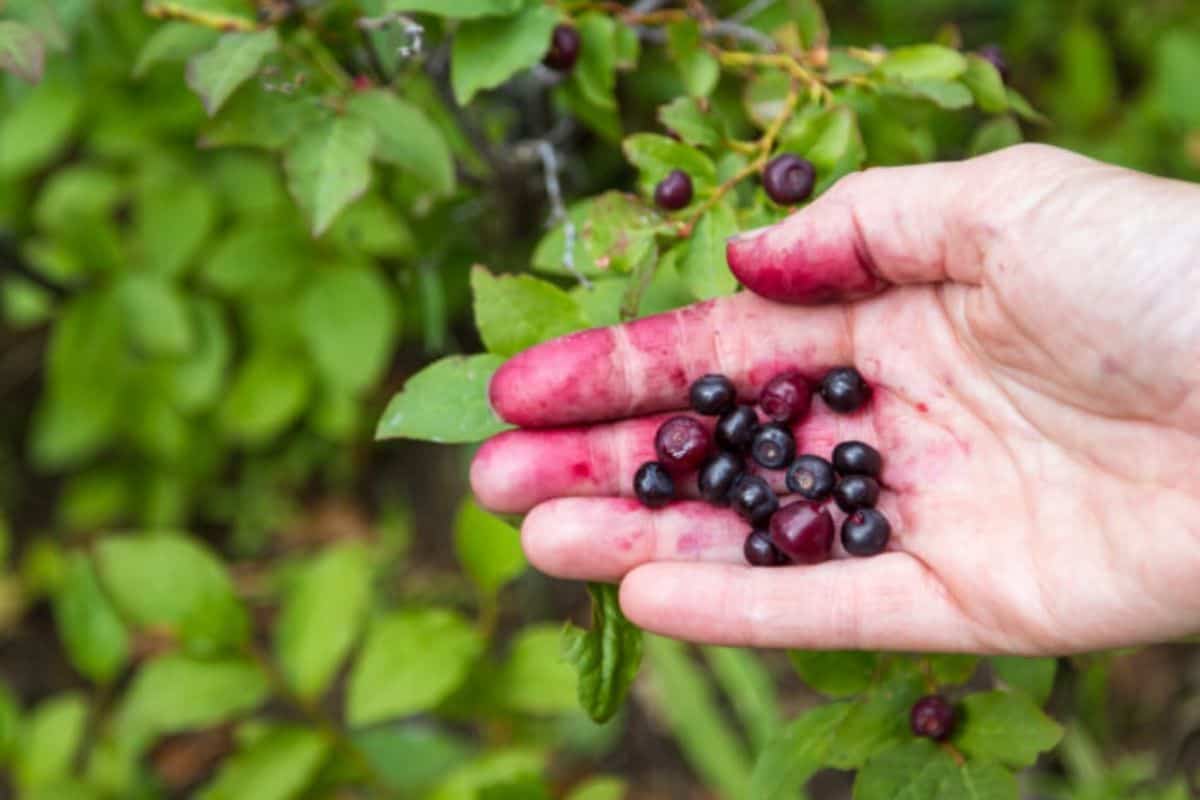
Huckleberries are not cultivated in neat rows like domesticated berries. They are wild, thriving in challenging terrains, often associated with rugged mountains and pristine forests. This wildness translates directly into brand attributes of resilience, authenticity, and an untainted purity. Brands that evoke “huckleberry” often position themselves as eschewing artificiality, embracing a more genuine and unadulterated form of their product or service. This can manifest in packaging that mimics natural textures, marketing campaigns that highlight natural sourcing, or product formulations that emphasize natural ingredients. The “taste” of huckleberry, in this context, is the taste of unspoiled nature, a refreshing departure from the processed and manufactured.
Nostalgic Echoes: Childhood Memories and Simple Pleasures
For many, huckleberries evoke vivid childhood memories of summer adventures, picnics, and the simple joy of discovery. This nostalgic appeal is a powerful tool for brands. By tapping into these pre-existing positive associations, brands can create an emotional shortcut to consumer affection. The “taste” of huckleberry becomes synonymous with cherished memories, with a sense of comfort and familiarity. This can be particularly effective in industries targeting families, or in promoting products that aim to offer a sense of escape from the complexities of modern life. Think of artisanal jams, handcrafted ice creams, or even lifestyle brands that promote a slower, more intentional way of living.
The “Real” Thing: Authenticity in a Synthetic World
In an era where authenticity is increasingly valued, the huckleberry stands as a symbol of the “real” thing. Its wild nature implies a lack of manipulation, a genuine product of its environment. Brands that adopt the “Huckleberry” identity often seek to project this sense of genuine craftsmanship and uncompromising quality. This isn’t about being artisanal for the sake of it, but about conveying a deep commitment to the inherent goodness and integrity of their offering. The perceived “taste” of huckleberry becomes a benchmark for a product that is true to its origins, that delivers an unadulterated experience, and that resists the temptation of shortcuts or artificial enhancements.
Translating Sensory Experience into Brand Messaging: The “Taste” of Huckleberry Beyond Flavor
The “taste” of huckleberry is not solely about its specific flavor profile, which itself can be complex and varied. For branding purposes, it’s about the entire sensory and emotional experience that the word and its associated imagery evoke. This involves a deliberate and strategic approach to communication.
Crafting a Sensory Narrative: Beyond the Palate
While the actual taste of a huckleberry might be described as tart, slightly sweet, with earthy undertones, a brand can expand on this. The “taste” becomes a narrative that encompasses:
- Aroma: The scent of wild berries, perhaps mingled with pine needles or damp earth, can be evoked through scent marketing or descriptive language.
- Texture: The slight chewiness of the berry, the burst of juice, can translate into product textures or brand positioning emphasizing a satisfying “mouthfeel.”
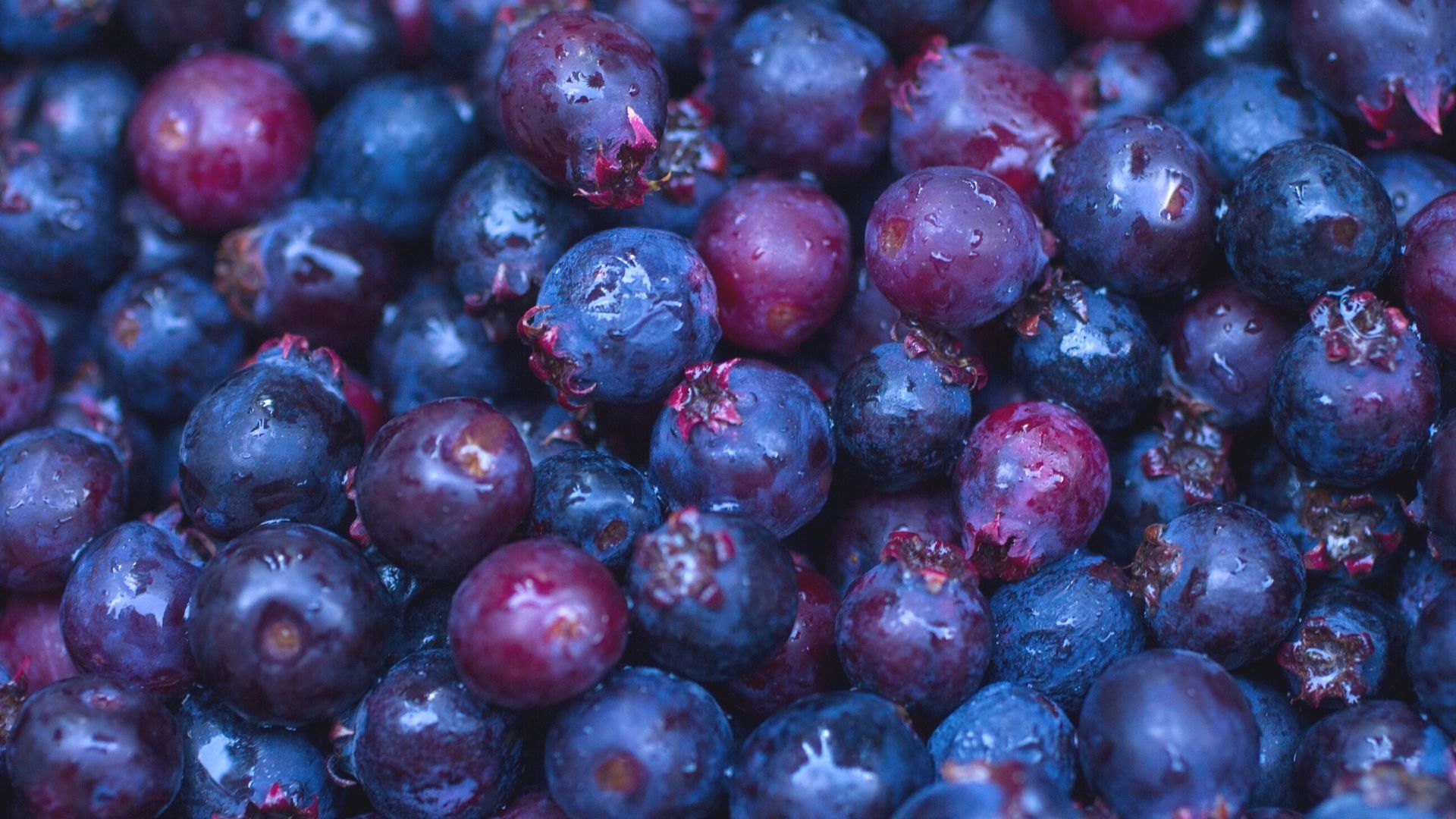
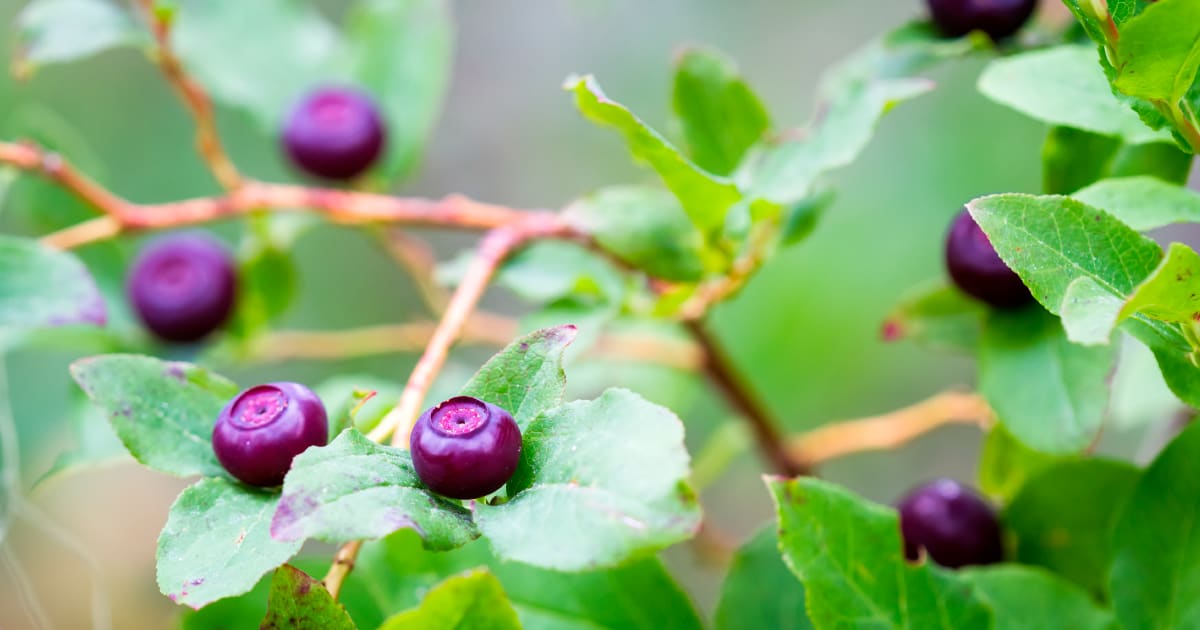
- Visuals: The deep purple or reddish hue, the small, irregular shapes, can inform logo design, packaging aesthetics, and overall visual branding.
- Sound: The crunch of stepping on fallen leaves, the rustle of bushes, can be subtly incorporated into audio branding or marketing campaigns.
Essentially, the brand uses the sensory anchors of the huckleberry to build a richer, more immersive experience that goes far beyond mere flavor. The “taste” is the sum of these sensory inputs, carefully orchestrated to create a desired impression.
The Evocative Power of Naming and Taglines
The choice of the name “Huckleberry” itself is a powerful branding decision. It immediately imbues the product or company with the associations discussed earlier. This is further amplified by taglines and marketing copy that explicitly or implicitly reference these themes. A tagline like “Taste the wild spirit” or “Your everyday escape, naturally” directly connects the brand to the core essence of huckleberry. Even if the product itself isn’t a food item, the “Huckleberry” name can signify qualities like adventure, independence, or a connection to nature. The “taste” is then understood metaphorically – the “taste” of freedom, the “taste” of a simpler life.
Packaging and Product Design: A Tangible Representation
The physical manifestation of a brand is crucial in conveying its essence. For a “Huckleberry” brand, this translates into thoughtful packaging and product design. This might include:
- Color Palettes: Utilizing deep blues, purples, greens, and earthy browns that reflect the berry and its natural habitat.
- Typography: Employing fonts that suggest natural textures, hand-drawn elements, or a slightly rustic feel.
- Material Choices: Opting for sustainable, recycled, or textured materials that align with a natural and authentic image.
- Illustrations and Imagery: Incorporating depictions of berries, natural landscapes, or elements that evoke the wild spirit.
Every visual cue is designed to reinforce the “Huckleberry” identity, making the product’s “taste” – its perceived quality, origin, and emotional resonance – immediately understandable to the consumer.
The Strategic “Taste” of Huckleberry: Target Audience and Market Positioning
Understanding the “taste” of huckleberry also involves a keen awareness of who is being targeted and where the brand aims to position itself within the competitive landscape.
Identifying the “Huckleberry” Consumer: Seeking Authenticity and Escape
The consumers drawn to “Huckleberry” branded products are often those who:
- Value Authenticity: They are discerning and appreciate genuine products and experiences over mass-produced alternatives.
- Seek Natural and Wholesome Options: They prioritize products with natural ingredients and a perceived connection to nature.
- Desire Nostalgia and Simplicity: They are looking for a connection to simpler times, a sense of comfort, and an escape from modern complexities.
- Appreciate Adventure and Individuality: They are drawn to brands that embody a spirit of exploration and self-reliance.
By understanding these consumer desires, brands can tailor their “Huckleberry” messaging to resonate deeply, offering them not just a product, but an experience that aligns with their values and aspirations. The “taste” of huckleberry is precisely what these consumers are looking for.
Differentiating in the Market: A Unique Sensory Signature
In a crowded marketplace, the “Huckleberry” theme offers a distinct sensory signature that can set a brand apart. While competitors might offer similar products, the “Huckleberry” brand can claim a unique space by emphasizing its specific associations:
- Against Artificiality: Positioning against brands that rely heavily on synthetic flavors or artificial enhancements.
- Against Generic Appeal: Offering a more nuanced and evocative experience than brands with broad, unspecific marketing.
- Against Purely Functional Offerings: Adding an emotional and experiential layer to products that might otherwise be perceived as purely utilitarian.
The “taste” of huckleberry becomes a proprietary sensory signature, a subtle yet powerful differentiator that attracts and retains a loyal customer base who seek this specific blend of nature, nostalgia, and authenticity.
The Long-Term “Flavor” of Brand Loyalty: Building an Enduring Connection
Ultimately, the success of a “Huckleberry” branded strategy lies in its ability to cultivate lasting brand loyalty. When consumers consistently experience the promised “taste” – the authenticity, the nostalgia, the connection to nature – they develop a deep-seated preference for the brand. This isn’t just about a single purchase; it’s about building an ongoing relationship based on shared values and sensory satisfaction. The “flavor” of huckleberry, therefore, becomes more than just a fleeting taste; it becomes a lasting impression, a trusted experience that consumers seek out time and time again. This enduring connection is the ultimate testament to the power of a well-executed brand strategy that effectively translates sensory appeal into a compelling brand identity.
aViewFromTheCave is a participant in the Amazon Services LLC Associates Program, an affiliate advertising program designed to provide a means for sites to earn advertising fees by advertising and linking to Amazon.com. Amazon, the Amazon logo, AmazonSupply, and the AmazonSupply logo are trademarks of Amazon.com, Inc. or its affiliates. As an Amazon Associate we earn affiliate commissions from qualifying purchases.