
The weight of unfiled tax returns can feel like a mounting financial shadow, growing larger with every passing year. Whether the delay was caused by a personal crisis, financial hardship, or simply a misunderstanding of filing requirements, the anxiety surrounding back taxes is universal. However, the path to resolution is more accessible than most realize. Filing back taxes does not necessarily require hiring an expensive tax attorney or a high-priced CPA. With the right tools and knowledge of government-sponsored programs, you can rectify your standing with the IRS for free.

This guide explores the strategic financial moves necessary to clear your record, the free resources available to taxpayers, and the long-term benefits of regaining your financial compliance.
The Financial Implications of Unfiled Tax Returns
Before diving into the “how,” it is crucial to understand the “why.” Failing to file tax returns is not a static problem; it is a compounding financial liability. The IRS has no statute of limitations on the assessment and collection of taxes if no return has been filed. This means the debt remains open indefinitely until you take the first step toward resolution.
The Hidden Costs of Procrastination
The primary financial risk of unfiled taxes is the “Failure to File” penalty. This penalty is significantly higher than the “Failure to Pay” penalty. Currently, the IRS charges 5% of the unpaid taxes for each month or part of a month that a tax return is late. This penalty can reach up to 25% of your unpaid tax bill. By filing immediately—even if you cannot pay the balance—you stop the clock on this specific penalty, preserving your capital for the actual tax debt rather than administrative fines.
Understanding the Statute of Limitations for Refunds
One of the most compelling financial reasons to file back taxes is the potential for a refund. Many individuals avoid filing because they fear they owe money, when in reality, they may be entitled to a check from the Treasury. However, there is a strict window for this. You generally have a three-year window from the original due date to claim a tax refund. If you fail to file within that period, the money legally becomes the property of the U.S. Treasury. Filing back taxes for free allows you to reclaim this “lost” income without eroding the total with professional preparation fees.
Identifying Free Filing Resources for Multiple Years
The IRS and various non-profit organizations recognize that the cost of professional tax preparation can be a barrier to compliance. To facilitate a return to the system, several robust, free resources are available to taxpayers depending on their income level and the complexity of their returns.
IRS Free File: Your Digital Gateway
For taxpayers with an adjusted gross income (AGI) below a certain threshold (typically around $79,000), the IRS Free File program is an invaluable resource. This is a public-private partnership between the IRS and leading tax software providers. While most software companies charge for prior-year filings, the Free File portal often provides links to versions of their software that allow for free federal filing. It is important to access these tools directly through the IRS.gov website to ensure you are using the legitimate, no-cost versions of the software.
VITA and TCE: Community-Based Professional Help
The Volunteer Income Tax Assistance (VITA) program offers free tax help to people who generally make $64,000 or less, persons with disabilities, and limited English-speaking taxpayers. Additionally, the Tax Counseling for the Elderly (TCE) program offers free tax help for all taxpayers, particularly those who are age 60 and older. These programs are staffed by IRS-certified volunteers who can help you navigate the complexities of back taxes, including identifying credits like the Earned Income Tax Credit (EITC) that you might have missed.
Accessible Software for Low-to-Moderate Income Filers
Beyond the official IRS partnerships, platforms like FreeTaxUSA allow users to file prior-year federal returns for free, regardless of income, though they may charge a small fee for state returns. Using these digital tools ensures that the mathematics of your filing are accurate, which is essential for avoiding further inquiries from the IRS during the processing of your back taxes.
The Procedural Roadmap: From Preparation to Submission
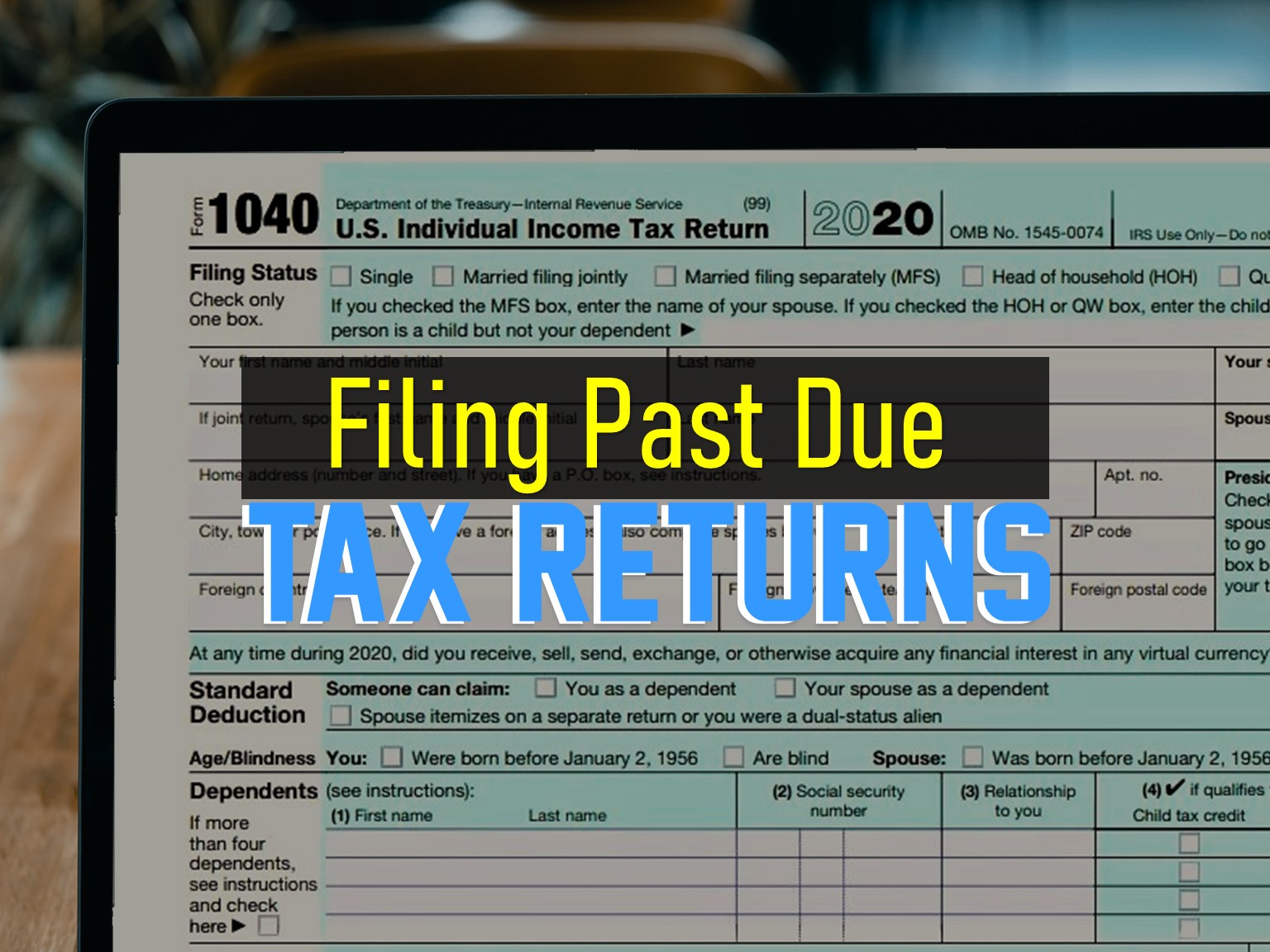
Filing back taxes requires a methodical approach to data collection. Because you are looking into the past, the biggest hurdle is often the lack of documentation.
Gathering Necessary Financial Documentation
To file accurately, you need every W-2, 1099, and 1098 form for the years in question. If you have lost these documents, do not panic. Your employers and financial institutions are required to keep these records, but there is a more efficient way to gather this data through the IRS itself.
Requesting Missing Information via IRS Transcripts
The IRS offers a “Wage and Income Transcript” for free. This document summarizes the data reported to the IRS by your employers, banks, and other payers. You can request these transcripts online through the “Get Your Tax Record” tool on the IRS website. Having these transcripts is the most effective way to ensure that your filed return matches the data the IRS already has in its system, which significantly reduces the likelihood of an audit or a rejected return.
Selecting the Correct Tax Year Forms
It is a common mistake to use current-year forms for prior-year filings. Tax laws change annually, and credits or deductions available in 2023 might not have existed in 2020. You must use the specific forms and instructions for the year you are filing. These are archived on the IRS website under the “Forms and Instructions” section. Using the wrong year’s form is an automatic grounds for the IRS to return your filing unprocessed, delaying your financial recovery.
Resolving the Debt: When Free Filing Leads to a Balance Due
In some cases, the result of filing back taxes is the realization that you owe a significant balance. While this can be daunting, filing the return is actually the first step toward debt relief. You cannot negotiate a settlement with the IRS until all required returns are filed.
Fresh Start Initiative and Installment Agreements
The IRS “Fresh Start” initiative was designed to help taxpayers and small businesses meet their tax obligations. If you owe back taxes, you can apply for an online payment agreement. If you owe less than $50,000 in combined income tax, penalties, and interest, you can often set up a monthly installment agreement for a term of up to 72 months. This turns a massive, unmanageable debt into a predictable monthly expense, much like a car payment or a personal loan.
The Offer in Compromise (OIC) Strategy
For those in dire financial straits, the Offer in Compromise (OIC) allows you to settle your tax debt for less than the full amount you owe. This is an advanced financial tool that requires a deep dive into your assets, income, and expenses. The IRS will generally approve an OIC if they believe the amount offered is the most they can expect to collect within a reasonable period. While complex, the forms (Form 656) can be completed by the taxpayer for free, though they require meticulous detail regarding personal net worth.
Penalty Abatement for First-Time Offenders
If you have a clean history for the three years prior to your non-filing streak, you may qualify for “First-Time Penalty Abatement.” This administrative waiver allows the IRS to remove certain penalties for a single tax period. For many taxpayers, this can shave hundreds or even thousands of dollars off the total balance due, making the path to financial freedom much shorter.
Building a Sustainable Financial Foundation
Filing back taxes for free is about more than just clearing a debt; it is about reclaiming your financial identity. Once you are “compliant”—meaning all returns are filed and payment arrangements are made—you regain eligibility for mortgage approvals, student loans, and even certain business licenses.
Digital Organization and Future Compliance
To avoid falling back into the cycle of unfiled taxes, implement a digital filing system. Use cloud storage to save PDF copies of every tax-related document as you receive it throughout the year. Setting up a dedicated folder for each tax year ensures that when April rolls around, you are ready to file immediately using free online tools.

Adjusting Withholdings to Avoid Future Surprises
The primary reason people fail to file is that they fear they cannot afford the tax bill. To prevent this, use the IRS Tax Withholding Estimator. By adjusting your W-4 at work, you can ensure that enough tax is taken out of your paycheck throughout the year so that you either break even or receive a small refund. This removes the “fear factor” from the filing process and ensures that you never have to deal with the burden of back taxes again.
By utilizing free government resources, leveraging IRS transcripts, and taking advantage of debt resolution programs, any taxpayer can navigate the complexities of prior-year filings. The cost of filing should never be the reason for staying out of compliance. With patience and the right financial strategy, you can settle your accounts and move forward with a clean financial slate.
aViewFromTheCave is a participant in the Amazon Services LLC Associates Program, an affiliate advertising program designed to provide a means for sites to earn advertising fees by advertising and linking to Amazon.com. Amazon, the Amazon logo, AmazonSupply, and the AmazonSupply logo are trademarks of Amazon.com, Inc. or its affiliates. As an Amazon Associate we earn affiliate commissions from qualifying purchases.