
Buying a house is a significant financial undertaking, and navigating the intricate process involves understanding a wealth of terminology. Among the most crucial terms you’ll encounter is “contingent.” A contingent offer is a standard practice in real estate transactions that provides crucial protection for both buyers and sellers. Understanding what it means, why it’s used, and the different types of contingencies can empower you to make informed decisions and mitigate risks throughout your home-buying journey.
Understanding Contingencies in Real Estate Transactions
At its core, a contingency in a real estate contract is a condition that must be met for the sale to proceed. It’s essentially an “if, then” statement written into the purchase agreement. If the specified condition is not met, the contract can be voided by the party protected by the contingency, allowing them to walk away from the deal, often with their earnest money deposit returned. For buyers, contingencies are vital safety nets, ensuring they don’t lose a substantial amount of money if unforeseen issues arise during the due diligence period. For sellers, while they might prefer a non-contingent offer, understanding contingencies is essential for pricing their home appropriately and managing expectations.
The Purpose and Importance of Contingencies
The primary purpose of contingencies is risk mitigation. They allow buyers to perform necessary inspections and secure financing without being irrevocably committed to a purchase that might prove financially unviable or physically unsound. Imagine buying a home only to discover a major structural issue or an inability to obtain a mortgage; without contingencies, you could be held liable for damages or lose your deposit.
Contingencies also foster transparency and fairness in the transaction. They create a structured process for identifying and addressing potential problems before the sale becomes final. This allows for negotiation, renegotiation, or even the termination of the deal in a way that is contractually defined and legally sound. For sellers, while they may feel a sense of uncertainty while their home is under contract with contingencies, they also benefit from the assurance that the buyer has the capacity to complete the purchase, especially if the contingencies are related to financing or appraisal.
Contingent vs. Non-Contingent Offers
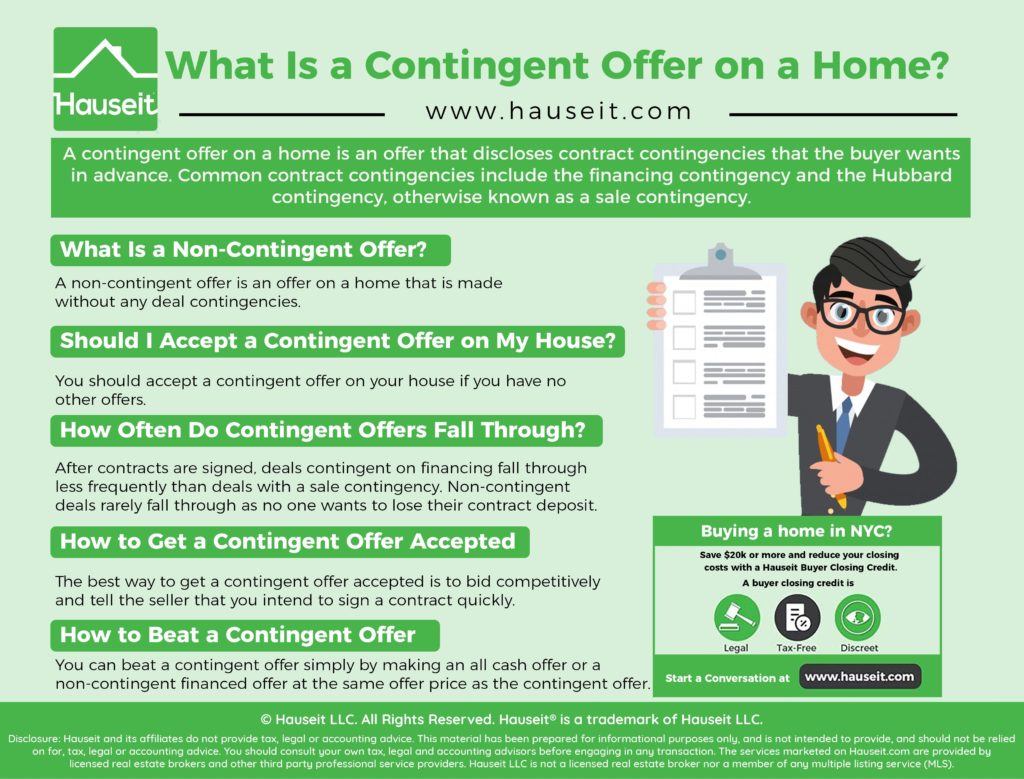
The distinction between a contingent and a non-contingent offer is critical for both buyers and sellers.
-
Contingent Offer: This is an offer to purchase a property that is dependent on certain conditions being satisfied. If these conditions are not met, the buyer typically has the right to withdraw from the agreement without penalty. This is the most common type of offer.
-
Non-Contingent Offer (or All-Cash Offer): This is an offer to purchase a property without any conditions attached. The buyer is essentially saying they are prepared to close the deal as-is, with no need for financing approval, home inspections, or other typical contingencies. These offers are highly attractive to sellers because they represent a much lower risk of the deal falling through. However, they are also riskier for buyers, as they waive many of the protections afforded by contingencies. Buyers making non-contingent offers often do so in highly competitive markets where they need to stand out, or if they have ample cash reserves and have already conducted thorough due diligence.
Common Types of Contingencies in Home Purchases
While the term “contingent” can apply to various conditions, several types of contingencies are standard in most real estate transactions. Understanding these specific contingencies will help you identify which ones are most relevant to your situation.
The Financing Contingency
This is arguably the most common and vital contingency for most buyers. The financing contingency protects the buyer by making the purchase dependent on their ability to secure a mortgage loan for the agreed-upon purchase price within a specified timeframe.
-
How it Works: The buyer submits an offer with a financing contingency. Once the offer is accepted, the buyer actively applies for a mortgage. If, despite their best efforts, they are unable to obtain loan approval (or the lender appraises the property for less than the purchase price, leading to a financing shortfall), they can terminate the contract and typically receive their earnest money deposit back.
-
Key Considerations: This contingency usually has a specific deadline, often referred to as the “financing commitment date.” It’s crucial for buyers to be proactive in their loan application process to meet this deadline. It also protects buyers from situations where the appraisal comes in lower than the offer price, as lenders typically won’t lend more than the appraised value.
The Appraisal Contingency
Closely linked to the financing contingency, the appraisal contingency ensures that the property is valued at or above the purchase price by an independent appraiser. Lenders require an appraisal to confirm the property’s worth as collateral for the loan.
-
How it Works: The appraisal contingency states that the sale is contingent upon the property appraising for at least the agreed-upon purchase price. If the appraisal comes in lower, the buyer has several options. They can:
- Negotiate with the seller: The seller might agree to lower the price to meet the appraisal value.
- Pay the difference: The buyer can choose to cover the gap between the appraised value and the purchase price with cash.
- Terminate the contract: If no agreement is reached and the buyer doesn’t want to cover the difference, they can withdraw from the sale and usually get their earnest money back.
-
Importance for Buyers: This contingency is critical because it prevents buyers from overpaying for a property and ensures that their lender will finance the purchase. It protects the buyer’s equity from the outset.
The Inspection Contingency
This contingency allows the buyer to have the property professionally inspected to identify any potential structural, mechanical, or other issues. It’s a crucial step in understanding the true condition of the home.
-
How it Works: The buyer hires a qualified home inspector to examine the property. The inspector will provide a detailed report outlining any problems, from minor cosmetic issues to major concerns like foundation problems, faulty wiring, or plumbing leaks. The inspection contingency typically has a timeframe for completion.
-
Negotiation and Renegotiation: Based on the inspection report, the buyer can:
- Proceed with the purchase: If the inspection reveals no significant issues or only minor ones that the buyer is comfortable with.
- Request repairs: The buyer can ask the seller to make specific repairs before closing.
- Ask for a credit: The buyer can request a credit from the seller at closing to cover the cost of future repairs.
- Terminate the contract: If the inspection reveals substantial problems that the seller is unwilling or unable to address, the buyer can withdraw from the deal.
-
Types of Inspections: While a general home inspection is standard, buyers might also opt for specialized inspections based on the property’s location or age, such as pest inspections, radon testing, mold inspections, or sewer scope inspections.
Other Common Contingencies

Beyond the core three, other contingencies can be included in a purchase agreement, depending on the specific circumstances of the buyer and the property.
-
Home Sale Contingency: This contingency makes the purchase of the new home dependent on the successful sale of the buyer’s current home. This is common for homeowners who need the proceeds from their current home sale to fund the purchase of their new one. However, it makes the offer less attractive to sellers, as it adds another layer of uncertainty and potential delay.
-
Title Contingency: This contingency ensures that the seller has a clear and marketable title to the property. It protects the buyer from purchasing a property with undisclosed liens, encumbrances, or ownership disputes. A title company performs a title search to identify any potential issues.
-
Survey Contingency: In some areas, a survey contingency might be included to ensure that the property boundaries are as represented and that there are no encroachments from neighboring properties.
-
Zoning Contingency: This contingency is relevant if the buyer intends to use the property for a specific purpose that might be restricted by local zoning laws, such as running a home-based business or adding an accessory dwelling unit.
Navigating the Contingent Period
Once your offer is accepted and it contains contingencies, you enter what is known as the “contingent period” or “escrow period.” This is a critical phase where all the agreed-upon conditions must be met. Your ability to effectively manage this period will significantly impact the success of your home purchase.
Your Role as the Buyer
During the contingent period, you, as the buyer, have several responsibilities. You are the one driving the fulfillment of most contingencies, especially those related to financing and inspection.
- Act Promptly: Respond quickly to requests from your lender, appraiser, and inspector. Delays on your part can jeopardize your ability to meet deadlines.
- Communicate Clearly: Maintain open and frequent communication with your real estate agent, lender, and any other professionals involved.
- Review Documents Carefully: Thoroughly read and understand all reports, disclosures, and loan documents. Don’t hesitate to ask questions.
- Make Decisions: Be prepared to make decisions regarding repairs, price adjustments, or whether to proceed with the sale based on the information you gather.
The Seller’s Role
While the buyer is primarily responsible for satisfying their contingencies, the seller also has obligations during this period.
- Provide Access: The seller must grant reasonable access to the property for inspections, appraisals, and any necessary contractor work if repairs are agreed upon.
- Disclose Information: The seller is obligated to continue disclosing any new material defects that become apparent.
- Cooperate: The seller needs to cooperate with the buyer’s lender and appraiser.
What Happens If a Contingency is Not Met?
If a contingency is not met within the specified timeframe, the contract is typically voided.
-
Buyer Protection: If the buyer is the one unable to satisfy a contingency (e.g., loan denial), they generally have the right to withdraw from the contract and receive their earnest money deposit back, provided they have acted in good faith.
-
Seller Protection: If the buyer fails to meet a contingency within the agreed-upon time and does not have a valid reason for withdrawal according to the contract, they may forfeit their earnest money deposit. Conversely, if the seller fails to meet a contingency (e.g., unable to provide clear title), the buyer can typically withdraw and recover their deposit.
Making Informed Decisions: When to Be Wary and When to Proceed
Understanding contingencies is not just about knowing the definitions; it’s about applying that knowledge to make smart decisions that protect your financial well-being.
Weighing the Risks and Benefits
- Buyer’s Perspective: Contingencies offer invaluable protection, but they can also prolong the closing process and make your offer less competitive in a seller’s market. It’s a balance between security and speed.
- Seller’s Perspective: Contingent offers are less certain. Sellers might receive multiple offers and may choose a non-contingent offer even if it’s slightly lower in price due to the reduced risk of the deal falling through.
The “As-Is” Offer and Its Implications
Sometimes, buyers might be tempted to make an “as-is” offer, which essentially waives the inspection contingency. While this can make an offer more attractive, it comes with significant risks. If you’re considering this, ensure you’ve had ample opportunity to thoroughly inspect the property yourself or have hired professionals to do so beforehand.

When to Seek Professional Advice
Navigating contingencies can be complex. Your real estate agent is your primary guide, but don’t hesitate to consult with:
- A Real Estate Attorney: For legal advice on contract terms and specific clauses.
- A Mortgage Broker or Lender: To understand your financing options and pre-approval status.
- A Home Inspector: To thoroughly assess the property’s condition.
By understanding what “contingent” means and the various contingencies involved, you are better equipped to approach the home-buying process with confidence. These conditions are not roadblocks; they are essential tools that ensure a fair, transparent, and secure transaction for everyone involved.
aViewFromTheCave is a participant in the Amazon Services LLC Associates Program, an affiliate advertising program designed to provide a means for sites to earn advertising fees by advertising and linking to Amazon.com. Amazon, the Amazon logo, AmazonSupply, and the AmazonSupply logo are trademarks of Amazon.com, Inc. or its affiliates. As an Amazon Associate we earn affiliate commissions from qualifying purchases.