
The question “what does cat spray smell like?” might, at first glance, seem purely biological, a query rooted in the practicalities of pet ownership. However, for brands operating within the pet care, home fragrance, and cleaning product industries, this olfactory question delves into a far more complex and commercially significant realm: brand perception, product efficacy, and the intricate interplay of scent marketing. The smell of cat spray is not merely an unpleasant aroma; it’s a potent signal that can impact consumer trust, drive purchasing decisions, and define the success or failure of a brand’s offerings.
Understanding the specific olfactory profile of cat spray is paramount for developing effective solutions that resonate with consumers. It’s about more than just masking an odor; it’s about developing scientifically sound, psychologically appealing, and commercially viable products that address a deeply felt consumer need. This requires a nuanced understanding of the chemical composition of cat spray, its persistence, and the consumer’s emotional and behavioral responses to it, all of which directly inform and shape brand strategy.
The Chemical Symphony of Cat Spray: A Brand’s Olfactory Battlefield
The characteristic odor of cat spray is not a monolithic entity. It’s a complex cocktail of volatile organic compounds (VOCs) that presents a significant challenge for brands aiming to offer effective odor elimination and neutralization. For brand strategists and product developers, dissecting this chemical composition is the foundational step in formulating solutions that genuinely work, thereby building brand credibility.
Understanding the Core Components: Urination vs. Marking Spray
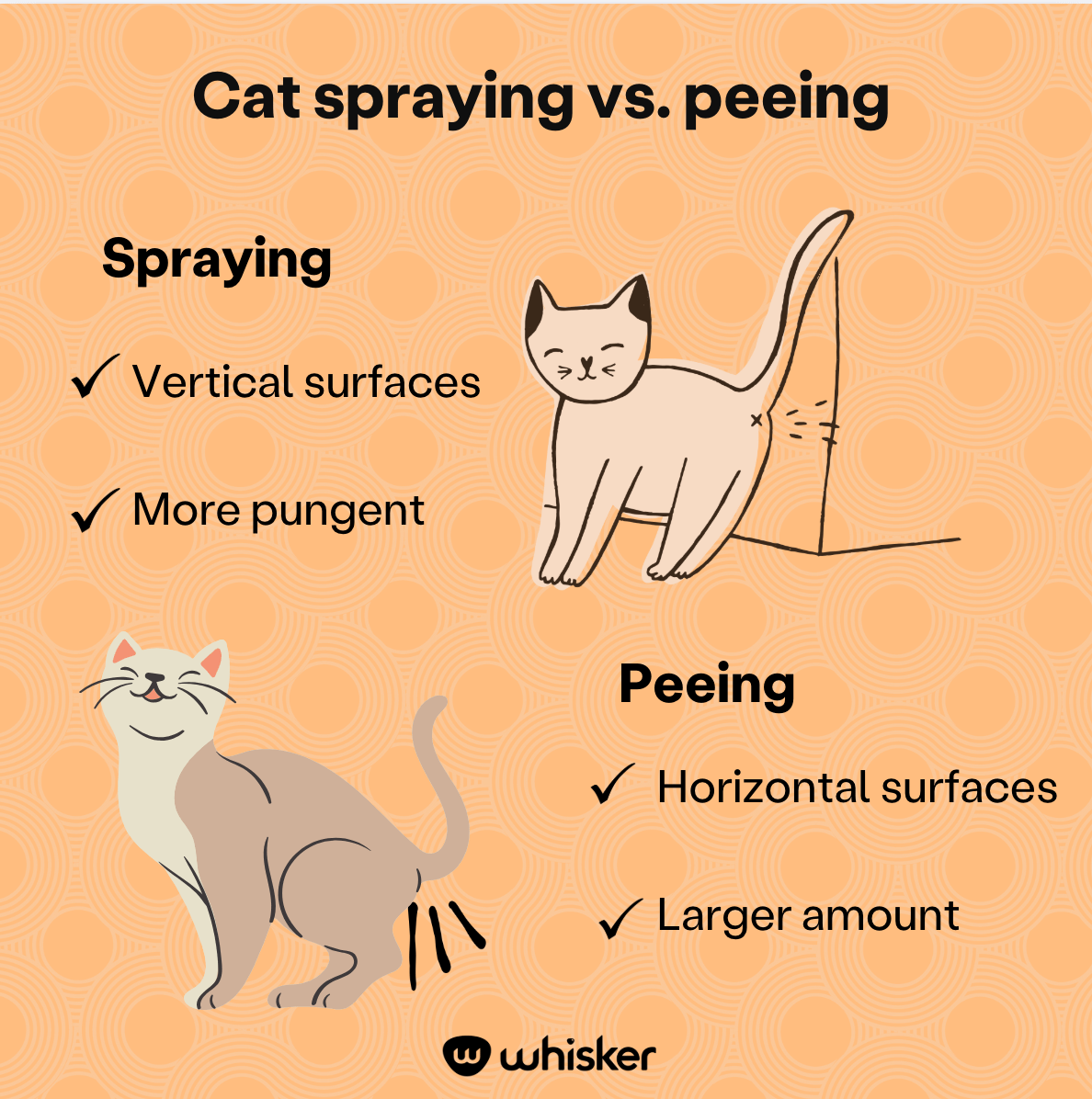
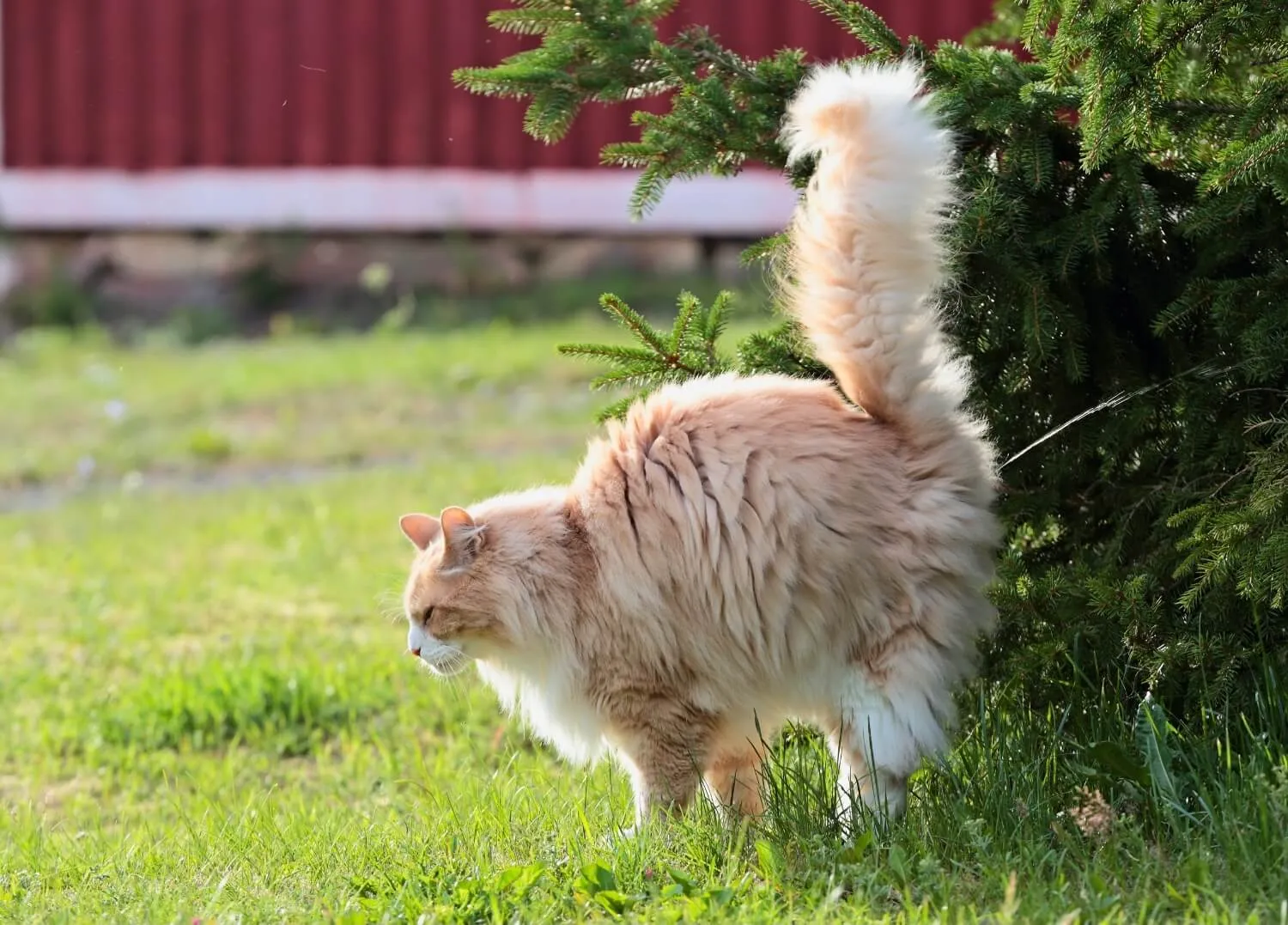
It’s crucial to differentiate between the smell of typical cat urine and the distinct, often more potent, odor associated with territorial marking spray. While both are ammonia-based, territorial spray often contains higher concentrations of thiols and other sulfur-containing compounds, which contribute to its pungent, musky, and acrid character. This distinction is vital for brands as it informs the specific active ingredients and delivery mechanisms required for effective neutralization.
- Urine: Primarily composed of urea, which breaks down into ammonia. This gives it a sharp, ammoniacal scent that intensifies over time. For brands, standard deodorizers and ammonia neutralizers can be effective.
- Territorial Spray: This adds a layer of complexity. The sulfurous compounds, particularly thiols, are responsible for the intensely unpleasant, skunk-like, or even rotten smell that is notoriously difficult to eradicate. Brands need to move beyond simple ammonia neutralization and employ technologies that can break down or encapsulate these thiols.
The Persistence Problem: A Test of Brand Endurance
One of the most frustrating aspects of cat spray for consumers is its persistence. The urine proteins, especially in territorial spray, can bind deeply into porous surfaces like carpets, upholstery, and even concrete. This makes simple surface cleaning ineffective and allows the odor to re-emerge, particularly when humidity levels rise. For brands, this persistence becomes a direct test of their product’s long-term efficacy.
- Enzymatic Breakdown: Brands that succeed in this space often leverage enzymatic cleaners. These specialized formulas contain enzymes that specifically target and break down the odor-causing organic molecules in cat spray, rather than just masking them. This is a key differentiator for brands seeking to offer a superior, long-lasting solution.
- Molecular Encapsulation: Another advanced approach involves molecular encapsulation, where odor molecules are trapped within tiny spheres, preventing them from being released into the air. This technology can offer immediate relief and a prolonged effect, enhancing the perceived value of a brand’s product.
- Absorption Technologies: Some brands utilize activated charcoal or other highly porous materials that physically absorb odor molecules. While effective, the longevity of this absorption can vary, requiring regular product reapplication, which can influence repurchase rates and overall brand loyalty.
Decoding Consumer Perception: The Emotional Resonance of Odor
The smell of cat spray is not just an objective chemical reality; it’s an intensely subjective and emotional experience for consumers. For brands, understanding these perceptions is as critical as understanding the chemistry. It dictates how consumers will react to the presence of the odor, their willingness to invest in solutions, and their ultimate satisfaction with a brand’s products.
The “Unpleasant” as a Driver for Brand Engagement
The sheer unpleasantness of cat spray odor is a powerful, albeit negative, motivator. Consumers experiencing this are actively seeking solutions, making them highly receptive to brands that can offer genuine relief. This creates a significant opportunity for brands to connect with consumers on an emotional level by promising a return to comfort, cleanliness, and a stress-free home environment.
- The Search for Sanctuary: For many pet owners, their home is a sanctuary. The presence of strong, offensive odors disrupts this sense of peace and security. Brands that effectively address this can position themselves as facilitators of domestic tranquility.
- Emotional Triggers: The smell of cat spray can evoke feelings of frustration, embarrassment (especially when guests are present), and even a sense of failure as a pet owner. Brands that acknowledge these emotions and offer empathetic solutions can build a stronger, more loyal customer base.
- Sensory Marketing: Understanding the type of unpleasantness is key. Is it sharp and ammoniacal, or is it deep, musky, and persistent? This informs the language used in marketing – “eliminates tough odors,” “neutralizes even the most stubborn smells,” – and the visual cues associated with the brand.
Beyond Elimination: The Quest for Neutralization and Re-Odoring
Consumers don’t just want cat spray odor gone; they want their home to smell good again. This is where brand strategy can elevate a product from a mere cleaner to a holistic home care solution. Simply eliminating the odor isn’t always enough; re-odoring with a pleasant, complementary scent can significantly enhance consumer satisfaction and brand perception.
- The Power of the Pleasant Counterpoint: Brands that offer effective odor neutralizers alongside pleasant, subtle fragrances are tapping into a higher tier of consumer expectation. The choice of fragrance is critical, requiring careful consideration of market trends and consumer preferences in home scents.
- Scent Blending and Harmony: For brands in the home fragrance market, understanding how to blend scents that can both neutralize and introduce a pleasant aroma without creating a clashing olfactory profile is a significant branding opportunity. This might involve sophisticated scent engineering.
- Hypoallergenic and Sensitive Options: A growing segment of consumers seeks products that are gentle on both their pets and their own respiratory systems. Brands offering hypoallergenic or fragrance-free options, while still providing effective odor control, can capture a valuable market niche.
Brand Innovation in Olfactory Defense: Strategies for Market Dominance
The challenge of cat spray odor presents a ripe opportunity for brand innovation. Companies that invest in research and development, leverage cutting-edge technologies, and communicate their value proposition effectively can establish themselves as leaders in the pet odor control market. This is where strategic branding meets scientific advancement.
Leveraging Technology for Superior Performance
The most successful brands will be those that embrace technological advancements to offer demonstrably superior performance. This not only translates to effective products but also to a compelling brand narrative built on science and innovation.
- Advanced Chemical Formulations: Investing in research to develop novel chemical compounds or synergistic blends that can break down or encapsulate odor molecules more effectively than existing solutions. This could involve proprietary formulations that become a brand’s unique selling proposition.
- Smart Delivery Systems: Innovations in product delivery, such as targeted sprays, slow-release technologies, or even connected devices that can monitor and address odor issues proactively, can differentiate a brand and command premium pricing.
- Biotechnology and Natural Solutions: As consumer demand for natural and eco-friendly products grows, brands that can harness the power of enzymes, probiotics, or plant-derived odor neutralizers will gain a significant competitive edge. This aligns with growing consumer values and can build a strong brand image around sustainability.
The Art of Communication: Building Trust Through Transparency
In a crowded market, clear and honest communication is paramount for building brand trust. Consumers are often skeptical of exaggerated claims, especially when dealing with persistent problems like cat spray odor. Brands that prioritize transparency will resonate more deeply.
- Explaining the “How”: Rather than simply stating a product “eliminates odors,” brands can build trust by explaining the underlying technology or scientific principles at play. This demystifies the product and reassures consumers of its effectiveness.
- Empathetic Storytelling: Sharing testimonials, case studies, or even relatable stories about the challenges of pet odor can create an emotional connection with consumers. This moves beyond transactional marketing to build a community around the brand.
- Clear Labeling and Usage Instructions: Providing straightforward and easy-to-understand instructions ensures consumers use the product correctly, maximizing its effectiveness and minimizing frustration. This contributes to positive user experience and brand satisfaction.

Differentiating Your Brand: From Problem Solver to Lifestyle Enhancer
Ultimately, the most impactful brands in this space transcend being mere problem solvers. They become lifestyle enhancers, offering consumers peace of mind, a more pleasant living environment, and a deeper connection with their pets. The question “what does cat spray smell like?” becomes a gateway to conversations about home well-being, responsible pet ownership, and the sophisticated art of scent management within the domestic sphere. By mastering the olfactory landscape, brands can cultivate lasting loyalty and achieve remarkable success.
aViewFromTheCave is a participant in the Amazon Services LLC Associates Program, an affiliate advertising program designed to provide a means for sites to earn advertising fees by advertising and linking to Amazon.com. Amazon, the Amazon logo, AmazonSupply, and the AmazonSupply logo are trademarks of Amazon.com, Inc. or its affiliates. As an Amazon Associate we earn affiliate commissions from qualifying purchases.