
The humble oxygen sensor, often tucked away within the intricate workings of a vehicle’s exhaust system, plays a surprisingly crucial role in modern automotive technology. While it might not boast the flashy features of a cutting-edge infotainment system or the raw power of a high-performance engine, its function is fundamental to the efficient, clean, and compliant operation of virtually every gasoline-powered vehicle on the road today. In essence, an oxygen sensor, also known as an O2 sensor or lambda sensor, is a critical diagnostic tool that communicates vital information about the air-fuel mixture within the engine. This information is then used by the engine control unit (ECU) to make precise adjustments, ensuring optimal combustion and minimizing harmful emissions.
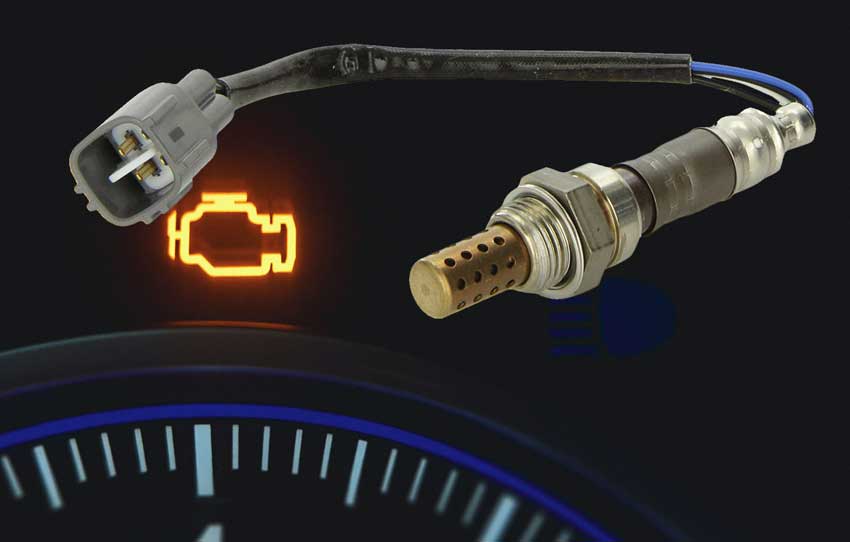
This article delves deep into the world of oxygen sensors, exploring their fundamental purpose, the underlying scientific principles that govern their operation, their integral role within the vehicle’s diagnostic system, and the evolving technologies that continue to shape their future. By understanding what an oxygen sensor does, we gain a more profound appreciation for the sophisticated engineering that underpins our daily transportation.
The Crucial Role of Air-Fuel Ratio in Combustion
The internal combustion engine, the heart of most vehicles, relies on a precise balance of fuel and air to combust efficiently and effectively. This delicate equilibrium is known as the air-fuel ratio. For gasoline engines, the ideal stoichiometric ratio, where there is just enough oxygen to completely burn all the fuel, is approximately 14.7 parts of air to 1 part of fuel by mass. Achieving and maintaining this ratio is paramount for several interconnected reasons, directly impacting performance, fuel economy, and environmental impact.
Stoichiometry: The Ideal Balance
At the stoichiometric air-fuel ratio, combustion is most complete. This means that the fuel is thoroughly broken down into its primary byproducts: carbon dioxide (CO2) and water (H2O). When the ratio is ideal, the engine achieves maximum power output from the available fuel, and the exhaust gases are relatively clean. Deviating from this ideal ratio, either by having too much fuel (rich mixture) or too much air (lean mixture), leads to a cascade of negative consequences.
The Consequences of Imbalance: Rich vs. Lean Mixtures
Rich Mixture (Excess Fuel): When there’s more fuel than the available oxygen can burn completely, the combustion process becomes inefficient. Unburnt fuel exits the exhaust, leading to decreased fuel economy and a noticeable drop in power. More importantly, a rich mixture produces higher levels of carbon monoxide (CO) and unburnt hydrocarbons (HC), both of which are significant air pollutants. This can also lead to the formation of carbon deposits on engine components, potentially causing damage over time.
Lean Mixture (Excess Air): Conversely, a lean mixture has more air than fuel. While this might seem intuitively better for fuel economy, it also presents its own set of problems. Combustion temperatures increase significantly in a lean environment, which can lead to engine overheating and potential damage to engine components like valves and pistons. Furthermore, a lean mixture can cause the catalytic converter, another critical emissions control device, to operate at temperatures outside its optimal range, reducing its effectiveness in converting harmful gases into less harmful ones. It can also lead to increased levels of nitrogen oxides (NOx), another major contributor to smog and acid rain.
Why Precise Control is Necessary
The engine control unit (ECU), the vehicle’s onboard computer, is responsible for managing the air-fuel ratio. However, the ECU cannot make informed decisions without real-time data. Factors like atmospheric pressure, temperature, engine load, and even the quality of fuel can influence the ideal air-fuel ratio at any given moment. This is where the oxygen sensor steps in, providing the essential feedback loop that allows the ECU to constantly fine-tune the mixture. Without this constant monitoring and adjustment, maintaining optimal combustion would be an impossible feat, leading to poor performance, increased emissions, and accelerated engine wear.
How Oxygen Sensors Work: The Science Behind the Measurement
Oxygen sensors are sophisticated electrochemical devices that operate by measuring the difference in oxygen concentration between the exhaust gases and the surrounding atmosphere. This measurement is then translated into an electrical voltage signal that the ECU can interpret. While there are different types of oxygen sensors, the most common and prevalent in modern vehicles is the zirconia-based sensor.
The Zirconia Element: A Solid-State Electrolyte
The core of a typical oxygen sensor is a ceramic element made of zirconium dioxide (ZrO2), also known as zirconia. This ceramic is doped with other oxides, such as yttria, to create a solid-state electrolyte. At elevated temperatures (typically above 600°F or 315°C), zirconia becomes permeable to oxygen ions (O2-). This property is fundamental to the sensor’s operation.
The Electrochemical Principle: Generating a Voltage
The zirconia element is designed with two electrodes, one exposed to the exhaust gas and the other to ambient air. A heating element is often incorporated to ensure the sensor reaches its optimal operating temperature quickly after a cold start.
When the exhaust gas and ambient air have different concentrations of oxygen, oxygen ions will migrate across the zirconia electrolyte, seeking to equalize the concentration. This movement of ions creates an electrical potential difference, or voltage, between the two electrodes.
- Rich Mixture (Low Oxygen in Exhaust): When there is less oxygen in the exhaust (indicating a rich air-fuel mixture), the concentration gradient across the zirconia is larger. This results in a higher voltage output from the sensor, typically in the range of 0.6 to 1.0 volts. The ECU interprets this high voltage as an indication that too much fuel is being injected and will reduce the fuel injector pulse width.
- Lean Mixture (High Oxygen in Exhaust): When there is more oxygen in the exhaust (indicating a lean air-fuel mixture), the concentration gradient is smaller. This results in a lower voltage output, typically in the range of 0.1 to 0.4 volts. The ECU interprets this low voltage as an indication that too little fuel is being injected and will increase the fuel injector pulse width.
- Stoichiometric Mixture: At the ideal stoichiometric ratio, the voltage output will fluctuate around a midpoint, often around 0.45 volts. The ECU constantly works to keep the sensor’s output oscillating around this midpoint, demonstrating its continuous adjustment of the air-fuel mixture.
Heater Circuit: Ensuring Optimal Performance
Most modern oxygen sensors are equipped with an internal heating element. This is crucial because the zirconia electrolyte only becomes conductive and thus functional at elevated temperatures. Without a heater, the sensor would take a significant amount of time to warm up after a cold start, during which time the engine would be operating without the benefit of precise air-fuel ratio control, leading to increased emissions. The heater allows the sensor to reach its operating temperature within seconds of ignition, enabling the ECU to begin making real-time adjustments almost immediately.
Types of Oxygen Sensors: Evolution of Technology
While the zirconia sensor remains prevalent, there have been advancements.

- Narrowband Sensors: These are the older, more basic types that produce a relatively distinct voltage change around the stoichiometric point. They are less precise than their successors.
- Wideband Sensors (Air-Fuel Ratio Sensors): These advanced sensors are capable of measuring a much wider range of air-fuel ratios with greater precision. They operate on a more complex principle involving an internal pump cell that actively tries to nullify the voltage difference. The current required by the pump cell to achieve this nullification is directly proportional to the air-fuel ratio. Wideband sensors provide much more granular data to the ECU, allowing for even finer control and improved performance, especially in high-performance or complex engine management systems. They are increasingly becoming standard on new vehicles.
The Oxygen Sensor’s Integration with the Engine Control Unit (ECU)
The oxygen sensor, in isolation, is merely a data collector. Its true power and significance lie in its seamless integration with the vehicle’s Engine Control Unit (ECU). The ECU acts as the brain of the engine, receiving data from a multitude of sensors, including the oxygen sensor, and making critical decisions to optimize performance, fuel efficiency, and emissions control.
The ECU’s Role as the Central Processor
The ECU is a complex microcomputer programmed with sophisticated algorithms. It receives real-time data from various sensors positioned throughout the vehicle. This includes:
- Mass Airflow (MAF) Sensor: Measures the amount of air entering the engine.
- Manifold Absolute Pressure (MAP) Sensor: Measures the pressure in the intake manifold.
- Throttle Position Sensor (TPS): Indicates how far the throttle pedal is being pressed.
- Engine Coolant Temperature (ECT) Sensor: Monitors the engine’s operating temperature.
- Crankshaft Position Sensor: Determines engine speed and piston position.
The ECU processes all this information simultaneously and uses the data from the oxygen sensor to make continuous, minute adjustments to the fuel injection system. It essentially creates a closed-loop system, where the oxygen sensor provides feedback, and the ECU acts upon that feedback to maintain the desired air-fuel ratio.
The Feedback Loop: From Sensor to Adjustment
The process works as follows:
- Data Acquisition: The oxygen sensor measures the oxygen content in the exhaust and generates a voltage signal.
- ECU Interpretation: The ECU receives this voltage signal. It knows what voltage corresponds to a rich mixture, a lean mixture, or an ideal stoichiometric mixture.
- Decision Making: Based on the oxygen sensor’s reading and data from other sensors, the ECU determines if the current air-fuel mixture is optimal.
- Actuation: If the mixture is not optimal, the ECU sends commands to the fuel injectors. It will either:
- Shorten the injector pulse width: To reduce the amount of fuel injected, if the mixture is too rich.
- Lengthen the injector pulse width: To increase the amount of fuel injected, if the mixture is too lean.
- Continuous Cycle: This entire process happens hundreds or even thousands of times per minute, creating a dynamic and constantly adjusting system. This closed-loop control is the primary reason why modern vehicles can achieve such high levels of fuel efficiency and low emissions.
Impact on Emissions Control and Catalytic Converter Efficiency
The precise air-fuel ratio managed by the oxygen sensor and ECU is absolutely vital for the proper functioning of the catalytic converter. The catalytic converter is a crucial component in the exhaust system designed to reduce harmful pollutants. It utilizes precious metals like platinum, palladium, and rhodium to chemically convert three main harmful emissions into less harmful substances:
- Carbon Monoxide (CO) is converted into Carbon Dioxide (CO2).
- Unburnt Hydrocarbons (HC) are converted into Carbon Dioxide (CO2) and Water (H2O).
- Nitrogen Oxides (NOx) are converted into Nitrogen (N2) and Oxygen (O2).
For the catalytic converter to perform these chemical reactions efficiently, it requires the exhaust gases to be within a specific temperature range and composition. The oxygen sensor’s role in maintaining the near-stoichiometric air-fuel ratio ensures that the exhaust gas composition is ideal for the catalytic converter to operate at its peak efficiency. If the air-fuel mixture is consistently too rich or too lean, the catalytic converter will be unable to effectively perform its function, leading to a significant increase in harmful emissions and potentially triggering a check engine light.
Troubleshooting and Maintenance: Recognizing the Signs of a Failing Sensor
While oxygen sensors are designed for longevity, they are not impervious to failure. Over time, they can become contaminated by exhaust byproducts, carbon deposits, or even coolant leaks, diminishing their accuracy and eventually leading to a complete malfunction. Recognizing the symptoms of a failing oxygen sensor is crucial for timely diagnosis and repair, preventing further damage and ensuring your vehicle continues to operate efficiently and cleanly.
Common Symptoms of a Failing Oxygen Sensor
A failing oxygen sensor can manifest itself in a variety of ways, often subtly at first, but progressively worsening. Some of the most common indicators include:
- Illuminated Check Engine Light: This is the most common and direct indicator. The ECU detects that the oxygen sensor’s readings are out of expected parameters or that the sensor is no longer responding, and it triggers the check engine light on the dashboard. Diagnostic trouble codes (DTCs) stored in the ECU will often point towards an oxygen sensor issue.
- Reduced Fuel Economy: As discussed, the oxygen sensor’s primary role is to optimize the air-fuel ratio for efficiency. When it malfunctions, the ECU can no longer make precise adjustments, leading to either a consistently rich or lean mixture, both of which result in increased fuel consumption.
- Rough Idling or Stalling: An incorrect air-fuel mixture can cause the engine to run unevenly, leading to noticeable vibrations at idle, hesitation during acceleration, or even stalling.
- Poor Engine Performance: A lack of power, sluggish acceleration, and hesitation are common complaints when an oxygen sensor is not functioning correctly, as the engine is not operating at its optimal power band.
- Emissions Test Failure: A malfunctioning oxygen sensor will directly impact the vehicle’s ability to meet emissions standards. During an emissions test, the exhaust gas composition will be out of compliance, leading to a failed inspection.
- Smell of Rotten Eggs: While not exclusively an oxygen sensor issue, a sulfurous smell from the exhaust can indicate that the catalytic converter is overheating or malfunctioning, often a consequence of a failing oxygen sensor not providing the correct air-fuel mixture.
Diagnostic Procedures and Testing
Diagnosing a faulty oxygen sensor typically involves a combination of visual inspection and specialized tools.
- Visual Inspection: Mechanics will often visually inspect the sensor and its wiring harness for any signs of physical damage, corrosion, or contamination. The exhaust system itself will also be checked for leaks, as leaks before the sensor can skew its readings.
- OBD-II Scanner: The first step in diagnosing is typically using an OBD-II scanner to retrieve any stored diagnostic trouble codes (DTCs) from the ECU. Codes related to oxygen sensors (e.g., P0130-P0167 series) will provide a strong indication of the problem.
- Live Data Analysis: Modern scanners can display live data from the oxygen sensor in real-time. A technician can monitor the voltage output of the sensor as the engine runs and observe its response to changes in air-fuel mixture. A healthy sensor will show a fluctuating voltage pattern, rapidly switching between low and high values, especially when the engine is at operating temperature. A stuck or slow sensor will exhibit abnormal patterns.
- Ohm Testing: The resistance of the heater element within the sensor can be tested to ensure it is within the manufacturer’s specifications.
- Oscilloscope: For more in-depth analysis, an oscilloscope can be used to view the oxygen sensor’s waveform with greater detail, allowing for precise identification of responsiveness and signal integrity issues.
Replacement and Longevity Considerations
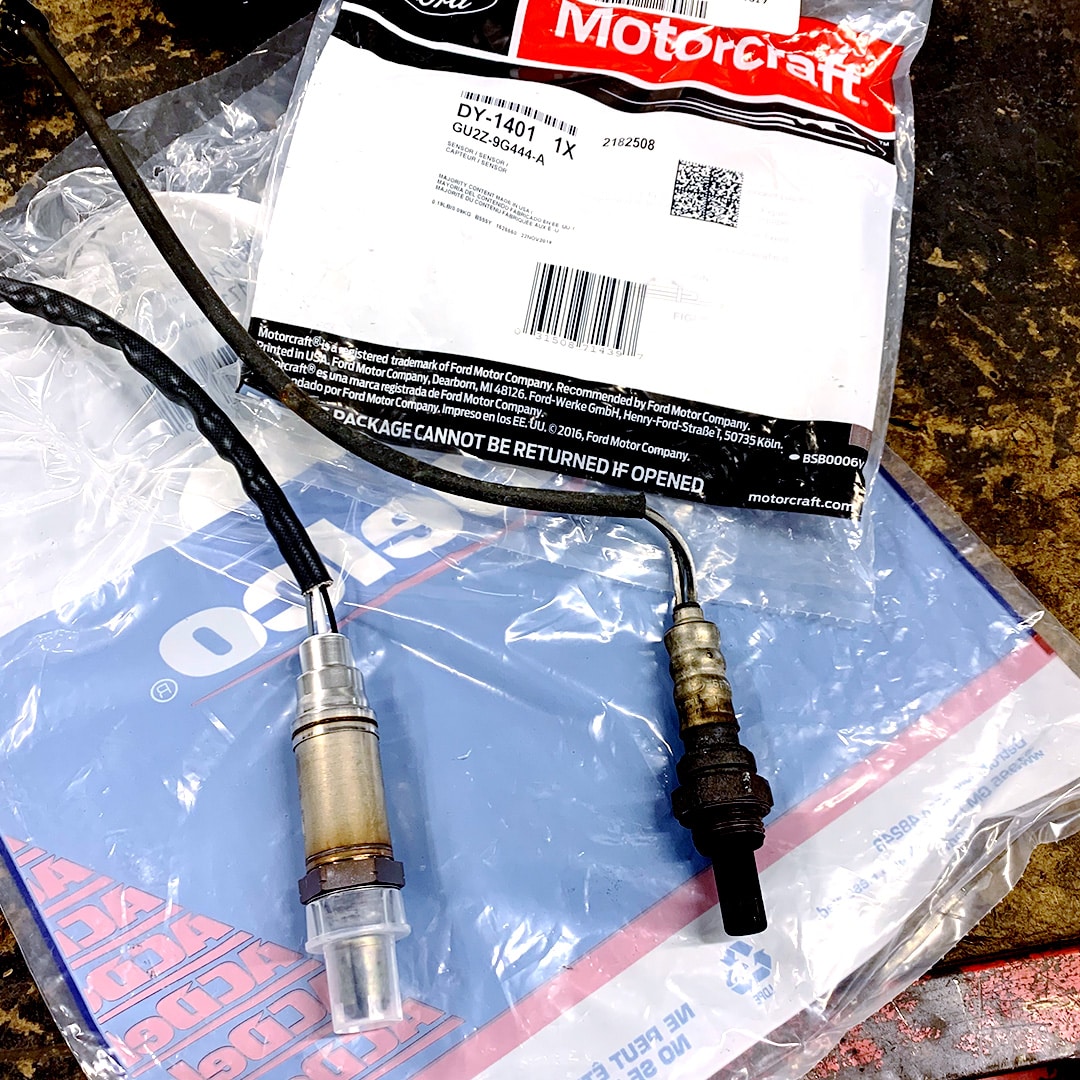
Oxygen sensors are considered wear-and-tear items, though their lifespan can vary significantly depending on driving conditions, fuel quality, and the specific sensor’s design. Generally, they are recommended for replacement at intervals recommended by the vehicle manufacturer, often between 60,000 and 100,000 miles. However, if symptoms of failure are present, or if an emissions test is failed, prompt replacement is advised.
When replacing an oxygen sensor, it is crucial to use a high-quality, direct-fit replacement part from a reputable manufacturer. Using generic or incompatible sensors can lead to inaccurate readings, further driveability issues, and potential damage to the ECU. Proper installation is also key, ensuring the sensor is tightened to the correct torque specification and that the wiring harness is securely connected. Regular maintenance, such as ensuring your engine is running optimally and using quality fuel, can help extend the life of your oxygen sensors.
aViewFromTheCave is a participant in the Amazon Services LLC Associates Program, an affiliate advertising program designed to provide a means for sites to earn advertising fees by advertising and linking to Amazon.com. Amazon, the Amazon logo, AmazonSupply, and the AmazonSupply logo are trademarks of Amazon.com, Inc. or its affiliates. As an Amazon Associate we earn affiliate commissions from qualifying purchases.