
The evolution of human communication has always been tethered to the tools we use to facilitate it. From the printing press to the telegraph, and from the desktop computer to the smartphone, every technological leap has reshaped the way we convey meaning. Perhaps no modern symbol exemplifies the intersection of linguistics, technology, and platform governance more than the eggplant emoji ( ). While it began as a simple representation of a vegetable (Solanum melongena) in the Unicode Standard, it has transformed into a complex case study in digital semiotics, algorithmic moderation, and the technical challenges of managing human expression at scale.

Understanding what the eggplant emoji represents requires looking past its literal meaning and examining the technological infrastructure that allows it to exist, the data science that tracks its usage, and the artificial intelligence systems designed to police it.
The Architecture of Digital Symbols: From Unicode to Cross-Platform UI
At its core, the eggplant emoji is not an image; it is a point of data. To understand its existence, one must look at the Unicode Consortium, the non-profit organization that maintains the international standard for characters and text.
The Role of the Unicode Consortium
The eggplant emoji was officially added to Unicode 6.0 in 2010. Technically known as “U+1F346,” this hexadecimal code ensures that when you send an eggplant emoji from an iPhone in New York, a recipient using a Samsung device in Tokyo sees a recognizable vegetable rather than a broken “tofu” box (▯). This standardization is the backbone of global digital communication. It allows for interoperability across disparate operating systems, ensuring that visual language remains consistent even as hardware varies.
Cross-Platform Rendering and UI Design
While the Unicode code remains constant, the visual rendering is left to the discretion of software developers at Apple, Google, Microsoft, and Meta. This creates a technical divergence in user interface (UI) design. For instance, Apple’s rendering of the emoji is highly detailed and photographic, while Google’s Noto Color Emoji font has historically favored a flatter, more “cartoonish” aesthetic. These design choices are not merely aesthetic; they influence the psychological perception of the symbol, contributing to its eventual semantic shift in digital subcultures. The way a graphic card processes these vector files and renders them on a high-resolution OLED screen is a testament to how far mobile graphics technology has progressed.
Algorithmic Policing: The Eggplant Emoji and Content Moderation
The most fascinating aspect of the eggplant emoji from a “Tech” perspective is not its creation, but its regulation. Because the emoji became a shorthand for suggestive content, it triggered a massive response from social media platforms and their engineering teams.
Shadowbanning and Search Indexing
In 2015, Instagram (owned by Meta) made headlines by making the eggplant emoji unsearchable. From a technical standpoint, this involved modifying the platform’s search algorithm to exclude the “U+1F346” string from its indexing. While users could still post the emoji, they could not use it as a hashtag (# ) to aggregate content. This was a significant moment in the history of “shadowbanning” and demonstrated how tech companies use algorithmic filters to moderate digital behavior without outright banning specific symbols.
AI and Natural Language Processing (NLP)
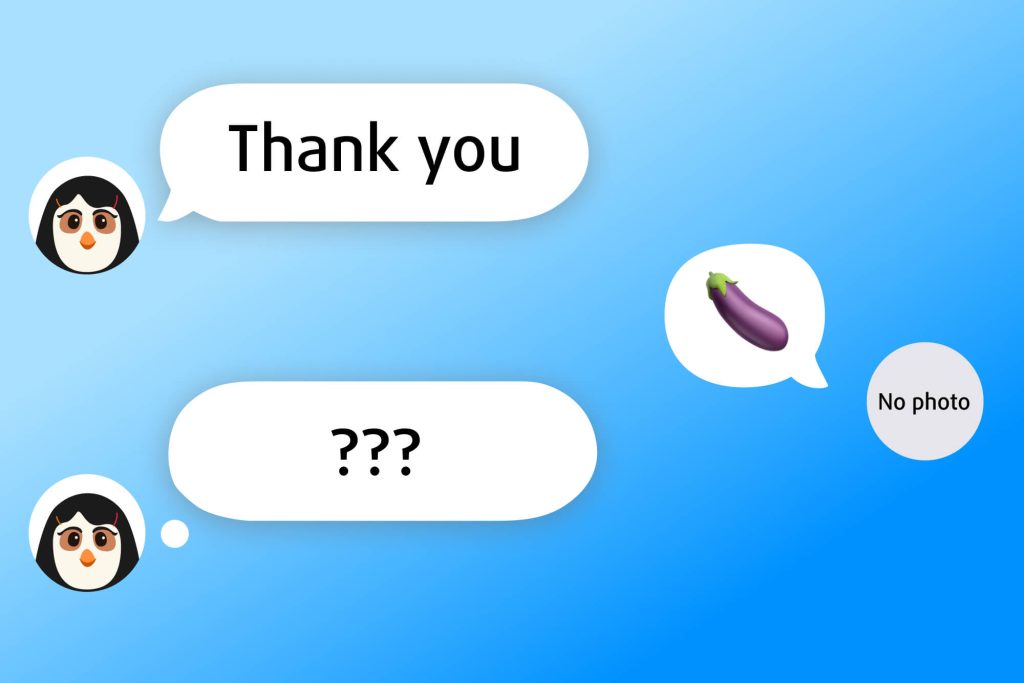
The challenge for modern Artificial Intelligence is “contextual awareness.” A computer can easily identify an eggplant emoji, but it struggles to understand intent. Is the user sharing a recipe for moussaka, or are they violating community standards regarding suggestive behavior? Modern tech platforms use Natural Language Processing (NLP) models to analyze the text surrounding an emoji. If the eggplant is paired with words like “dinner” or “garden,” the algorithm marks it as safe. If it is paired with other suggestive symbols or specific keywords, the AI might flag the post for manual review or automated removal. This represents the cutting edge of machine learning: the attempt to teach software the nuances of human slang and cultural metaphor.

The Data Science of Emojis: Mapping Human Behavior through Metadata
Emojis are more than just visual flair; they are valuable data points. For data scientists and software engineers, the eggplant emoji provides a window into the “semantic web”—a web of data that allows machines to understand the meaning of information.
Sentiment Analysis and Big Data
Tech companies use sentiment analysis tools to scrape millions of public posts to determine cultural trends. By tracking the frequency and pairing of the eggplant emoji, data analysts can map out how digital dialects evolve in real-time. This “Big Data” approach allows platforms to predict user behavior, refine their advertising algorithms, and even adjust the predictive text features on smartphone keyboards. When your phone suggests an emoji after you type a specific word, it is the result of massive datasets being processed through neural networks to determine the most likely intent of the user.
The Metadata of Visual Communication
Every time an emoji is used, it carries metadata—information about when it was sent, from which device, and in response to what content. This creates a rich map of human interaction. Engineers use this metadata to optimize server loads and improve the latency of messaging apps. Because emojis are technically more data-efficient than sending images or long strings of text, they have become a preferred method of communication in low-bandwidth environments, highlighting the efficiency of the Unicode system in the global tech ecosystem.
The Future of Visual Language in the Age of Generative AI
As we move toward a future dominated by Generative AI and the Metaverse, the eggplant emoji serves as a precursor to more complex digital symbols. We are moving away from static icons and toward dynamic, AI-generated expressions.
From Static Glyphs to Dynamic Avatars
In the tech world, the next logical step from the emoji is the “Memoji” or the animated avatar. These technologies use facial recognition and depth-sensing cameras (like Apple’s TrueDepth system) to map human expressions onto digital characters. The eggplant emoji represents the “primitive” stage of this evolution. In the coming decade, we may see the rise of “smart emojis” that change their appearance based on the biometric data of the sender, such as their heart rate or skin conductance, as measured by wearable tech.
Blockchain and Emoji Ownership
There is also an emerging intersection between digital symbols and blockchain technology. With the rise of NFTs (Non-Fungible Tokens), the idea of “owning” a specific iteration of a digital symbol has become a technical reality. While the Unicode eggplant remains free for all to use, unique, cryptographically secured versions of digital icons are being used as assets in decentralized applications (dApps). This shifts the emoji from a shared linguistic tool to a piece of digital property, governed by smart contracts and distributed ledgers.
Conclusion: The Vegetable that Redefined the Interface
The question “what does an eggplant emoji mean?” cannot be answered simply by looking at a dictionary. In the realm of technology, it is a multifaceted entity: a Unicode string, a UI challenge, a target for algorithmic moderation, and a data point for sentiment analysis.
Its journey from a simple Japanese mobile phone feature in the late 1990s to a globally recognized (and regulated) symbol of digital slang mirrors the growth of the internet itself. It highlights the tension between free human expression and the technical necessity of platform governance. As AI continues to evolve, the way we use and police these symbols will only become more sophisticated, further blurring the line between human linguistics and machine code. The eggplant emoji, in all its purple, pixelated glory, remains a testament to the power of technology to transform the most mundane objects into powerful pillars of digital culture.
aViewFromTheCave is a participant in the Amazon Services LLC Associates Program, an affiliate advertising program designed to provide a means for sites to earn advertising fees by advertising and linking to Amazon.com. Amazon, the Amazon logo, AmazonSupply, and the AmazonSupply logo are trademarks of Amazon.com, Inc. or its affiliates. As an Amazon Associate we earn affiliate commissions from qualifying purchases.