
In the world of personal finance, we often focus on the “big wins”: stock market volatility, high-yield savings accounts, and real estate appreciation. However, a significant portion of an individual’s net worth is frequently tied up in depreciating assets, most notably the automobile. While a vehicle is rarely an investment in the traditional sense of capital gains, it is a vital tool for wealth generation—it gets you to work, facilitates business, and provides mobility.
One of the most overlooked aspects of financial stewardship in vehicle ownership is the simple act of a tire rotation. To the uninitiated, it seems like a minor mechanical chore. To the savvy financial planner, it is a high-impact risk management strategy. This article explores why understanding “what a tire rotation does” is less about mechanics and more about optimizing your return on investment (ROI) and protecting your liquid capital.
The Economics of Preventive Maintenance
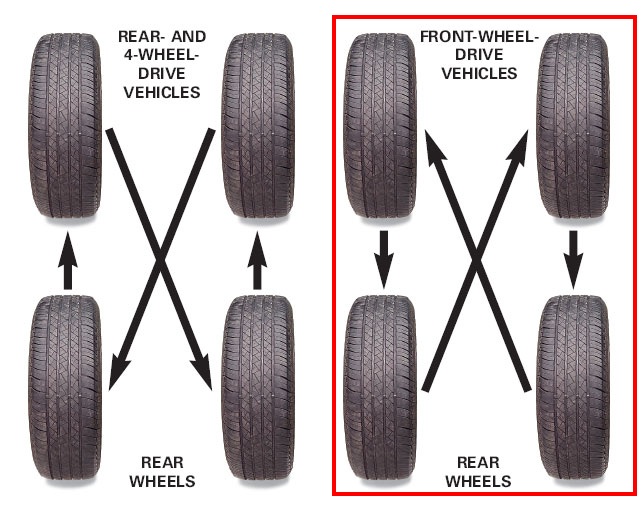
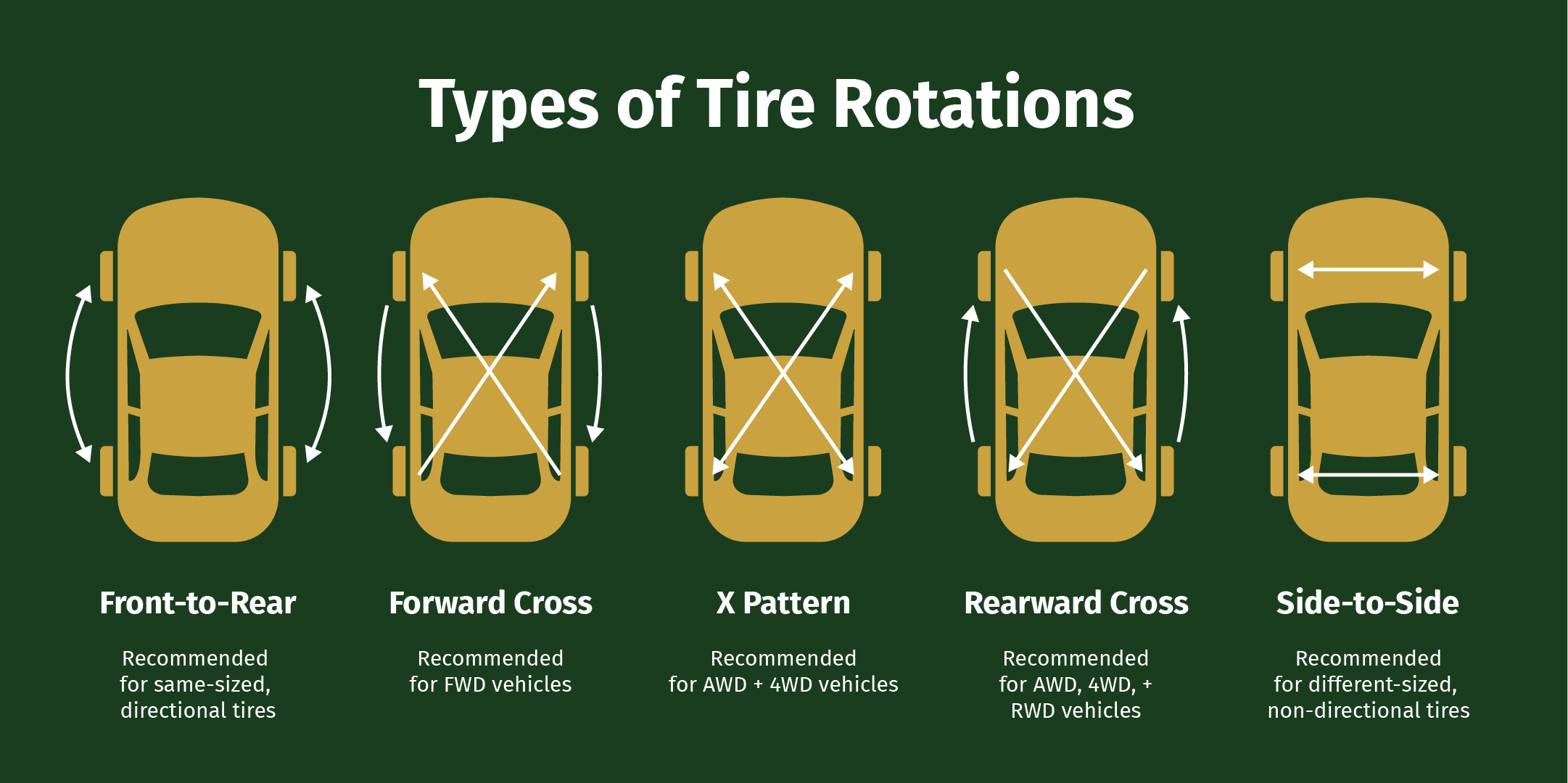
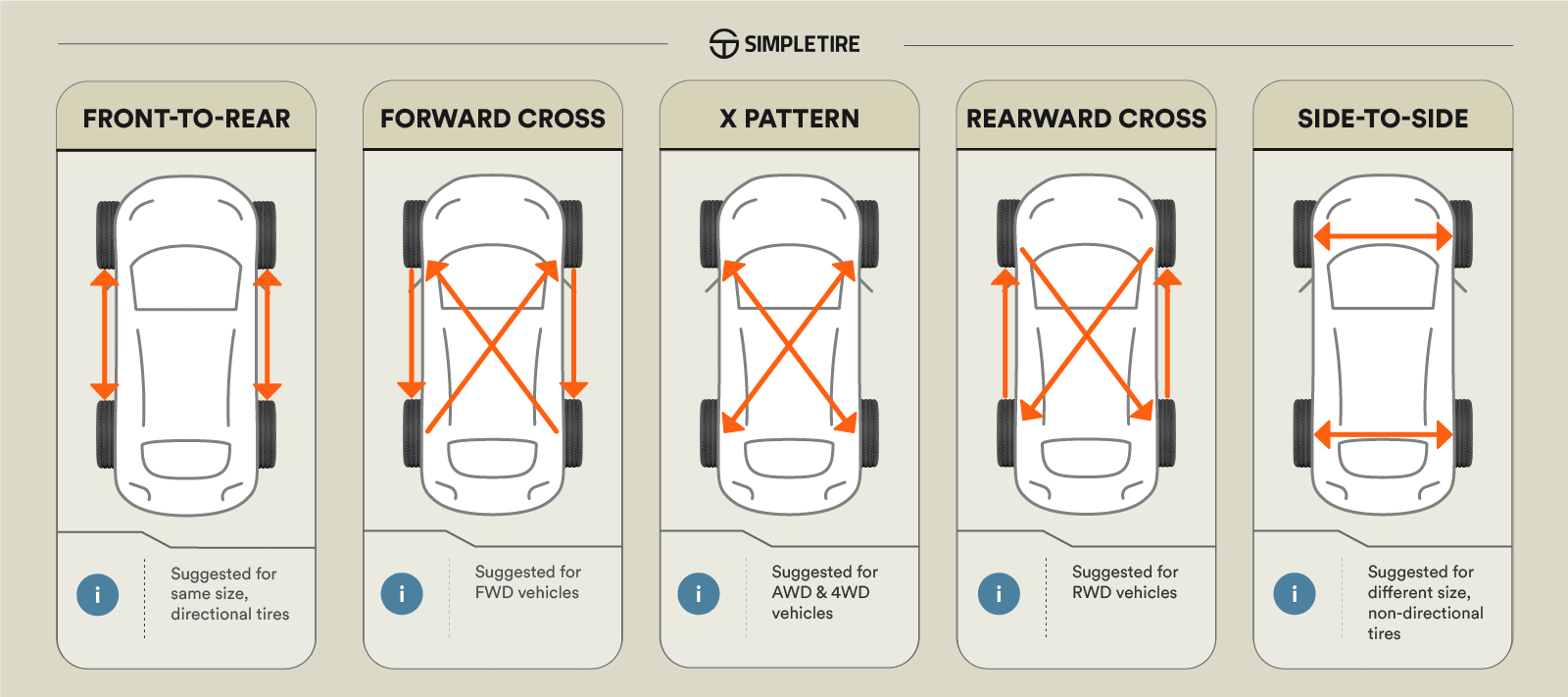
The core of any successful financial plan is the minimization of unnecessary expenses. In automotive terms, this is known as preventive maintenance. A tire rotation—the process of moving tires from one position on a vehicle to another (such as front to back or side to side)—is the cornerstone of this philosophy.
Understanding Depreciation vs. Asset Care
A vehicle begins to lose value the moment it leaves the dealership. While you cannot stop market-driven depreciation, you can control “mechanical depreciation.” When tires wear unevenly, it places undue stress on the suspension and alignment systems. By ignoring a $30 to $50 rotation service, you are effectively accelerating the depreciation of much more expensive components. In financial terms, this is akin to ignoring small fees in a brokerage account that eventually compound into significant losses.
The Cost-to-Benefit Ratio of Regular Servicing
The math behind a tire rotation is compelling. A high-quality set of tires for a modern sedan or SUV can cost anywhere from $600 to $1,200. If regular rotations (recommended every 5,000 to 7,500 miles) extend the life of those tires by just 20%, you are effectively saving hundreds of dollars over the life of the vehicle. When you compare the nominal cost of the service to the delayed capital expenditure of a new set of tires, the “yield” on that maintenance spending is far higher than almost any traditional savings vehicle.
How Tire Rotation Optimizes Your Automotive ROI
When we talk about Return on Investment in the context of a car, we are looking at the “Cost Per Mile.” Every action that lowers this metric increases your disposable income. Tire rotation is the primary lever for lowering the cost-per-mile of vehicle ownership.
Extending the Lifecycle of High-Value Components
Tires do not wear evenly by default. In most front-wheel-drive vehicles, the front tires handle the majority of the braking, steering, and power delivery, causing them to wear significantly faster than the rear tires. If left in place, the front tires will reach their “end of life” prematurely while the rear tires remain functional.
By rotating them, you equalize the wear across all four units. This ensures that you get the maximum possible mileage out of the entire set. From a cash-flow perspective, this allows you to synchronize your expenses, rather than being hit by the unexpected need to replace two tires today and another two in six months, which often leads to mismatched sets and further mechanical inefficiencies.
Fuel Efficiency and the Hidden Costs of Neglect
There is a direct correlation between tire health and fuel consumption. Unevenly worn tires increase rolling resistance. When a tire is “chopped” or has uneven tread, the engine must work harder to maintain momentum. According to the Department of Energy, properly maintained tires can improve fuel economy by up to 3%.
While 3% may seem negligible on a single tank of gas, it is a significant figure when calculated over a year of commuting. For a driver spending $3,000 annually on fuel, that 3% represents a $90 “dividend” simply for keeping the tires in optimal condition. In the world of money management, finding a “free” 3% return is a rare and valuable opportunity.
Risk Management and Financial Liability
Wealth preservation is as much about avoiding “the big loss” as it is about accumulating small gains. In the context of vehicle maintenance, the “big loss” comes in the form of catastrophic failure or legal liability.
Mitigating the High Cost of Emergency Repairs
A tire blowout at highway speeds is not just a safety hazard; it is a financial disaster. An emergency tow, an immediate (and often overpriced) replacement tire from whatever shop is closest, and potential damage to the vehicle’s rim or bodywork can easily turn a $50 maintenance task into a $1,500 emergency expense.
By performing regular rotations, technicians have a scheduled opportunity to inspect the tires for “bubbles,” dry rot, or embedded debris. This is the automotive equivalent of an annual financial audit. It allows you to catch “leaks” in your budget before they become systemic failures.
Safety as a Financial Shield: Insurance and Liability
From a legal and insurance perspective, tire maintenance is a critical component of risk mitigation. In the event of an accident, an insurance adjuster or a legal adversary may inspect the condition of your vehicle. If it is determined that the accident was caused or exacerbated by bald, unevenly worn tires that should have been maintained, you could face denied claims or increased personal liability.
Protecting your net worth requires shielding yourself from litigation. Maintaining the primary contact point between your multi-ton vehicle and the road—the tires—is a fundamental step in ensuring your insurance coverage remains robust and your personal liability remains low.
Budgeting for the Long Haul
To truly master your money, you must move away from “reactive” spending and toward “proactive” allocation. Tire rotation should not be viewed as an annoying surprise, but as a scheduled line item in your personal business plan.
Integrating Maintenance into Your Personal Finance Plan
Financial experts recommend setting aside a “Sinking Fund” for vehicle maintenance. This involves calculating your annual mileage and estimating the cost of oil changes, rotations, and brake checks. By automating a small transfer into a dedicated “Car Fund” every month, you remove the emotional friction of paying for a tire rotation. You aren’t “losing” $50; you are deploying capital that was already earmarked for asset preservation.
Resale Value: Protecting Your Exit Strategy
Eventually, most owners will want to sell or trade in their vehicle. This is the “liquidation” phase of the asset. A vehicle with a documented history of regular maintenance, including tire rotations, commands a premium on the secondary market.
Potential buyers and dealerships look at tire wear as a proxy for how the rest of the car was treated. If the tires are unevenly worn or “cupped,” it signals a neglect of the alignment and suspension. Conversely, a car with perfectly even tread across all four tires suggests a meticulous owner. This perception can lead to a higher resale price, effectively “paying you back” for every rotation you performed over the years.
Conclusion: The Wealth-Building Power of the Mundane
The answer to “what does a tire rotation do” is far more complex than simply moving rubber around a car. It is a strategic financial maneuver that stabilizes your cost-per-mile, protects your liquid cash from emergency “shocks,” and preserves the resale value of one of your largest purchases.
In the pursuit of financial independence, it is easy to get distracted by complex investment vehicles. However, true wealth is often built on the foundation of disciplined, mundane habits. By treating your vehicle as a business asset and your maintenance schedule as a series of strategic investments, you ensure that your money is working for you, rather than leaking out through the tread of a neglected tire. Tire rotation is not just mechanical maintenance; it is an essential component of a sophisticated financial life.
aViewFromTheCave is a participant in the Amazon Services LLC Associates Program, an affiliate advertising program designed to provide a means for sites to earn advertising fees by advertising and linking to Amazon.com. Amazon, the Amazon logo, AmazonSupply, and the AmazonSupply logo are trademarks of Amazon.com, Inc. or its affiliates. As an Amazon Associate we earn affiliate commissions from qualifying purchases.