
The healthcare landscape is a vast and intricate ecosystem, populated by professionals whose roles are as diverse as the patients they serve. Within this complex environment, pediatric nurses occupy a specialized and profoundly impactful niche. Far from simply administering medications and checking vital signs, pediatric nurses are multifaceted caregivers, advocates, educators, and collaborators, all dedicated to the unique needs of children from infancy through adolescence. Their work is characterized by a deep understanding of child development, a compassionate approach to care, and a commitment to ensuring the well-being of young patients and their families. This article will delve into the diverse responsibilities and essential skills that define the role of a pediatric nurse, exploring their direct patient care, their crucial role in family support and education, and their integration into the broader healthcare technology ecosystem.
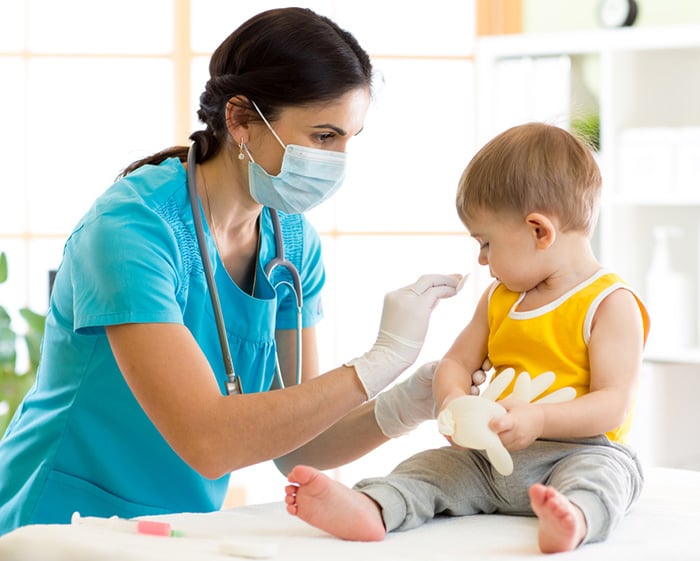
The Core of Pediatric Nursing: Direct Patient Care and Clinical Expertise
At its heart, pediatric nursing is about providing direct, hands-on care to children. This encompasses a broad spectrum of clinical responsibilities, demanding a high level of skill, adaptability, and specialized knowledge. Unlike adult care, pediatric nursing requires an understanding of how a child’s physiology and psychology change dramatically with age, from the delicate needs of a newborn to the evolving complexities of an adolescent.
Assessing and Monitoring Child Health
A fundamental aspect of a pediatric nurse’s role is the comprehensive assessment of a child’s health status. This begins with a thorough physical examination, where nurses observe everything from a baby’s skin turgor to an older child’s gait. They meticulously measure vital signs – temperature, pulse, respiration rate, and blood pressure – but with an acute awareness that normal ranges vary significantly by age. This requires a deep understanding of pediatric growth charts and developmental milestones. Beyond these objective measures, pediatric nurses are adept at interpreting subjective data. They learn to communicate effectively with children of all ages, coaxing information from shy toddlers and engaging with articulate teenagers. This involves recognizing non-verbal cues, understanding the nuances of a child’s cry, and deciphering the subtle signs of discomfort or pain that a young patient might not be able to articulate.
Regular monitoring of a child’s condition is paramount, especially for those with chronic illnesses or those recovering from surgery or acute illness. This involves continuous observation, reassessment of symptoms, and prompt reporting of any changes to the physician or advanced practice provider. Pediatric nurses are vigilant for signs of deterioration, infection, or adverse reactions to treatment, often intervening before a critical situation develops. This proactive approach is a hallmark of their expertise, ensuring timely and appropriate care delivery.
Administering Medications and Treatments with Precision
The administration of medications and treatments in pediatrics presents unique challenges. Dosing is critical and often calculated based on a child’s weight, requiring meticulous attention to detail. Pediatric nurses must be proficient in calculating dosages for various routes of administration – oral, intravenous, intramuscular, and topical – understanding the pharmacokinetic and pharmacodynamic differences in pediatric populations. They are also responsible for selecting appropriate equipment, such as specialized syringes and needles, to minimize discomfort and ensure accurate delivery.
Beyond medication, pediatric nurses administer a wide range of treatments. This can include wound care, respiratory therapy such as nebulizer treatments and suctioning, and the management of intravenous lines. They must be skilled in inserting and maintaining peripheral IVs, a task that can be particularly challenging in children due to their smaller veins. They also manage complex treatments such as chemotherapy infusions, blood transfusions, and the administration of specialized biologicals, all while maintaining strict sterile techniques and monitoring for patient response.
Providing Specialized Care for Diverse Pediatric Conditions
The scope of pediatric nursing extends to caring for children with a vast array of conditions, each requiring specific knowledge and interventions. This includes newborns with congenital anomalies, infants with feeding difficulties or respiratory distress, children with chronic illnesses like asthma, diabetes, or cystic fibrosis, and adolescents managing mental health challenges or recovering from trauma. Pediatric nurses work in various settings, from general pediatric floors to specialized units such as Neonatal Intensive Care Units (NICU), Pediatric Intensive Care Units (PICU), oncology wards, and pediatric surgery centers.
In the NICU, nurses provide critical care for premature and ill newborns, managing complex equipment like incubators and ventilators, and administering specialized nutrition. In the PICU, they care for critically ill children requiring advanced life support and continuous monitoring. On oncology units, they manage chemotherapy, address side effects, and provide emotional support to children and their families facing life-threatening illnesses. This breadth of experience demands continuous learning and adaptation to new research, treatment protocols, and technological advancements in pediatric healthcare.
The Crucial Role of Family Support and Education
Pediatric nursing is inherently family-centered. The well-being of a child is inextricably linked to the support and understanding of their family. Pediatric nurses are not only caregivers to the child but also vital sources of information, comfort, and empowerment for parents and guardians. Their role in education and emotional support is as critical as their clinical interventions.
Educating Parents and Guardians on Child Health and Illness
A significant portion of a pediatric nurse’s responsibility involves educating families. This education begins from the moment a child is admitted to the hospital, explaining diagnoses, treatment plans, and expected outcomes in clear, accessible language. Nurses teach parents about medication administration, wound care, feeding techniques, and any other procedures they may need to perform at home. For parents of newborns, this might include instruction on breastfeeding, safe sleep practices, and recognizing signs of common infant illnesses. For families of children with chronic conditions, ongoing education is crucial for managing their child’s health effectively in the long term.
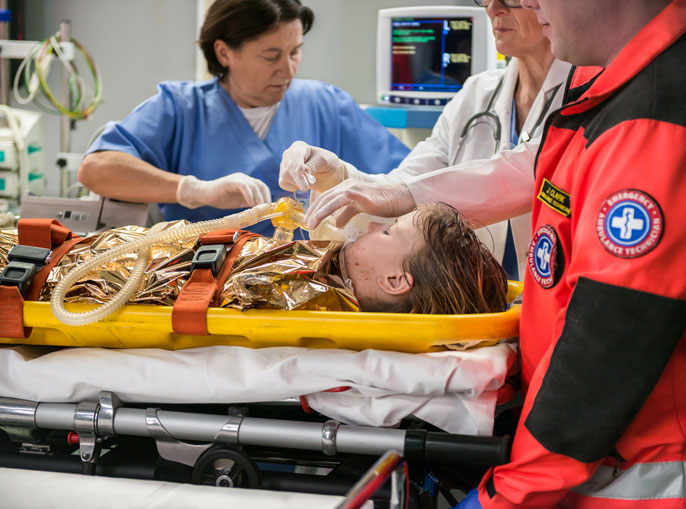
This educational role extends to preventative care and promoting healthy lifestyles. Pediatric nurses educate families on topics such as nutrition, immunizations, safety in the home and community, and the importance of regular medical check-ups. They empower families with the knowledge and skills they need to make informed decisions about their child’s health and to navigate the complexities of the healthcare system.
Providing Emotional Support and Coping Strategies
Hospitalization, illness, or injury can be incredibly stressful and frightening for both children and their families. Pediatric nurses play a vital role in providing emotional support, creating a safe and comforting environment, and helping families cope with the challenges they face. They understand the anxiety that parents experience when their child is ill and offer a compassionate presence, actively listening to their concerns and validating their feelings.
For children, nurses use age-appropriate language and techniques to explain procedures, reduce fear, and build trust. They employ therapeutic play, storytelling, and other diversions to help children cope with pain, anxiety, and the unfamiliarity of the hospital setting. They also recognize the emotional toll on siblings and other family members, offering support and information to help them navigate this difficult time. By fostering a strong, supportive relationship with families, pediatric nurses contribute significantly to the child’s healing process and overall well-being.
Advocating for the Child’s Best Interests
Pediatric nurses are often the most consistent advocates for their young patients. Children, especially younger ones, are unable to articulate their needs or assert their rights effectively. Pediatric nurses act as their voice, ensuring that their medical needs are met, their comfort is prioritized, and their care is delivered in a way that respects their age, developmental stage, and individual circumstances.
This advocacy can take many forms. It might involve ensuring that pain is adequately managed, that a child’s cultural or religious beliefs are respected, or that they receive appropriate developmental support. Nurses also advocate for families, helping them access resources, navigate insurance issues, and communicate effectively with the healthcare team. Their commitment to the child’s best interests is a foundational principle of pediatric nursing, driving their actions and ensuring that every child receives the highest quality of care.
The Technological Integration in Modern Pediatric Nursing
The field of nursing, like many others, has been significantly transformed by technological advancements. Pediatric nursing is no exception, with technology playing an increasingly integral role in enhancing patient care, improving efficiency, and expanding the reach of healthcare services. This integration requires pediatric nurses to be adaptable, digitally literate, and open to embracing new tools and platforms.
Electronic Health Records (EHRs) and Digital Documentation
The transition from paper charts to Electronic Health Records (EHRs) has revolutionized how patient information is managed. Pediatric nurses are at the forefront of this digital shift, meticulously documenting patient assessments, treatments, medication administration, and progress notes within EHR systems. This digital documentation ensures that patient data is accurate, accessible, and easily shared among the healthcare team, leading to more coordinated and informed care. EHRs also facilitate the tracking of trends over time, crucial for managing chronic pediatric conditions. Furthermore, they allow for real-time alerts for critical lab values or potential drug interactions, significantly enhancing patient safety.
The use of EHRs also supports research and quality improvement initiatives. Aggregated, anonymized data from EHRs can be analyzed to identify best practices, track outcomes, and drive innovation in pediatric healthcare. Pediatric nurses, through their accurate and timely documentation, are key contributors to this data-driven approach to improving care.
Advanced Monitoring and Diagnostic Technologies
Modern pediatric nursing relies heavily on advanced monitoring and diagnostic technologies. From sophisticated ventilators that precisely regulate breathing in critically ill infants to continuous glucose monitoring systems for children with diabetes, these technologies enable closer observation and more precise interventions. Pediatric nurses are skilled in operating and interpreting data from a wide array of devices, including pulse oximeters, electrocardiograms (ECGs), and various infusion pumps.
Diagnostic imaging, such as X-rays, CT scans, and MRIs, are essential tools in pediatric diagnosis, and nurses play a role in preparing children for these procedures, administering contrast agents, and monitoring them post-examination. They must also be comfortable with telemedicine platforms, which allow for remote consultations and monitoring, expanding access to specialized pediatric care, particularly in rural or underserved areas. This integration of technology allows for earlier detection of problems, more targeted treatments, and ultimately, better patient outcomes.

Digital Tools for Patient Engagement and Education
Beyond clinical applications, technology is increasingly being used to enhance patient engagement and education. Mobile apps and patient portals allow families to access their child’s health information, schedule appointments, and communicate with their healthcare providers. Pediatric nurses can leverage these tools to reinforce education, provide reminders for medication or appointments, and offer resources for managing chronic conditions.
Interactive educational modules and virtual reality simulations are also emerging as powerful tools for explaining complex medical information to children in an engaging and less intimidating way. For example, a child undergoing a surgical procedure might be introduced to the operating room environment through a VR simulation, helping to alleviate anxiety. Pediatric nurses are at the forefront of integrating these innovative digital tools into their practice, making healthcare more accessible, understandable, and empowering for young patients and their families. This continuous evolution of technology ensures that pediatric nursing remains a dynamic and forward-looking profession, dedicated to the health and well-being of children in the digital age.
aViewFromTheCave is a participant in the Amazon Services LLC Associates Program, an affiliate advertising program designed to provide a means for sites to earn advertising fees by advertising and linking to Amazon.com. Amazon, the Amazon logo, AmazonSupply, and the AmazonSupply logo are trademarks of Amazon.com, Inc. or its affiliates. As an Amazon Associate we earn affiliate commissions from qualifying purchases.