
Yellow, a color often associated with sunshine and joy, carries a rich tapestry of symbolic meanings that extend far beyond its natural origins. In the complex and competitive landscape of branding, understanding these symbolic nuances can be a powerful tool. Brands constantly seek to communicate specific messages, evoke particular emotions, and carve out a unique space in the consumer’s consciousness. The symbolism of yellow flowers, when strategically interpreted, offers a potent vocabulary for achieving these objectives. This exploration delves into the multifaceted meanings of yellow flowers and how they can be harnessed to shape brand identity, influence consumer perception, and foster meaningful connections.

The Spectrum of Yellow: Unpacking Core Brand Associations
The color yellow itself is a multifaceted hue, and its representation through flowers amplifies these characteristics, offering brands a diverse range of emotional and psychological associations to draw upon. From vibrant energy to cautious optimism, the subtle variations in the shade of yellow and the specific flower can significantly alter the message conveyed.
Radiance and Optimism: The Beacon of Positive Brand Energy
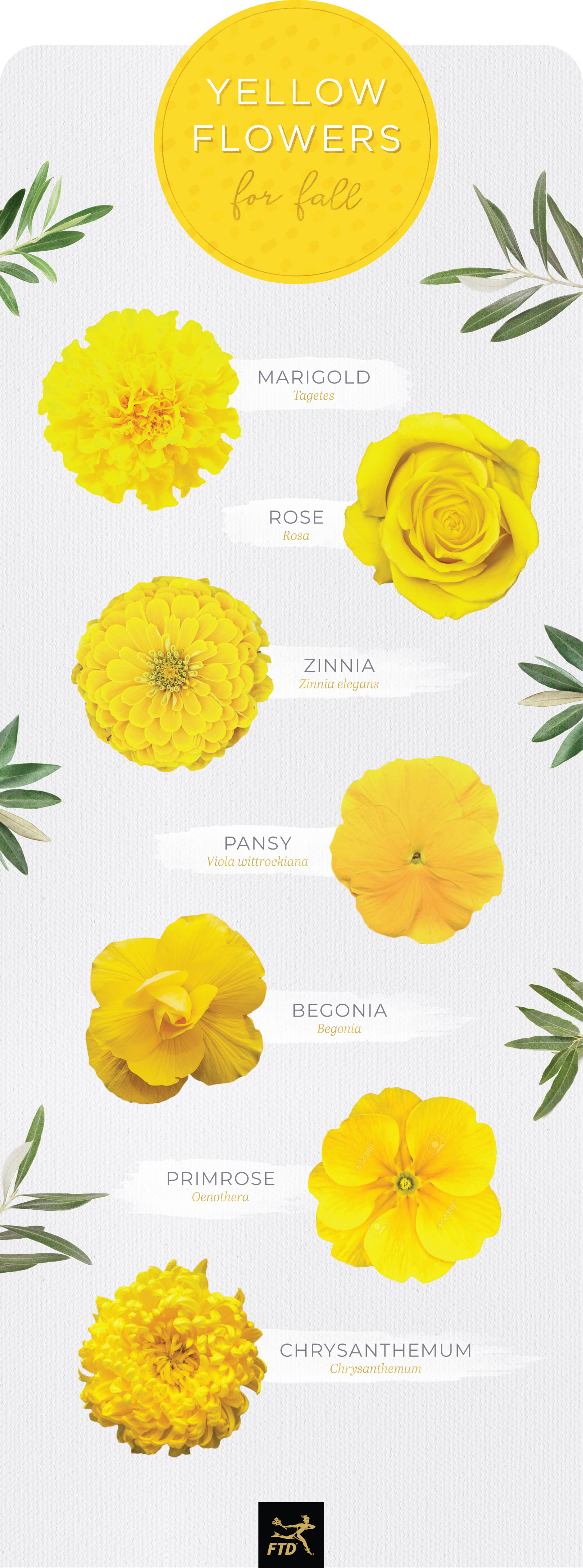
Perhaps the most immediate and widely recognized association with yellow is its connection to sunlight, warmth, and boundless optimism. Flowers like sunflowers, marigolds, and daffodils are intrinsically linked to this cheerful disposition. For brands, this translates into an aura of positivity, energy, and approachability.
- Evoking Joy and Happiness: Brands aiming to evoke feelings of happiness, excitement, and overall well-being can leverage the symbolism of bright yellow flowers. Think of brands in the entertainment sector, children’s products, or services that promise to bring joy and simplify life. A logo or marketing campaign featuring sunflowers, for instance, can instantly communicate a sense of fun and lightheartedness, making the brand feel more accessible and inviting.
- Conveying Enthusiasm and Innovation: The vibrant energy of yellow can also signify enthusiasm, creativity, and forward-thinking. This is particularly relevant for tech startups or brands that pride themselves on innovation and cutting-edge solutions. A splash of yellow can suggest a dynamic and agile brand, one that is constantly pushing boundaries and bringing fresh ideas to the table. It communicates a sense of ambition and a proactive approach to problem-solving.
- Building Approachability and Friendliness: In a crowded marketplace, approachability is a key differentiator. Yellow flowers, with their welcoming and unpretentious nature, can help brands establish a friendly and trustworthy image. This is crucial for service-oriented businesses, community platforms, or brands that prioritize customer relationships. The visual cues of yellow can create an initial sense of comfort and encourage engagement.
Friendship and New Beginnings: Cultivating Lasting Brand Relationships
Beyond immediate emotions, yellow flowers also carry significant symbolism related to companionship and fresh starts. This opens up avenues for brands to communicate loyalty, support, and growth.
- The Power of Connection: Yellow roses, in particular, are often associated with friendship and platonic love. For brands, this translates into an emphasis on building strong relationships with their customers, fostering a sense of community, and celebrating loyalty. Brands that focus on collaboration, networking, or providing support services can effectively utilize this symbolism. A brand that positions itself as a reliable partner or a facilitator of connections can resonate deeply with an audience seeking genuine engagement.
- Celebrating Milestones and Fresh Starts: The blooming of yellow flowers in spring often signifies renewal and new beginnings. This symbolism can be incredibly potent for brands launching new products, entering new markets, or undergoing a rebranding process. It suggests a period of growth, opportunity, and the shedding of old limitations. A campaign centered around yellow flowers could effectively communicate a brand’s evolution and its commitment to future success, inviting consumers to embark on this new journey with them.
- Encouraging Well-wishes and Good Fortune: In many cultures, yellow flowers are considered auspicious and are given to wish someone well. Brands that want to convey a sense of good intention, prosperity, and positive outcomes can draw upon this symbolism. This is relevant for financial institutions, educational services, or any brand that aims to contribute to the success and well-being of its audience.
Navigating the Nuances: Decoding Yellow’s Subtler Brand Messages
While the bright and bold aspects of yellow are readily apparent, the color also possesses a more nuanced and sometimes contradictory symbolism. Understanding these subtleties allows brands to fine-tune their messaging and avoid unintended interpretations.
Caution and Warning: The Strategic Use of Yellow in Brand Messaging

It’s crucial to acknowledge that yellow, while often positive, can also carry connotations of caution and even jealousy or cowardice in certain contexts. This duality requires careful consideration in brand strategy.
- Drawing Attention and Signaling Caution: In a visually cluttered world, yellow has an inherent ability to grab attention. This can be used strategically by brands to highlight important information, draw attention to calls to action, or signal areas that require a degree of careful consideration. Think of how road signs use yellow to alert drivers to potential hazards or upcoming changes. For a brand, this can be applied to promotions that have specific terms and conditions or to highlight the unique, perhaps complex, nature of a product or service.
- The Paradox of Caution: While less commonly embraced, the association of yellow with caution can, in specific branding scenarios, be leveraged. For instance, a brand focused on risk management or security might subtly employ yellow to signify vigilance and preparedness. However, this requires a delicate balance to avoid projecting an image of fear or negativity. It’s about signaling awareness and proactive measures rather than outright alarm.
- Addressing Perceptions of Jealousy and Deception: In some cultural interpretations, yellow can be linked to jealousy or deceit. Brands aiming for transparency and trust must be acutely aware of this potential negative association and actively work to counteract it through their overall brand narrative and visual language. This might involve pairing yellow with more trustworthy colors like blue or green, or ensuring their core messaging strongly emphasizes honesty and integrity.
Intellect and Creativity: Yellow as a Catalyst for Idea Generation
Beyond emotional responses, yellow also holds symbolic ties to intellect and creativity, making it a valuable asset for brands focused on knowledge, innovation, and artistic expression.
- Stimulating the Mind: The mental stimulation associated with yellow can be harnessed by brands in the education, research, or consulting sectors. It suggests a brand that fosters critical thinking, encourages learning, and sparks intellectual curiosity. The use of yellow in educational materials or the branding of a think tank can communicate an environment conducive to profound thought and discovery.
- Fueling Artistic Expression: For brands in the creative industries – design, art, music, or literature – yellow can symbolize the genesis of ideas and the vibrant spark of imagination. It represents the initial burst of inspiration that leads to groundbreaking artistic endeavors. A brand that champions creativity and innovation might use yellow to embody this spirit, attracting artists and creators who resonate with its ethos.
- Encouraging Focus and Concentration: While sometimes associated with distraction, certain shades of yellow can actually enhance focus and concentration. This is particularly true for lighter, softer yellows. Brands that offer productivity tools, organizational services, or learning platforms might incorporate these shades to subtly suggest improved mental clarity and efficiency for their users.
Strategic Application: Integrating Yellow’s Symbolism into Brand Identity
The true power of understanding yellow’s symbolism lies in its strategic application. It’s not merely about choosing a color; it’s about weaving a narrative that resonates with the target audience and reinforces the brand’s core values.
Color Psychology in Visual Branding: Logos, Palettes, and Marketing Materials
The most tangible way brands utilize symbolism is through their visual identity. Yellow flowers provide a rich inspiration for these elements.
- Logo Design: A logo is often the first point of contact a consumer has with a brand. Incorporating yellow, perhaps through a stylized flower or a subtle gradient, can instantly communicate key brand attributes. A bright yellow sunflower might be perfect for a children’s toy company, while a more muted yellow in a minimalist design could signify innovation and sophistication for a tech firm. The shape, size, and intensity of the yellow element within the logo are all critical considerations.
- Brand Color Palettes: Beyond the logo, yellow can be incorporated into the broader brand color palette. This extends to website design, packaging, marketing collateral, and even office interiors. A consistent use of yellow, whether as a primary or accent color, reinforces the brand’s message across all touchpoints. For example, a spa brand might use soft yellow alongside calming blues and greens to evoke a sense of gentle rejuvenation and natural well-being.
- Marketing Campaigns and Imagery: Visuals play a crucial role in conveying brand personality. The use of yellow flowers in photography, illustrations, or video content can create a specific emotional atmosphere. A campaign showcasing yellow tulips might evoke feelings of spring renewal and optimism, while images of yellow roses could emphasize connection and appreciation. The context in which yellow is presented is paramount; the surrounding elements and the overall narrative will shape how its symbolism is perceived.
Beyond Visuals: Incorporating Yellow Symbolism into Brand Storytelling and Messaging
Brand identity is more than just a visual aesthetic; it’s a narrative that unfolds through every interaction. Yellow’s symbolic meanings can be woven into the very fabric of a brand’s story.
- Brand Voice and Tone: A brand’s written and spoken communication should reflect its underlying symbolism. A brand that utilizes yellow for its optimistic and friendly connotations might adopt a cheerful, enthusiastic, and approachable tone in its advertisements, social media posts, and customer service interactions. Conversely, a brand using yellow to subtly signal caution might employ a more measured and informative tone.
- Product Naming and Development: The symbolism of yellow flowers can even influence product naming or the conceptualization of new offerings. A product designed to bring joy and simplify tasks might be named with a nod to sunshine or vibrancy. A service focused on fostering collaboration could draw inspiration from the friendship symbolism of yellow roses.
- Corporate Social Responsibility (CSR) Initiatives: Brands that align with the positive aspects of yellow, such as optimism, growth, and community, can powerfully connect with consumers through their CSR efforts. Supporting environmental initiatives that promote growth and renewal, or engaging in community projects that foster connection, can amplify the positive symbolism associated with yellow and strengthen the brand’s ethical standing.
In conclusion, the symbolism of yellow flowers offers a rich and versatile palette for brands. By understanding the diverse meanings associated with this vibrant hue, from radiant optimism and enduring friendship to intellectual stimulation and strategic caution, brands can craft compelling identities, forge deeper connections with their audiences, and ultimately, cultivate success in the marketplace. The key lies not just in choosing yellow, but in understanding its power and applying it with intentionality and strategic foresight.
aViewFromTheCave is a participant in the Amazon Services LLC Associates Program, an affiliate advertising program designed to provide a means for sites to earn advertising fees by advertising and linking to Amazon.com. Amazon, the Amazon logo, AmazonSupply, and the AmazonSupply logo are trademarks of Amazon.com, Inc. or its affiliates. As an Amazon Associate we earn affiliate commissions from qualifying purchases.