
The humble green ribbon, often seen adorning lapels, displayed on social media profiles, or integrated into brand logos, carries a surprising depth of meaning and historical resonance. While its most widely recognized association is with environmental awareness, the spectrum of what a green ribbon signifies is far broader, encompassing a range of social causes, health awareness campaigns, and even deeply personal expressions of support. Understanding these varied interpretations is crucial for effective communication, impactful advocacy, and discerning the intentions behind its use. This exploration delves into the multifaceted world of green ribbons, dissecting their historical context, their prominent roles in advocacy, and their evolving significance in contemporary culture, focusing specifically on their connection to Brand identity and strategy.

The Evolving Language of Symbols in Branding
In the intricate landscape of branding and corporate identity, symbols serve as potent visual shorthand, conveying complex messages and fostering immediate recognition. Ribbons, in their various colors and configurations, have long been employed as powerful mnemonic devices and emblems of affiliation. Their inherent flexibility allows them to be adapted across diverse platforms, from physical merchandise to digital marketing collateral. The green ribbon, in particular, has carved out a distinct niche within this symbolic lexicon.
From Personal Emblems to Corporate Signatures
Historically, ribbons were used to denote allegiance, honor, or affiliation. In a branding context, this translates to a company’s commitment to certain values, causes, or a specific market segment. A brand choosing to incorporate a green ribbon into its visual identity is making a deliberate statement, aiming to evoke specific emotions and associations in its target audience. This decision is not arbitrary; it is a strategic choice that reflects the brand’s overall narrative and its positioning within the competitive marketplace.
The adoption of a green ribbon can signal a brand’s commitment to sustainability and environmental responsibility. This aligns with a growing consumer preference for eco-conscious products and services. Brands that authentically champion environmental causes can leverage the green ribbon to visually communicate this ethos, fostering trust and loyalty among environmentally aware consumers. However, this association also carries the risk of “greenwashing” if the commitment is not genuine, leading to public skepticism and reputational damage. Therefore, the integration of a green ribbon must be backed by tangible actions and transparent practices.
Beyond environmentalism, the green ribbon can also represent other significant movements and awareness campaigns. Its adaptability allows brands to align with a variety of causes, provided these alignments are strategic and resonate with their core values and customer base. For instance, a health-focused brand might use a green ribbon to signify support for mental health awareness, while a children’s charity might employ it to represent hope or growth. The effectiveness of these associations hinges on the clarity of the message and the perceived authenticity of the brand’s involvement.
Crafting a Coherent Brand Narrative
The strategic use of a green ribbon requires a comprehensive understanding of brand architecture and messaging. It is not merely an aesthetic addition but a component of a larger narrative that aims to connect with consumers on an emotional and intellectual level. When a brand decides to utilize the green ribbon, it must consider how this symbol integrates with its existing visual identity, its mission statement, and its overall marketing strategy.
Brand Archetypes and the Green Ribbon: Certain brand archetypes naturally lend themselves to the symbolism of the green ribbon. Brands embodying the “Explorer” archetype, for instance, might use green to signify their connection to nature and adventure. The “Innocent” archetype could associate green with freshness, growth, and new beginnings, particularly relevant for brands targeting family or wellness markets. The “Sage” archetype might employ green to represent wisdom, balance, and a deep understanding of ecological principles. By aligning the green ribbon with a relevant archetype, brands can reinforce their core identity and resonate more deeply with their desired audience.
Color Psychology in Branding: Green, as a color, is rich with psychological associations. It is widely perceived as a color of nature, tranquility, growth, harmony, and prosperity. In branding, these connotations can be leveraged to create specific emotional responses. A brand using green might aim to evoke feelings of calmness and reliability, or conversely, a sense of vitality and renewal. The specific shade of green also plays a role; a deep forest green might suggest stability and tradition, while a brighter, more vibrant green could convey energy and innovation. The green ribbon, therefore, becomes a focal point for these color-driven emotional connections.
Building Trust and Authenticity: In today’s discerning consumer market, authenticity is paramount. Brands that use symbols like the green ribbon must demonstrate a genuine commitment to the causes they represent. This means going beyond superficial gestures and integrating sustainable practices, ethical sourcing, and community support into their operations. A brand that actively participates in environmental initiatives, supports mental health charities, or promotes ethical consumerism will find the green ribbon to be a powerful and credible symbol of their dedication. Conversely, a brand that uses the green ribbon without substantive action risks alienating consumers who value transparency and integrity. The corporate identity presented must be a true reflection of the company’s values and actions.
The Green Ribbon as a Catalyst for Cause Marketing
Cause marketing, the strategic alliance between a for-profit business and a non-profit organization or social cause, is a powerful tool for brands seeking to enhance their reputation, connect with consumers on a deeper level, and contribute to positive societal change. The green ribbon often serves as a visual anchor for these initiatives, acting as a recognizable emblem that rallies support and raises awareness.
Environmental Advocacy: The Foremost Association
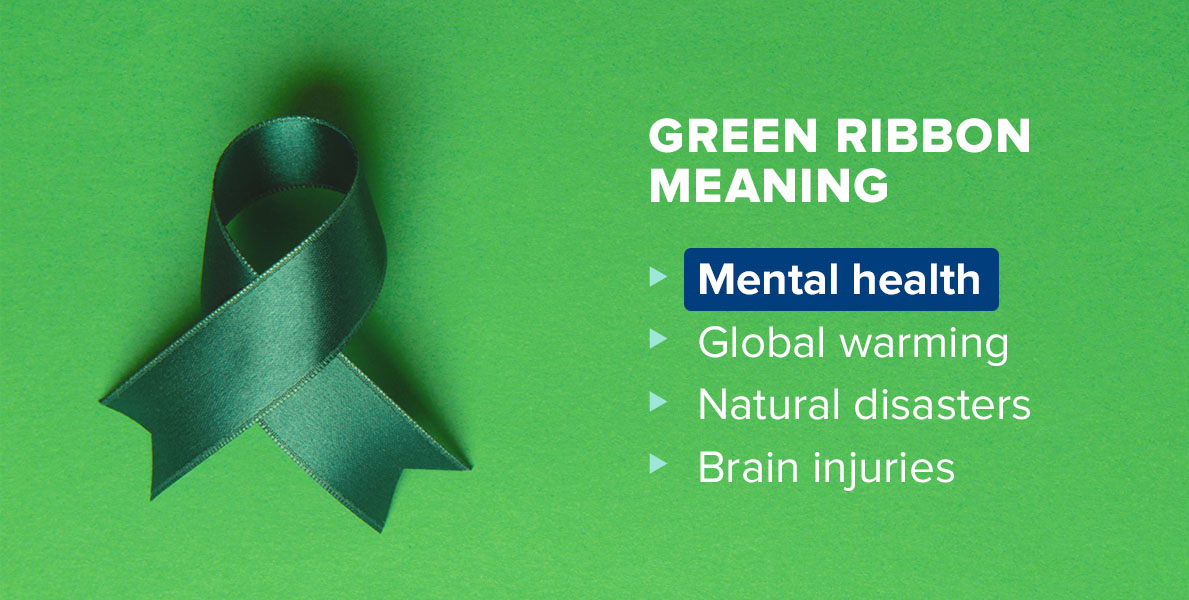
The most pervasive and globally recognized significance of the green ribbon is its strong association with environmental awareness and protection. This connection stems from the inherent symbolism of the color green, representing nature, life, and the planet. Campaigns advocating for conservation, pollution reduction, climate action, and sustainable living frequently utilize green ribbons as a visual identifier.

For brands, aligning with environmental causes through the green ribbon can be a highly effective marketing strategy. This can involve donating a portion of proceeds from products featuring the green ribbon to environmental organizations, sponsoring eco-friendly events, or launching internal sustainability initiatives that are communicated through this visual cue. The goal is to demonstrate that the brand is not just a commercial entity but a responsible steward of the environment, resonating with a growing segment of consumers who prioritize ethical consumption.
Case Studies in Environmental Branding: Numerous brands have successfully integrated the green ribbon into their environmental campaigns. Consider companies that launch special edition products during Earth Month, featuring a green ribbon prominently on their packaging and marketing materials. These campaigns often highlight specific environmental goals, such as reforestation projects or plastic reduction initiatives. The success of such initiatives lies in their authenticity and the tangible impact they achieve. For example, a beverage company might pledge to plant a tree for every bottle sold during a specific period, visually represented by a green ribbon on the product and in their advertisements. This direct link between purchase and positive environmental action empowers consumers and strengthens brand loyalty.
Expanding the Scope: Beyond Environmentalism
While environmentalism remains its most prominent association, the green ribbon has also been adopted by various other causes, often with specific meanings that may not be immediately obvious without context. This expansion of its symbolic usage underscores the adaptive nature of visual communication and the ability of a simple emblem to represent diverse humanitarian efforts.
Mental Health Awareness: In recent years, the green ribbon has gained traction as a symbol for mental health awareness and advocacy. It often signifies support for breaking down the stigma associated with mental illness and encouraging open conversations about psychological well-being. Brands in the wellness sector, healthcare providers, or companies promoting employee well-being may adopt the green ribbon to signal their commitment to mental health initiatives. This can involve partnerships with mental health organizations, employee support programs, or public awareness campaigns.
Other Health-Related Causes: Beyond mental health, the green ribbon can represent other specific health conditions or awareness campaigns. For instance, it has been used to signify support for organ donation, highlighting the life-giving potential of this altruistic act. It can also be associated with awareness for specific illnesses, though these often have more specialized or widely recognized ribbons. The key for brands is to ensure clarity and avoid confusion by explicitly stating the cause being supported alongside the visual symbol.
Personal Support and Solidarity: On an individual level, wearing a green ribbon can be a personal expression of support for a friend, family member, or colleague affected by a particular cause. It’s a quiet but powerful way to show solidarity and let others know that their struggles or advocacy are recognized and valued. For brands, understanding this personal dimension can inform how they engage with communities and support their employees’ personal connections to causes.
The Strategic Integration of Green Ribbons in Corporate Identity
For any organization, the decision to incorporate a green ribbon into its corporate identity is a strategic one that requires careful consideration of its brand positioning, target audience, and overall marketing objectives. It’s not merely a symbolic gesture but a deliberate choice that can influence public perception and build meaningful connections.
Aligning Symbolism with Brand Values
The most effective use of a green ribbon occurs when its inherent symbolism aligns seamlessly with the brand’s core values and mission. A company that genuinely prioritizes sustainability, ethical practices, and community well-being will find the green ribbon to be a natural and authentic extension of its identity. Conversely, a brand that adopts the green ribbon without a demonstrated commitment to related causes risks appearing disingenuous and damaging its credibility.
Authenticity as the Cornerstone of Brand Strategy: In an era of increased consumer skepticism, authenticity is not just a desirable trait; it’s a prerequisite for long-term brand success. When a brand uses a green ribbon, it must be prepared to back up the symbolism with tangible actions. This might involve implementing sustainable manufacturing processes, reducing carbon footprints, supporting environmental non-profits, or promoting ethical sourcing. Consumers are increasingly savvy and can discern superficial gestures from genuine commitment. Therefore, the personal branding of the company’s ethos must be intrinsically linked to the visual cues it employs.
Demonstrating Commitment Through Action: The impact of a green ribbon is amplified when it is supported by concrete initiatives. A clothing brand might launch a line of sustainable apparel, with a portion of sales contributing to environmental conservation efforts, and prominently feature the green ribbon on these products. A technology company might invest in renewable energy sources for its data centers and use the green ribbon to signify this commitment. These actions transform the ribbon from a mere symbol into a powerful testament to the brand’s values.
Targeted Campaigns and Consumer Engagement
The green ribbon can be a powerful tool for targeted marketing campaigns, designed to resonate with specific consumer segments and drive engagement. By understanding the diverse meanings associated with the green ribbon, brands can craft campaigns that speak directly to the values and interests of their target audience.
Leveraging Social Media for Awareness: Social media platforms offer a dynamic space for brands to promote their affiliations with causes symbolized by the green ribbon. Campaigns can encourage user-generated content, such as sharing photos with a green ribbon, to spread awareness and foster a sense of community. This participatory approach can significantly amplify the reach and impact of a campaign, transforming passive consumers into active advocates.
Partnerships and Collaborations: Collaborating with non-profit organizations or other like-minded brands can further enhance the credibility and reach of campaigns involving the green ribbon. These partnerships can create powerful synergies, combining the resources and expertise of multiple entities to achieve a greater impact. For instance, a brand might partner with an environmental organization for a co-branded product line, with both entities prominently displaying the green ribbon and sharing promotional efforts.
The Future of Symbolism in Branding: As the landscape of communication continues to evolve, the significance of symbols like the green ribbon will likely remain a potent force in branding. Their ability to convey complex messages concisely and evoke emotional connections makes them invaluable tools for organizations seeking to build strong, resonant brands. The key for brands will be to use these symbols thoughtfully, authentically, and with a clear understanding of their multifaceted meanings, ensuring that the green ribbon continues to signify positive impact and genuine commitment.
aViewFromTheCave is a participant in the Amazon Services LLC Associates Program, an affiliate advertising program designed to provide a means for sites to earn advertising fees by advertising and linking to Amazon.com. Amazon, the Amazon logo, AmazonSupply, and the AmazonSupply logo are trademarks of Amazon.com, Inc. or its affiliates. As an Amazon Associate we earn affiliate commissions from qualifying purchases.