
Brown, a color often associated with the earth, stability, and warmth, presents a unique challenge and opportunity when it comes to color matching, especially within the realm of branding and visual identity. While it might not possess the immediate vibrancy of primary colors or the sophistication of black and white, brown offers a rich, grounding foundation that can be leveraged to create compelling and memorable brand experiences. Its versatility allows it to convey a spectrum of messages, from rustic and natural to luxurious and chic, depending on the accompanying hues. Understanding the psychology of color and the principles of color theory is paramount to effectively integrating brown into a brand’s visual palette. This exploration delves into the strategic application of color pairings with brown, focusing on how these combinations can enhance brand perception, evoke specific emotions, and ultimately contribute to a stronger, more cohesive brand identity.

The Foundational Strength of Brown in Branding
Brown is a color that speaks to reliability, authenticity, and a connection to nature. It’s a color that doesn’t shout for attention but rather invites a sense of comfort and trust. In a world saturated with fleeting digital trends and aggressive marketing tactics, a brand that embraces brown can carve out a unique niche by projecting an image of enduring quality and genuine substance. Its inherent connection to natural materials like wood, soil, and leather lends itself to brands that emphasize sustainability, craftsmanship, and artisanal production. However, brown is not a monolithic color; it spans a wide range of shades, from deep chocolate and rich mahogany to lighter tans and earthy beiges, each offering a distinct personality and a different set of communicative possibilities. The key to unlocking its potential lies in pairing it with colors that either complement its inherent qualities or provide a strategic contrast to achieve a desired brand effect.
Understanding Brown’s Emotional Resonance and Brand Associations
The emotional impact of brown is deeply rooted in human experience. It’s a color that often evokes feelings of security, comfort, and a sense of belonging. Think of a cozy armchair, a warm mug of coffee, or the sturdy embrace of a wooden cabin. These are all positive associations that brands can leverage to build a connection with their target audience.
- Reliability and Stability: Brown is perceived as a dependable color. Brands that want to project an image of trust, longevity, and trustworthiness often find brown to be an excellent base. This is particularly relevant for industries such as finance, artisanal food production, or established institutions.
- Nature and Authenticity: For brands focused on organic products, outdoor activities, sustainability, or handcrafted goods, brown is a natural fit. It immediately signals a connection to the earth and a commitment to natural processes, enhancing the perception of authenticity.
- Warmth and Comfort: Lighter shades of brown, like tan and beige, can create a sense of warmth and invitingness. This is effective for brands in hospitality, home decor, or any sector aiming to create a welcoming atmosphere.
- Sophistication and Luxury: Deeper, richer browns, such as chocolate, espresso, or mahogany, when paired with appropriate accent colors, can convey a sense of understated luxury, elegance, and premium quality. This is often seen in high-end fashion, premium food products, or sophisticated interior design.
The Spectrum of Brown: From Deep to Light
The effectiveness of brown in branding is significantly influenced by its specific shade. Each variation carries its own nuances and lends itself to different strategic applications.
- Deep Browns (Chocolate, Espresso, Mahogany): These are strong, grounding colors that exude richness and depth. They are excellent for conveying a sense of luxury, heritage, and established authority. Brands aiming for a sophisticated, premium feel often utilize these shades.
- Medium Browns (Walnut, Tan, Camel): These are versatile and approachable colors, striking a balance between warmth and neutrality. They are excellent for creating a friendly, natural, and reliable brand image. They are often used in fashion, lifestyle, and artisanal products.
- Light Browns (Beige, Cream, Khaki): These lighter shades offer a sense of airiness, subtlety, and understated elegance. They can be used as primary brand colors or as sophisticated neutrals, providing a calm and serene backdrop. They are well-suited for minimalist brands, spa services, or brands emphasizing tranquility.
Strategic Color Pairings for Brown-Based Brands
The power of brown as a brand color is amplified through thoughtful pairings. The colors chosen to accompany brown can either reinforce its inherent qualities or introduce contrasting elements that add dynamism and intrigue. The goal is to create a palette that not only looks visually appealing but also communicates the desired brand message effectively.
Complementary and Analogous Pairings: Enhancing Natural Harmony
Analogous colors, which sit next to brown on the color wheel, can create harmonious and cohesive palettes that reinforce the natural, earthy feel of brown. Complementary colors, on the other hand, offer a more dynamic contrast that can make brown pop and highlight specific aspects of the brand.
-
Greens: Pairing brown with various shades of green is a classic and highly effective strategy. This combination immediately evokes nature, growth, and sustainability.
- Deep Forest Greens and Emeralds: These greens, when paired with darker browns, create a sense of depth, natural luxury, and heritage. Think of brands associated with forests, traditional craftsmanship, or high-end outdoor gear.
- Olive Greens and Sage: These softer greens, combined with medium or lighter browns, offer a feeling of calm, organic living, and eco-consciousness. This pairing is ideal for natural beauty products, sustainable fashion, or wellness brands.
- Mint and Emerald Greens: Lighter, brighter greens can create a more modern and refreshing contrast with lighter browns, offering a sense of clean energy and revitalization.
-
Blues: The pairing of brown and blue can create a sophisticated and trustworthy aesthetic, blending earthiness with the calmness and reliability of blue.
- Navy and Deep Blues: These darker blues, combined with richer browns, evoke a sense of stability, professionalism, and timeless elegance. This is a strong pairing for brands in finance, law, or high-quality leather goods.
- Sky Blues and Teal: Lighter blues and teals offer a refreshing contrast to brown, suggesting openness, creativity, and a connection to both land and water. This can be effective for travel brands, coastal businesses, or brands with a focus on innovation.
Contrasting Pairings: Adding Vibrancy and Sophistication
While harmonious pairings are excellent for conveying stability and naturalness, strategic contrasts can inject energy and sophistication into a brown-based brand identity. These pairings draw attention and can be used to highlight key brand elements or create a more contemporary feel.
-
Reds and Oranges: These warm colors provide a vibrant and energetic contrast to brown, evoking passion, creativity, and excitement.
- Terracotta and Burnt Orange: These earthy reds and oranges, when paired with brown, create a warm, inviting, and slightly rustic feel. This is excellent for food brands, artisanal crafts, or brands with a bohemian aesthetic.
- Deep Reds and Burgundy: These richer reds, paired with darker browns, can convey a sense of passion, luxury, and boldness. Think of premium wines, sophisticated apparel, or high-end cosmetics.
- Bright Oranges and Corals: These vibrant hues offer a lively and playful contrast to brown, suggesting energy, enthusiasm, and a youthful spirit. This can be effective for creative agencies, lifestyle brands, or businesses targeting a younger demographic.
-
Yellows and Golds: Yellows and golds can add a touch of optimism, warmth, and even luxury when paired with brown.
- Mustard Yellow and Ochre: These muted yellows, combined with brown, create a rich, earthy, and somewhat vintage feel. They are excellent for brands that value heritage, craftsmanship, or a warm, inviting atmosphere.
- Bright Yellow and Gold: Brighter yellows and rich golds can add a significant pop of energy and prestige. Gold, in particular, when paired with deep browns, instantly elevates the brand to a luxurious and opulent level, suitable for high-end jewelry, exclusive resorts, or premium spirits.
-
Pinks and Purples: These colors offer a more unexpected yet often effective contrast, adding a touch of playfulness, creativity, or even regal sophistication.
- Blush Pink and Dusty Rose: These softer pinks, paired with lighter browns, can create a delicate, feminine, and contemporary feel. This is ideal for beauty brands, wedding services, or lifestyle products aiming for a modern, gentle aesthetic.
- Deep Purples and Amethyst: These richer purples, paired with dark browns, can evoke a sense of mystery, creativity, and even royalty. This combination can be used by brands seeking to convey exclusivity, artistic expression, or a touch of the arcane.
Neutrals and Metallics: Elevating Brown’s Versatility
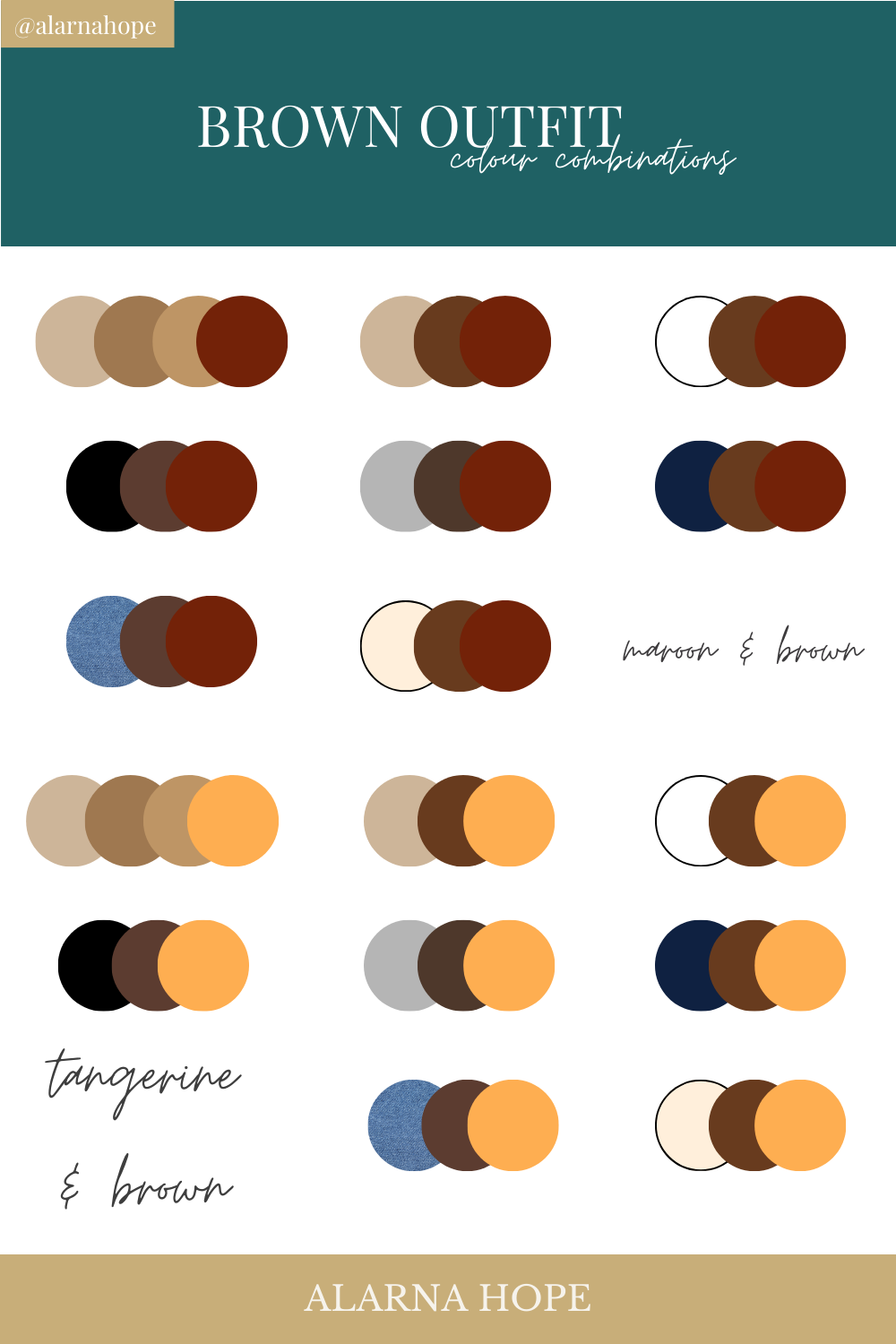
Beyond vibrant and analogous colors, pairing brown with carefully chosen neutrals and metallics can unlock even greater levels of sophistication and branding potential. These pairings offer subtle yet powerful ways to enhance the perceived value and aesthetic appeal of a brown-centric brand.
The Power of Subtle Contrasts: White, Black, and Greys
Neutrals provide a foundation that allows the nuances of brown to shine. They are essential for creating balance, readability, and a sense of modern refinement.
-
Whites and Off-Whites: Pairing brown with white or its softer variations like cream and ivory creates a clean, classic, and airy aesthetic.
- Crisp White: This pairing offers a strong contrast, making the brown appear richer and more grounded. It’s a timeless combination that conveys professionalism and purity, often seen in premium food packaging or minimalist fashion.
- Cream and Ivory: These softer whites introduce a gentler, more approachable warmth, complementing the natural comfort of brown. This is ideal for home goods, artisanal bakeries, or brands aiming for a cozy, sophisticated feel.
-
Blacks: Black provides a dramatic and sophisticated counterpoint to brown, adding a touch of modern edge and luxury.
- Deep Browns with Black: This pairing exudes an air of understated elegance and power. It’s a strong combination for brands that want to appear exclusive, mature, and highly refined, such as luxury leather goods or high-end automotive brands.
- Lighter Browns with Black: A lighter brown can be made to feel more contemporary and striking when contrasted with black, offering a balance of approachability and modern design.
-
Greys: Grey offers a sophisticated and versatile middle ground, capable of either softening or sharpening the impact of brown.
- Charcoal Grey: This dark, moody grey paired with brown creates a modern, urban, and subtly industrial feel. It’s effective for design agencies, technology firms, or brands with a contemporary, no-nonsense approach.
- Light and Medium Greys: These softer greys provide a neutral backdrop that allows different shades of brown to stand out without being overpowering. They contribute to a sense of calm, stability, and understated style, suitable for a wide range of lifestyle and service brands.
The Allure of Metallics: Adding Shine and Prestige
Metallics can transform a brown palette from earthy and grounded to luxurious and aspirational. They add a touch of glamour and sophistication, appealing to a sense of desire and exclusivity.
-
Gold: Gold is the quintessential metallic pairing with brown, immediately signifying luxury, wealth, and premium quality.
- Deep Browns and Gold: This classic combination creates an aura of opulence and grandeur. It’s often used by high-end jewelry brands, luxury hotels, or premium food and beverage companies aiming to convey prestige and timeless elegance.
- Lighter Browns and Gold: Even lighter browns can be elevated with touches of gold, adding a subtle but definite shine that hints at quality and refined taste.
-
Bronze and Copper: These warmer metallics offer a more rustic yet equally sophisticated appeal, often associated with craftsmanship and artisanal quality.
- Medium Browns and Bronze/Copper: This pairing enhances the earthy, handmade feel of brown, adding a warm, inviting glow that speaks of heritage and skilled artistry. It’s perfect for artisanal food producers, handcrafted home decor, or brands with a vintage aesthetic.
-
Silver and Platinum: While less common than gold, silver and platinum can offer a cooler, more modern metallic accent that can create a surprisingly sophisticated contrast with certain shades of brown.
- Cooler Browns and Silver: This pairing can create a sleek, contemporary, and slightly edgy look. It’s suitable for brands aiming for a modern, minimalist aesthetic with a touch of understated luxury, perhaps in fashion or design.
Implementing Brown-Based Color Palettes in Brand Design
The strategic selection of colors to pair with brown is only the first step. The true art lies in how these palettes are implemented across various brand touchpoints to create a cohesive and impactful visual identity. This involves understanding the context of use, the target audience, and the overall brand message.
Website and Digital Presence: Creating an Engaging User Experience
In the digital realm, color plays a crucial role in user engagement, navigation, and brand perception. A well-designed website that effectively utilizes brown-based palettes can create a memorable and intuitive user experience.
- Backgrounds and Textures: Lighter browns and beiges can serve as excellent, calming backgrounds for websites, reducing eye strain and creating a warm, inviting atmosphere. Darker browns can be used for headers, footers, or as strong textual elements to enhance readability. Earthy textures, such as wood grain or subtle linen patterns, can be incorporated to reinforce the natural and authentic feel.
- Call-to-Action Buttons and Key Elements: Contrasting colors are vital for guiding user attention. A vibrant accent color, such as a deep teal, a rich terracotta, or a bright gold, can be used for call-to-action buttons, important links, or highlighted information, ensuring they stand out against the brown backdrop.
- Imagery and Visuals: The choice of imagery is paramount. High-quality photographs featuring natural elements, artisanal products, or warm, inviting settings will resonate powerfully with a brown-based palette. Ensure that the colors within the imagery complement the chosen brand palette.
- Font Selection: Typography plays a significant role. Serif fonts can evoke a sense of tradition and trustworthiness, while sans-serif fonts can lend a more modern and minimalist feel. The color of the font should provide sufficient contrast against its background for optimal readability.
Marketing Collateral and Packaging: Communicating Brand Value
From brochures and business cards to product packaging, color choices directly influence how a brand is perceived by potential customers. Effective use of brown-based palettes can elevate the perceived value and communicate the brand’s essence.
- Business Cards and Stationery: A well-designed business card using a combination of brown and a complementary accent color can leave a lasting impression of professionalism and quality. For example, a dark chocolate brown card with gold foil lettering can convey luxury, while a tan card with a subtle green logo can suggest eco-friendliness.
- Brochures and Flyers: These materials offer more space for storytelling and visual appeal. A consistent use of the brand palette across design elements, typography, and imagery will reinforce brand recognition and create a cohesive narrative. Consider using different shades of brown to create depth and hierarchy within the design.
- Product Packaging: This is often the first physical interaction a consumer has with a product. Packaging that incorporates brown and its associated colors can evoke specific emotions and associations. For example, rich brown packaging for coffee or chocolate immediately signals quality and indulgence. Sustainable packaging using lighter browns and greens communicates an eco-conscious brand ethos. Metallic accents on packaging can further enhance the perception of premium quality.

Brand Identity and Logo Design: Establishing a Memorable Presence
The logo is the cornerstone of a brand’s visual identity. When brown is considered, its strategic application in logo design can create a powerful and enduring symbol.
- Logo Color Choices: The colors used in a logo are critical. A logo that incorporates brown can convey stability, naturalness, or sophistication, depending on the shade and the accompanying colors. For instance, a minimalist logo with a rich brown and a clean white can signify understated elegance.
- Brand Guidelines: Establishing clear brand guidelines that detail how the brown color palette should be used across all applications is essential. This ensures consistency and prevents brand dilution. These guidelines should specify the exact color codes (e.g., HEX, RGB, CMYK) for each shade of brown and its associated colors, as well as rules for their application in different contexts.
- Consistency Across Platforms: Whether it’s a social media profile, a physical storefront, or a digital advertisement, maintaining a consistent color palette builds brand recognition and trust. A brand that consistently utilizes its chosen brown-based colors will become instantly recognizable and memorable to its audience.
In conclusion, brown is far from a dull or uninspired color. When approached with strategic intent, it offers a rich palette of possibilities for brand designers and marketers. By understanding the emotional resonance of different brown shades and by thoughtfully pairing them with complementary, analogous, or contrasting colors, brands can create visually compelling identities that communicate authenticity, stability, warmth, and even luxury. The key lies in meticulous planning, consistent application, and a deep understanding of how color influences perception, ultimately building stronger, more memorable, and more successful brand experiences.
aViewFromTheCave is a participant in the Amazon Services LLC Associates Program, an affiliate advertising program designed to provide a means for sites to earn advertising fees by advertising and linking to Amazon.com. Amazon, the Amazon logo, AmazonSupply, and the AmazonSupply logo are trademarks of Amazon.com, Inc. or its affiliates. As an Amazon Associate we earn affiliate commissions from qualifying purchases.