
The color of your dog’s gums is a critical, yet often overlooked, indicator of their overall health. While we meticulously track their diet, exercise, and vaccinations, subtle changes in their oral tissues can signal underlying issues that, if left unaddressed, can lead to serious health complications. This guide delves into the nuances of canine gum color, providing pet parents with the knowledge to recognize what’s normal, what’s concerning, and when to seek professional veterinary advice. Understanding these vital signs empowers you to be a more proactive advocate for your furry companion’s well-being, ultimately contributing to a longer, healthier, and happier life together.

Understanding Normal Canine Gum Color
The baseline for healthy canine gums is typically a salmon pink. This shade signifies adequate blood flow and oxygenation to the tissues, a hallmark of a well-functioning circulatory system. However, it’s important to acknowledge that variations can exist, and what appears “normal” can be influenced by several factors.
The Spectrum of Healthy Pink
While salmon pink is the ideal, some dogs may naturally exhibit gums that are slightly lighter or darker within a healthy pink spectrum. This can be due to:
- Breed Predispositions: Certain breeds are genetically predisposed to have pigmentation in their gums. For example, breeds like Chow Chows, Shar-Peis, and some Bulldogs can have black or blue spots, or even entirely pigmented gums. In these cases, the pigmentation is a normal genetic trait and not indicative of poor health. It’s crucial to establish your dog’s baseline and differentiate between healthy pigmentation and abnormal coloration.
- Individual Variation: Just like humans have different skin tones, dogs have their own unique variations. A dog with a lighter coat might have lighter pink gums, while a dog with a darker coat might have slightly darker pink gums. The key is to observe consistency and any sudden changes.
The Importance of the Capillary Refill Time (CRT) Test
Beyond the visual hue, a simple yet effective test can provide further insight into your dog’s circulation and hydration levels. The Capillary Refill Time (CRT) test measures how quickly blood returns to the gums after gentle pressure is applied.
-
How to Perform the CRT Test:
- Gently lift your dog’s upper lip to expose their gums.
- Using your index finger, press firmly but gently on the gum tissue for a few seconds. This will temporarily blanch the area, turning it white.
- Release the pressure and observe how quickly the pink color returns to the blanched spot.
-
Interpreting the Results:
- Normal: The pink color should return within 1 to 2 seconds. This indicates good blood circulation.
- Concerning: If the color takes longer than 2 seconds to return, it could signal poor circulation, dehydration, or other underlying health issues such as shock, anemia, or heart problems. Prompt veterinary attention is crucial if you observe a prolonged CRT.
Recognizing Abnormal Gum Colors and Their Potential Causes
While a healthy salmon pink is the goal, any deviation from this can be a red flag. Understanding these abnormal colors and their associated conditions is vital for timely intervention.
Pale or White Gums
Pale or white gums are one of the most alarming signs and often indicate a severe health problem. This coloration suggests a significant reduction in red blood cells or blood flow to the gums.
- Anemia: This is a condition where the body lacks sufficient healthy red blood cells to carry adequate oxygen to the body’s tissues. Anemia can be caused by various factors, including:
- Blood Loss: Internal bleeding from injuries, gastrointestinal parasites (like hookworms), ulcers, or even tumors can lead to significant blood loss and subsequent anemia.
- Nutritional Deficiencies: While less common in well-fed dogs, deficiencies in iron or vitamin B12 can contribute to anemia.
- Chronic Diseases: Kidney disease, certain cancers, and autoimmune disorders can also impair red blood cell production.
- Immune-Mediated Hemolytic Anemia (IMHA): This is a serious condition where the dog’s immune system attacks and destroys its own red blood cells.
- Shock: In a state of shock, the body diverts blood flow away from the extremities and non-essential organs to vital ones. This can result in pale or white gums, accompanied by other symptoms like rapid breathing, weak pulse, and lethargy. Shock can be caused by trauma, severe illness, allergic reactions, or heatstroke.
- Hypothermia: Extreme cold can lead to reduced blood flow to the extremities, causing gums to appear pale or even bluish.
Bright Red Gums
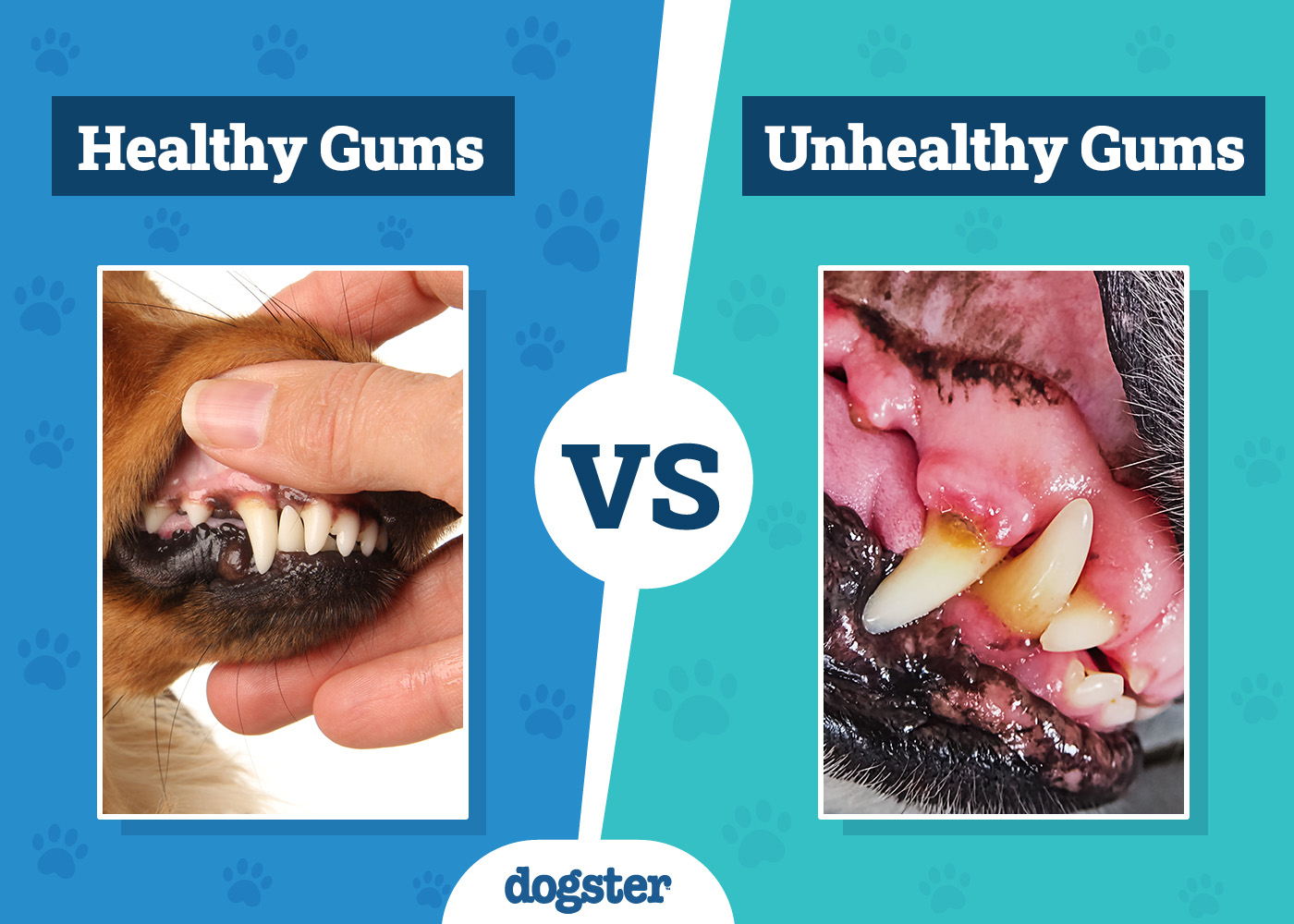
While it might seem like a sign of good health, excessively bright red gums can also be a cause for concern. This indicates an abnormal increase in blood flow to the gums, often a sign of inflammation or irritation.
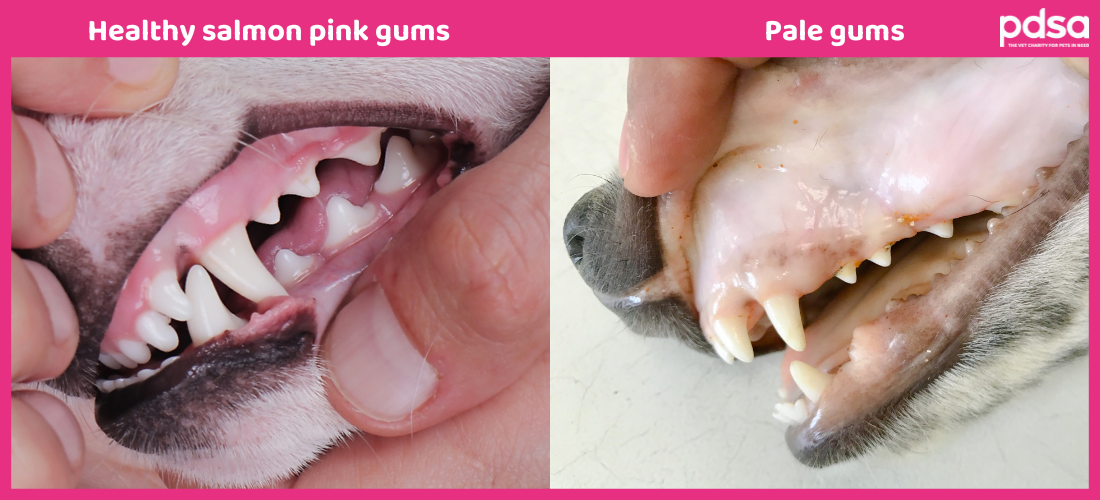
- Inflammation/Infection (Gingivitis and Periodontitis): The most common cause of bright red gums is inflammation of the gingiva (gingivitis) or more severe periodontal disease. This is usually due to bacterial buildup from plaque and tartar. Symptoms often include bad breath, difficulty eating, and bleeding gums.
- Heatstroke: In severe cases of heatstroke, the body’s core temperature rises dramatically, leading to vasodilation and increased blood flow to the surface, which can manifest as bright red gums. Other signs include excessive panting, drooling, and collapse.
- Poisoning: Certain toxins can cause irritation and inflammation of the mucous membranes, leading to bright red gums. For example, exposure to certain household chemicals or toxic plants can have this effect.
- Allergic Reactions: Severe allergic reactions can cause swelling and increased blood flow to the tissues, including the gums.
Blue or Bluish-Gray Gums (Cyanosis)
Blue or bluish-gray gums are a grave sign and indicate a severe lack of oxygen in the blood. This is a medical emergency.
- Respiratory Distress: When a dog is having trouble breathing, their body isn’t getting enough oxygen. This can be due to:
- Pneumonia: Infection of the lungs.
- Asthma or Bronchitis: Inflammation of the airways.
- Heart Failure: The heart is unable to pump blood effectively, leading to a backup of blood in the lungs and poor oxygenation.
- Foreign Body Obstruction: Something lodged in the airway, preventing air from entering the lungs.
- Trauma: Injuries to the chest or lungs.
- Circulatory Failure: When the heart isn’t pumping blood adequately, oxygenated blood cannot reach the tissues. This can occur in cases of severe shock or cardiac arrest.
Yellow or Jaundiced Gums
Yellowing of the gums, known as jaundice, is a clear indication of an underlying issue with the liver or bile ducts.
- Liver Disease: The liver plays a crucial role in processing bilirubin, a byproduct of red blood cell breakdown. When the liver is damaged or not functioning properly, bilirubin accumulates in the bloodstream, causing a yellow discoloration of the skin, whites of the eyes, and mucous membranes, including the gums. Liver problems can stem from:
- Infections (e.g., Leptospirosis).
- Toxins (e.g., certain medications, pesticides).
- Certain cancers.
- Congenital liver shunts.
- Hemolytic Anemia: In some cases of severe hemolytic anemia, where red blood cells are being destroyed at an accelerated rate, the liver can become overwhelmed with processing the resulting bilirubin, leading to jaundice.
- Bile Duct Obstruction: If the bile ducts, which carry bile from the liver to the small intestine, become blocked (e.g., by gallstones or tumors), bile can back up into the bloodstream, causing jaundice.
When to Seek Veterinary Attention
As a responsible pet parent, recognizing these warning signs is the first step. The next, and most crucial, is knowing when to contact your veterinarian. Prompt professional assessment is paramount for accurate diagnosis and effective treatment.
Immediate Veterinary Emergencies
Certain gum color changes warrant an immediate trip to the veterinarian or emergency animal hospital. These include:
- Pale or White Gums: As discussed, this can indicate severe anemia or shock, both life-threatening conditions.
- Blue or Bluish-Gray Gums: Cyanosis signifies a critical lack of oxygen and requires immediate intervention.
- Sudden and Significant Changes: Any rapid shift in gum color, especially if accompanied by other concerning symptoms like lethargy, collapse, difficulty breathing, or vomiting, should be treated as an emergency.
Non-Emergency but Urgent Consultations
While not always an immediate life-or-death situation, the following gum color abnormalities require prompt veterinary consultation:
- Bright Red Gums (persistent): If your dog’s gums are consistently bright red and this is a new observation, it’s essential to rule out infections, inflammation, or other underlying causes.
- Yellow or Jaundiced Gums: This indicates a significant problem with the liver or bile ducts and requires prompt diagnosis and treatment.
- Any Other Concerning Colorations or Changes: If you notice any other unusual discoloration, or if your dog’s gums are changing color over a short period (days to weeks), it’s best to err on the side of caution and seek veterinary advice.
The Importance of Regular Veterinary Check-ups
Regular veterinary check-ups are invaluable for catching potential health issues early. During these visits, your veterinarian will perform a thorough physical examination, which includes assessing your dog’s oral health and gum color. This allows them to:
- Establish a Baseline: Your vet can help you understand what is normal for your specific dog’s breed and individual physiology.
- Detect Subtle Changes: Veterinarians are trained to recognize even minor deviations that you might overlook.
- Provide Preventative Care: Regular dental cleanings and advice on oral hygiene can prevent conditions like gingivitis and periodontal disease, which can lead to gum color changes.
By combining your diligent observation as a pet owner with the expertise of your veterinarian, you can ensure your dog enjoys a lifetime of good health, with pink, healthy gums serving as a testament to their well-being.
aViewFromTheCave is a participant in the Amazon Services LLC Associates Program, an affiliate advertising program designed to provide a means for sites to earn advertising fees by advertising and linking to Amazon.com. Amazon, the Amazon logo, AmazonSupply, and the AmazonSupply logo are trademarks of Amazon.com, Inc. or its affiliates. As an Amazon Associate we earn affiliate commissions from qualifying purchases.